
LumaTouch has released a new update to LumaFusion for Android devices (v2.5). This update adds some highly useful features to the LumaFusion for Android workflow.
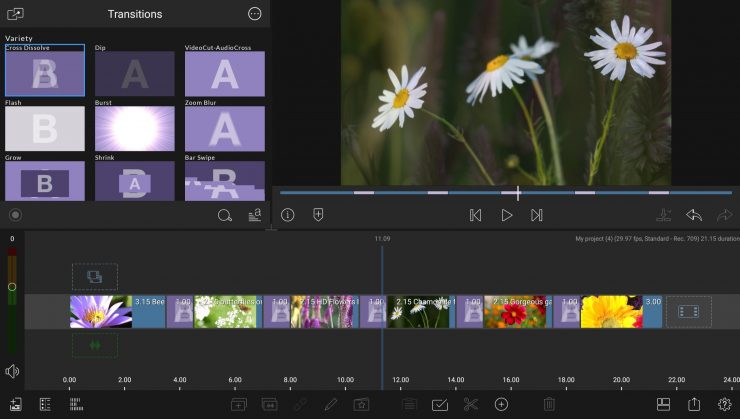
The LumaFusion for Android development team has invested a lot of time and effort to mirror the capabilities and features of LumaFusion for iOS; not an easy feat because iOS and Android are two vastly different architectures with vastly different capabilities.
Some useful and time-saving new features include:
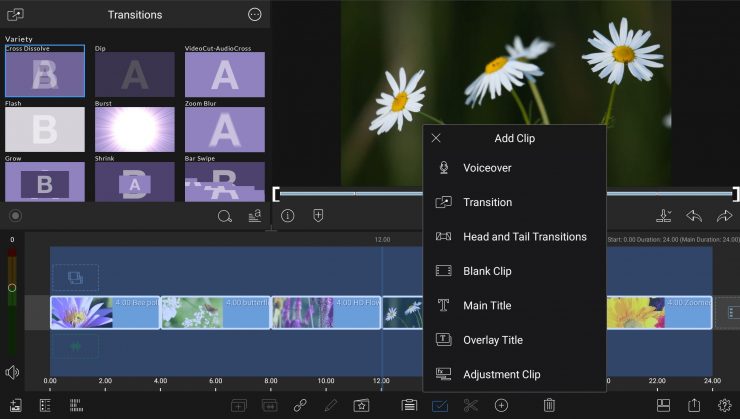
- Head and Tail Transitions: LumaFusion for Android users simply select a clip in the timeline, choose the Head and Tail Transition option from the menu, and a cross dissolve is instantly and automatically added to the beginning and end of that clip;
- Multiple Transitions at Once: Select as many clips as you like, double tap the transition of choice in the Transitions Library, and that effect is instantly applied to each selected clip;
- Double Tap to Add Transitions: Select any number of clips in the timeline, go to the Transitions Library, double tap on the transition and it is automatically added to every selected clip on the timeline;
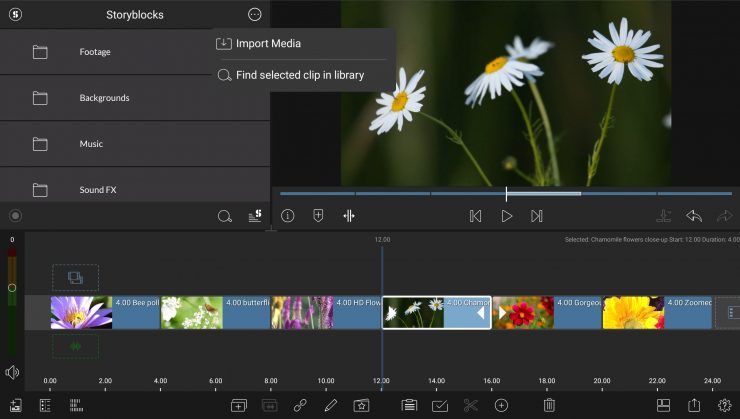
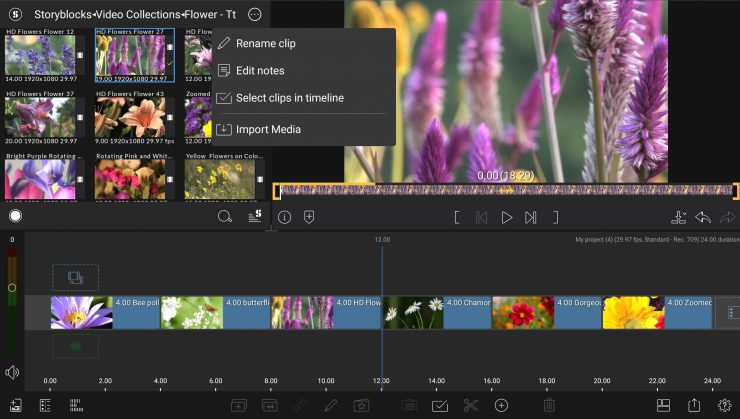
- Find Selected Clip in the Library: When you need to find the original media for a clip in your timeline, select a clip in the timeline, go to import media, choose “Find Selected Clip in Library” and the original file is instantly highlighted in your Media Library. It also works in reverse. Select a clip in the library, choose “Find Selected Clip in Timeline” and that clip will be instantly highlighted in every instance it appears on the timeline.
- Support for APV Codec: LumaFusion for Android now supports the APV codec option in the Export Movie Settings. AVP, or Advanced Professional Video codec, is a modern, perceptually lossless video compression standard developed by Samsung for smartphones, enabling cinematic-quality video capture with less storage (around 20% less than alternatives) while offering professional-level fidelity and easier post-production editing, supporting high resolutions (4K/8K), bit depths (10-16 bit), and HDR, using intra-frame encoding for efficiency.