
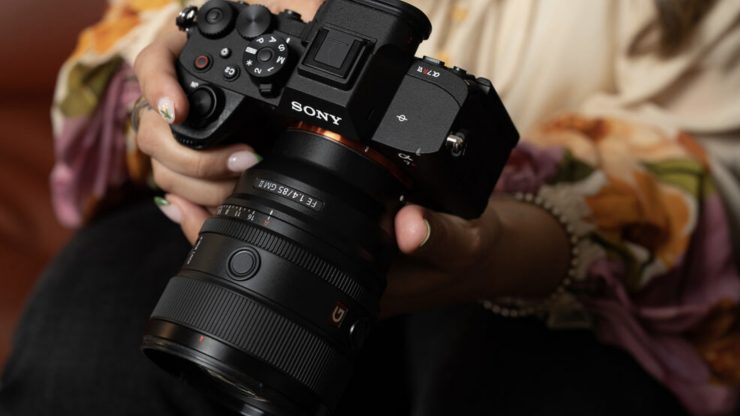
Sony has announced the new a7R VI & FE 100-400mm f/4.5 G Master. The A7R VI features a 66.8MP FF Stacked Exmor RS BSI Sensor and AI-Based Real-time Recognition AF+. The stacked design achieves 5.6x faster readout speeds, which pair with AI-based processing for more intelligent AF, AE, and AWB functions.
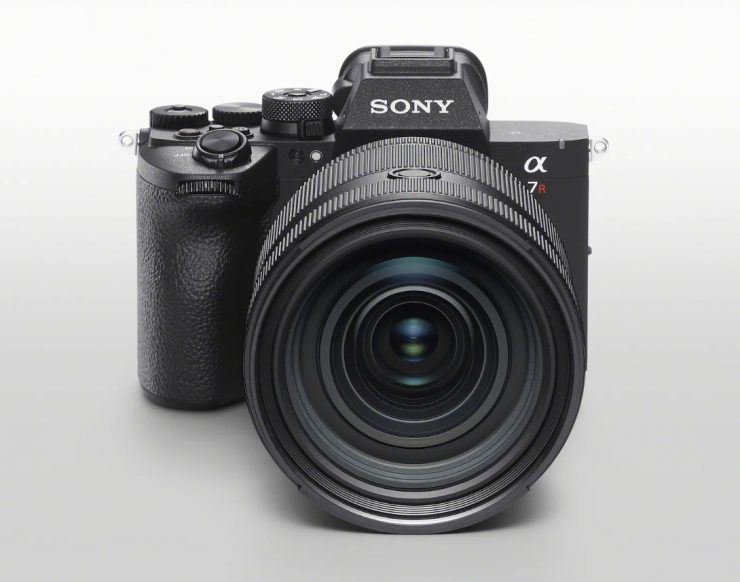
The new camera can shoot 8K 30p video, 4K at up to 120p, and it offers 8.5-stops of IBIS. It looks to be a very capable mirrorless hybrid that would be suitable for both photography and video applications.
Key features
- 66.8MP FF Stacked Exmor RS BSI Sensor
- 30 fps Shooting with AF/AE & Pre-Capture
- AI-Based Real-time Recognition AF+
- 8K 30/4K 120 10-Bit Video + Dual Gain
- 16-Stop Dynamic Range + AI-Based AWB
- 8.5-Stop IBIS + Composite Raw Shooting
- 9.44m-Dot EVF with 120 fps Refresh Rate
- 3.2″ 2.1m-Dot 4-Axis Touchscreen LCD
- Illuminated Buttons + New Battery & Grip
- Dual CFexpress Type A/SD Card Slots
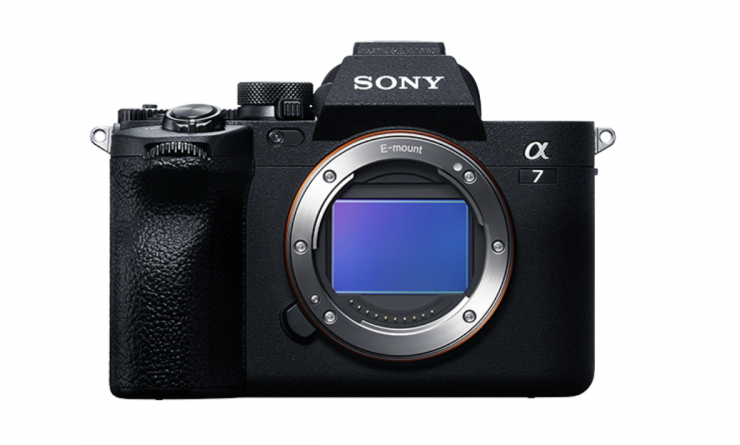
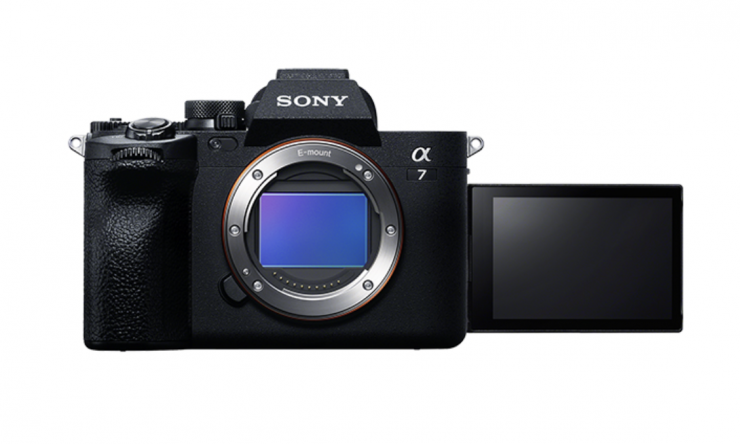
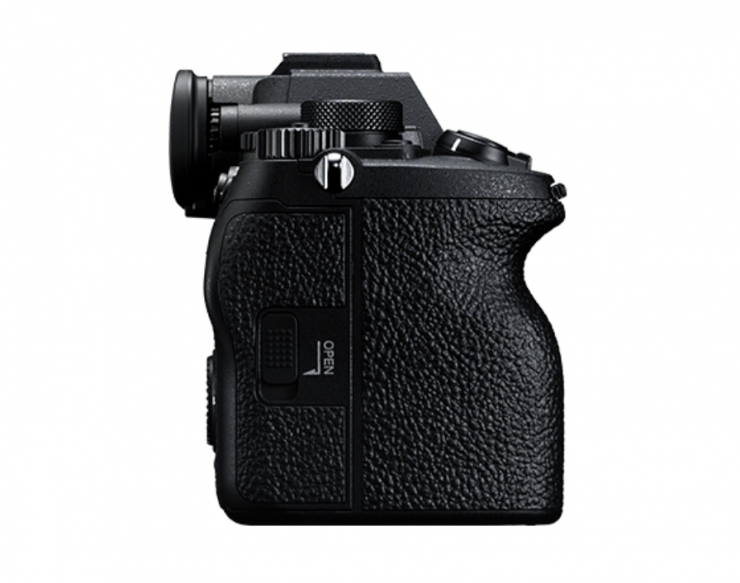
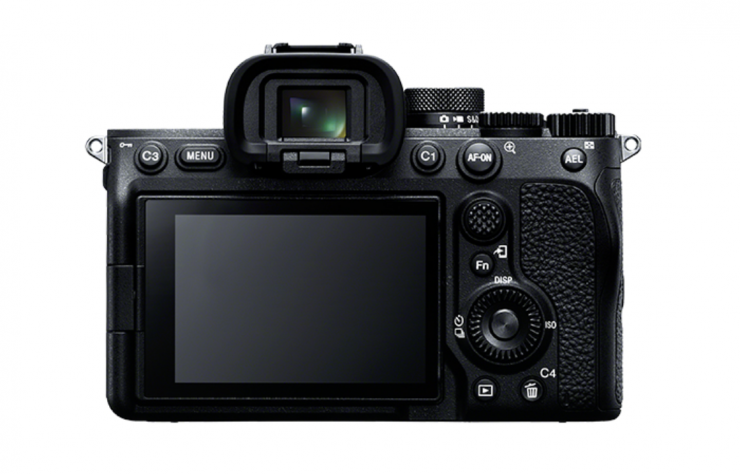
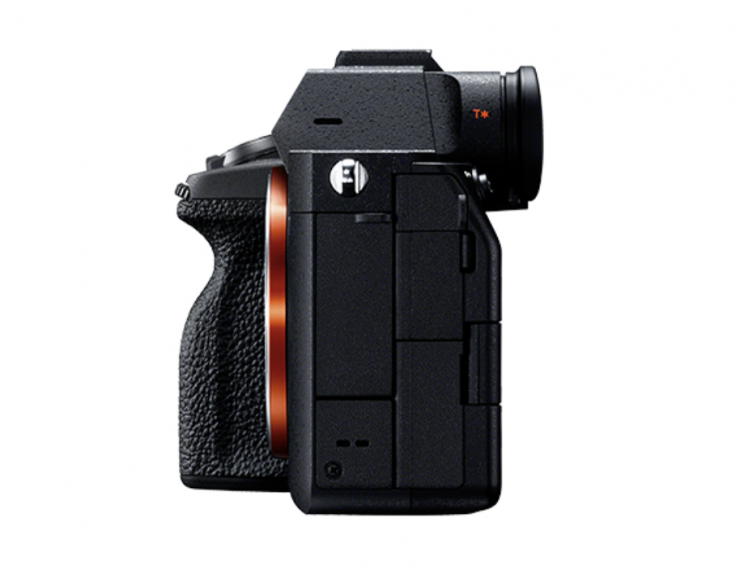
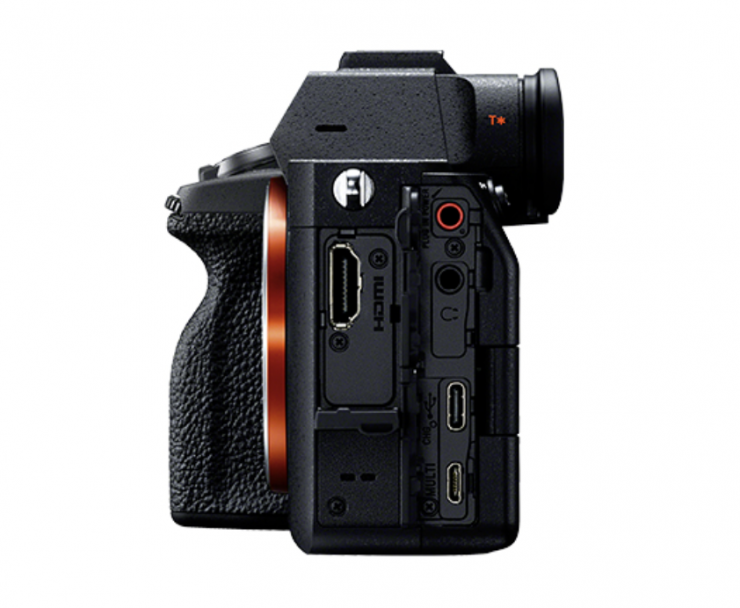
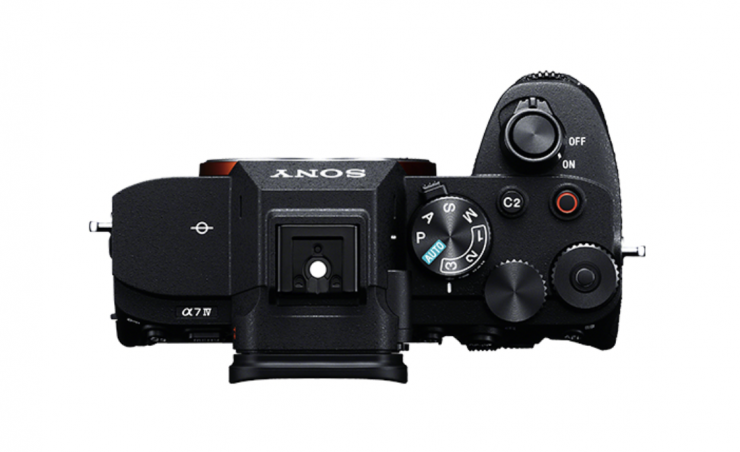
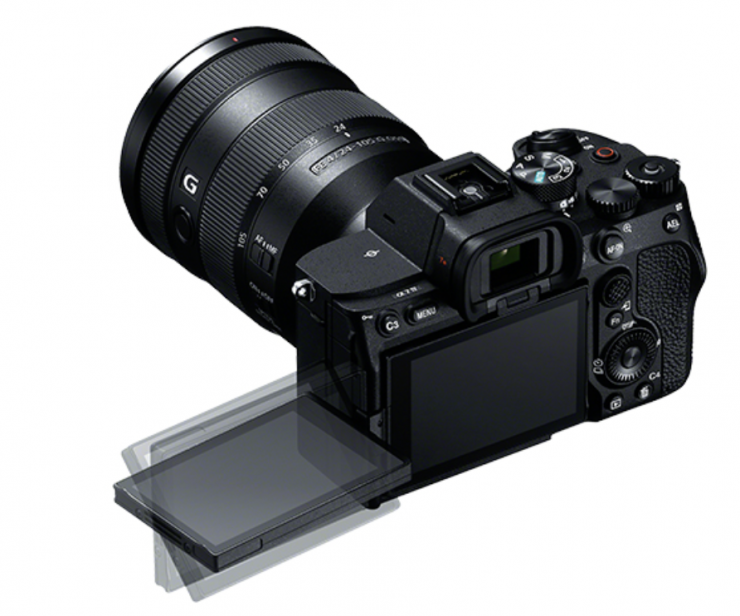
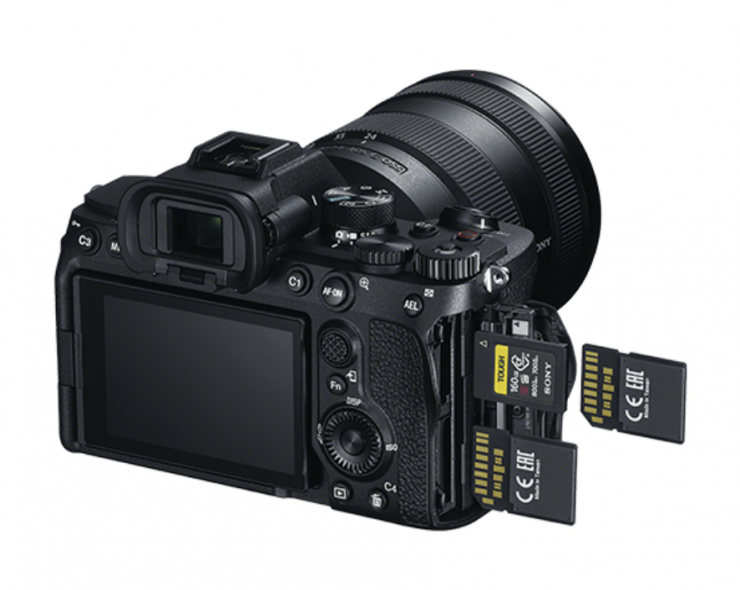
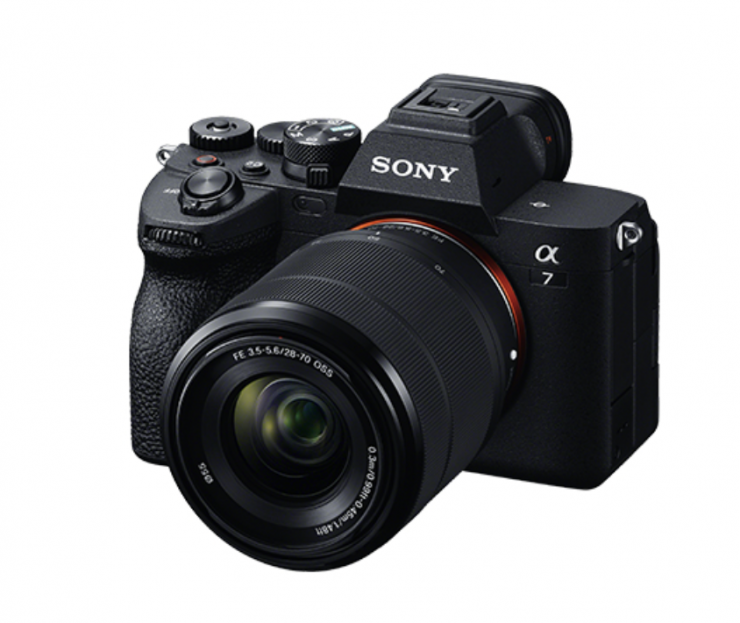
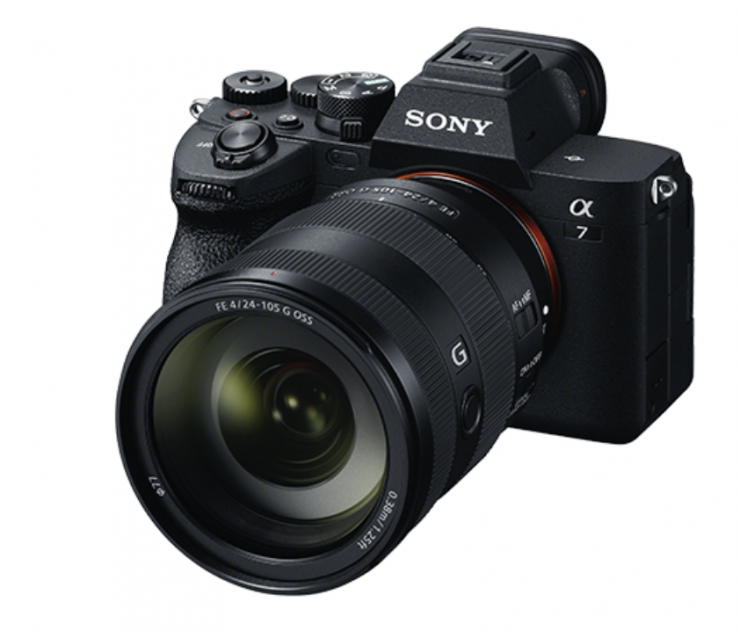
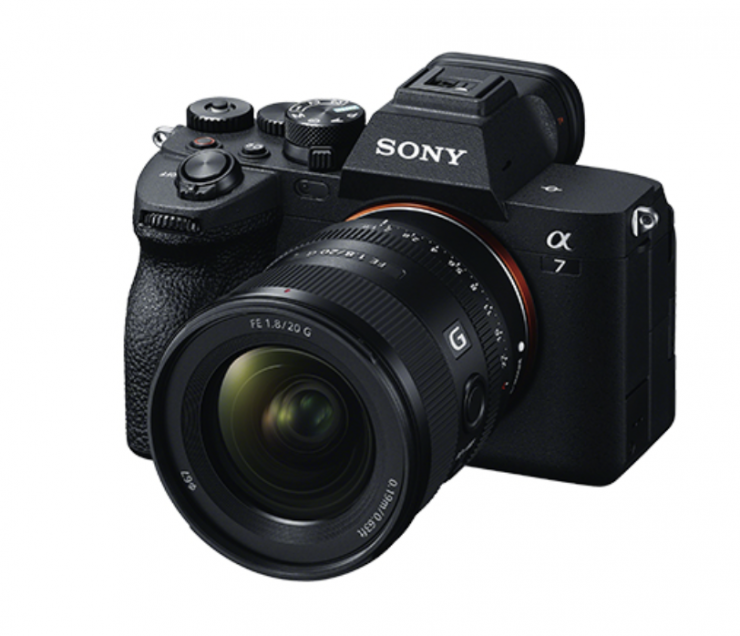
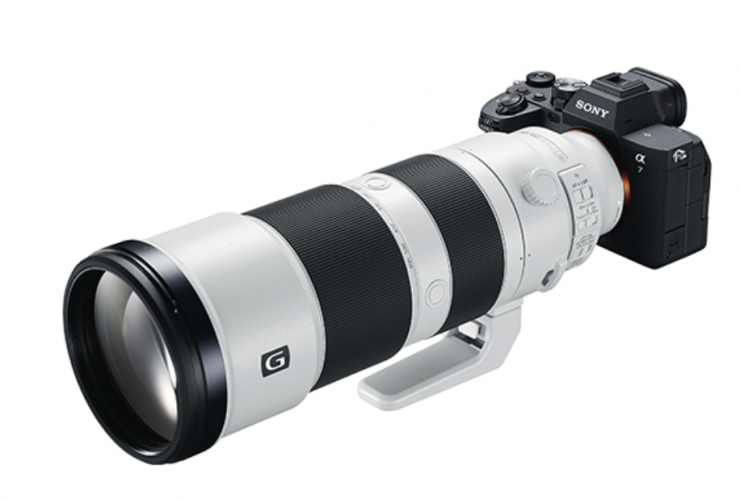
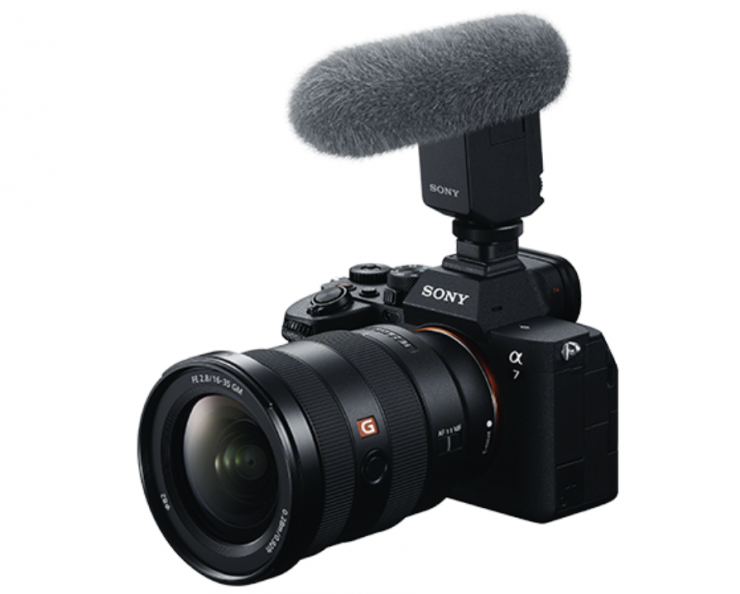
66.8MP FF Stacked Exmor RS BSI Sensor
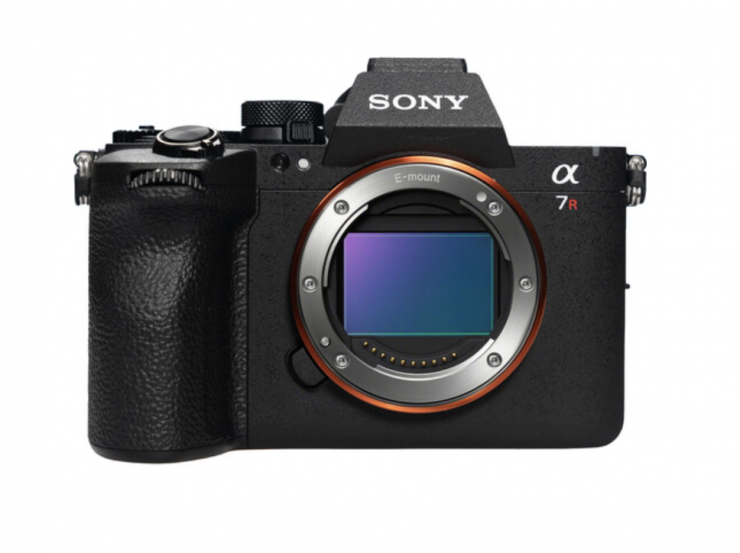
The new a7R VI features a 66.8MP FF Stacked Exmor RS BSI Sensor. Sony states that it offers a mixture of high resolution with high clarity, low noise, and a wide 16-stops of dynamic range. The sensor’s structure promotes impressive image quality, and a copper wiring layer is claimed to improve data transmission speed for creating 14-bit, high-resolution 66.8MP stills. Native sensitivity ranges from ISO 100-32000, which can be further expanded to ISO 50-102400.
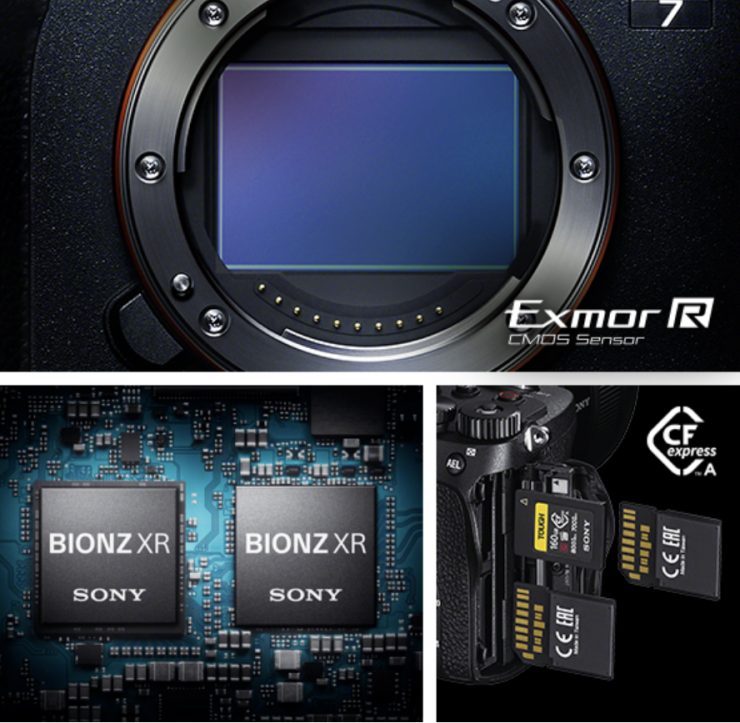
The Exmor RS BSI Sensor and new processing engine offer increased processing performance compared to previous generations, which enables faster overall performance, better image quality with wide sensitivity, and higher dynamic range. The improved processing is capable of handling AI tasks and intelligent AF alongside imaging processes. This processing system is also claimed to reduce rolling shutter.
it is equipped with the latest BIONZ XR image processing engine, which is also used in the flagship α1 and α7S III models. This has significantly improved processing capabilities across the board, including image capture and various signal processing tasks. Consequently, this model inherits many of the features and performance capabilities achieved in the α1 and α7S III, including enhanced image quality with superior tonal gradation and faithful colour reproduction; improved speed and accuracy in autofocus and face/eye detection; the processing of vast amounts of video data for 4K 60p video recording; improved responsiveness in EVF display and menu operation; and high-speed write performance to CFexpress Type A memory cards.
Its predecessor, the a7R V, featured a 61MP Exmor R BSI Sensor and BIONZ XR Processor.
Recording Capabilities
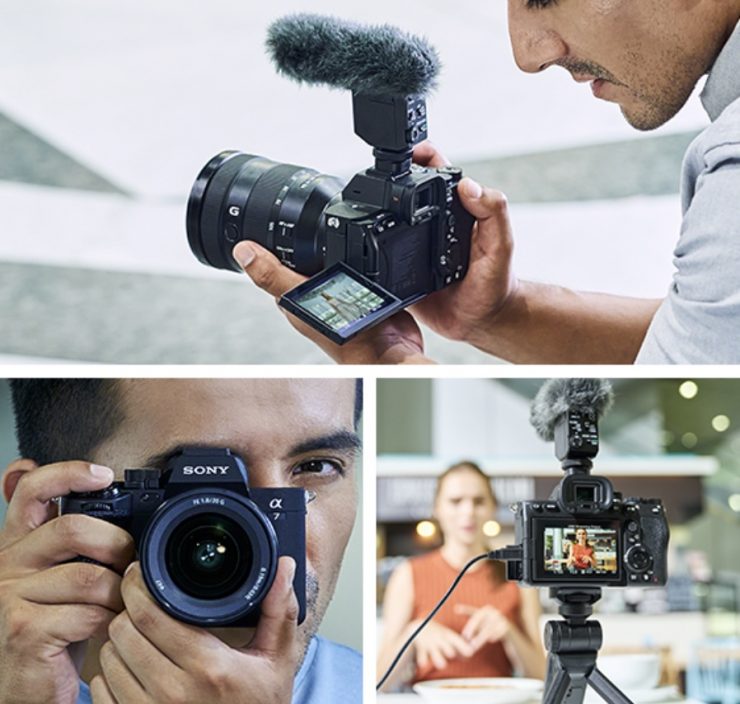
As I previously mentioned, the a7R VI can shoot 8K at up to 30p, and 4K at up to 120p in XAVC HS 10-bit 4:2:2. Unlike a lot of its competitors, the A7R VI doesn’t have the ability to shoot Open gate.
As a comparison, the previous a7R V could only record 8K at up to 24p, and 4K at up to 60p.
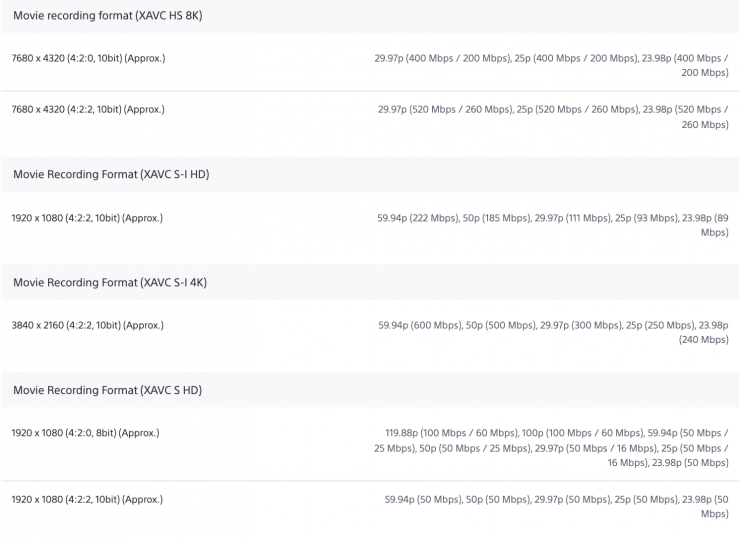
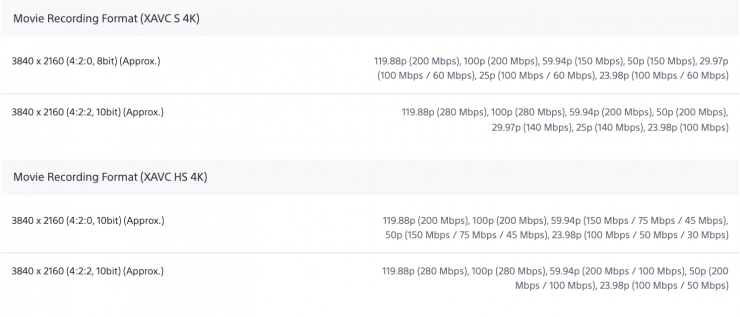
Recording formats include 10-bit, full-frame 8K 30/24p via 8.2K oversampling and 4K 120p via 5K oversampling with full pixel readout. When using a Super 35 recording area, 4K 60p footage can use 6.3K oversampling for improved detail, or 4K 120 high-speed recording is possible when using 4.6K oversampling.
XAVC HS 8K
- 7680 x 4320 (4:2:0, 10bit) 29.97p (400 Mbps / 200 Mbps), 25p (400 Mbps / 200 Mbps), 23.98p (400 Mbps / 200 Mbps)
- 7680 x 4320 (4:2:2, 10bit) 29.97p (520 Mbps / 260 Mbps), 25p (520 Mbps / 260 Mbps), 23.98p (520 Mbps / 260 Mbps)
XAVC HS 4K
- 3840 x 2160 (4:2:0, 10bit) 60p (150 Mbps / 75 Mbps / 45 Mbps) 24p (100 Mbps / 50 Mbps / 30 Mbps)
- 3840 x 2160 (4:2:2, 10bit) 60p (200 Mbps / 100 Mbps 24p (100 Mbps / 50 Mbps)
XAVC S 4K
- 3840 x 2160 (4:2:0, 8bit) 60p (150 Mbps), 30p (100 Mbps / 60 Mbps), 24p (100 Mbps / 60 Mbps)
- 3840 x 2160 (4:2:2, 10bit), 60p (200 Mbps), 30p (140 Mbps), 24p (100 Mbps)
XAVC S HD
- 1920 x 1080 (4:2:0, 8bit), 120p (100 Mbps / 60 Mbps), 60p (50 Mbps / 25 Mbps) , 30p (50 Mbps / 16 Mbps), 24p (50 Mbps)
- 1920 x 1080 (4:2:2, 10bit), 60p (50 Mbps), 30p (50 Mbps), 24p (50 Mbps)
XAVC S-I 4K
- 3840 x 2160 (4:2:2, 10bit), 60p (600 Mbps), 30p (300 Mbps), 24p (240 Mbps)
XAVC S-I HD
- 1920 x 1080 (4:2:2, 10bit), 60p (222 Mbps), 30p (111 Mbps), 24p (89 Mbps)
The a7R VI has two codec options. XAVC HS, which uses HEVC/H.265 encoding to retain more detail at smaller bitrates, and XAVC S-I, which is an intraframe codec for consistent performance and quality at higher bitrates.
The a7R VI can record in S-Log 2 and S-Log 3, as well as S-CINETONE.
If you are recording externally via the full-size HDMI A port, a 16-bit RAW output can be used. The RAW output is supported at up to 4K 60p, and you can also do simultaneous internal 4K recordings.
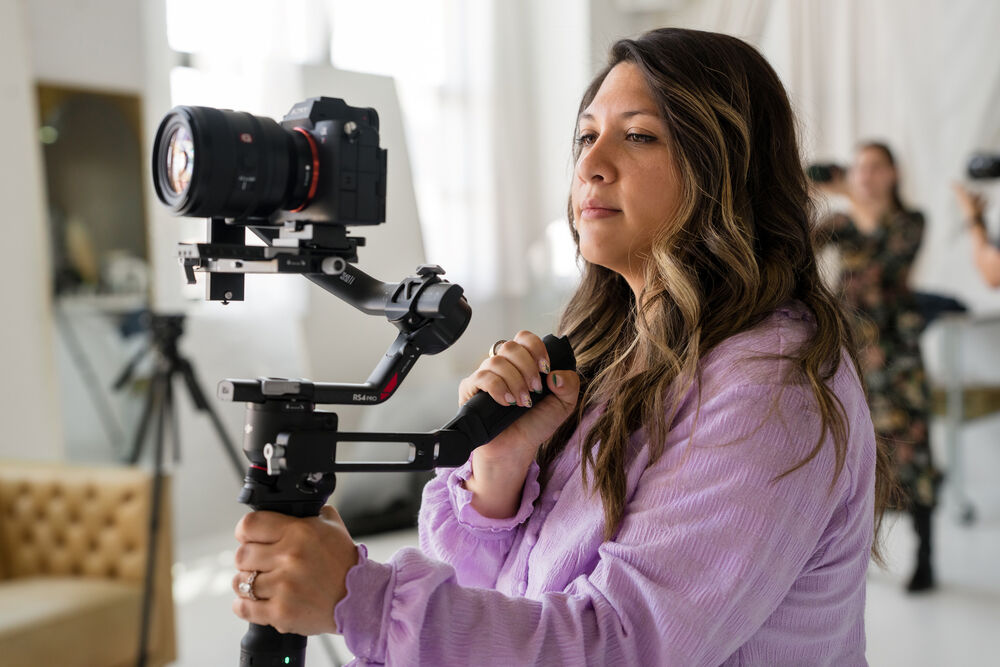
There is a Dynamic Active Mode Stabilization that also helps retain accurate framing while filming, especially when recording while walking or moving.
The camera offers support for Breathing Compensation mode, which reduces the effects of focus breathing when using select lenses.
What about the heat?
Sony states that there is improved heat dissipation thanks to a sigma-shaped graphite heatsink built into the stabilization unit. 4K 120p and 8K 30p recording times up to 120 minutes are possible when the temperature is 77°F. If it’s 105°F, 4K recording times up to 60 minutes can be expected, or 30-min recording times for 8K footage.
Dual Gain Function
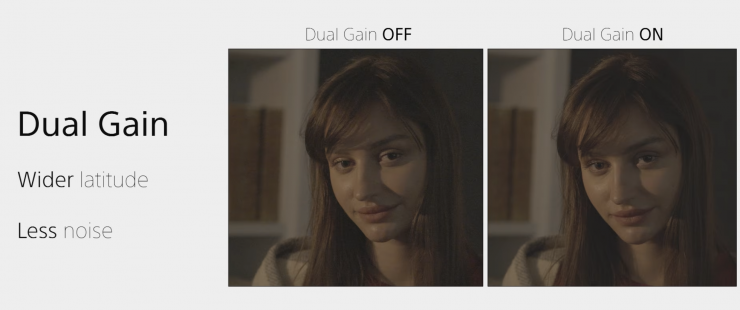
A new Dual Gain function has been added that is claimed to specifically work to minimize noise without affecting shadow detail. This is said to result in videos with the smoothest tonal gradation and a wider perceived dynamic range. This mode limits the frame rate to 30p, the resolution to 4K, and the ISO to 400, unless using S-Log3, where an ISO range of 200-3200 is available. Also, since the readout speed is reduced in this mode, it’s best suited for landscapes, interiors, or other more static subject types.
Audio
The Multi Interface Shoe features a digital audio interface that supports recording 4-channel 24-bit audio with attached mics.
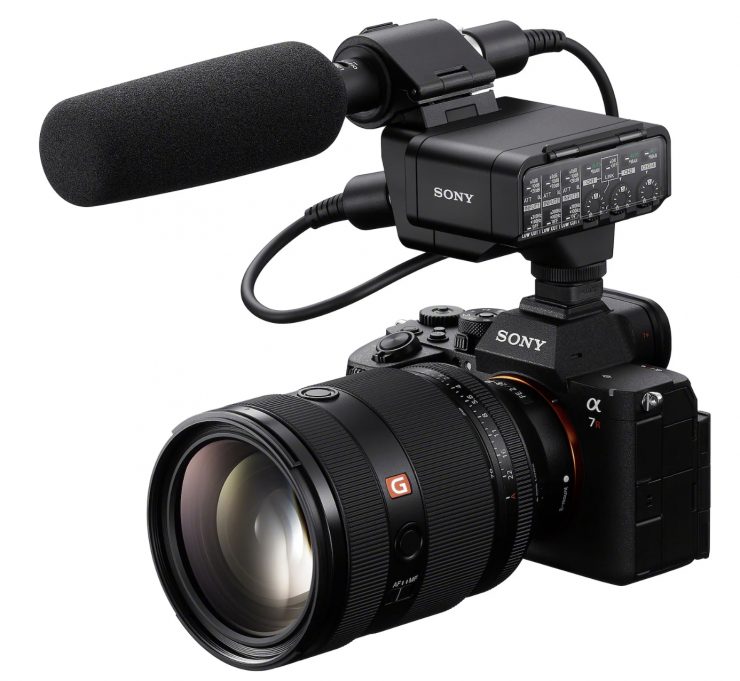
When using the optional XLR-A4 XLR adapter ($778 USD), 4-channel audio with 32-bit float and a 96 kHz sampling rate can be recorded alongside video. A separate WAV file can also be saved in-camera.
XLR-A4 XLR adapter Key features
- For a7R VI Camera
- Supports 96 kHz Sampling & 32-Bit Float
- 2 x Combo XLR-1/4″, 1 x 3.5mm Mic Inputs
- Dual ADCs and Four-Channel Input
- Separate WAV File In-Camera Recording
- Securely Mounts to Multi Interface Shoe
- Integrated Microphone Holder
An integrated noise reference mic has been added to aid background noise reduction when using either the onboard mic or an external microphone.
8.5-Stops IBIS
The Alpha 7R VI gets an updated IS system that supports up to 8.5 stops of camera shake compensation. The 5-axis stabilization system combines a high-performance gyro sensor with an optimized algorithm for more precise shake control and improved communication between the camera body and lens.
Additionally, specifically for video, there is also an Active IS mode that adds even more precise stabilization methods for even smoother footage straight out of the camera. Also, this digital stabilization system has been updated with a new algorithm that offers the best stabilization performance when paired with select OSS-enabled lenses.
Stills Performance
In terms of shooting speeds, the a7R VI can do up to a 30 fps top continuous shooting rate with an electronic shutter; this mode supports blackout-free viewing, AF/AE calculations at 60 times per second, 14-bit raw recording, and a raw buffer of 150 shots per burst (or 215 JPEGs). If working with a mechanical shutter, the top rate remains at 10 fps, but 14-bit raw shooting is now supported.
Pre-Capture & Speed Boost
Featured for the first time in an a7R-series body, these action-specific shooting modes are claimed to greatly benefit wildlife and sports shooting situations:
Pre-Capture: The a7R VI can be configured to begin recording images at 30 fps with AF/AE to the buffer when the shutter button is half-pressed. Users can set this between 0.03-1.0 second. Upon pressing the shutter, these images will be saved to the memory card.
Speed Boost: With Speed Boost and an assigned custom button, users can instantly switch their camera from their usual continuous shooting frame rate to a faster one to make sure their next shot is just right. Photographers will be able to select various frame rates up to 30 fps.
Pixel Shift Multi Shooting
This compositing mode allows you to achieve even greater resolution than the 66.8MP sensor affords. Working in conjunction with the sensor-shift image stabilization, this mode shifts the sensor while making 4 or 16 consecutive exposures in order to acquire approximately 265.8MP of information for greater color accuracy and detail than possible with a single exposure. These files can then be merged together during post-production by using the Sony Imaging software suite.
Additionally, multi-image HDR and Noise Reduction modes can also composite between 4-32 raw images into a single frame that exhibits a wider dynamic range or reduced apparent noise, respectively.
AI-Based Real-time Recognition AF+
Using a dedicated AI processing unit within the BIONZ XR2, the a7R VI’s autofocus precision and subject recognition have been improved. The new Real-time Recognition AF+ offers more stable and reliable performance, especially with distant subjects and when changing subject types. This subject detection system works with seven different selectable target types:
Human, which tracks body and head positions for accurate portraits. Real-time Eye AF+ performance has also improved human pose estimation capabilities as well as more tracking stability in crowded scenes, better recognition of smaller and distant subjects, and more persistent tracking of partially obscured subjects.
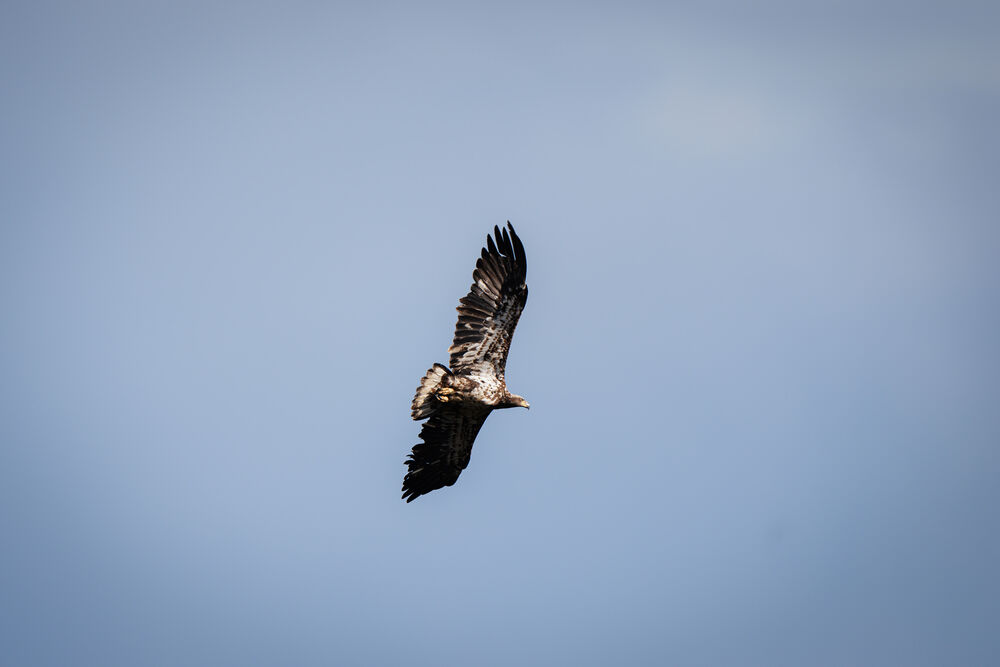
Animal, Bird, and Animal/Bird modes recognize a variety of animal types, including dogs, cats, birds, and more, with the ability to pinpoint focus on eyes and recognize animal bodies and heads.
Insect recognition offers even finer performance with the ability to detect the head or entire insect subject.
Car/Train and Airplane recognition means the camera can detect the front part of a train, the nose of an airplane, or easily detect the entire fast-moving subject.
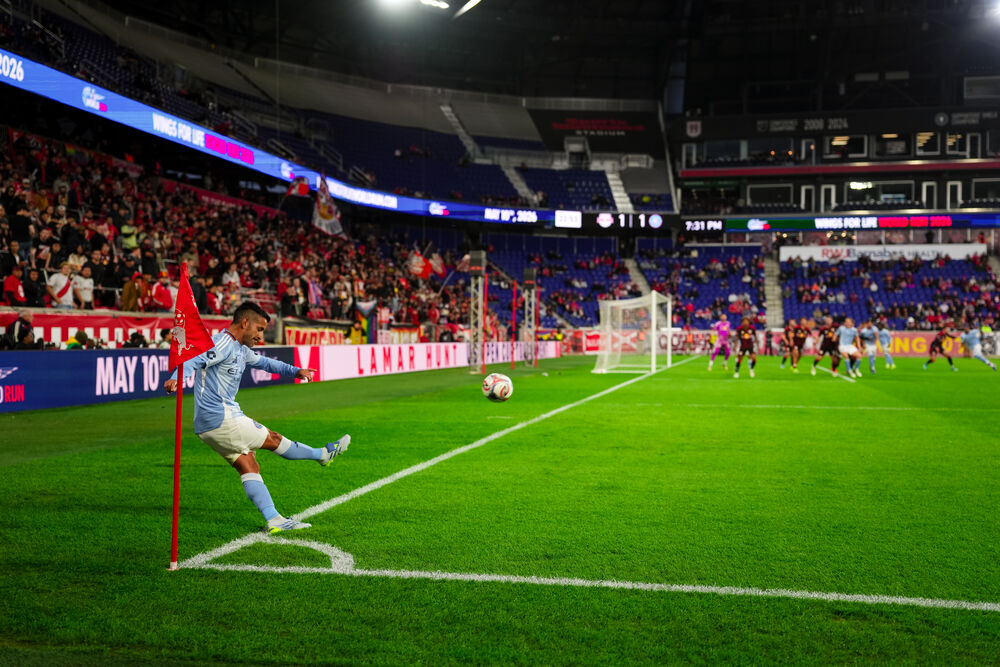
Real-time Tracking benefits from AI-based subject recognition for following moving subjects, making it particularly well-suited to sports and action subjects. Also, Human pose estimation allows the camera to distinguish between multiple people and maintain focus on the targeted subject; even if someone crosses in front, the camera maintains focus on the key person.
Advanced Fast Hybrid AF
Covering 94% of the full-frame image area, or 100% of the APS-C cropped area, a Fast Hybrid AF system incorporates a dense 759 phase-detection point grid for quick and precise focusing in a variety of lighting conditions with sensitivity down to -6 EV. This focusing system is available for use in all recording modes, to benefit both video and stills applications.
Full-time DMF (Direct Manual Focus) enables using the lens’s focus ring for manual focus control at any time, making it easier to switch focus to a different subject even when working with AF.
For photographing moving subjects, this AF system keeps up with the top 30 fps continuous shooting speeds, offering full-time AF tracking between each consecutive frame at a maximum rate of 60 AF/AE calculations per second.
XS – XL focus areas can be used, along with custom focus area shapes, to match the subject matter and framing concerns of different scenarios.
In-camera Focus Bracketing is possible, with the ability to record up to 299 frames with sequentially shifted focus points for creating composite images during post-production with greater-than-possible depth of field.
AF During Video Recording
Real-time Eye AF is fully supported during video recording, for subject detection and tracking of human, animal, and bird eyes while shooting.
Focus Map is a unique way of visualizing depth of field and functions in a similar way to peaking, with a colorful overlay of the scene that indicates which parts of the scene are in front of and behind the focus point, depending on the chosen aperture.
A feature carried over from the FX6 digital cine camera, AF Assist lets you intuitively switch over to manual focus control for adjusting focus position when working with AF. This is a quick way to shift selective focus between various subjects in a scene while recording.
A unique solution to compensate for how certain lenses perform when racking focus, Focus Breathing compensation will automatically smooth focus transitions and maintain a consistent field of view when changing the focus position during a shot. This mode crops into the image slightly and corrects for any detected shifts in composition when focusing is happening. This function is compatible with select E-mount lenses.
Media
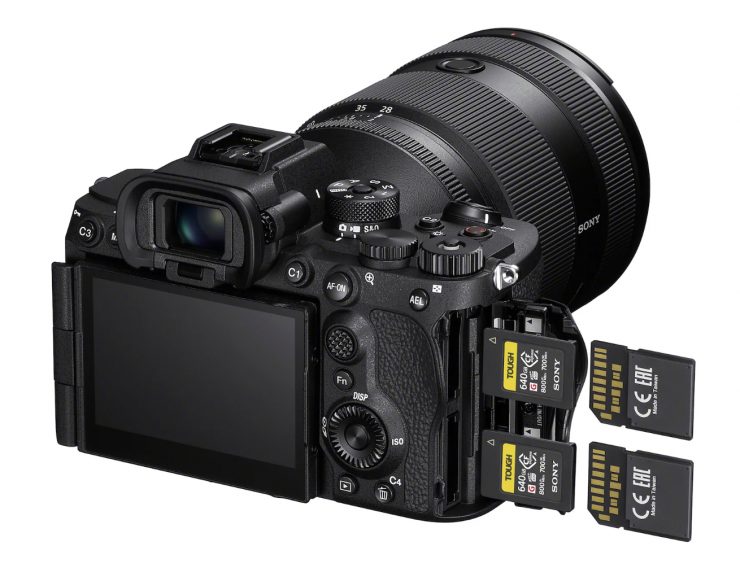
The a7R VI features dual UHS-II SD and CFexpress Type A slots. Dual memory card slots both accept either CFexpress Type A or SD-type memory cards. The dual slot design allows for flexible file saving and handling, and can be configured to partition file types or can be used for overflow recording. Additionally, both of the card slots are rated to support UHS-II memory cards for faster transfer speeds.
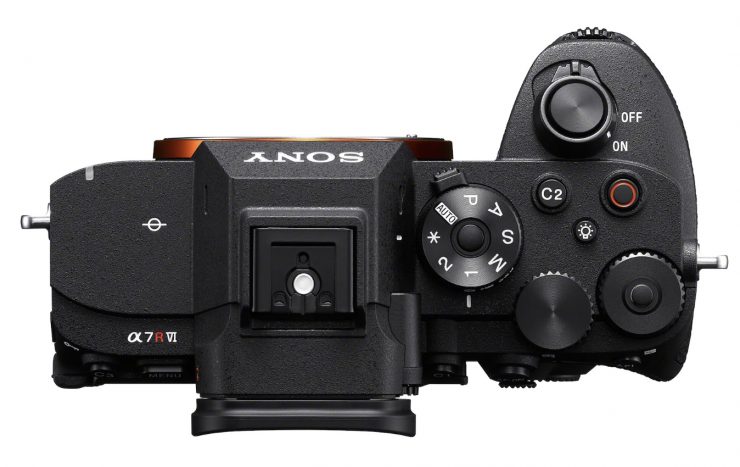
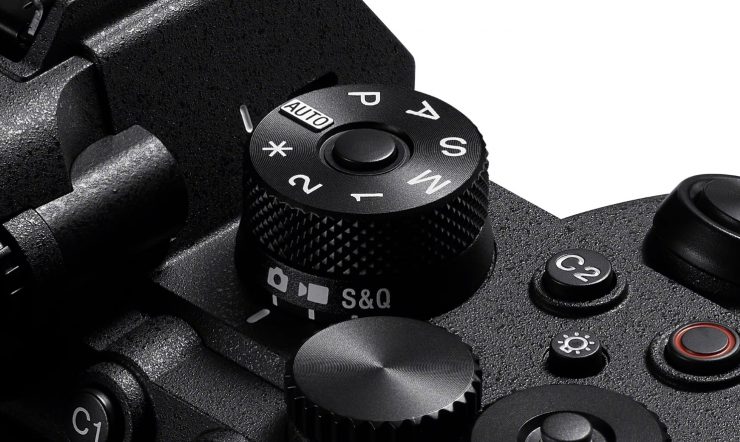
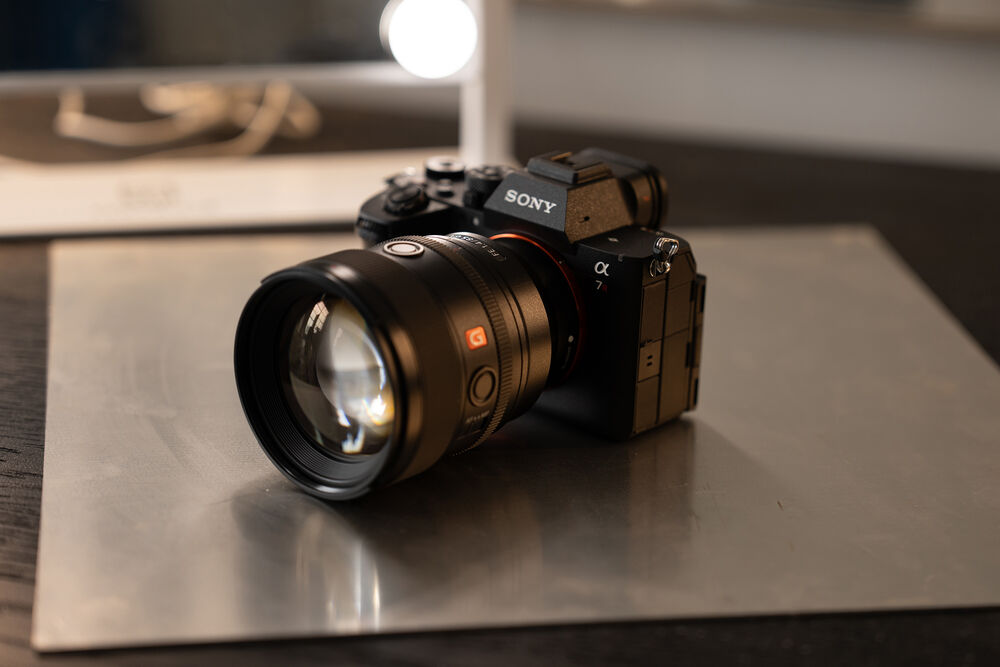
9.44m-Dot EVF and 4-Axis Multi-Angle LCD
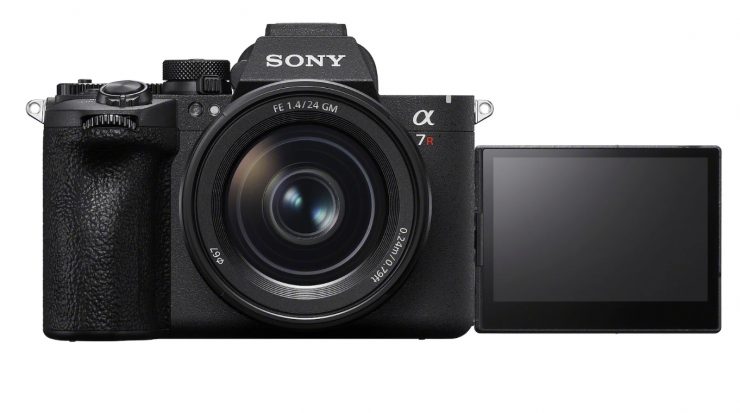
The a7R VI features a 3.2″ 2.1m-Dot 4-Axis Touchscreen LCD. The previous a7R V also featured a 3.2″ 2.1m-Dot 4-Axis Touchscreen LCD.
The 4-axis multi-angle LCD monitor retains the tilt function but also flips out and can be reversed for a selfie or self-shooting situations.
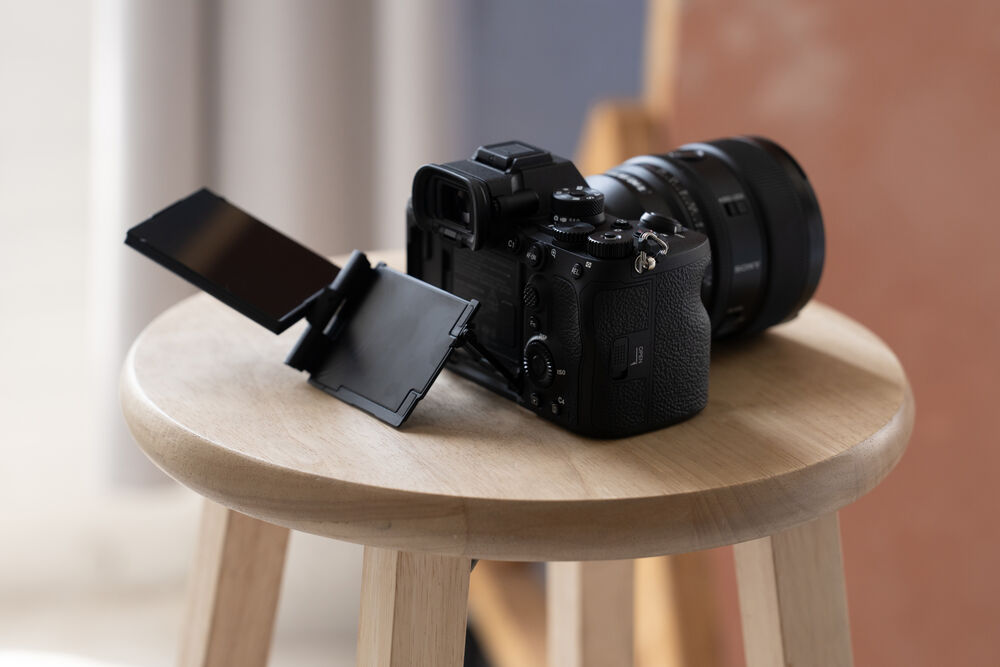
A revised QXGA OLED Tru-Finder EVF features a high 9.44m-dot resolution and 0.9x magnification for exceptionally clear and detailed eye-level viewing.
The EVF is approximately 3x brighter than the a7R V and also has an improved 10-bit display with DCI-P3-equivalent coverage for improved color accuracy and visibility.
The viewfinder offers 120 fps playback for smooth motion rendering, and the finder’s physical design has a long 25mm eye point, 41° field of view, and features a fluorine coating on the outermost viewfinder element to benefit cleaning.
This 3.2″ 2.1m-dot LCD also has a touchscreen design and a DCI-P3 wide gamut for accurate color monitoring.
New Battery System
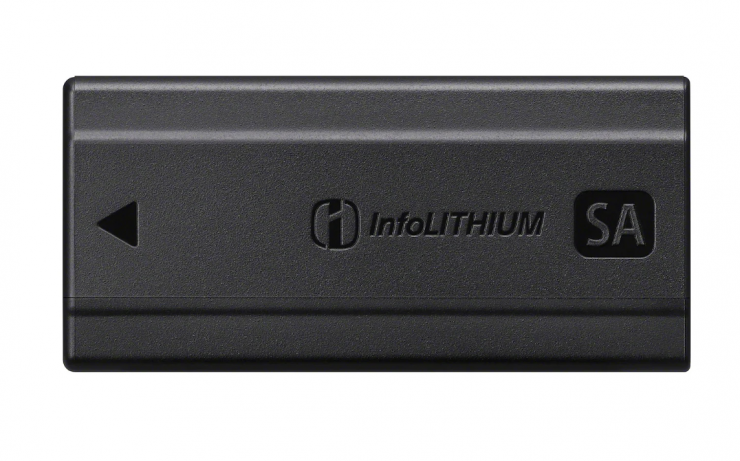
The a7R VI utilizes the new NP-SA100 battery, which offers 17% higher capacity than the previous generation to enable longer shooting times and improved performance under the demands of higher shooting rates.
The NP-SA100 offers approximately 600 shots per charge when using the EVF or 710 shots per charge when working with the LCD.
Battery health monitoring can be done via the camera or via the optional BC-SAD1 dual battery charger.

A magnesium alloy chassis assures rigidity, durability, and stability while remaining lightweight. The lens mount has also been improved to better support heavy lenses, and the grip rigidity has been improved for more comfortable hand-holding.
The camera offers extensive weather sealing, including enhanced sealing around the battery cover, terminal cover, and chassis joints, which has been employed to resist dust and moisture for reliable operation in harsh weather conditions.
Ports & Interface
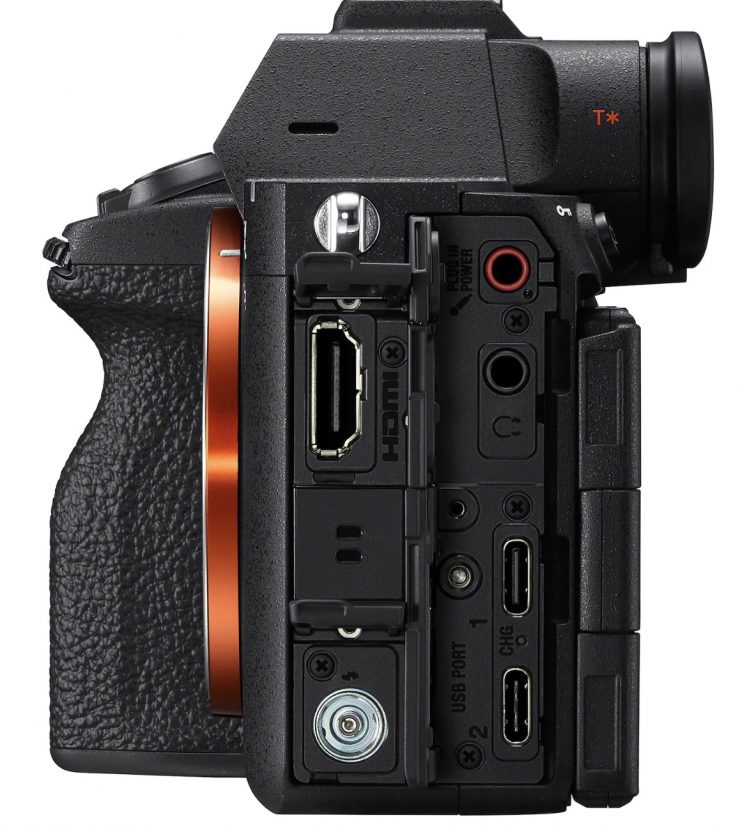
A full-size HDMI A port offers a more reliable connection when working with external recorders.
Dual USB-C ports offer greater versatility and the ability to simultaneously power the camera or charge the battery while also transferring data to an external storage device.
Port 1 is a USB-C 3.2 Gen2 port intended for data transfer at up to 10 Gbps and Port 2 is a USB-C 2.0 port intended for power delivery and in-camera battery charging.
There is a PC sync terminal for wired flash sync with strobe packs or wireless radio remotes.
Both 3.5mm headphone and external microphone ports facilitate greater control over audio recording.
The Multi Interface Shoe supports working with the new, optional XLR-A4 XLR Adapter for 32-bit float/96 kHz audio recording. This shoe also supports other external mics, like the ECM-B1M Shotgun Microphone, or external flashes, like the HVL-F60RM2 Flash.
Connectivity
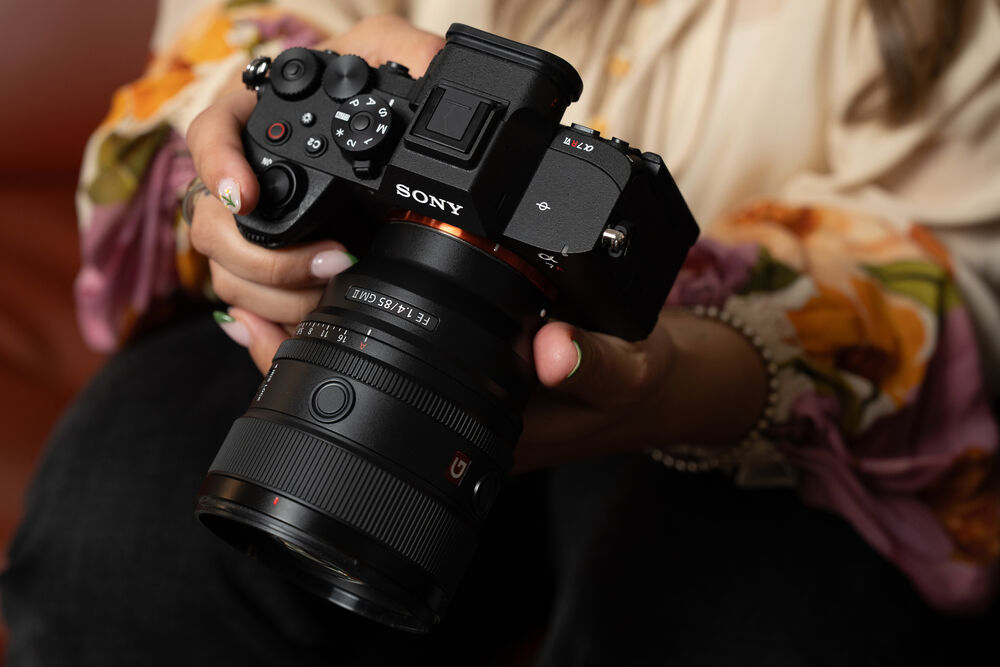
Built-in Wi-Fi 6 enables the a7R VI to instantly share imagery to mobile devices for direct sharing online. This wireless connectivity supports both 5 and 6 GHz bands, along with 2×2 MIMO, for a strong, reliable connection to enable rapid transfers, remote control, and wireless tethered shooting.
Bluetooth connectivity allows for location data acquisition.
The camera supports wired or wireless 4K livestreaming use and is UVC/UAC compliant for simple operation. Internal recording is also supported while livestreaming.
The USB-C port, when used in conjunction with an optional USB-Ethernet adapter, offers up to 1000BASE-T speeds for quick wired LAN sharing and remote operation.
The Imaging Edge Remote for desktop supports PC Remote shooting via the Wi-Fi connection or tethered by the wired USB-C port. An updated data transfer control also makes it possible to transfer files from a memory card over Wi-Fi using the Imaging Edge Mobile app, even when the camera is powered off.
Optional Dedicated Accessories
The NP-SA100 battery system also introduces a series of updated power-based accessories to accept the new battery design:
The BC-SAD1 Battery Charger is a dual charger that is capable of charging two NP-SA100 batteries in approximately 115 minutes, up to 26% faster than the previous generation battery-charger system. If only charging one battery, an 80% charge can be achieved in under 1 hour. Additionally, the charger supports battery health checks.
The VG-C6 Vertical Grip has been updated to accommodate two NP-SA100 batteries for longer shooting times and more comfortable handling when working in the vertical orientation. Like its predecessor, this grip supports parallel power supply to provide even longer effective operation times, and the remaining battery life for both batteries can be indicated on the camera display.
The DC-C2 DC Coupler has an updated design to support continuous power to NP-SA100-based cameras via USB power delivery.
The XLR-A4 XLR Adapter enables working with XLR microphones, attaches via the Multi-Interface Shoe, and provides 4-channel audio with 32-bit float and a 96 kHz sampling rate.
Sony FE 100-400mm f/4.5 G Master
Along with the a7R VI, Sony has also announced the FE 100-400mm f/4.5 G Master. This is a replacement for the Sony FE 100-400mm f/4.5-5.6 GM OSS L.
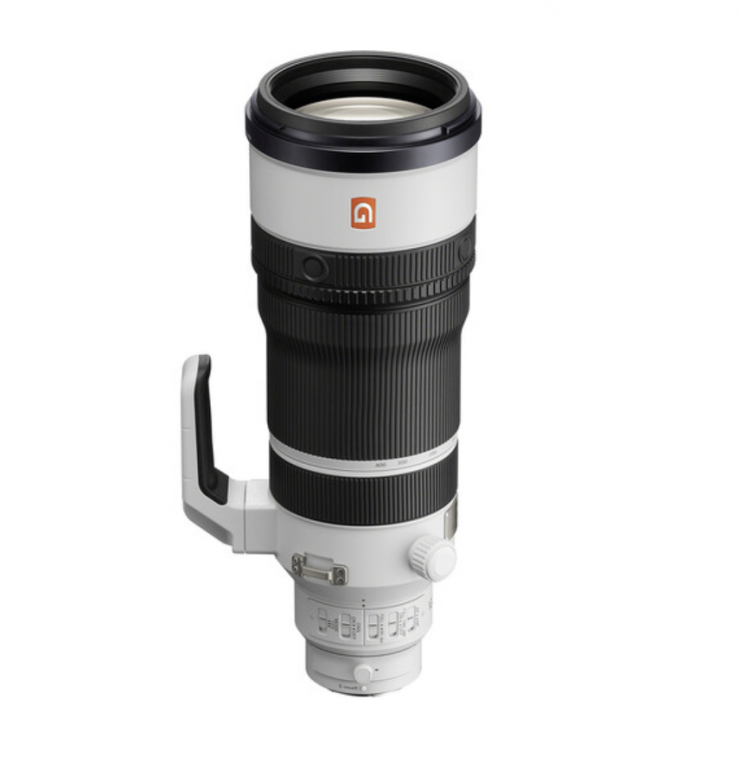
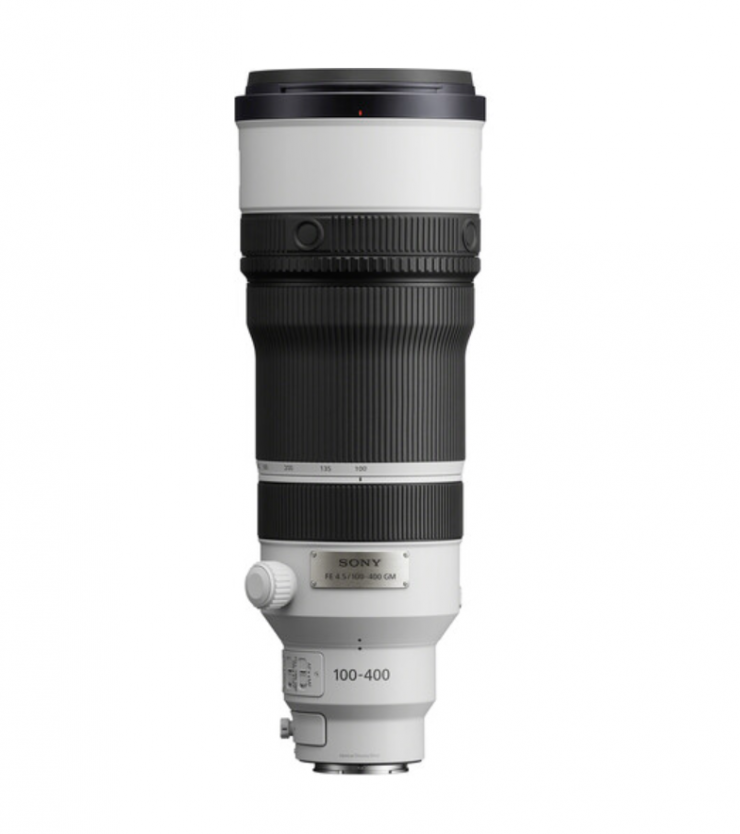
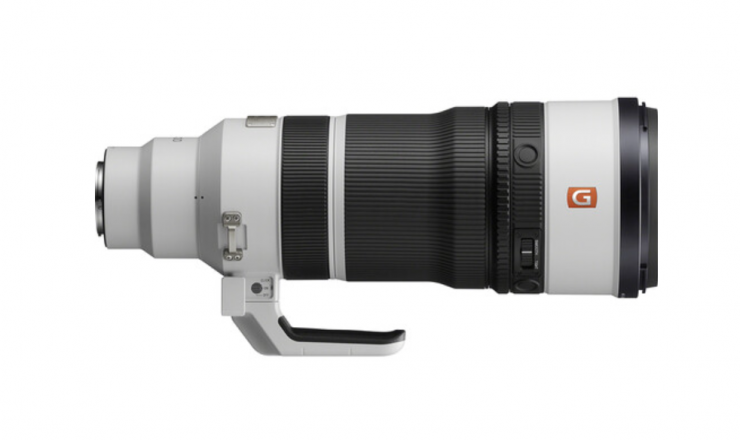
The new lens gives you a constant f/4.5 aperture throughout the zoom range. It also has aperture de-click and lock switches.
Key features
- Full-Frame | Constant f/4.5 Max Aperture
- Portable, Reliable Super-Telephoto Zoom
- Four XD Linear AF Motors, Floating Focus
- Internal Zoom and Internal Focus Design
- OSS with Panning & Moving Subject Modes
- Super ED, ED XA, and XA Glass Elements
- Nano AR Coating II and Fluorine Coating
- Aperture De-Click and Lock Switches
- Dust and Moisture-Resistant Construction
- Rounded 11-Blade Diaphragm
The new 100-400mm has four XD Linear AF motors, and an internal zoom and internal focus design, so it doesn’t extend. The optical design consists of Super ED, ED XA, and XA glass elements.
The older Sony FE 100-400mm f/4.5-5.6 GM OSS L had 9 aperture blades, while its replacement has 11.
Pricing & Availability
The a7R VI retails for $4.499.99 USD.
The Sony FE 100-400mm f/4.5 G Master will retail for $4,298 USD.