
Nexus Cameras has been working hard to complete the Nexus G1 and get it into the hands of all its supporters. Since the last update, a lot of things have happened with the project, including completion, lab and field testing of the cooling system, the MaxDrive storage system, the optical system, and, most importantly, completion and testing of the imaging system.
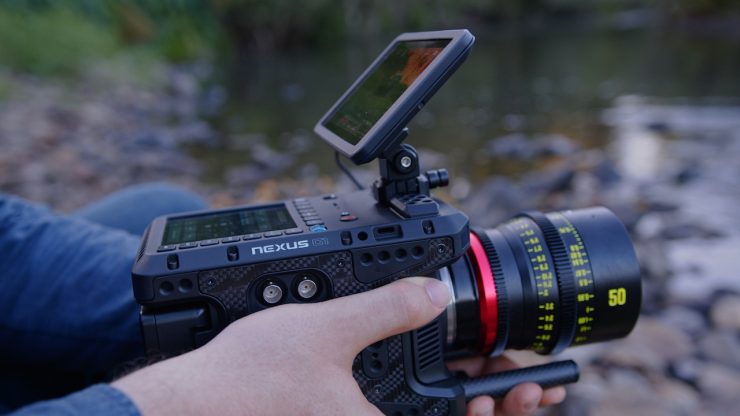

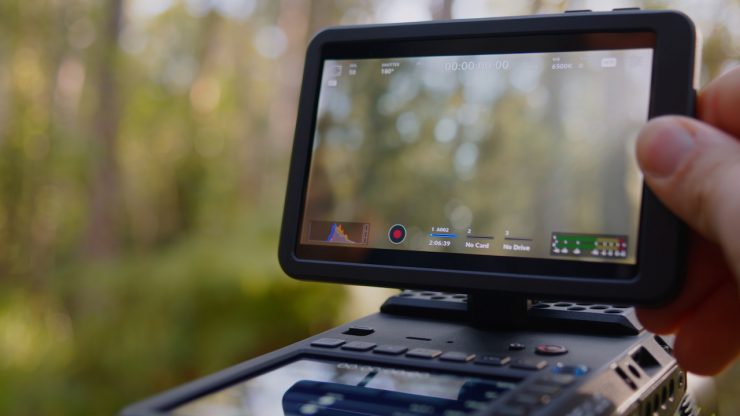
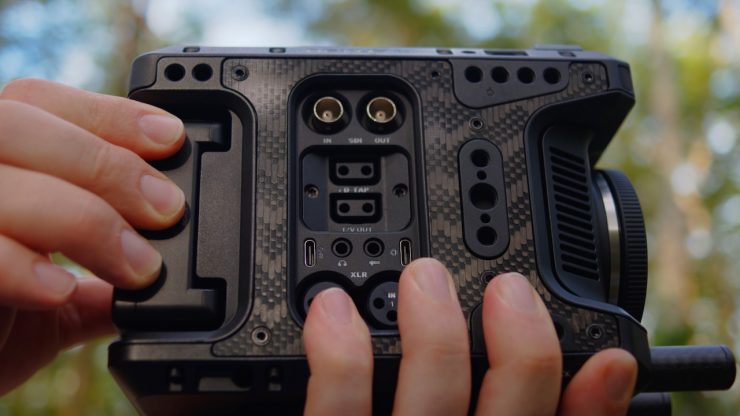
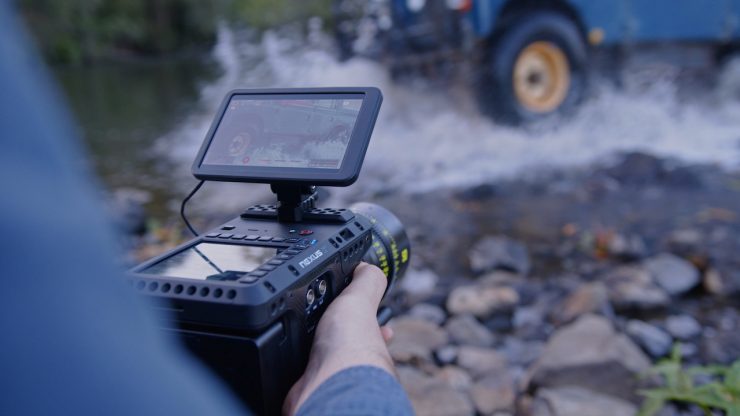
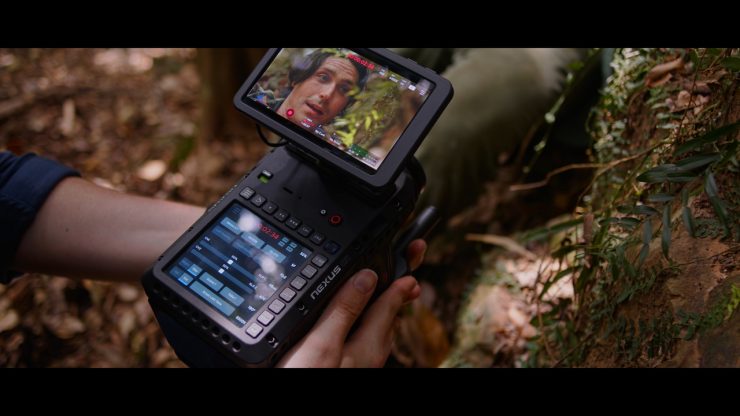
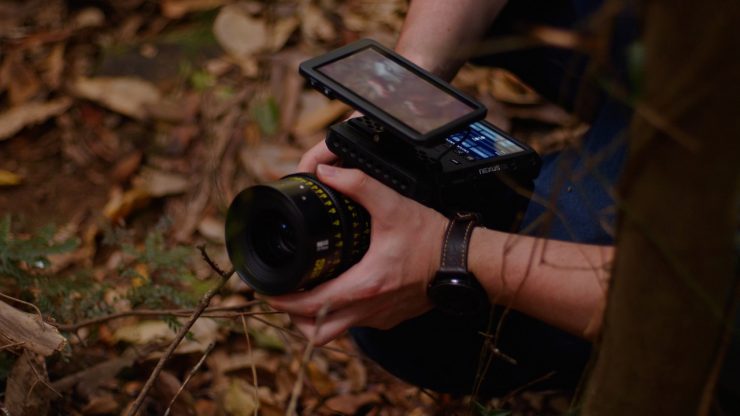
The company has been testing the Nexus G1 in run-and-gun environments out in the hot and humid Australian rainforest for a few weeks now.
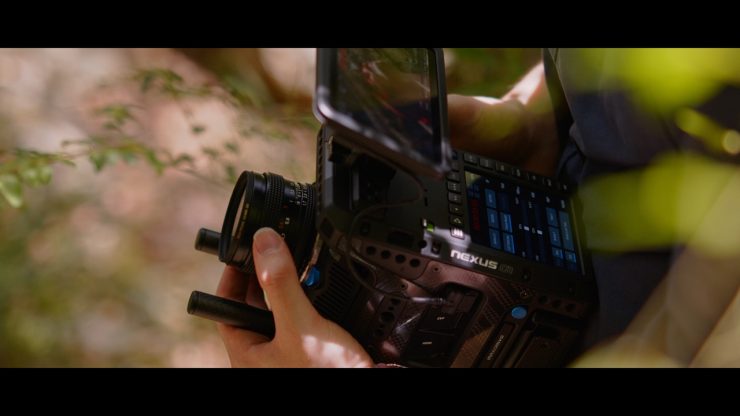
The test footage that you can see at the top of the article was shot on a mixture of vintage lenses, affordable cine primes, and Sigma photo lenses. Later on, they plan to shoot some more scientific test footage on some fancy glass with a focus on image quality.
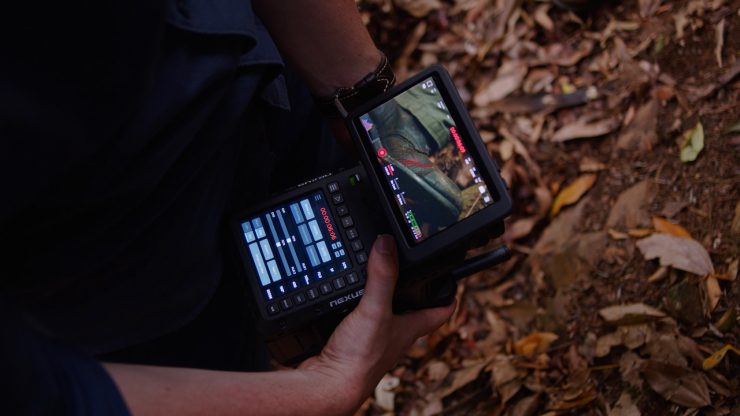
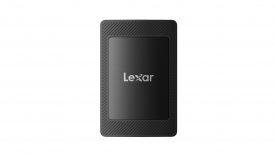
All footage was captured on the 1TB Nexus MaxDrive. It offers lots of space for low compression without the crazy high costs of normal high speed cards, and it is also faster. The processor and sensor cooling system have now been fully tested. In addition to field testing, they have stress tested the Nexus G1 in an environmental chamber at 57 °C / 134 °F – the highest temperature ever recorded on earth, in Death Valley, Nevada. The Nexus G1 filled the whole 1TB drive (recording for 1.5 hours straight), without overheating.
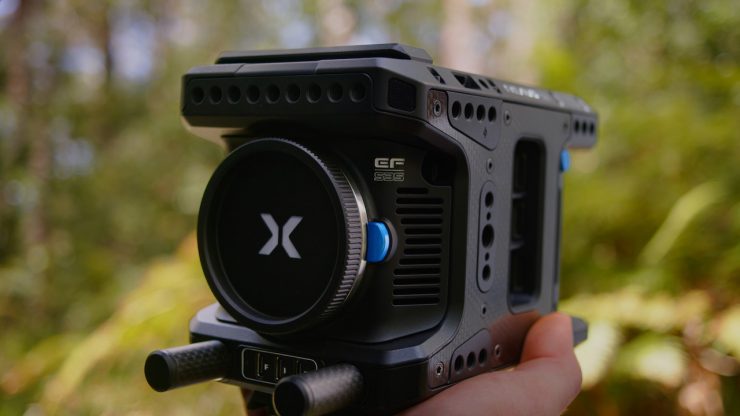
Nexus Camera has also invested far more time than planned into the optical system, especially optimizing the sensor stack height, a lesser-known but critical part of camera design that is often overlooked. In short, every lens ecosystem is designed around a specific stack height, and all optical elements in front of the sensor contribute to it. This is different from, but just as important as flange distance. Getting it right ensures the lens’s optical wavefront reaches the sensor as intended, maximising edge MTF and reducing chromatic and other aberrations.
They have conducted precision spectral analysis of multiple IR-filter materials and their E-ND element to meet stack-height requirements while achieving their target spectral response and effective IR suppression.
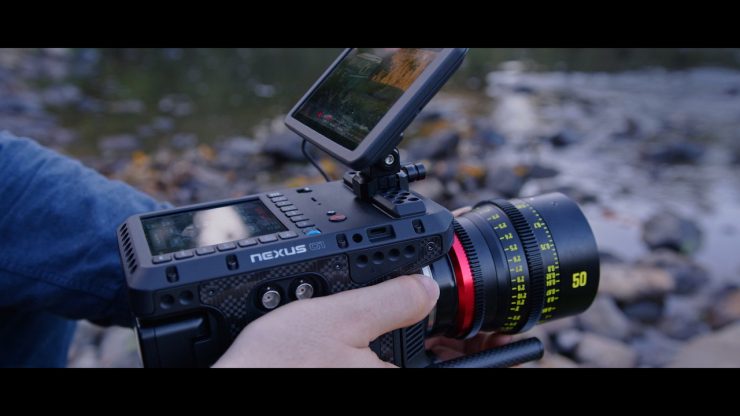
The body of the Nexus G1 is made almost entirely of radio-blocking materials (magnesium alloy and carbon fiber). This is great for general signal integrity, but makes implementing an internal wireless system very challenging. The company considered every possible solution, all kinds of internal antennas and external antennas. Each had compromises, but they didn’t want the range limitations of internal antennas, and they didn’t want fixed external antennas that get in the way. Ultimately, they decided to include both antenna options. By default, the Nexus uses dual high-gain dual band internal antennas mounted flush, and there are also two dedicated MMCX ports on the top of the camera so you can use full-sized dual-band external SMA or MMCX whip antennas for long-range camera control.
They have also designed and developed their own FF module, which makes the effective sensor size Full Frame, and is optically optimised to maximise image quality when used with the Nexus G1.
They have also started testing the Nexus on gimbals (starting with the DJI RS3 pro). You just take the Nexus straight from handheld, tripod, slider, or shoulder rig, and slide it right onto the gimbal and start shooting without needing to break down rigging or setting up a gimbal rig. And if you want to make it even lighter, you can even power your gimbal from the Nexus G1.
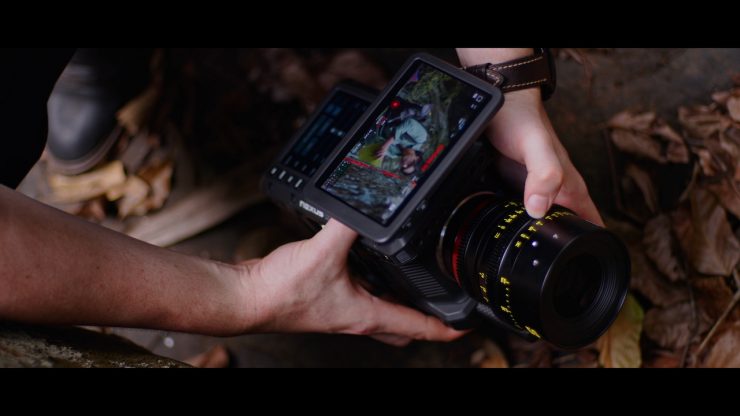
The first Nexus G1 units are now planned to be released in Q1 next year.