
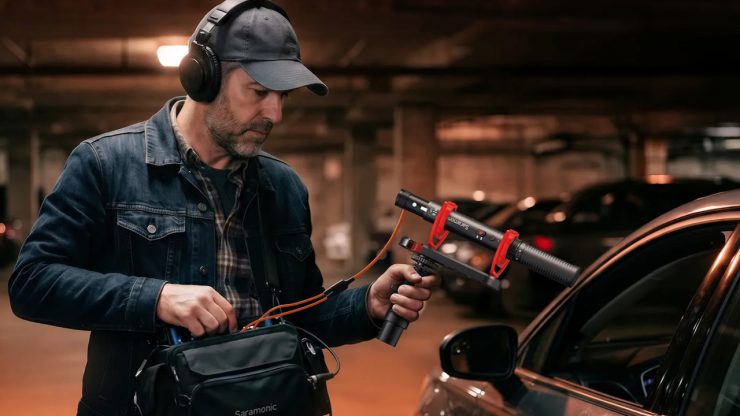
Saramonic has announced its new SG MS1 stereo shotgun microphone. Using the M-S configuration, it can simultaneously capture both the subject and ambient sound.
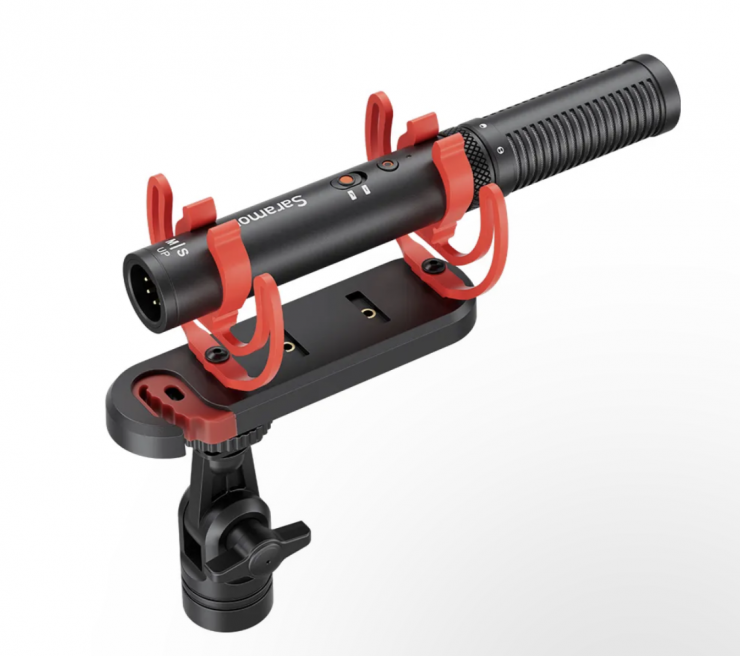
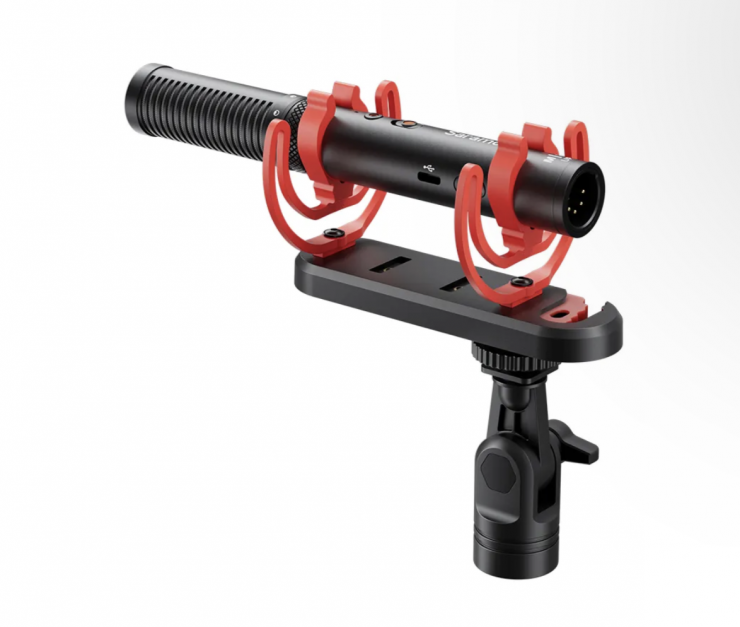
The microphone is being targeted at production sound technicians, sound engineers, sound recordists, vloggers, content creators, etc. The SG MS1 is not intended to replace any existing dedicated stereo arrays or location recording packages. It is designed as a practical M-S stereo tool for teams that require focus on the subject, ambient sound capture, and workflow flexibility, all in a single compact microphone.
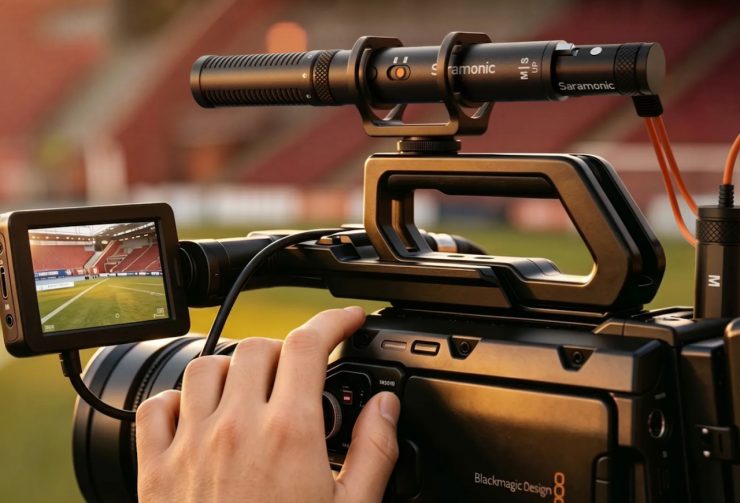
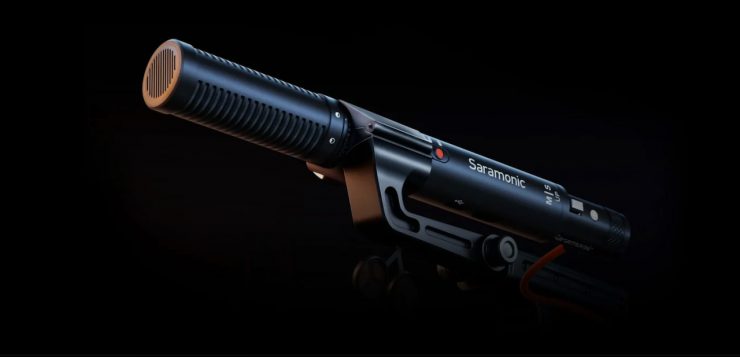
The microphone is 5.9″ / 14.98cm in length and weighs 3.2 oz / 90.72g. It features a durable all-metal construction and is built for daily field use, while its compact form factor is ideal for camera-mounted operation and lightweight recording setups.
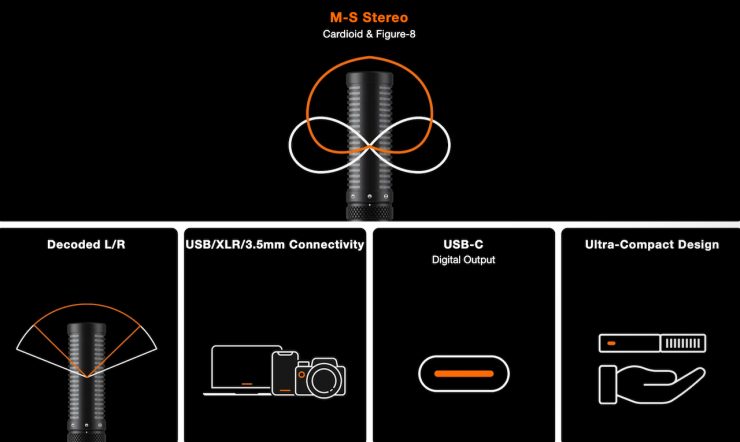
The SG MS1 utilizes the Mid-Side recording method. What this means is that the forward-facing mid capsule captures the central image, while the bi-directional side capsule captures ambient sound and spatial information from the sides. According to Saramonic, by combining these, it is possible to record the subject clearly while also maintaining the atmosphere of the location. The whole rationale behind this is so that small-sized crews or solo operators don’t need to choose between mono recording with a shotgun microphone aimed at a specific subject and then having to separately record stereo ambient sound. In theory, this sounds like a good idea, but in practise, it is always going to be a compromise.
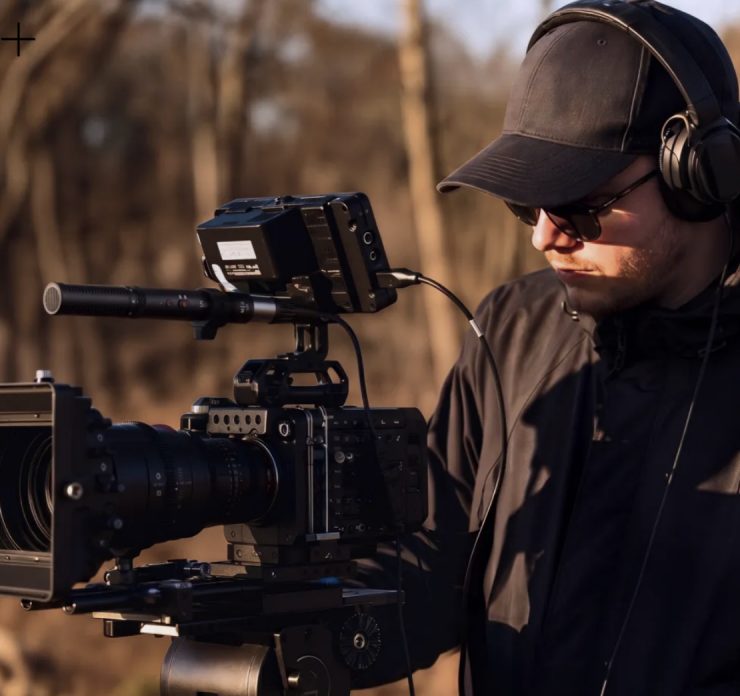
In many field recording situations, it is not only the central voice or point source that is required, but also the surrounding sounds. In documentary scenes, room tone and ambience to match the footage may be necessary, whilst in music and performance recordings, a natural stereo image is required without the need for additional set-up time.
The SG MS1 has been designed to meet these production needs. Using an M-S configuration, it records a focused Mid signal and a Side signal containing surrounding stereo information. This allows for immediate decision-making on set where speed is of the essence, whilst also providing detailed control in post-production should adjustments be required during the final sound design.
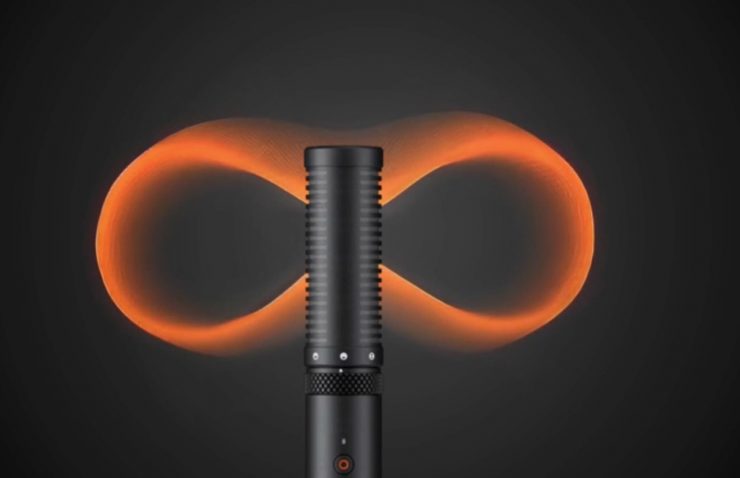
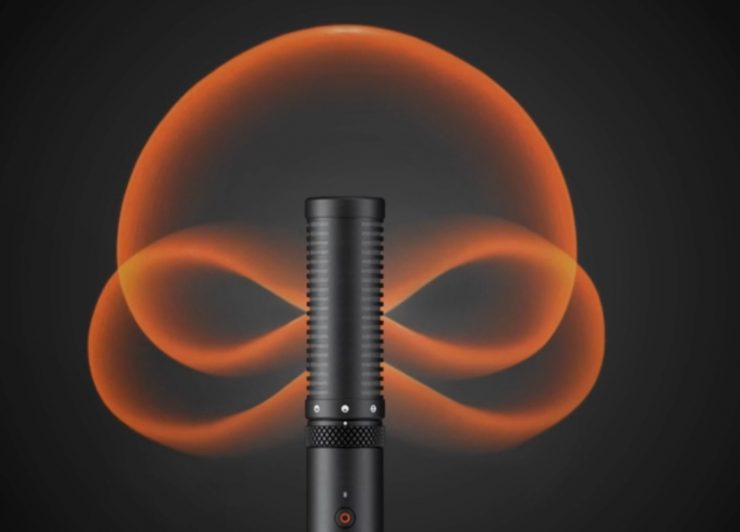
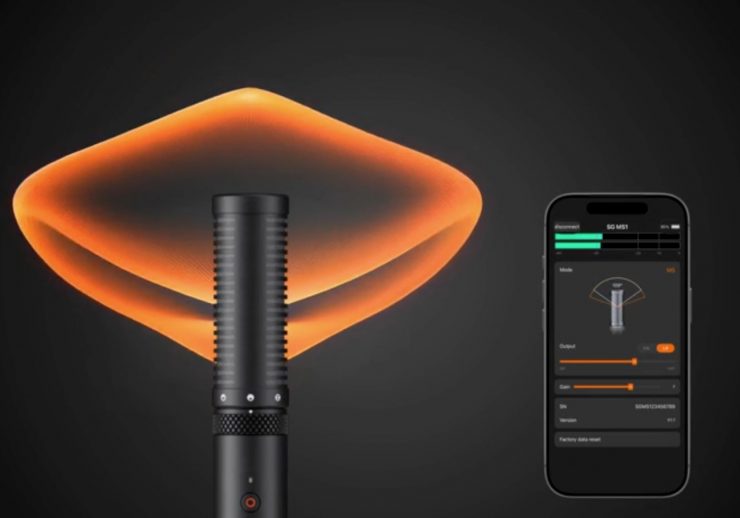
Users can choose from three output modes:
- Raw M-S: Outputs raw M/S signals using both the front and side capsules. Suitable for music, ambience and field recordings where maximum flexibility is required in post-production.
- M/S Mono: Depending on the application, you can select either unidirectional (cardioid) or bi-directional patterns for mono recording. Mono unidirectional is suitable for dialogue, vlogs and point-source recordings, whilst mono bidirectional is recommended for two-person interviews and the recording of sound effects.
- Decoded L/R: Converts mid-side audio into standard left and right stereo channels in real time. As the inputs are recorded separately, the stereo image can be fine-tuned during post-production, making this suitable for television production, news reporting, and broadcasting, etc.
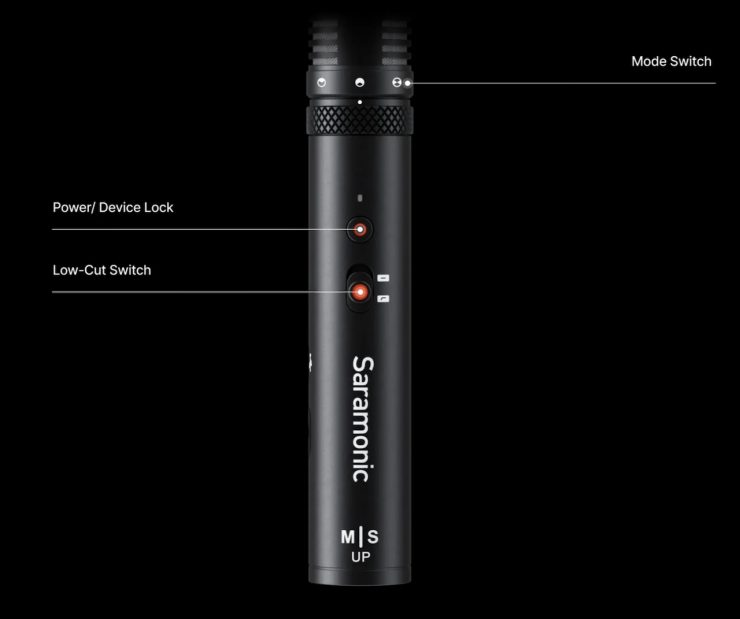
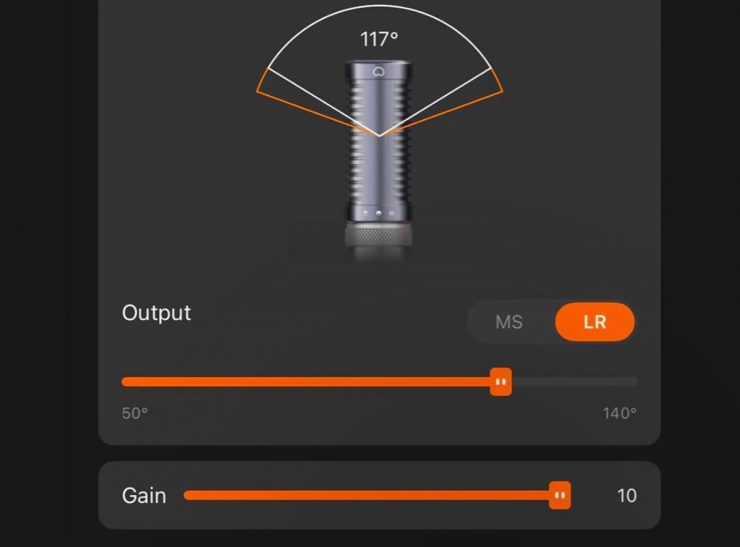
Stereo width, output mode, gain, and related settings can be managed via the Saramonic System app and the onboard controls.
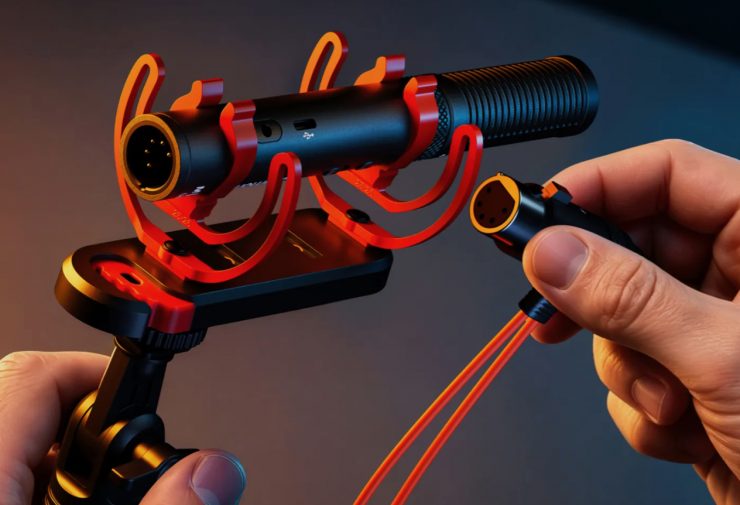
The microphone supports multiple connection and power options, including XLR, 3.5mm TRS, and USB-C.
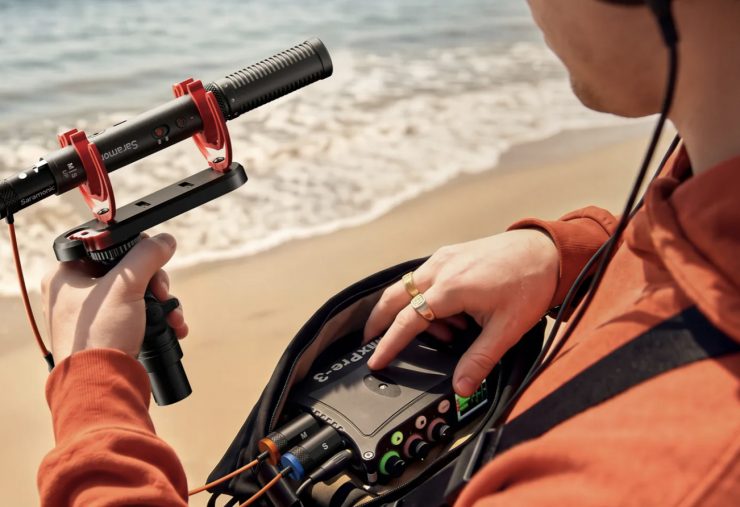
It also supports +48V phantom power, USB-C power delivery and a built-in rechargeable battery.
Pricing & Availability
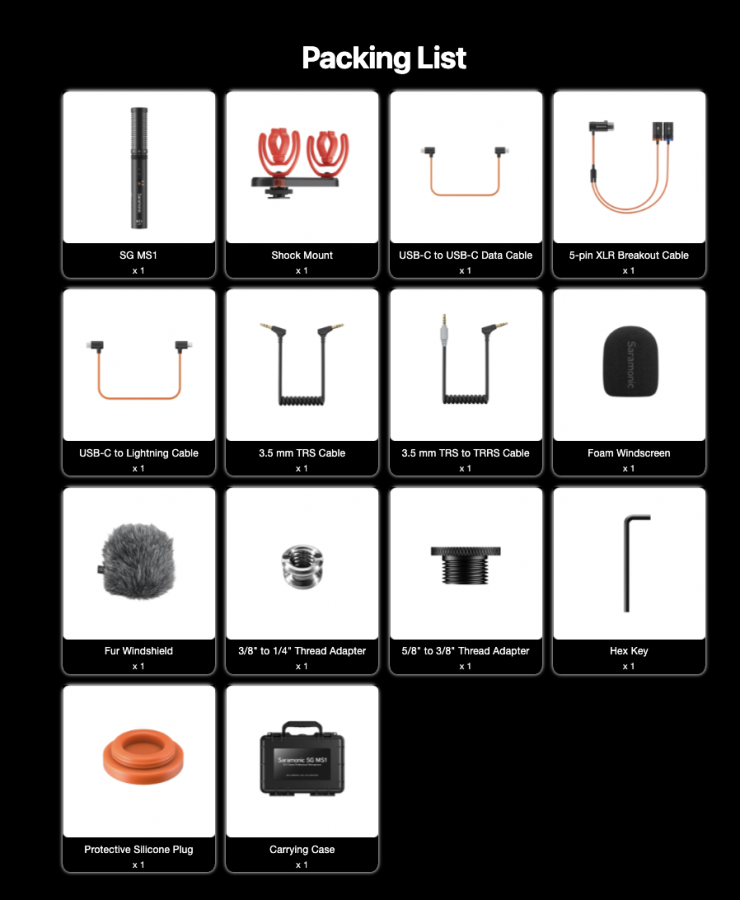
The Saramonic SG MS1 stereo shotgun microphone is now available for $350 USD.