
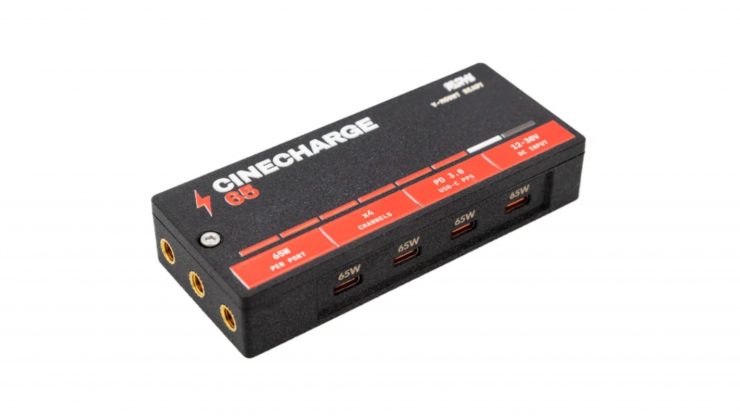
The 3D Film Parts CineCharge 65 is a slim USB-C PD power hub for one DC source. It provides you with four independent fast charging channels, running off the battery already on your cart.
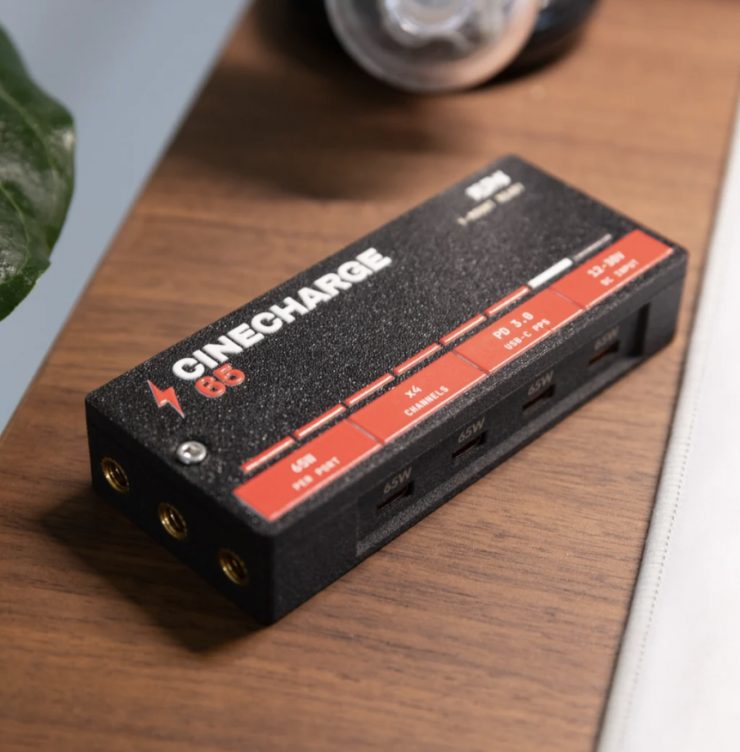
It features one 12- 30V input and four independent USB outputs at 65W per port. It can run a director’s monitor, a DIT laptop, follow focus and wireless, phones and comms, all off the battery already on the cart.
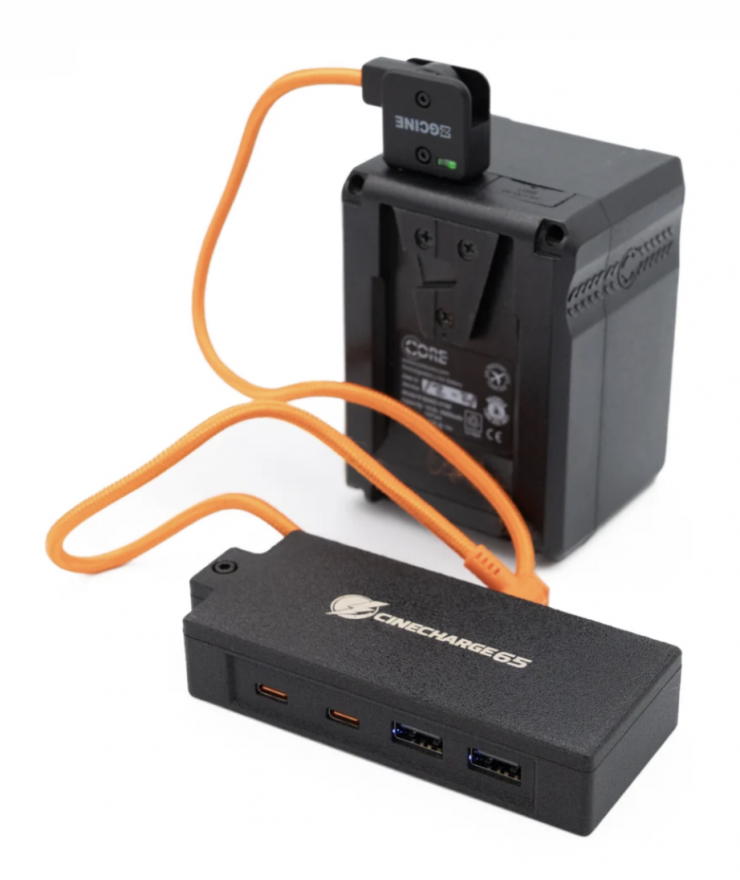
• 65W per port, four independent channels
• USB-C PD 3.0 with PPS 3.3-21V
• Quick Charge 3.0 on USB-A
• 12-30V DC in: V-mount, gold mount, block battery, cart rail
• 92-97% efficient
• 3 x1/4-20 threads, low profile, lightweight
Most USB chargers take one power supply and split it between their ports. The CineCharge 65 provides each of its four ports with its own regulated output channel, with its own inductor and filtering, so plugging in a fourth device does not quietly renegotiate the other three downward.
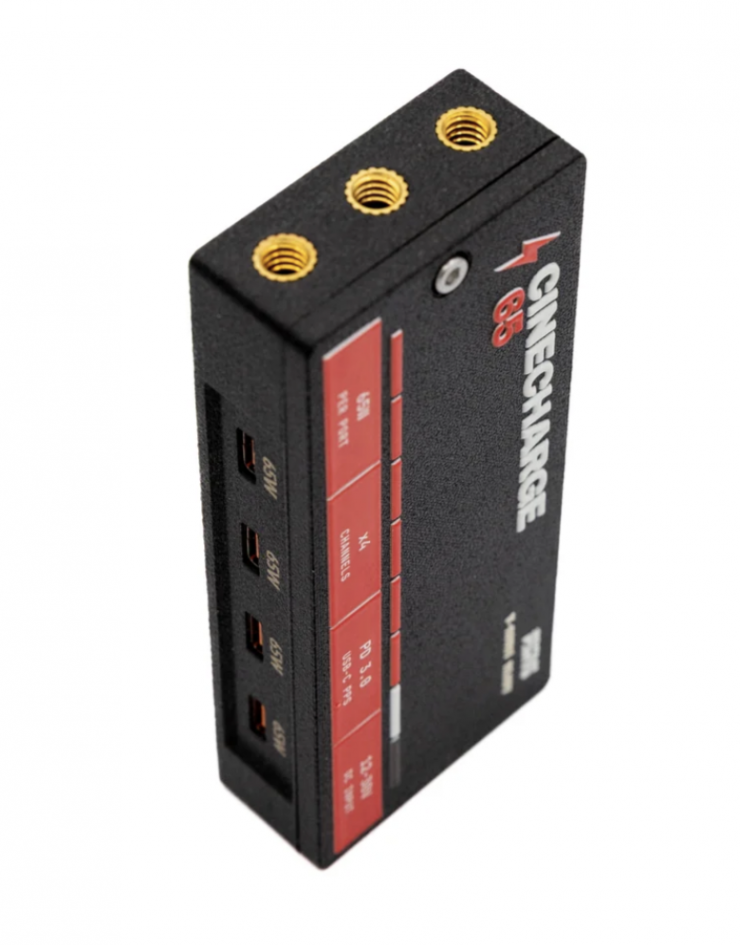
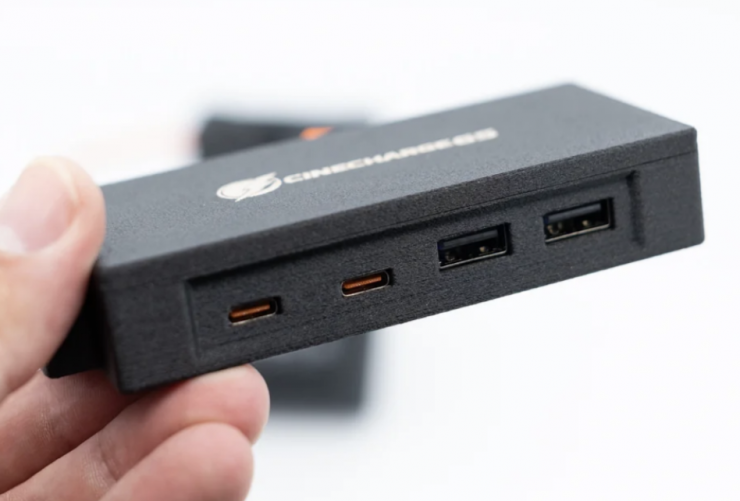
There are two versions you can choose from:
- 4 x USB-C
- 2 x USB-C, 2 x USB-A
Which version gives you what
- 4 x USB-C: four Type-C ports, up to 65W each
- 2 x USB-C, 2 x USB-A: two Type-C ports up to 65W, two USB-A ports up to 30W
If you are running laptops or USB-C powered cameras on more than two ports at once, take the 4 x USB-C version.
Every port negotiates its own profile for whatever you plug into it. The full set the hub can offer:
- 5V 3A, 9V 3A, 12V 3A, 15V 3A, 20V 3.25A
- PPS from 3.3 to 16V at 3.25A, and 3.3 to 21V at 3A
- PD3.0/2.0, QC3.0/2.0, FCP, AFC, MTK PE and Apple BC1.2
A lot of professional gear will refuse a power source outright if it cannot negotiate the exact profile it wants, and the number printed on the charger makes no difference.
- The Canon EOS R5 C wants a 9V 3A profile and will ignore a USB PD source that cannot offer it, even a 65W one. It is on the list above
- Sony’s FX3 and FX30 need at least 18W (9V 2A) before they will accept PD power. Covered
- A Blackmagic Pocket Cinema Camera 4K or 6K wants 12V 3A. Also on the list
Because all four channels negotiate independently, an R5 C can hold its 9V 3A on one port while the port beside it runs a laptop at 20V, and neither one drops when you fill the other two.
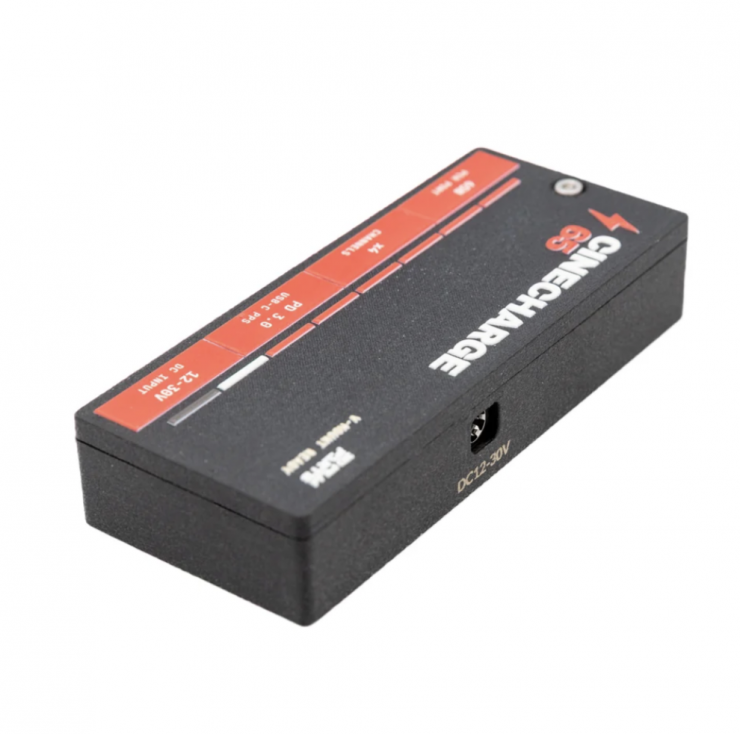
- Input: 12 to 30V DC
- Runs from V-Mount, Gold Mount and B-Mount systems
- Output tracks between 3.3V and 21V, negotiated per port
This is a step-down converter, so the input always has to sit above the output. The manufacturer is specific about it: 20V fast charging only triggers when the input is above 20V.
A standard V-mount is 14.4V nominal, which sits under that threshold for its whole discharge curve, so it can never reach the top profile. Feed the hub from a 24V source instead, either a B-Mount pack or a regulated 24V plate on the cart, and there is enough headroom for every port to reach full output at the same time.
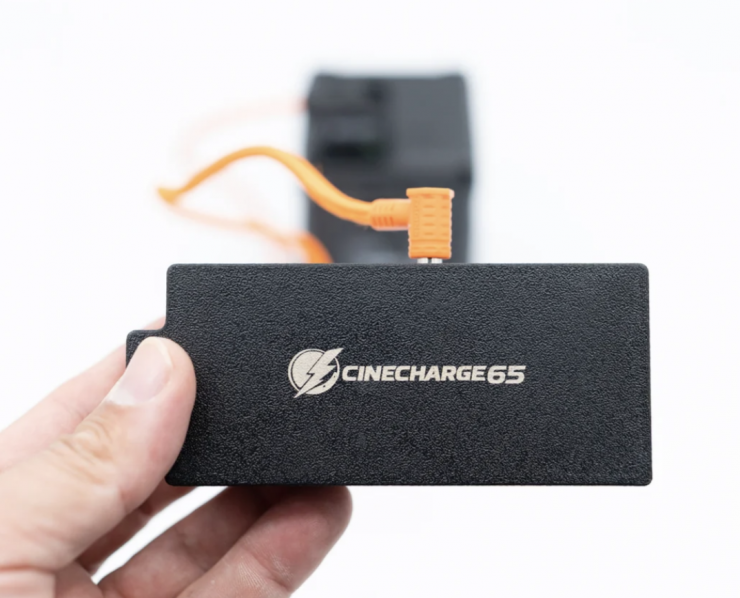
Four ports at 65W is the theoretical ceiling, and what you can pull through it at once depends on the supply feeding it. Here is a working cart running off a 24V source:
- Port 1, laptop: up to 65W. A 14-inch MacBook Pro runs and charges steadily, a 16-inch runs and trickle charges while you work it
- Port 2, Canon R5 C: holding its 9V 3A profile, drawing 10 to 11W while recording 8K
- Port 3, Sony FX3 as B camera: 18W
- Port 4, client iPad or comms: 20 to 30W
That is roughly 120W across all four, which after conversion losses is about 5A off a 24V pack. A 26V cine battery rated for 12A continuous is barely working. On a 240Wh pack that is close to two hours with everything running at once, and the limit is the watt-hours you brought to set, not the hub.
- 92 to 97% conversion efficiency
- Output ripple under 200mV
- No load current of 10mA, so leaving it wired to the cart overnight costs you almost nothing
- Ventilated enclosure and a thermal design meant for continuous running
Each of the four channels is separately regulated, with its own inductor and output filtering. The PD controllers carry the protections standard to this class of device: overcurrent, overvoltage, short circuit, and thermal limiting.
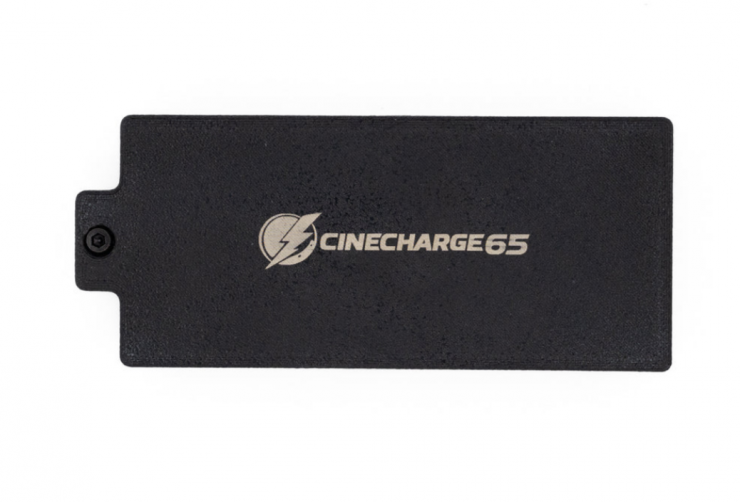
The 4 x USB-C version has been redesigned with three 1/4″-20 brass threaded inserts instead of one, so you can mount it flat, on edge or off a magic arm and still put the ports where you want them. Brass rather than moulded plastic, so the threads take repeated mounting.
The 2 x USB-C, 2 x USB-A version keeps its single 1/4″-20 mounting point.
- 118.44 mm x 50.1 mm x 23 mm
- Housing in glass-reinforced ABS
- Black
Mounts cleanly to camera cages, magic arms and DIT carts.
Pricing & Availability
The CineCharge 65W x 4 USB Power Hub is available for $57 USD.