
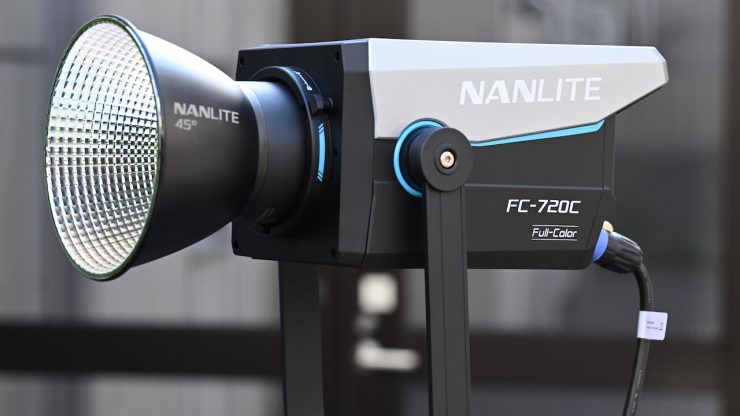
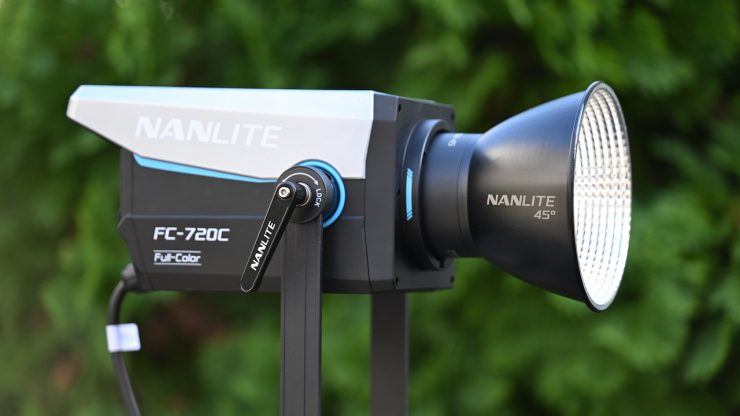
NANLITE recently announced its new FC-720B and FC-720C fixtures. As their name suggests, they are 750W bi-color (FC-720B) and full-color (FC-720C) spotlights.
They are claimed to produce excellent light quality and substantial output.
Both fixtures share the same design philosophy as other NANLITE FC series lights.
The FC-720B and FC-720C consist of a light head and a separate power supply. For this review, I will be looking at the FC-720C.
In recent years, we have seen lighting companies chasing high output, and while there is nothing wrong with that, ultimately, it’s the quality of the light that arguably matters the most. For a lot of owner/operators, lights in the 300-600W power draw range tend to be the sweetspot between size & weight, output, and power draw.
Key features
- LED full-color spotlight
- Delivers powerful output 11,400 lux (5600K) and 3,700 lux (green) @3m, with 45° reflector
- CCT range of 2,400K-12,000K with green/magenta ±150
- Excellent color rendition with CRI/TLCI average 95/94, TM-30 Rf/Rg average 92/100
- Five lighting modes: CCT, HSI, RGBW, Gel, and Effect
- 460 gels quickly achieve desired lighting mood
- 15 special effects with adjustable parameters
- Multiple control methods: on-board, NANLINK App, DMX/RDM, NFC Configuration
- Four fan modes: Smart, Full Speed, Low Speed, and Off
- Compatible with Bowens mount accessories and umbrellas
The NANLITE FC-720C looks to be in direct competition with more affordable full color point source lights, such as the Godox LITEMONS LA600R, amaran Ray 660c RGB LED Monolight, Aputure LS 600c Pro, and COLBOR CL600R, etc. Arguably, it isn’t in direct competition with more expensive offerings such as the NANLUX Evoke 600C, Aputure 700x, Kelvin Epos 600, and Profoto L600C, but I will still see how it compares to those fixtures.
Lights in this form factor are very popular because of their versatility. We have seen the market flooded by so many similar-featured spotlights over the last few years. However, what we are now starting to see is vastly superior light engines being used.
The FC-720C was designed as a mid to entry-level lighting fixture with easy-to-use controls. It looks to be an interesting light given its relatively low cost, small size, and feature set. So without further ado, let’s get on with the review.
RGBW LED Engine
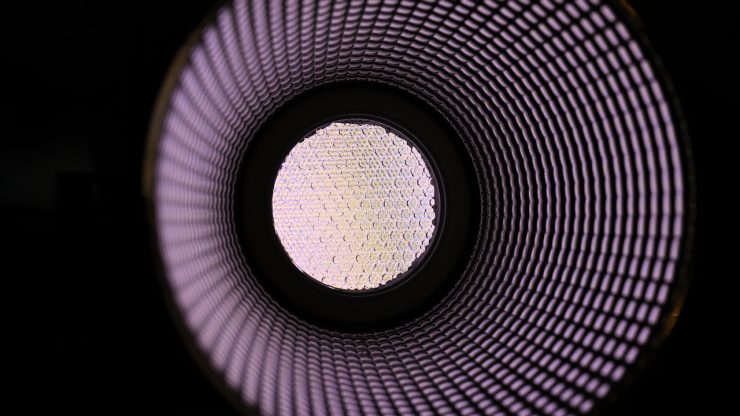
The NANLITE FC-720C doesn’t use the NANLUX C8 Full Color Light Engine that is found in the EVOKE 600C. NANLITE doesn’t publicly state anywhere what the light engine actually is that is being used in the FC-720C; however, I believe it is RGBW and not RGBWW or RGBACL.
We have seen everything from RGBW/RGBWW to 6-color systems (RGBLAC), to Aputure’s BLAIR CC, and NANLUX’s new C8 Full Color Light Engine, which is claimed to be the industry’s first eight-color light engine. There is also the Profoto triple-white (RGB WWW) LED engine.
While it would have been nice to see the FC-720C get the NEBULA C8 Full Color Light Engine, that would have arguably made the fixture more expensive and too similar to the EVOKE 600C.
Concept
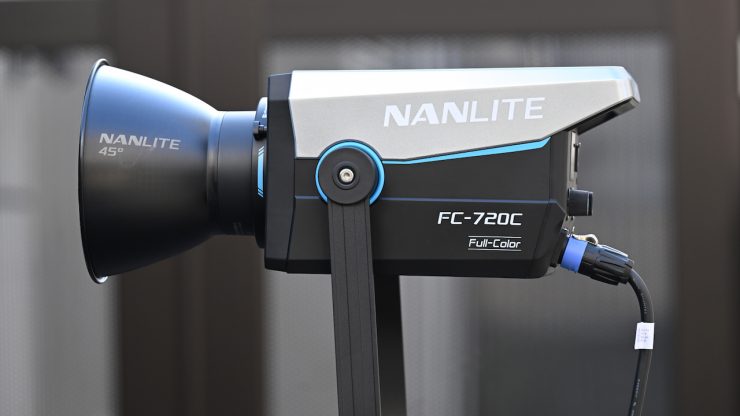
The concept behind the FC-720C was to make a very flexible, fully-featured lighting source that won’t empty someone’s wallet. The only problem with this concept is that so many lighting companies are doing the exact same thing that it is hard to make your product stand out.
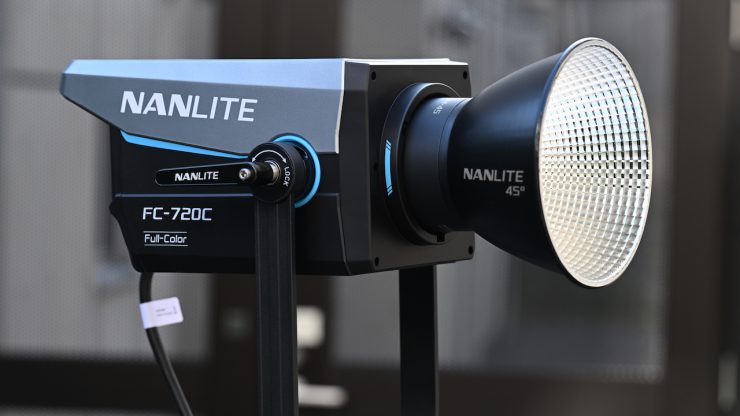
The FC-720C, just like the FC-720B, FC-500C, FC-300B, and FC-500B, sports a blue decorative frame and a wing-shaped top housing. According to NANLITE, the quality of the FC-720C is on par with other FC fixtures.
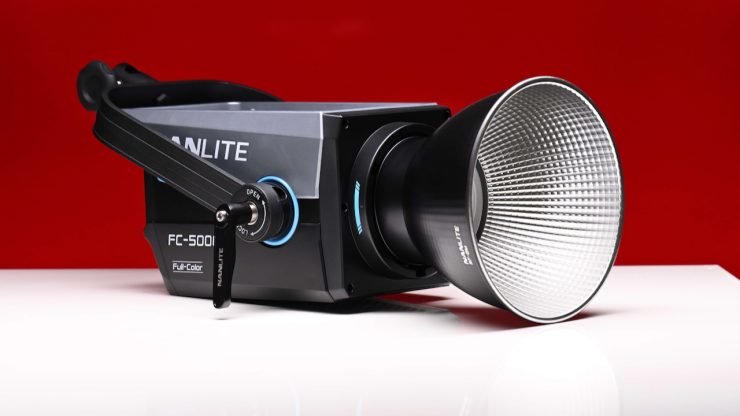
FC-500C 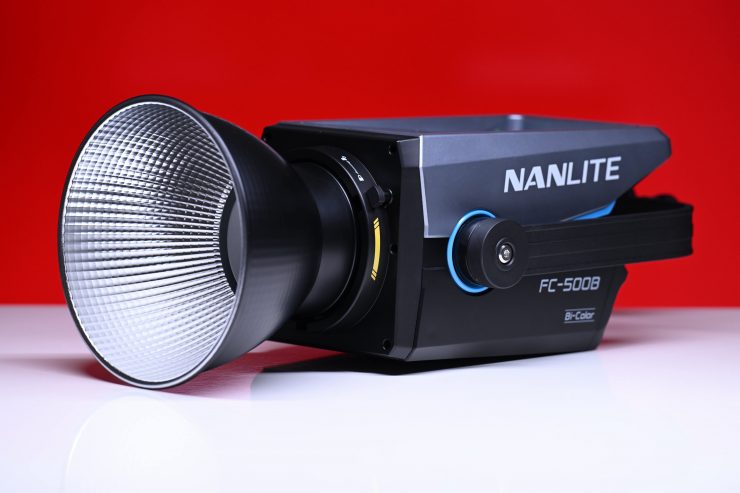
FC-500B
The FC-720C looks very similar to the FC-500C and FC-500B.
What do you get?
- Nanlite FC720C RGB LED Spotlight
- Reflector
- Power Supply
- DC Connection Cable (9.8′)
- AC Power Cable (19.6′)
- Quick Release Clamp
- Carry Case
- Limited 2-Year Manufacturer Warranty
Registration Extension: 1-Year
Build Quality & Design
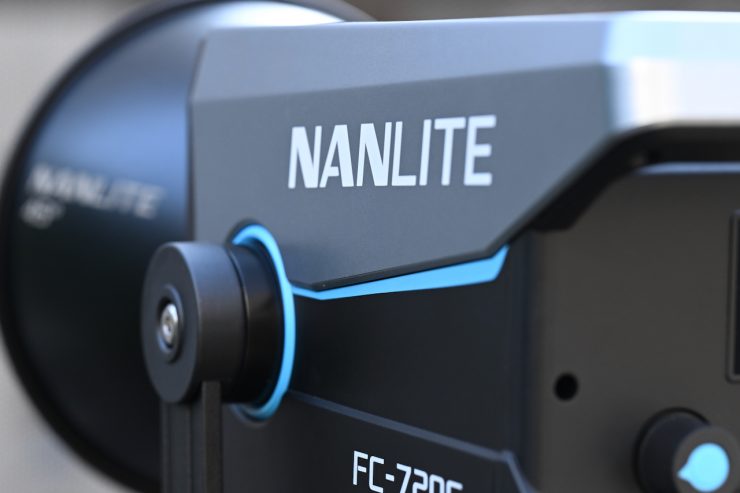
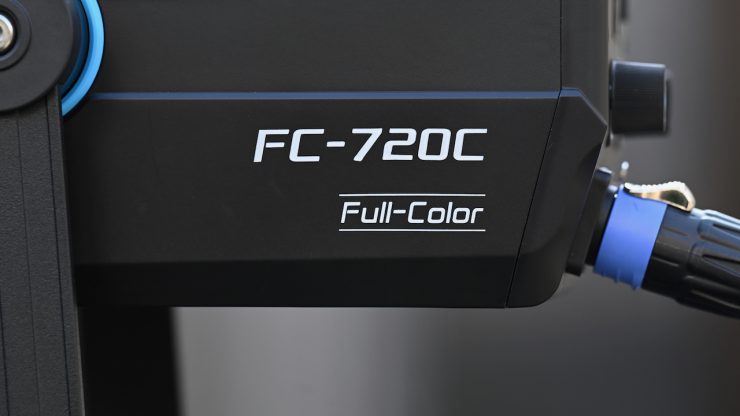
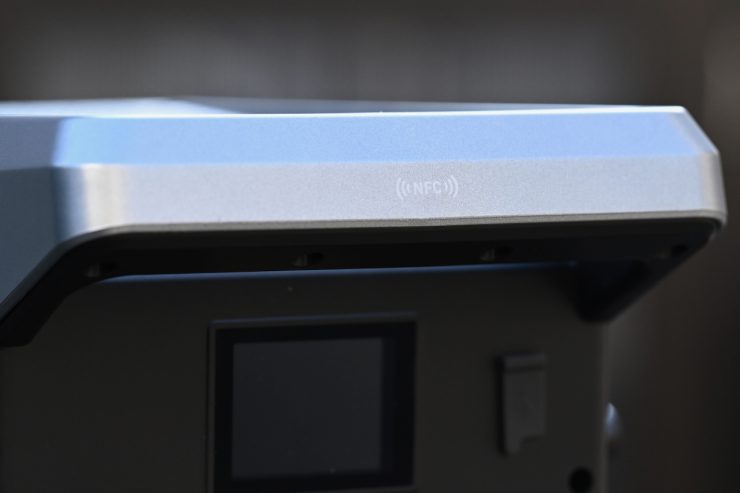
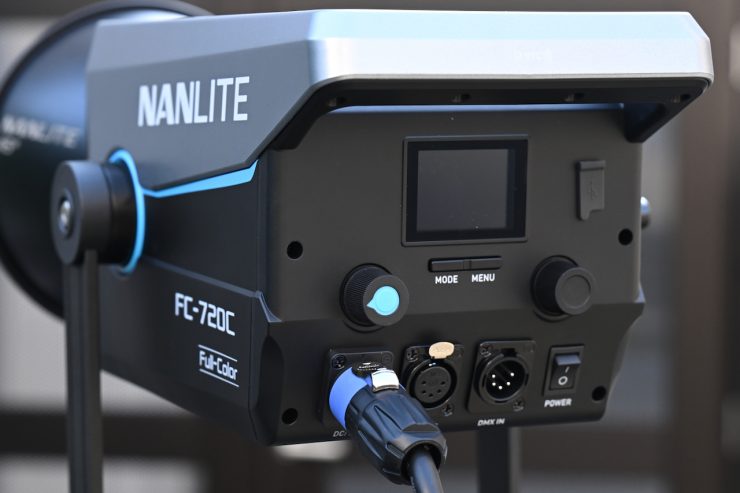
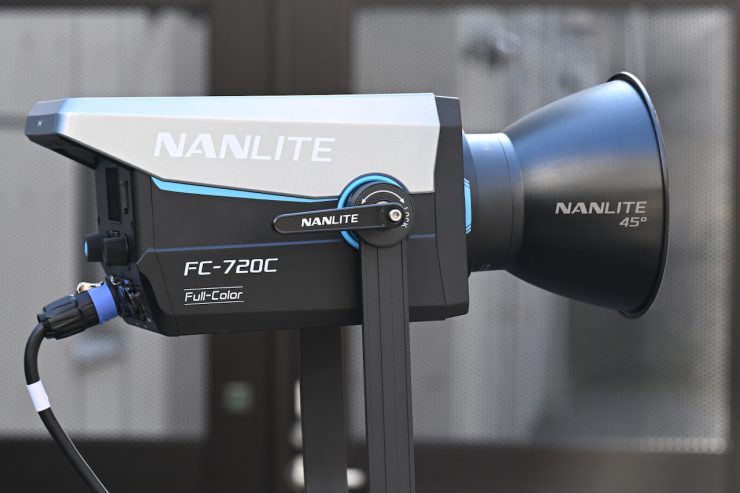
Despite being lightweight and affordable, the FC-720C is decently made and constructed. While it isn’t nearly as robust as the EVOKE 600C, I think its target audience will be happy enough with the overall build quality.
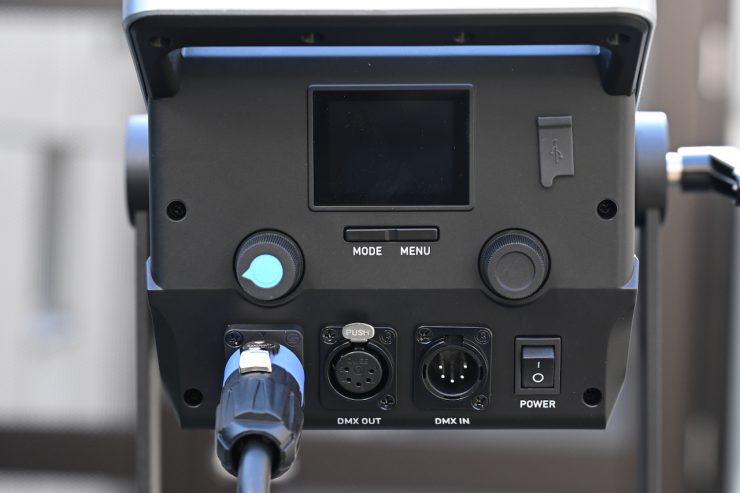
The power on/off button and the rest of the dials and buttons, at least in my opinion, could be a little better, but that is understandable given the low price point. The only small complaint I have is that they are a little noisy when you press them. They are identical to what you find on the FC-500C, FS-300B, FS-500B, etc.
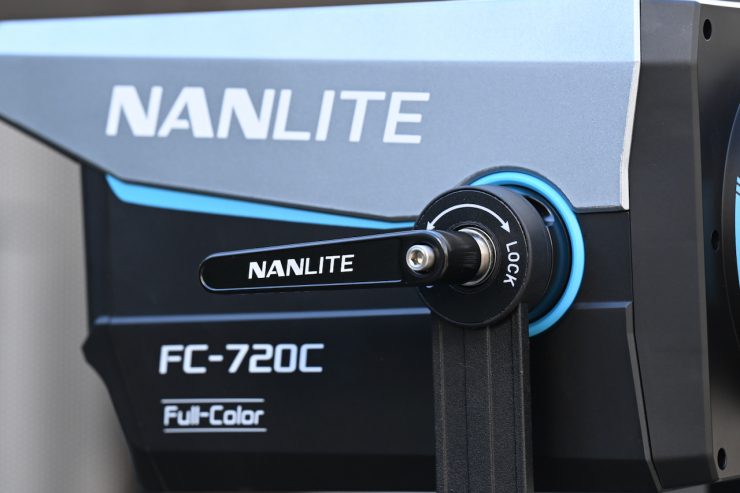
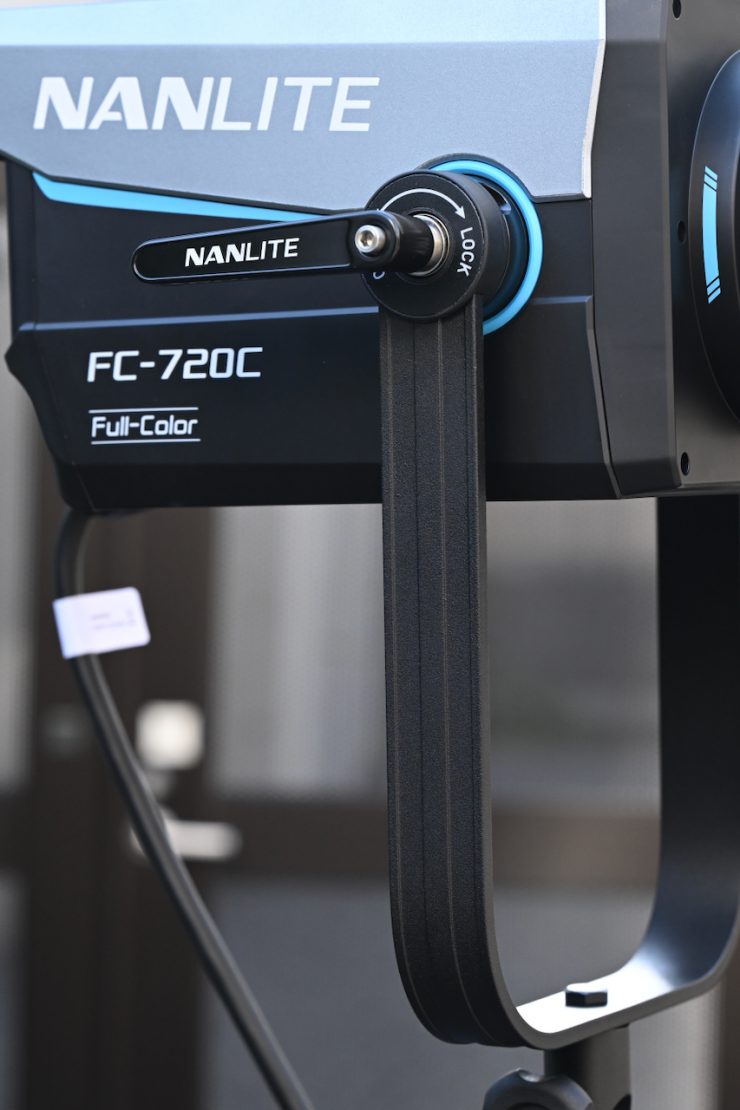
The yoke frame locks down securely when tightened, and the lever that you use to do that is robustly made.
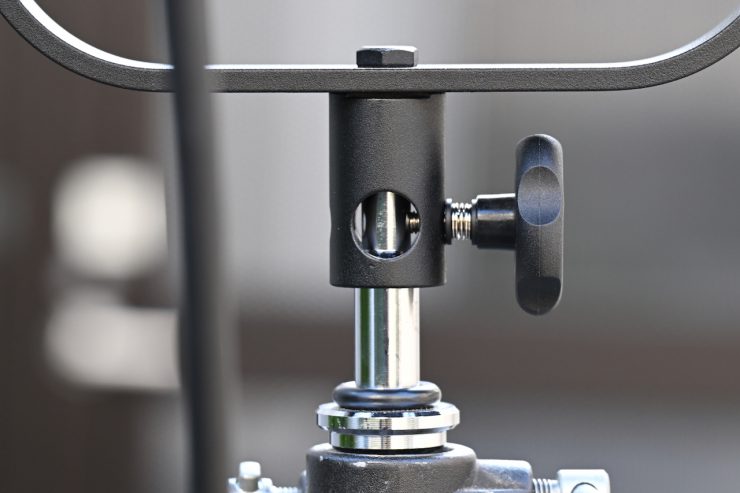
The locking mechanism for attaching the yoke frame to a light stand works well.
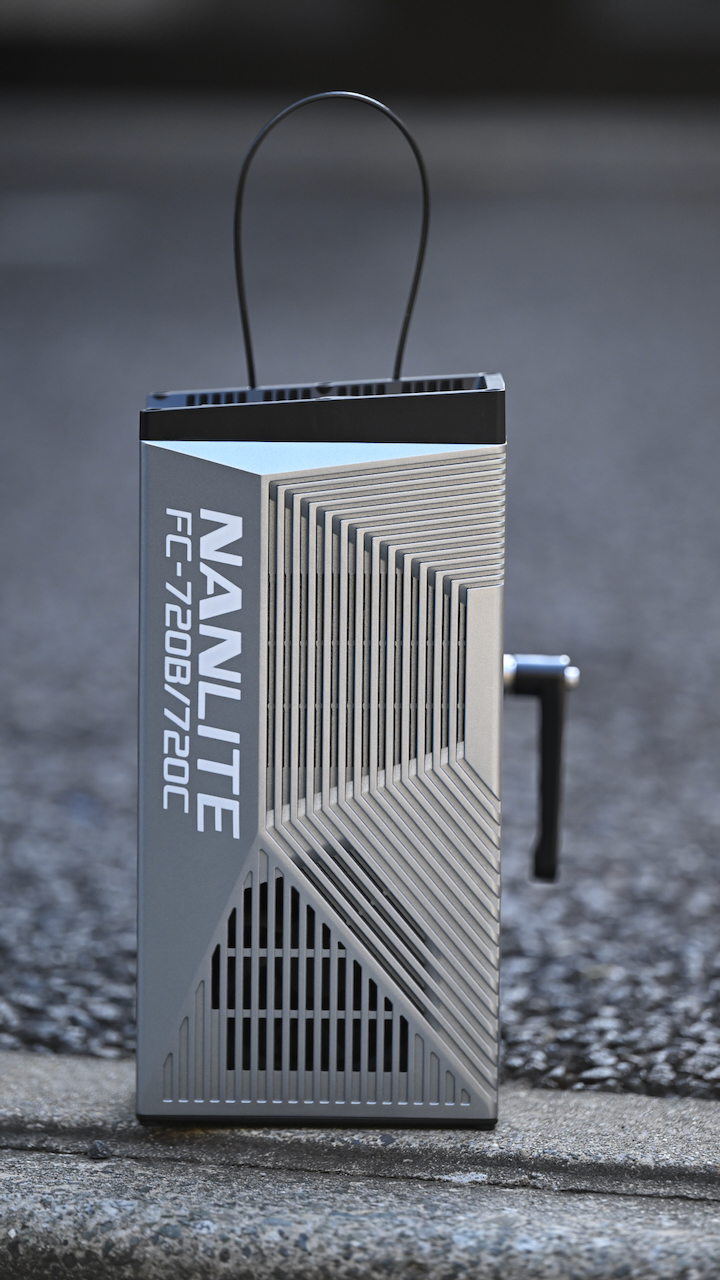
The separate power supply is solidly constructed and well-made.
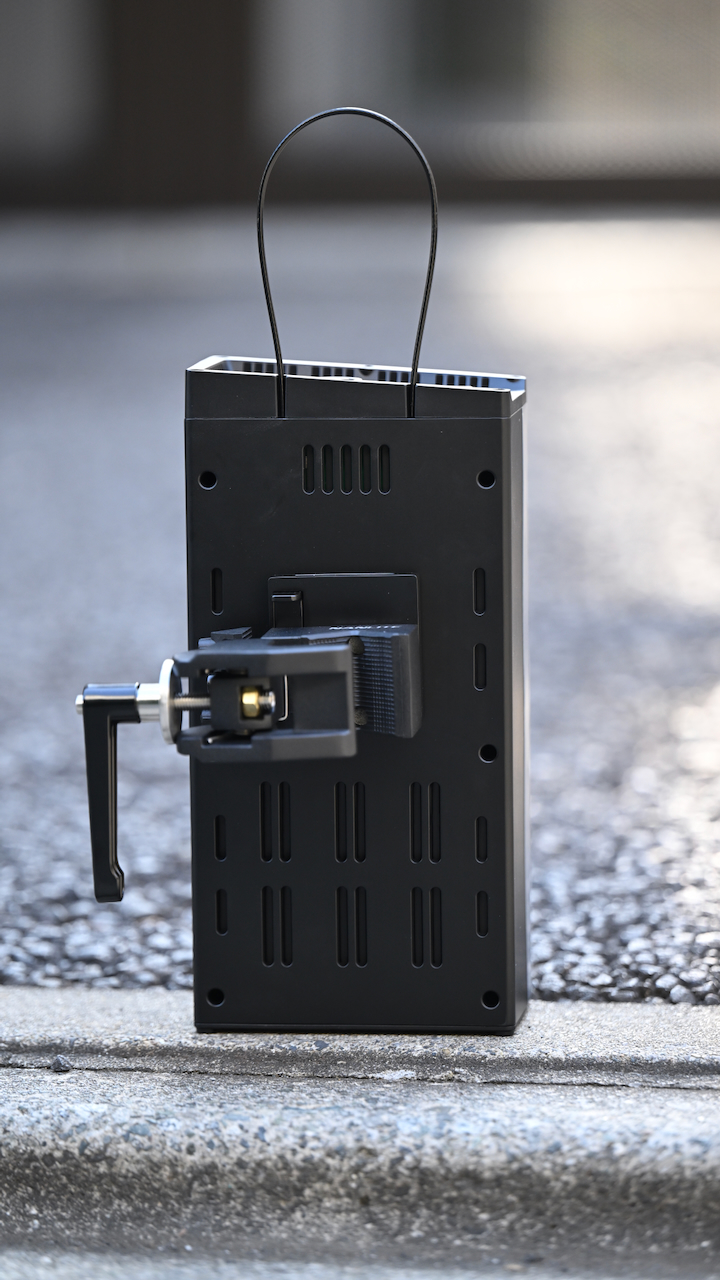
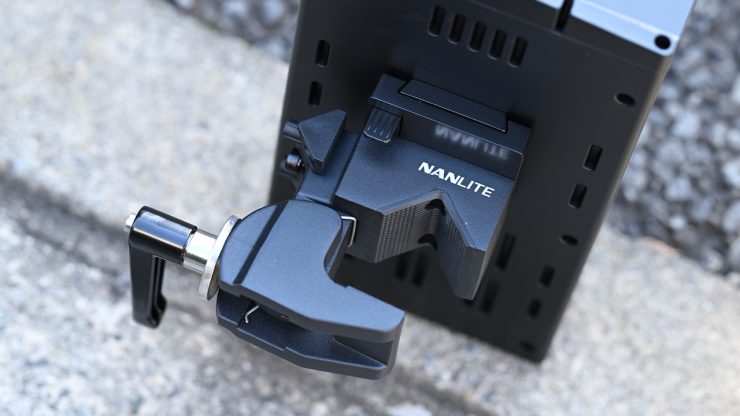
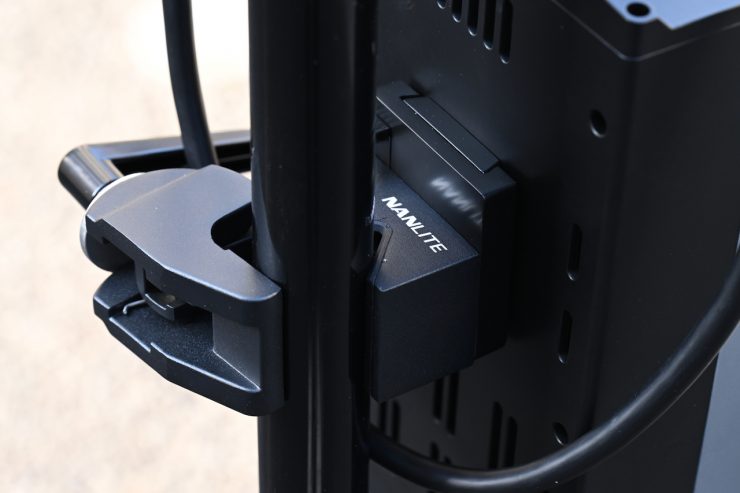
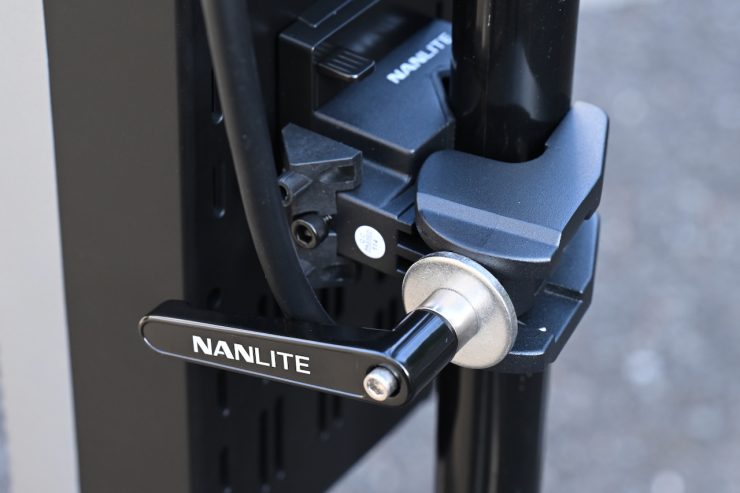
The light comes with a Quick Release Clamp so you can mount the power supply to a lightstand. There is also a lanyard that you can use to attach to a light stand.
The light comes with a limited 2 Year Warranty, which can be extended to 3 years by registering online.
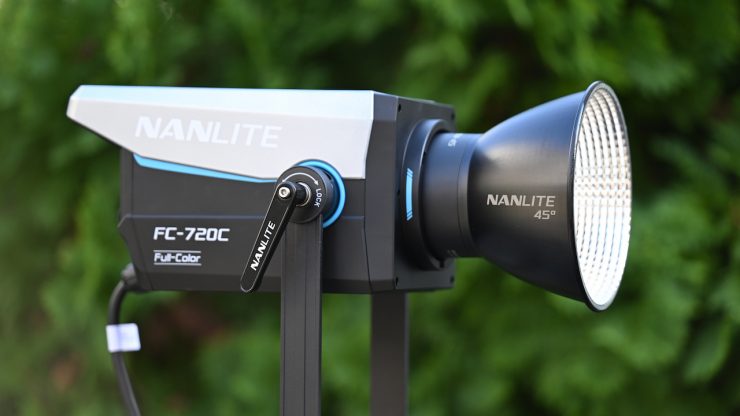
The FC-720C wasn’t designed to be used in inclement weather, and it doesn’t have an IP66 rating like the NANLUX Evoke 600C.
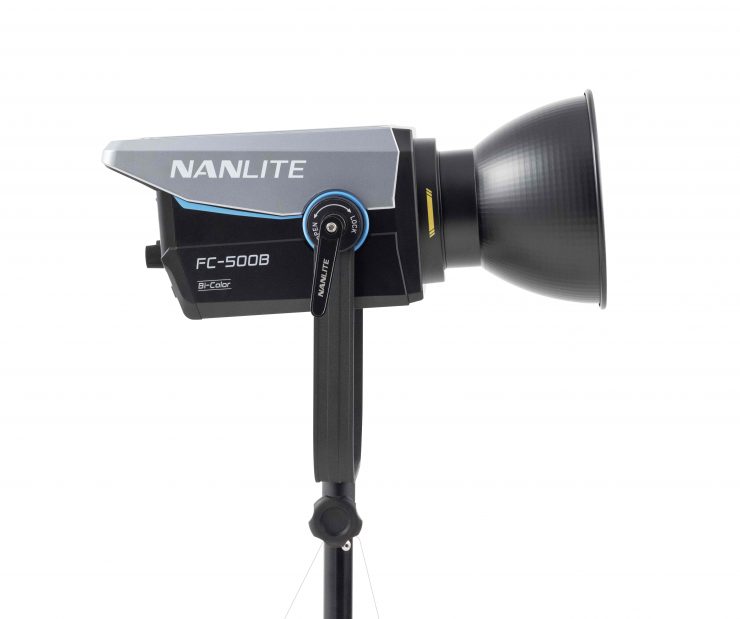
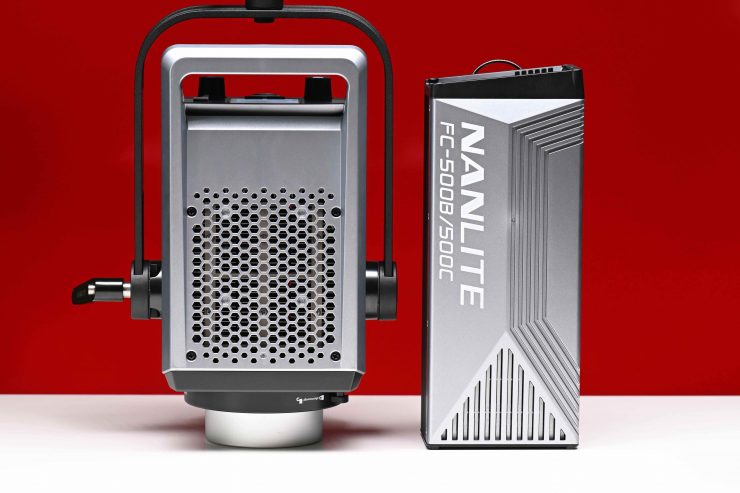
Nanlite FC-500B 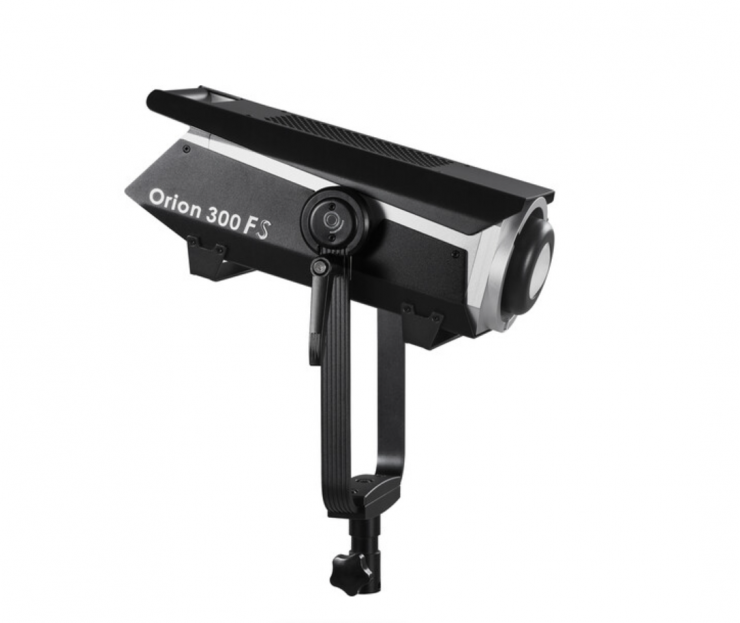
Prolycht Orion 300 FS
The design, at least in my opinion, isn’t a massive departure from other NANLITE spotlights, and the FC-720C, just like the FC-500C, FC-300B, and FC-500B, looks a little similar to the now-discontinued Prolycht Orion 300 FS.
FC-500C 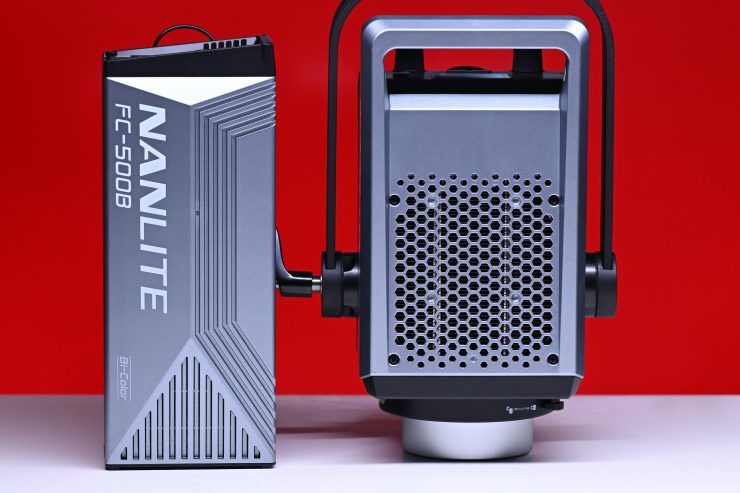
FC-500B
The power supply for the FC-720C is very similar to the power supply unit that comes with the FC-500C/FC-500B.
COB
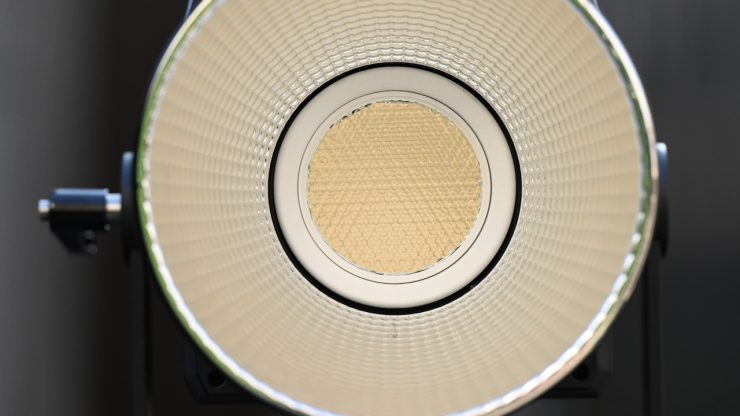
Quite a few LED lights on the market, including the FC-720C, are using COB technology. COB stands for “Chip On Board,” where multiple LED chips are packaged together as one lighting module. The advantage of COB LEDs being multi-chip packaged is that the light-emitting area of a COB LED can contain many times more light sources in the same area that standard LEDs could occupy. This results in a greatly increased lumen output per square inch. The caveat with COB LEDs is that they produce a ton of heat, and that heat needs to be effectively dispersed. In a lot of situations, you also need to diffuse them as they are very bright to look at and unsuitable for directly lighting talent.
Weight & Size
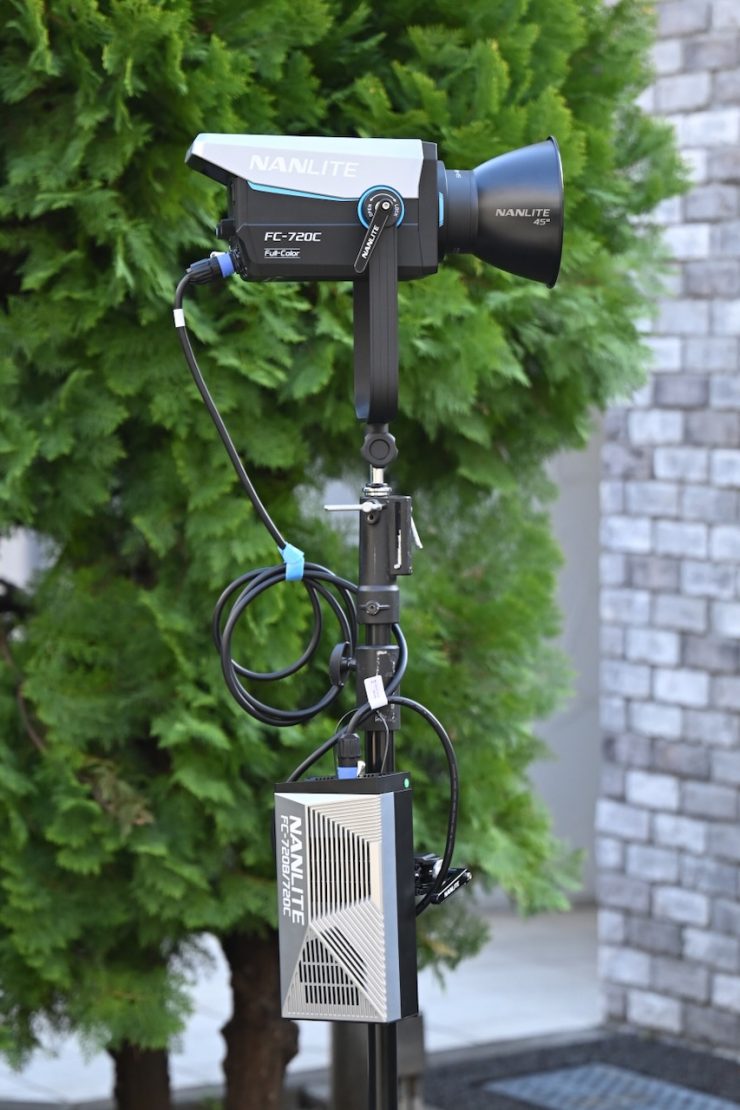
The NANLITE FC-720C is reasonably compact, but it does have quite a large power supply.
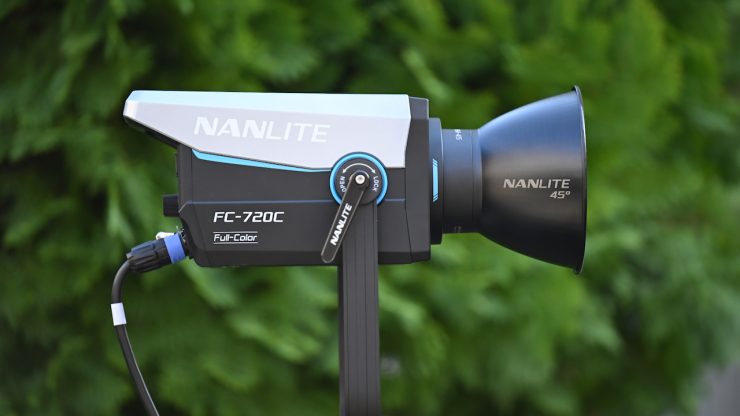
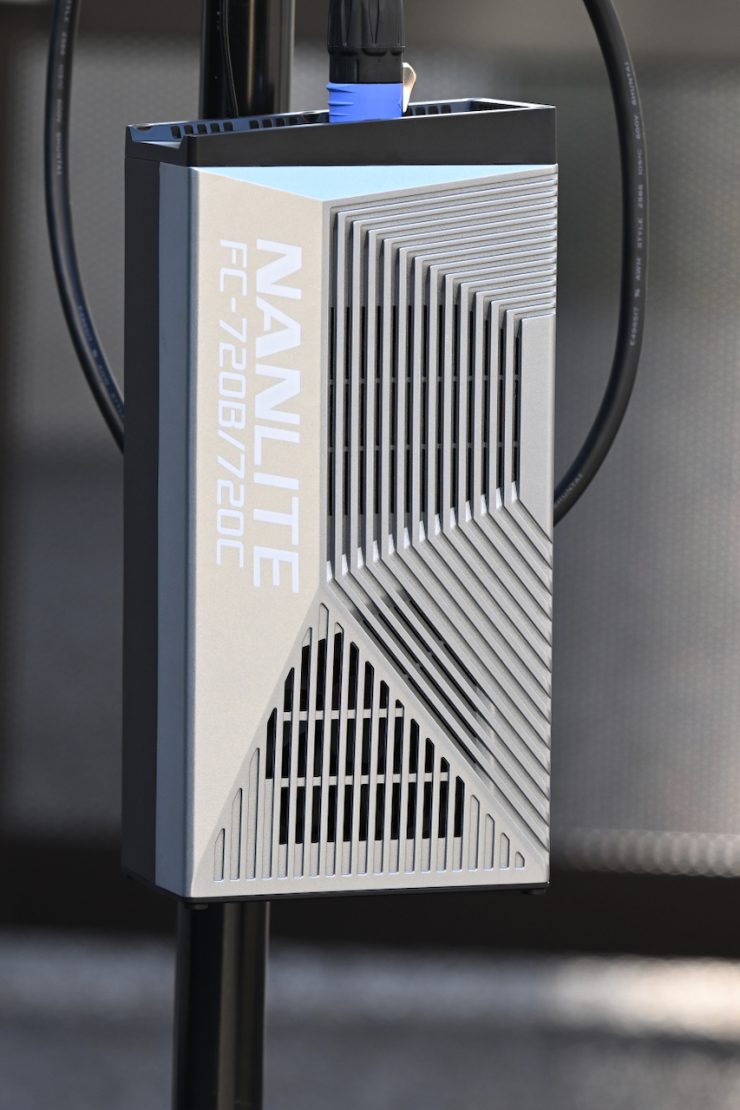
It weighs in at 4.4 kg / 9.7 lb; however, you also need to factor in the weight of the power supply, which is 2.12 kg / 4.67 lb.
So, how does this weight compare to some other similar fixtures?
| | TOTAL WEIGHT |
| NANLITE FC-720C | 6.52 kg / 14.37 lb |
| amaran Ray 660c | 5.7 kg / 12.57 lb |
| Profoto L600C | 6.1 kg / 13.5 lb |
| NANLUX Evoke 600C | 7.26 kg / 16.01 lb |
| Aputure STORM 700x | 9.25 kg / 20.39 lb |
| Kelvin Epos 600 | 12.18 kg / 26.85 lb |
| Prolycht Orion 675 FS | 12 kg / 26 lb |
| Aputure LS 600c Pro II | 11.3 kg / 24.9 lb |
| Aputure STORM 400X | 6.95 kg / 15.31 lb |
| ARRI Orbiter | 11.7 kg* / 25.8 lbs |
| Aputure LS 600x Pro | 10.05 kg / 22.15 lb |
| Nanlite Forza 720B | 9.5 kg / 20.94 lb |
| Nanlite FC500C | 6.14 kg / 13.53 lb |
| Godox LITEMONS LA600R | 5.1 kg / 11.2 lb |
| COLBOR CL600R | 8.2 kg / 17.8 lb |
| Falcon Eyes S600CPro | 9.95 kg / 21.71 lb |
| HIVE LIGHTING Super Hornet 575-C | 6.12 kg / 13.5 lb |
* Doesn’t include the weight of the yoke frame
The weight of the NANLITE FC-720C is 820g heavier than that of the competing amaran Ray 660c.
If you are travelling a lot, every kg or pound you can save helps, especially if you are flying.
Power Draw
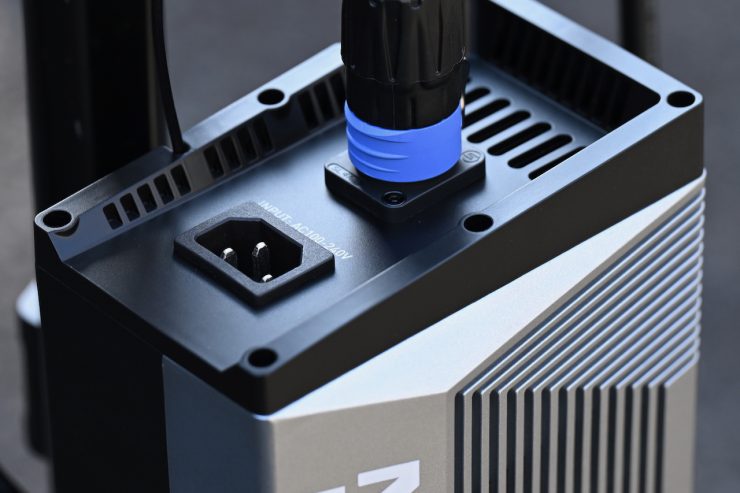
The light draws a maximum of 750W.
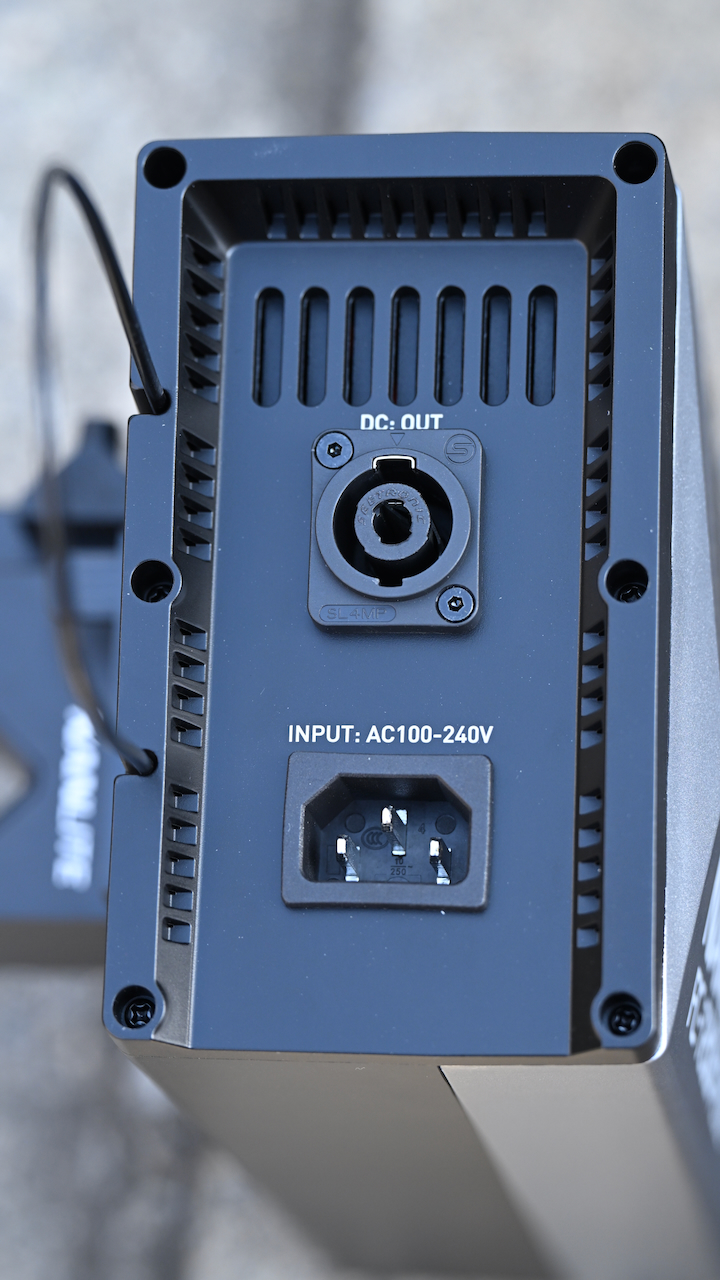
So, how does the power draw compare to other competing fixtures? Below you can see.
| NANLITE FC-720C | 750W |
| amaran Ray 660c | 750W |
| Profoto L600C | 690W |
| NANLUX Evoke 600C | 600W |
| Aputure STORM 700x | 850W |
| Kelvin Epos 600 | 600W (nominal) 720W (rated) |
| Prolycht Orion 675 FS | 675W |
| Aputure LS 600c Pro II | 720W |
| Aputure STORM 400X | 500W |
| ARRI Orbiter | 500W |
| Aputure LS 600x Pro | 720W |
| Aputure LS 600d Pro | 720W |
| NANLITE Forza 720B | 800W |
| NANLITE FC-500C | 500W |
| Falcon Eyes S600CPro | 600W |
| Godox LITEMONS LA600R | 600W |
| COLBOR CL600R | 600W |
| HIVE LIGHTING Super Hornet 575-C | 600W |
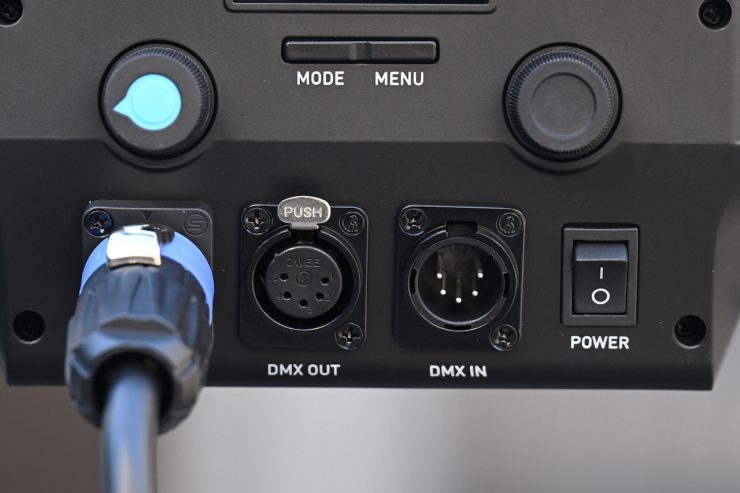
Up until the release of the FC-500C, NANLITE didn’t give you many options when it comes to powering FC fixtures. There didn’t used to be any way of running it via a camera battery like you could from so many competing fixtures. The only way you could run the fixtures remotely was via the 48V DC PowerCon input.
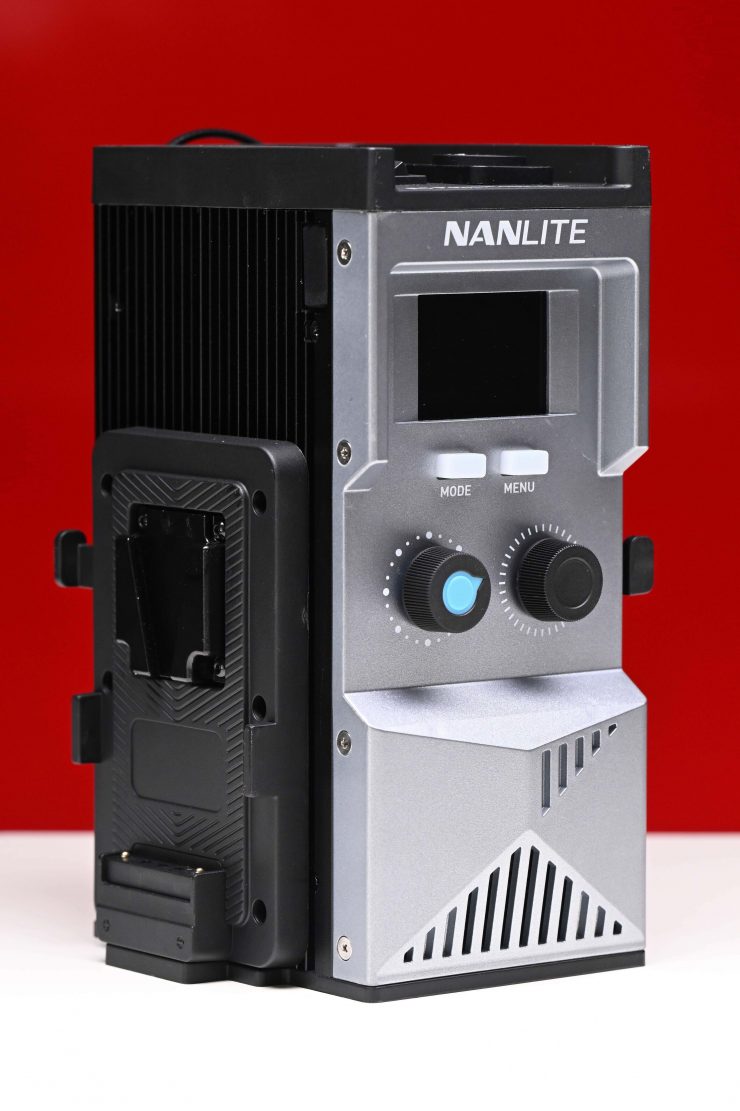
NANLITE does have the optional FC PowerController that allows you to use V-mount batteries to power FC series lights remotely in the field, but to my knowledge, it doesn’t work with the new FC-720C.
How does it stay cool?
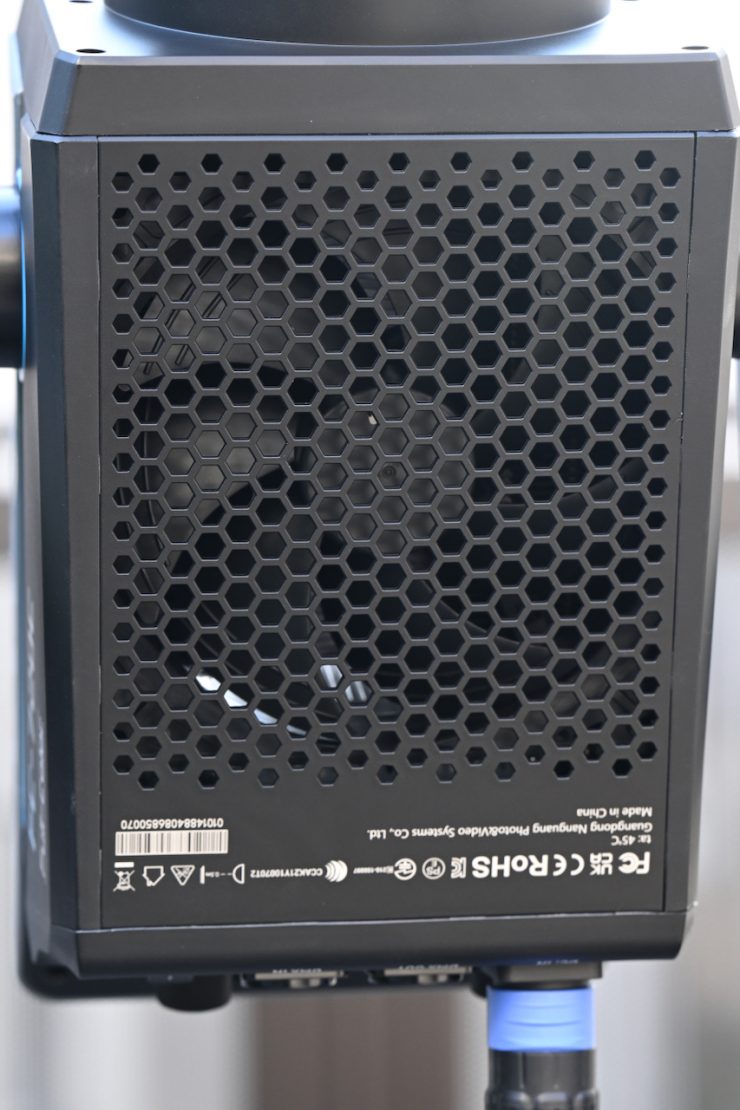
Large, high-powered COB lights get very hot, and keeping them cool is not an easy task. Using fans is the best solution, but the caveat with fans is that they can create noise.
COB lights get very hot, and keeping them cool is not an easy task. The FC-720C does utilize a fan.
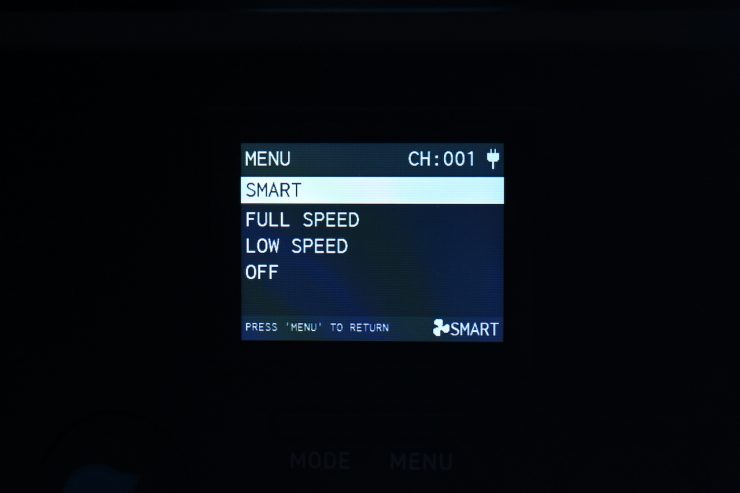
In the menu settings for the FC-720C, you have the choice of setting the fan to the following modes:
- SMART
- FULL
- LOW
- OFF
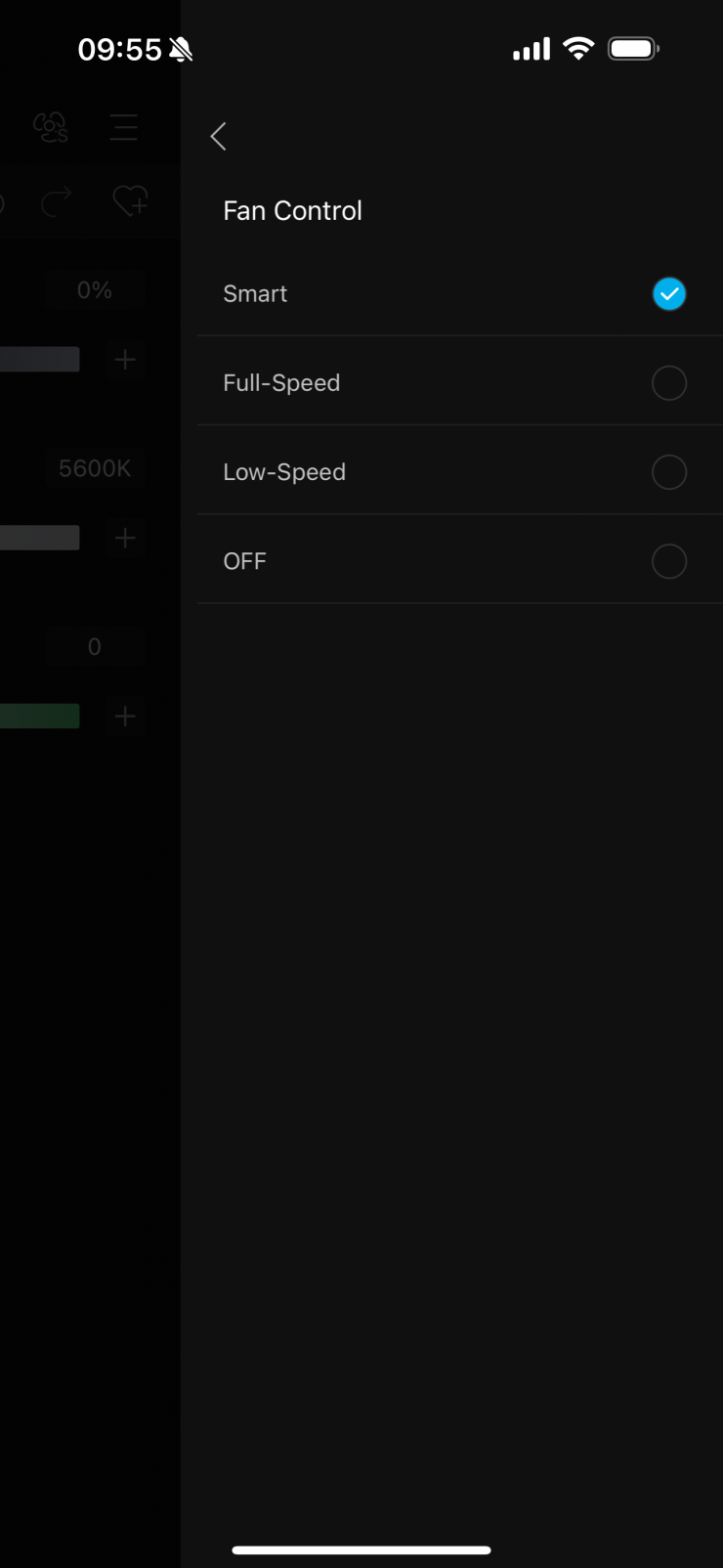
You can also change the fan settings using the NANLINK app. The trouble when doing this with the app is that the intensity slider will still show 100% even if you change the fan setting to a mode where 100% isn’t possible.
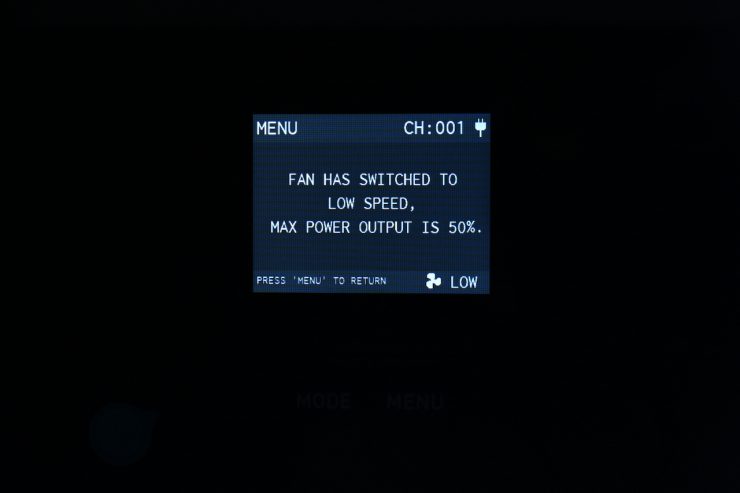
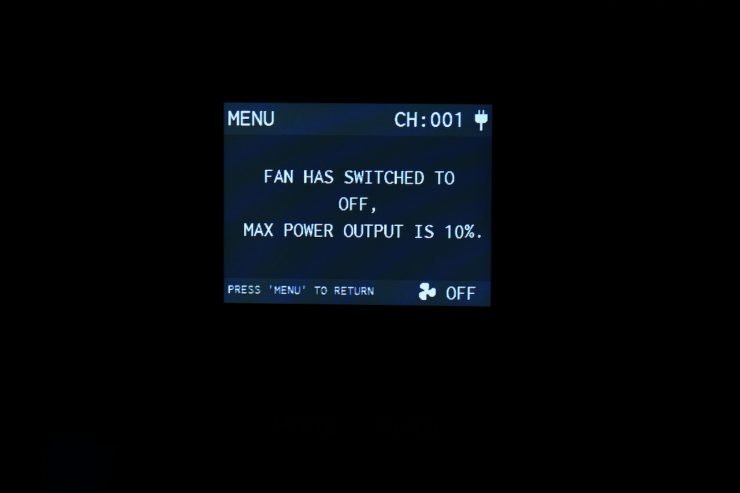
On the fixture, you will get a clear warning about the output restrictions when selecting various fan modes.
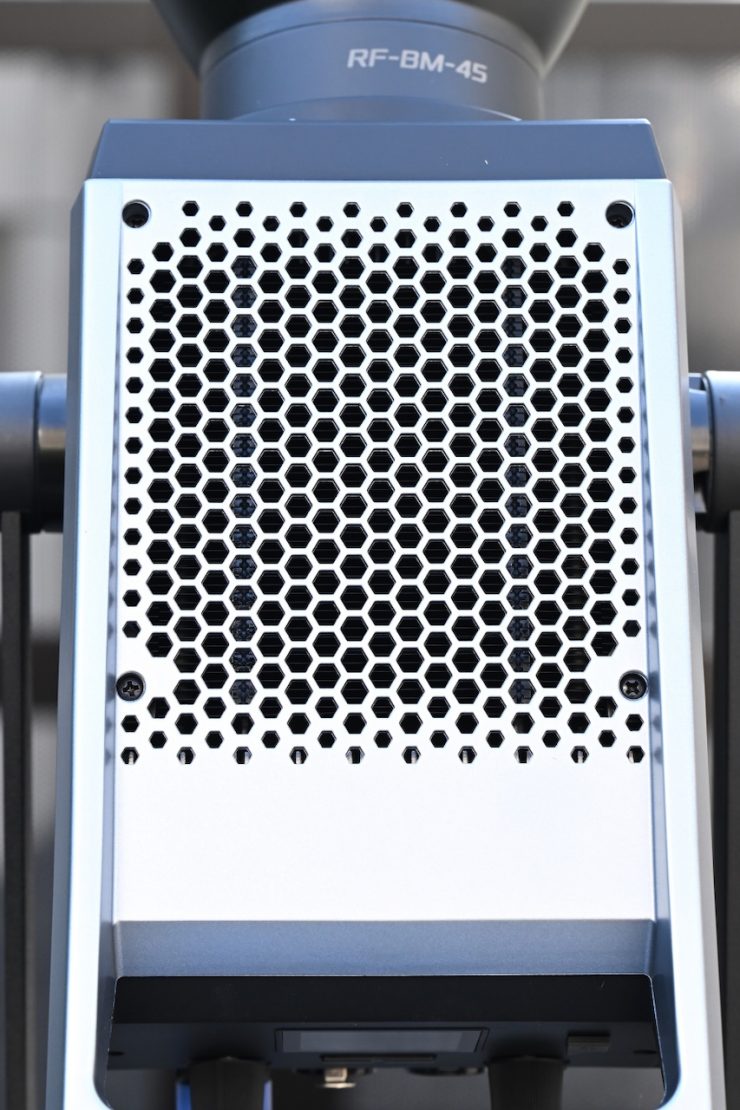
On the FC-720C, the fan does make some noise. I would recommend that you don’t put it too close to an audio recording source. It isn’t like the fan is really loud in its Smart setting, but you might hear it in a quiet room if it were only a meter or so away from where the audio was being recorded. The High-Speed fan mode could potentially be an issue when recording audio, but again, it depends on how close the light is to where audio is being recorded and how quiet the room is. I did use it for a corporate interview, and I didn’t have any issues with the noise.
Mounting
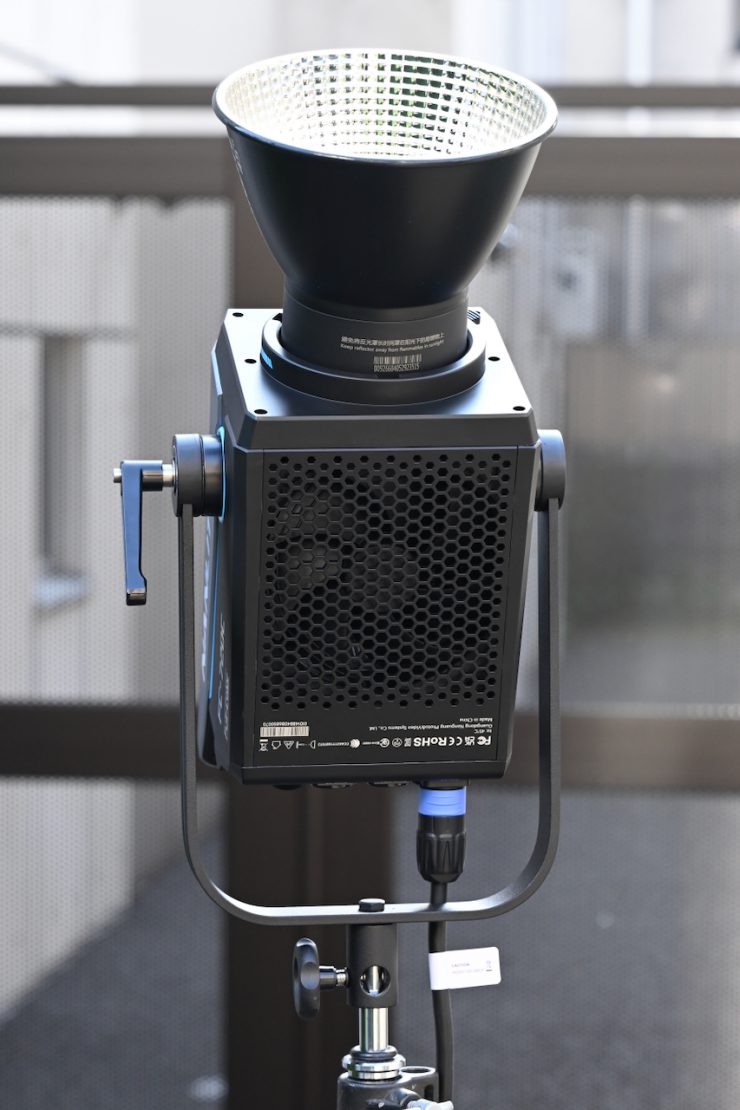
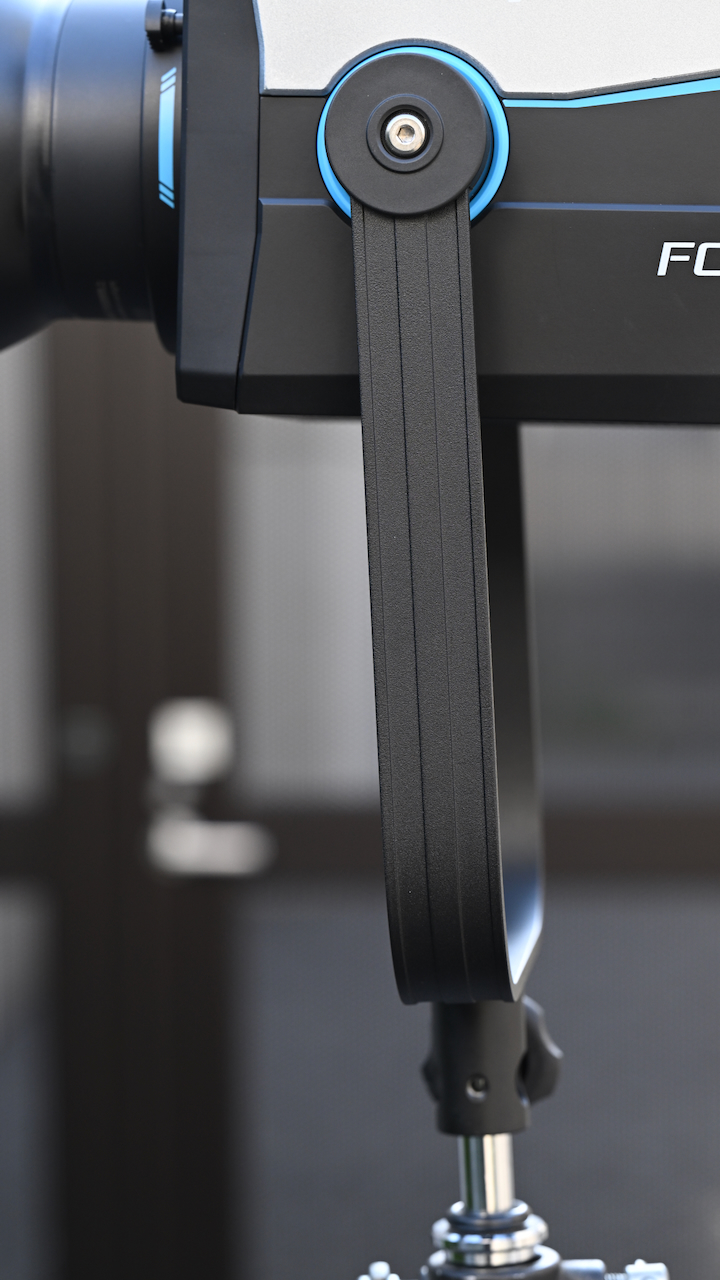
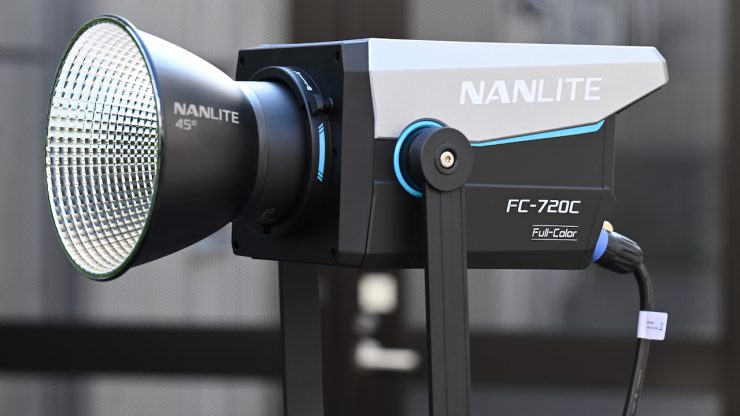
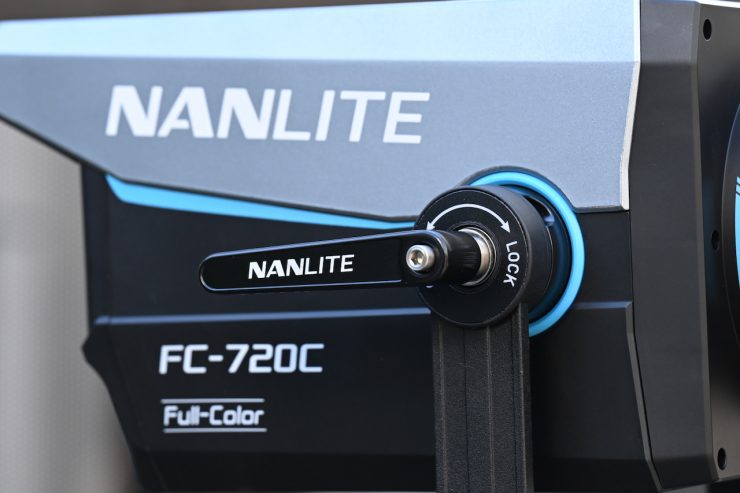
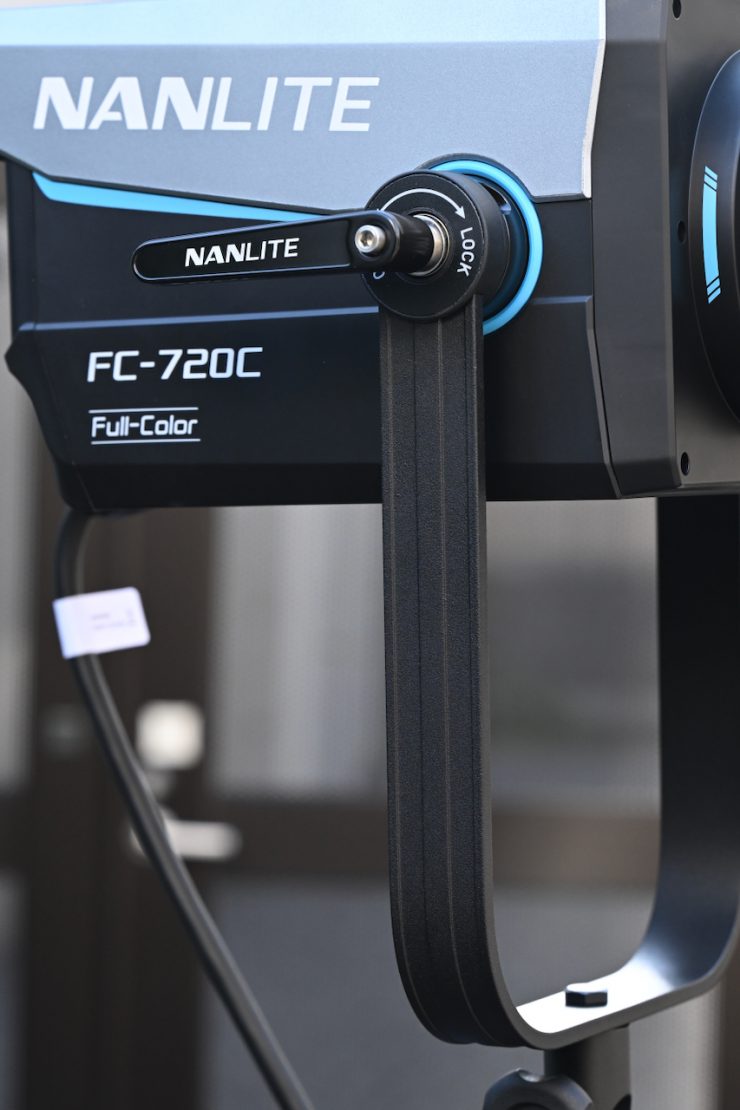
The NANLITE FC-720C comes with a traditional two-sided yoke frame.
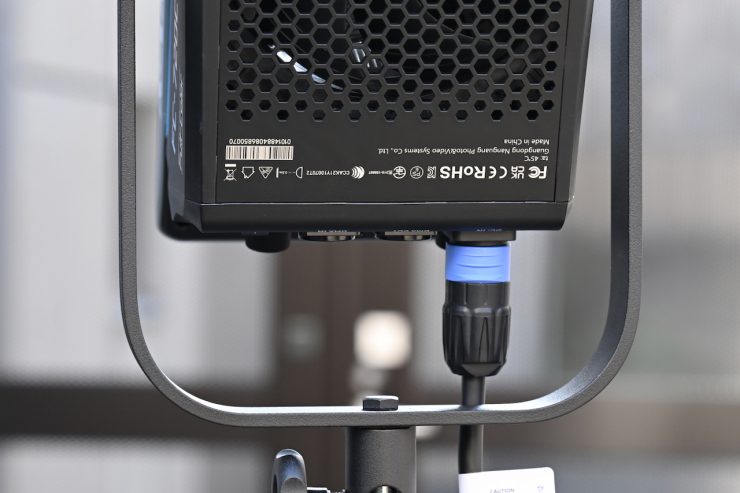
FC-720C 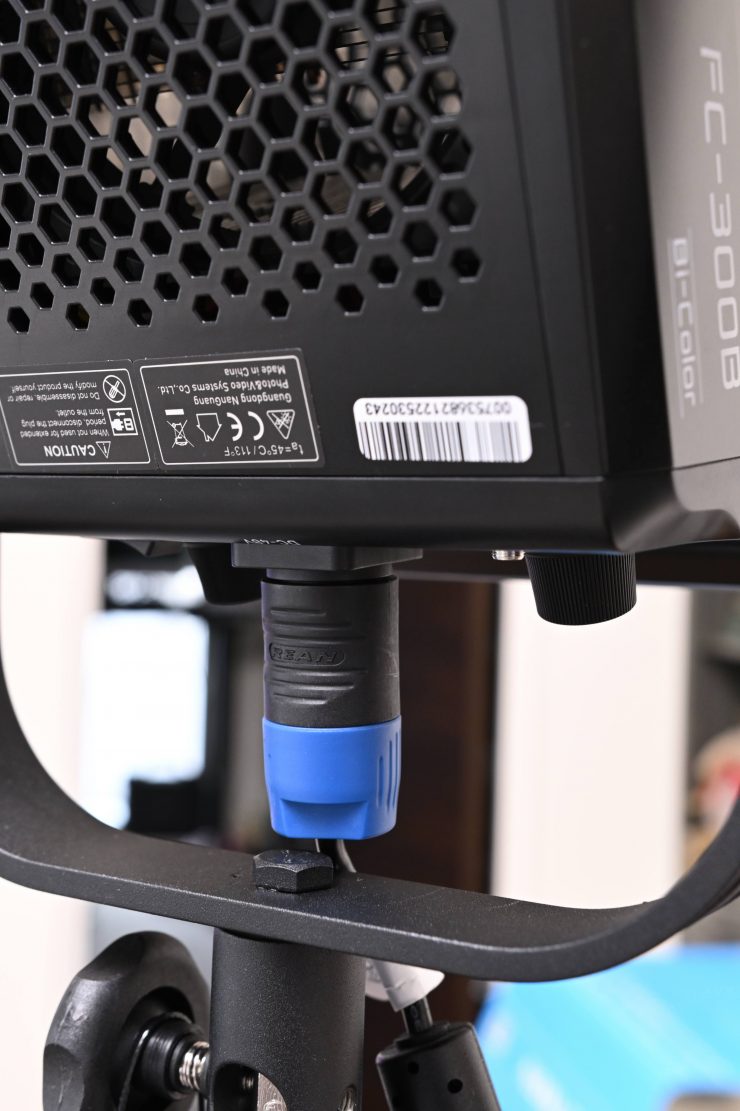
FC-300B
While this works reasonably well, there isn’t a lot of clearance, and the power cable will end up hitting the yoke frame if you try to tilt the light up too much. This is the exact same issue you will have with the FC-500C, FC-300B, and FC-500B.
As I mentioned previously, the yoke frame locks down tightly.
Mount
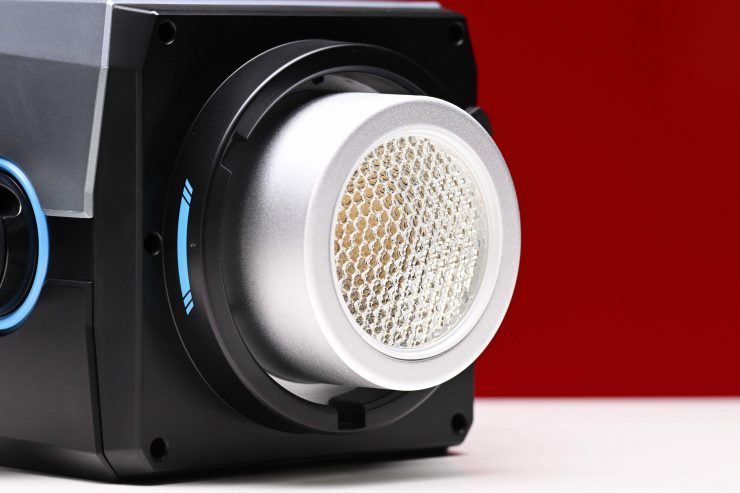
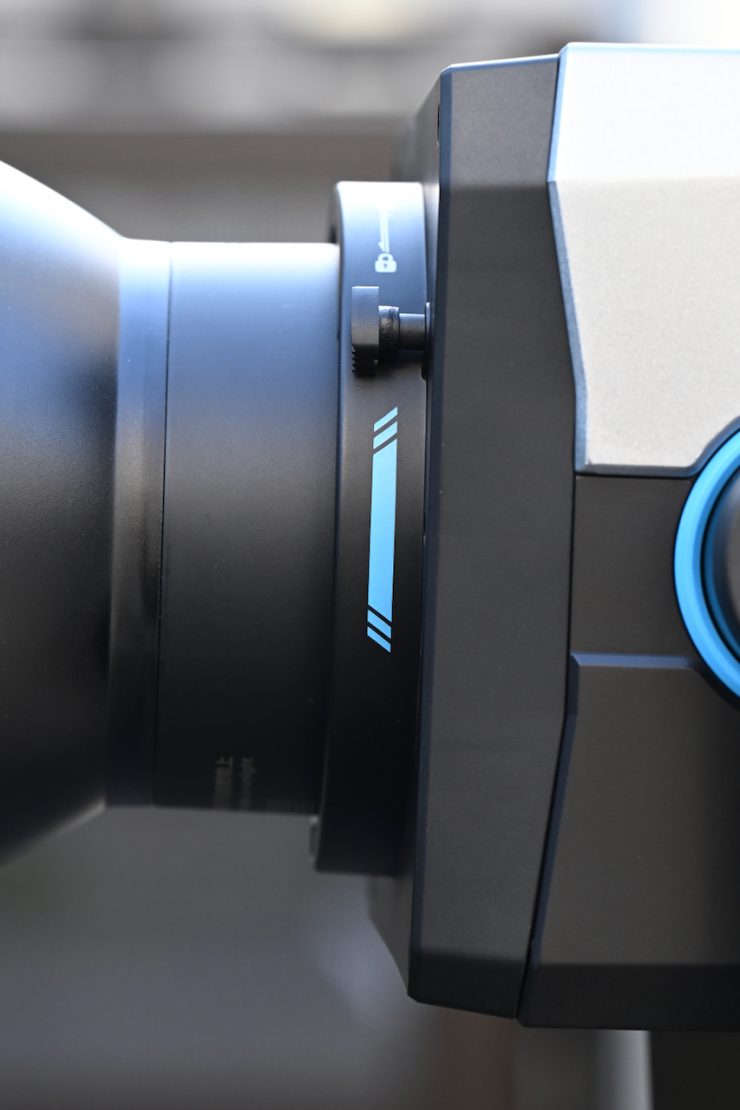
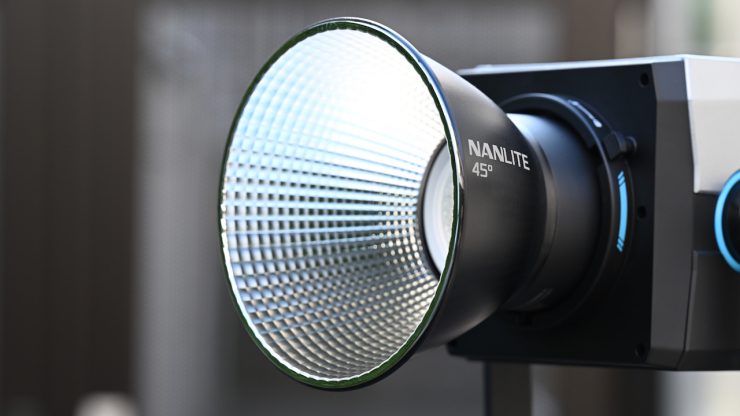
Like most COB spotlights, the NANLITE FC-720C utilizes a Bowens S mount. This allows you to use readily available lighting modifiers and accessories that you may already own.
Like every Bowens S mount that doesn’t feature a locking mechanism, some light modifiers will wobble around on the mount.
Control & Operation
The rear LCD screen on the light looks similar to what you would find on most of the NANLITE products. Although it is fairly basic, it does show you key information about the light’s operating modes, brightness, CCT, etc. Above, you can see a tutorial for the FC-500C, which also applies to the FC-720C.
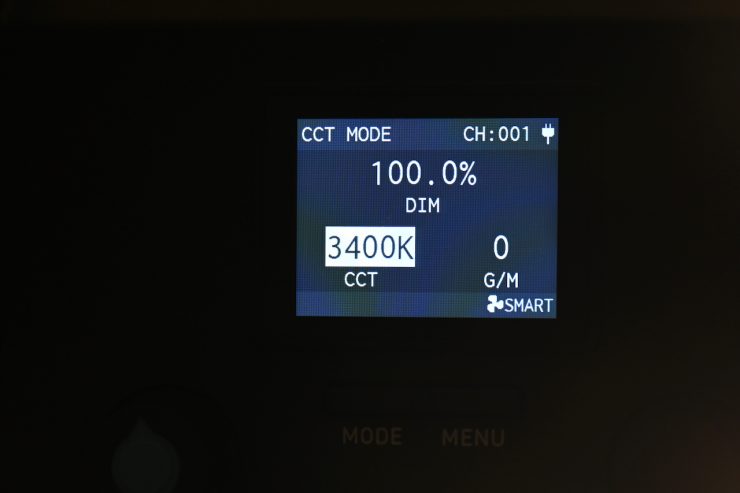
As I say in every lighting review, with a good light, you shouldn’t have to read a manual to work out how to operate it. You should be able to turn it on and use it straight away. With the FC-720C, it is easy to make changes to the CCT and brightness. The menu is also very straightforward and easy to navigate, even though it has a few more options because it is a full color light. The display is basic for modes such as RGBW, HSI, etc., and arguably, it is better to use the app when accessing those modes, as they are shown more intuitively.
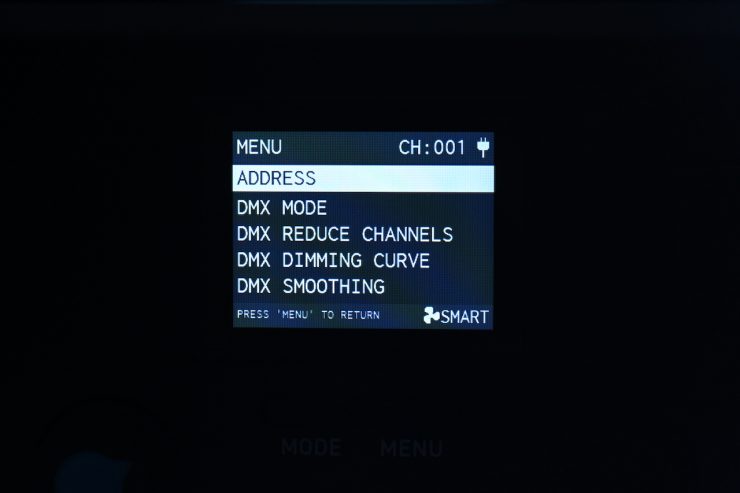
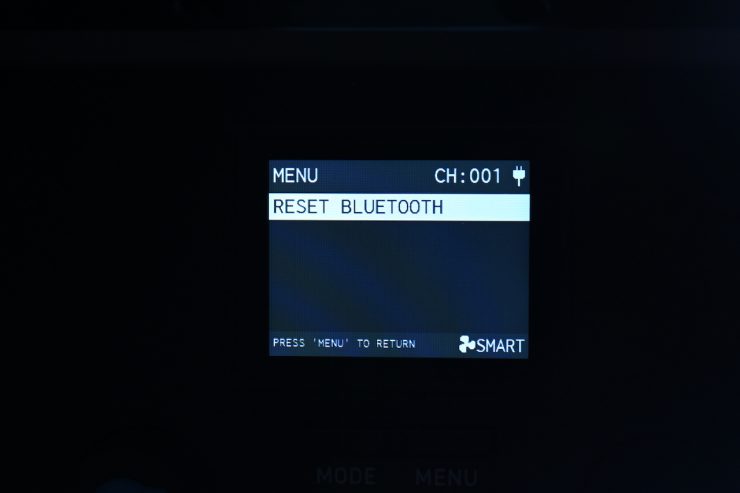
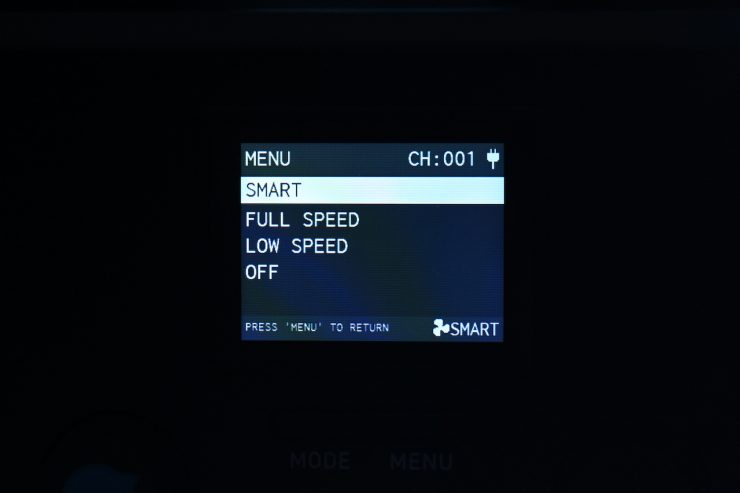
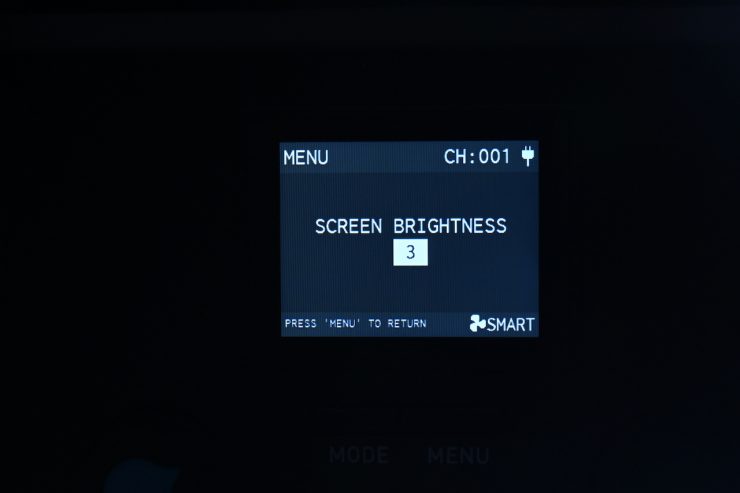
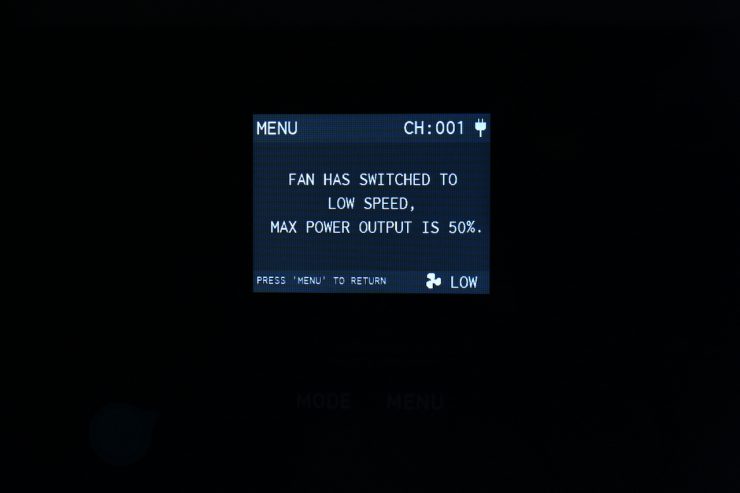
In the menu, you can adjust quite a few settings, such as the DMX, fan, etc. The menu is pretty intuitive.
As well as being able to adjust certain parameters and modes on the light itself, you can also use the NANLINK Bluetooth app. Additionally, 2.4GHz provides control through the separately available WS-TB-1 transmitter box for more elaborate setups, or with hardware remotes like the NANLINK WS-RC-C2. DMX/RDM control is also supported for advanced users.
Operating Modes
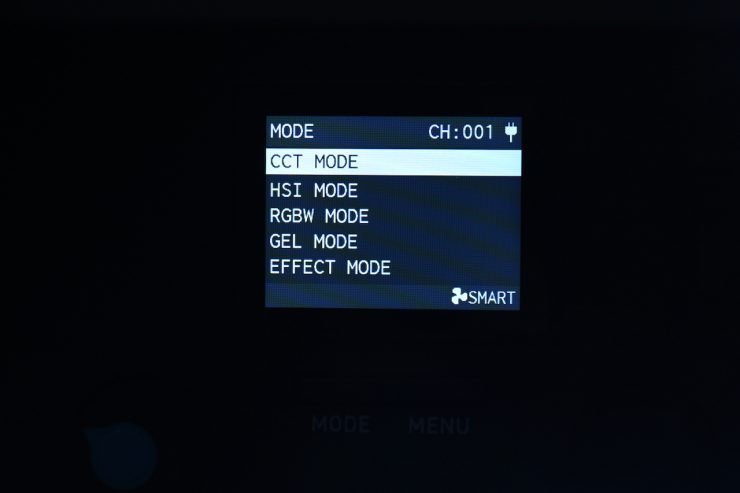
The lights have the following lighting modes that you can access from the fixture:
- CCT
- EFFECT
- GEL
- HSI
- RGBW
+/- Green adjustment
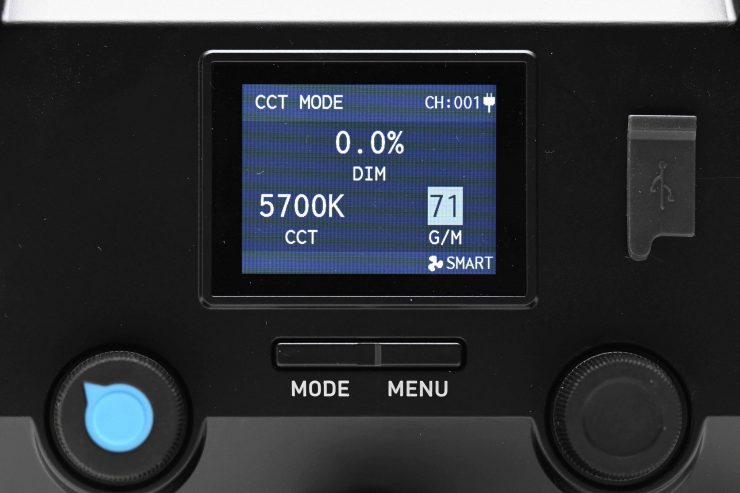
The fixture includes +/- Green adjustment so you can correct any tint.
CCT MODE
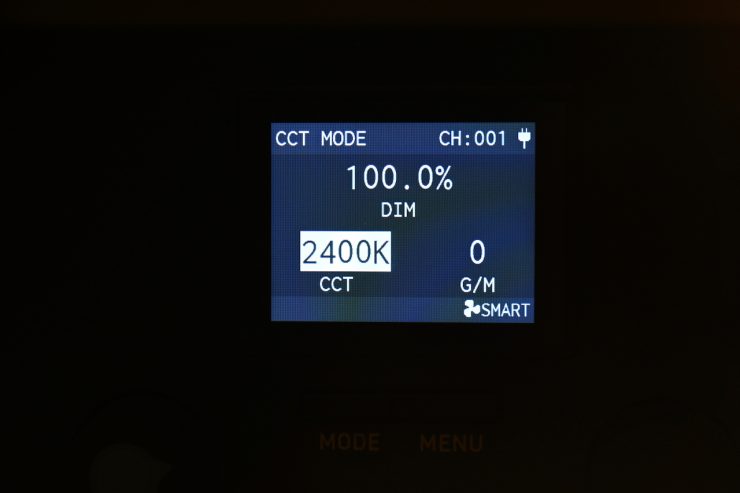
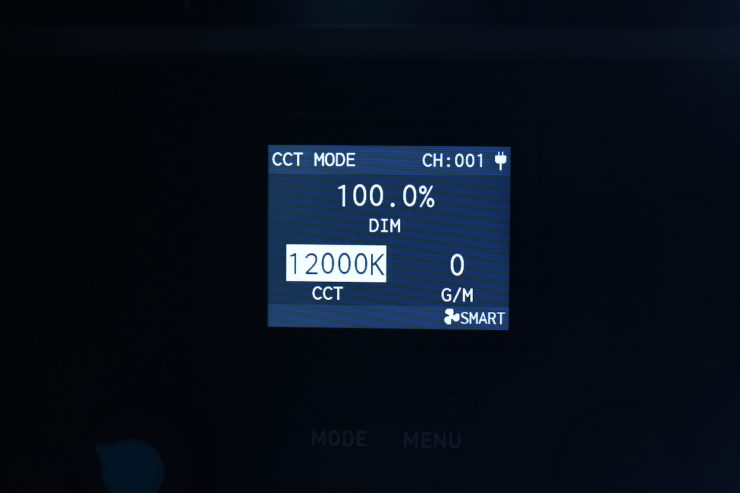
In CCT mode, you can make adjustments from 2400-1200K.
EFFECT
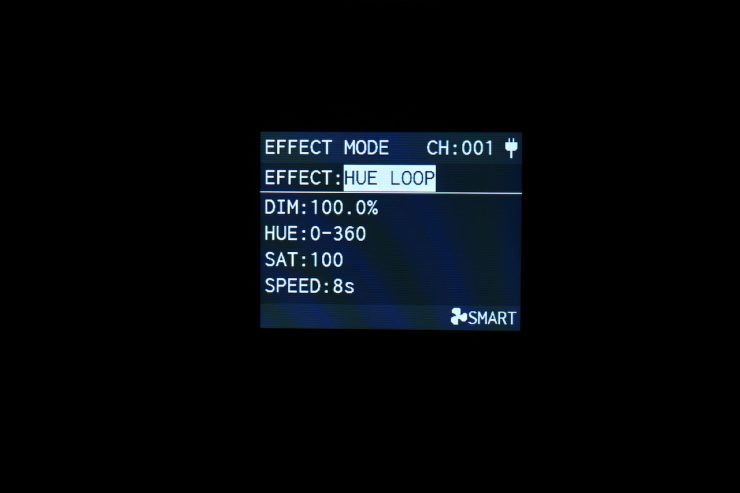
The EFFECT mode lets you recreate a wide range of lighting effects that can be handy for certain scenarios. The effects include:
- HUE LOOP
- CCT LOOP
- INT LOOP
- FLASH
- PULSE
- STORM
- POLICE CAR
- TV
- PAPARAZZI
- CANDLE
- FIRE
- DISCO
- BAD BULB
- FIREWORK
- EXPLOSION
- WELDING
All the effects modes can be individually adjusted, and you can change the Speed and Cycle.
GEL
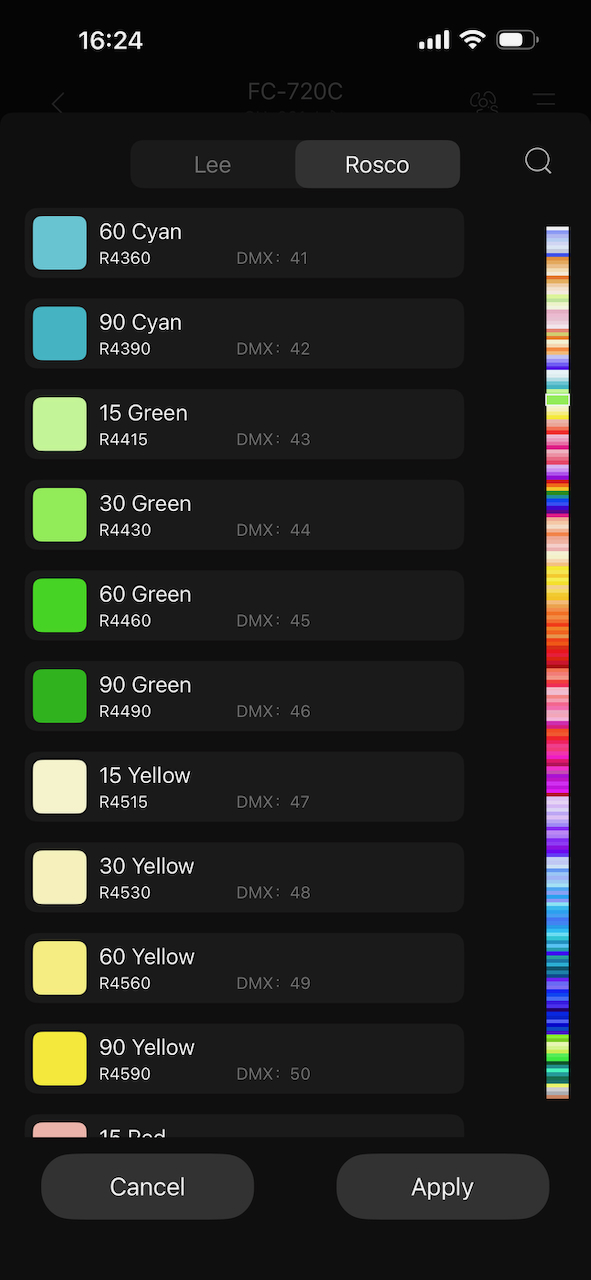
In GEL mode, you can choose from 460 different LEE and Rosco gels.
HSI
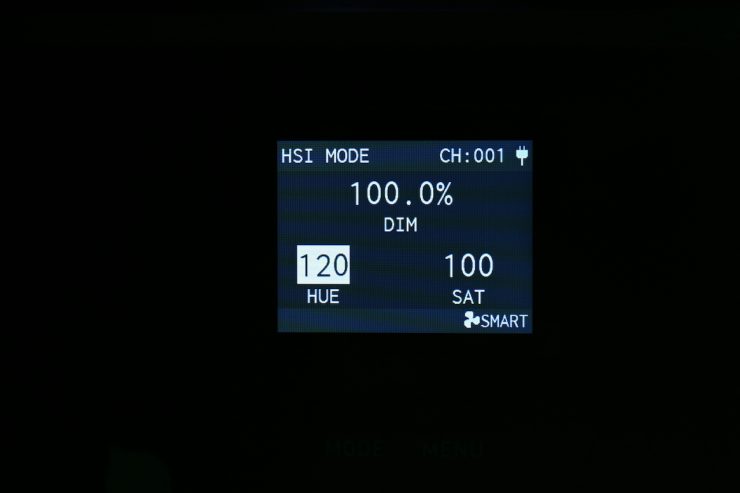
In HSI mode, you can make individual adjustments to the hue, saturation, and intensity.
RGBW
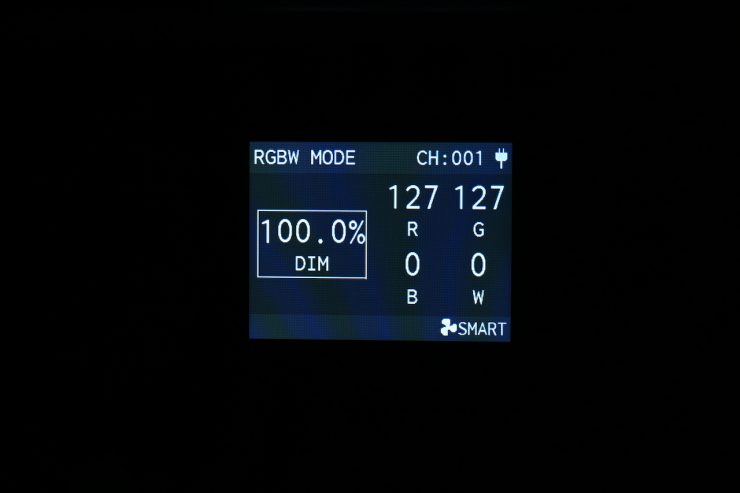
In RGBW mode, you can individually control the red, green, blue, and white channels.
Bluetooth App
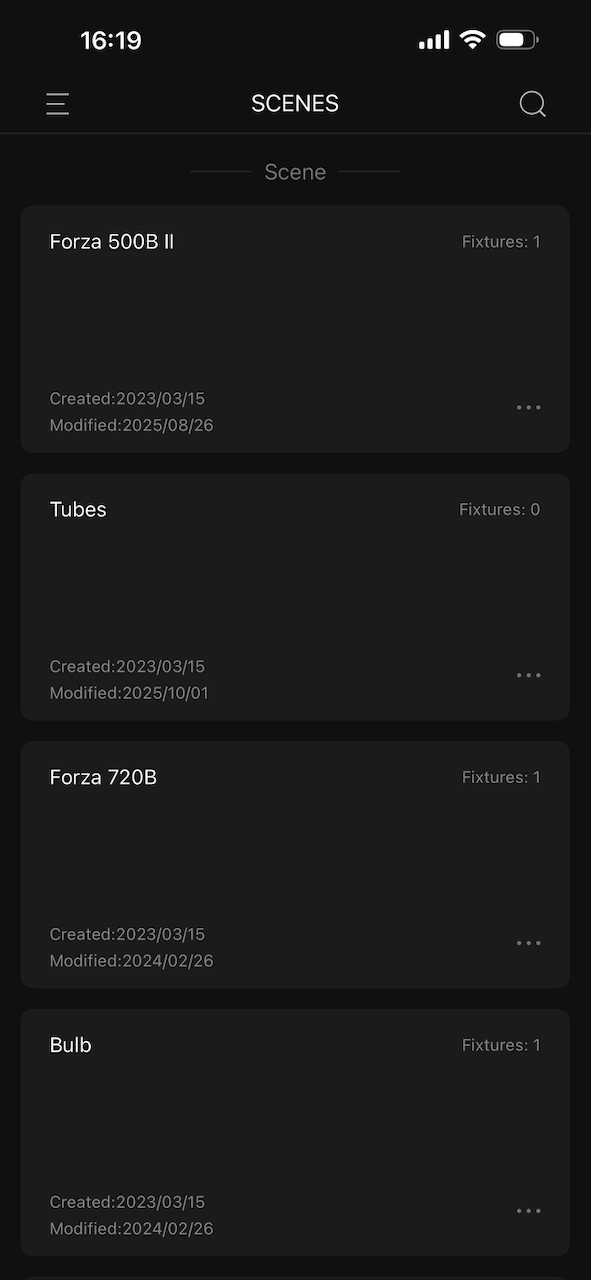
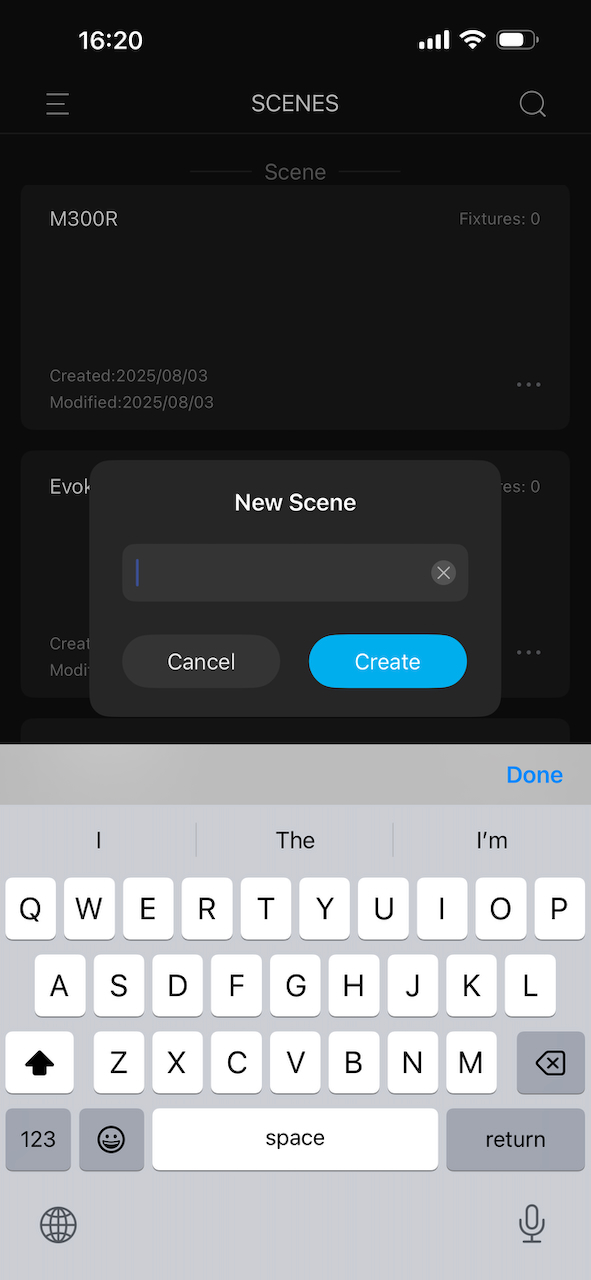
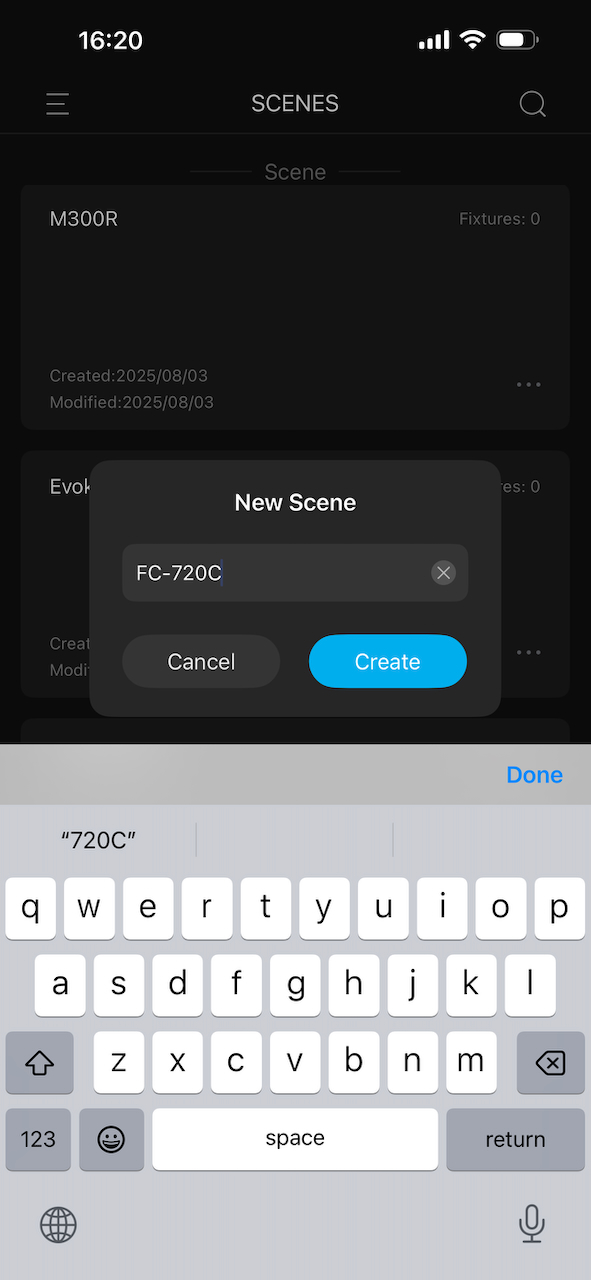
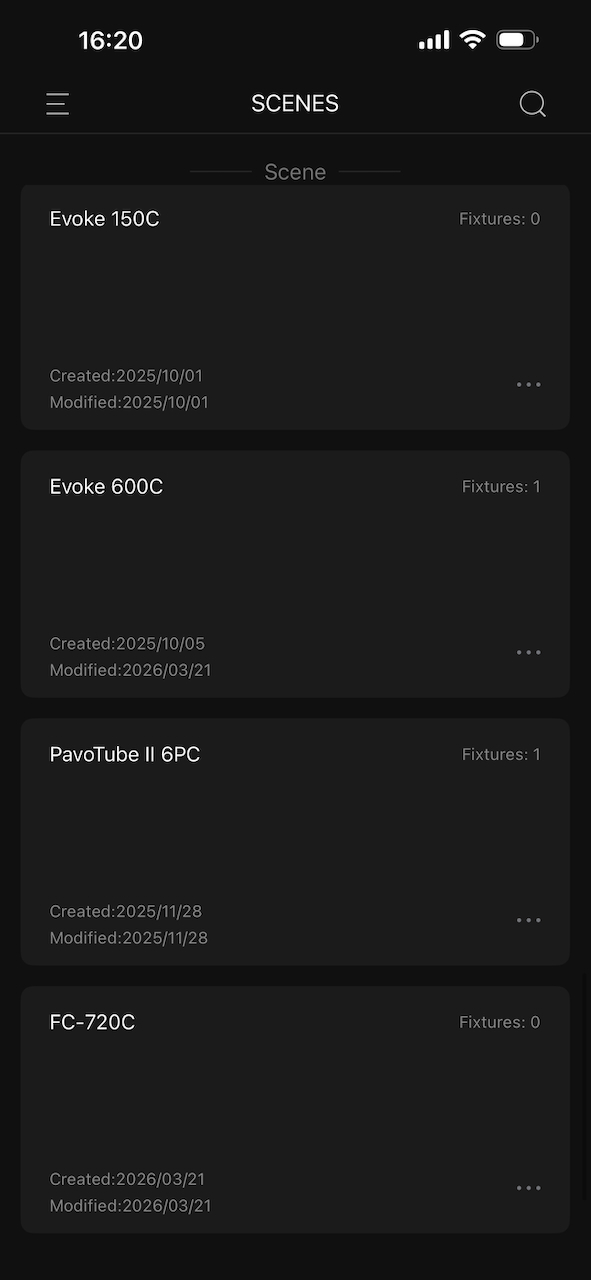
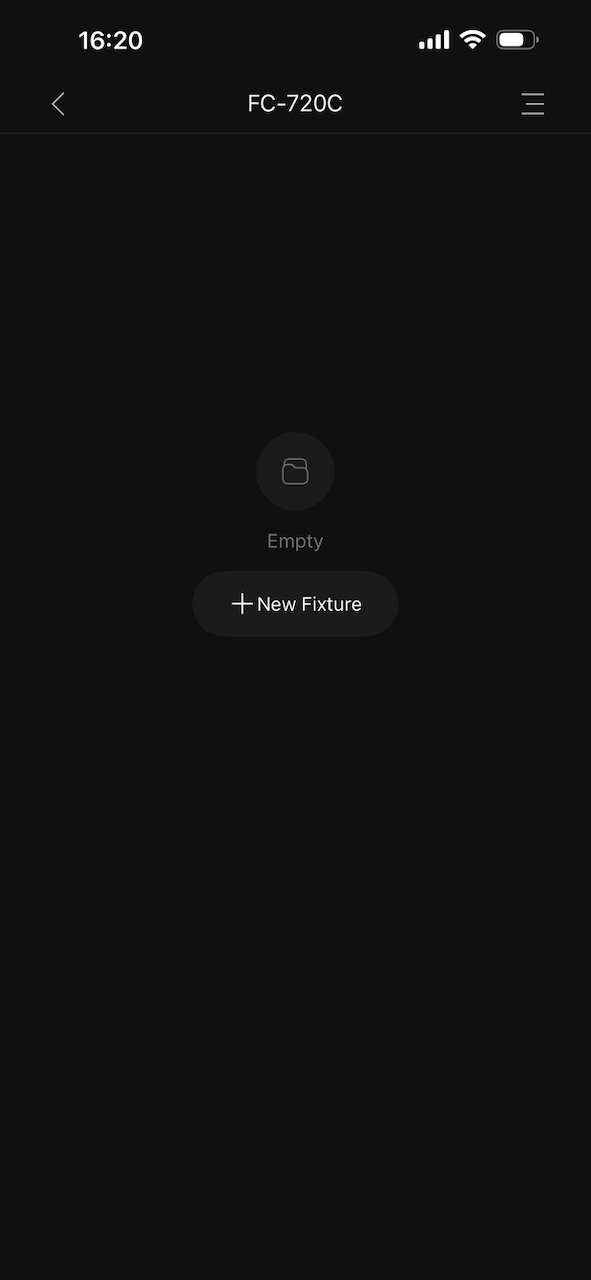
The light can be controlled via Bluetooth using the NANLINK App. It is relatively easy to connect up a light and get started. All you need to do is tap on add a fixture and then choose how you want to connect.
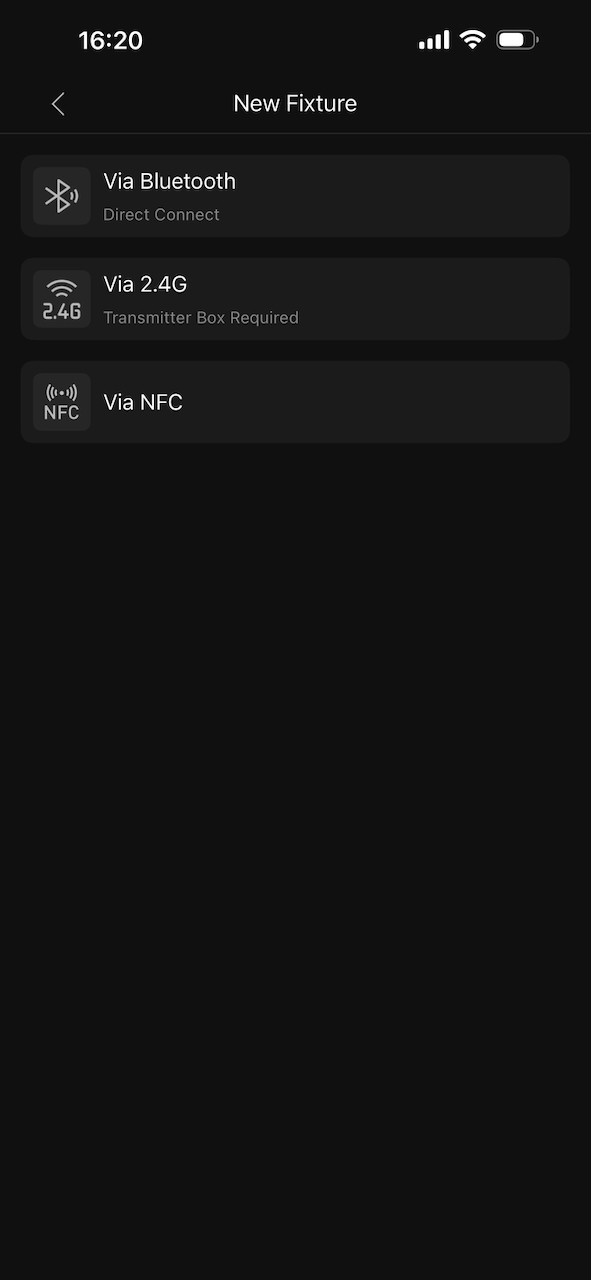
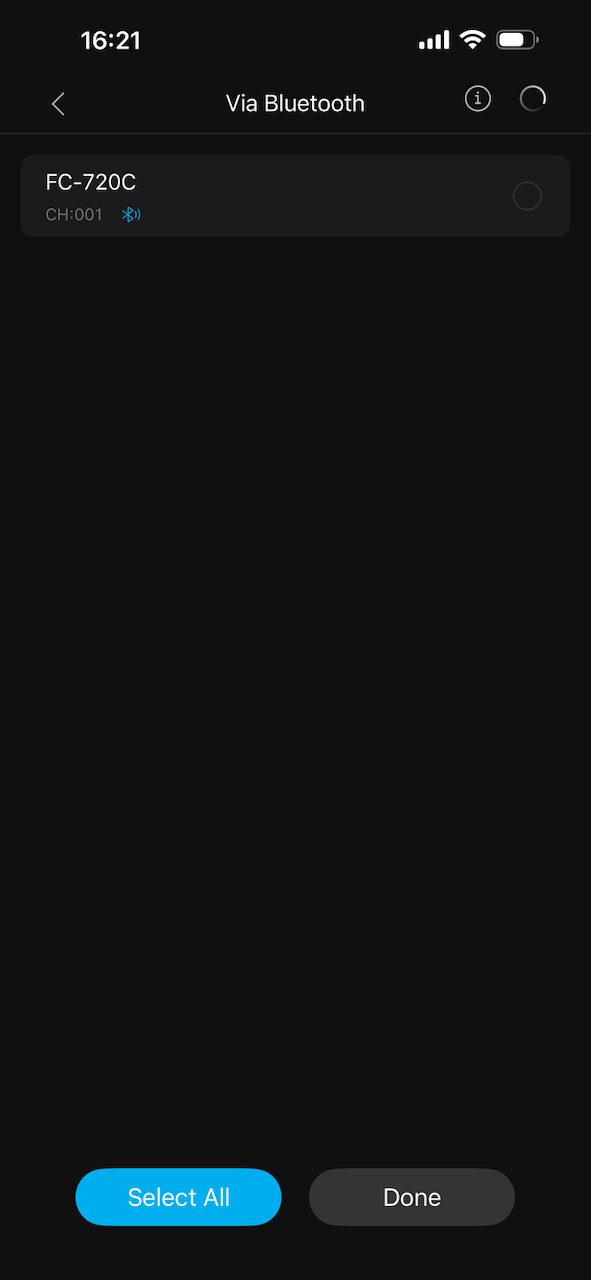
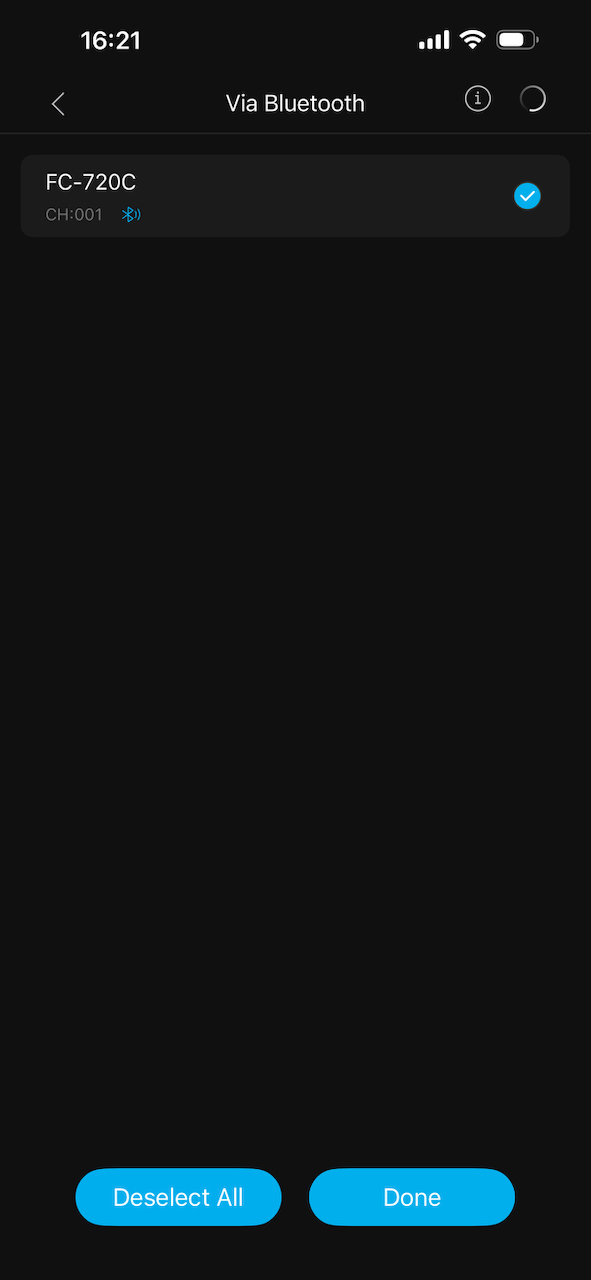
For this example, I chose Bluetooth, and the app will search for available Nanlite fixtures.
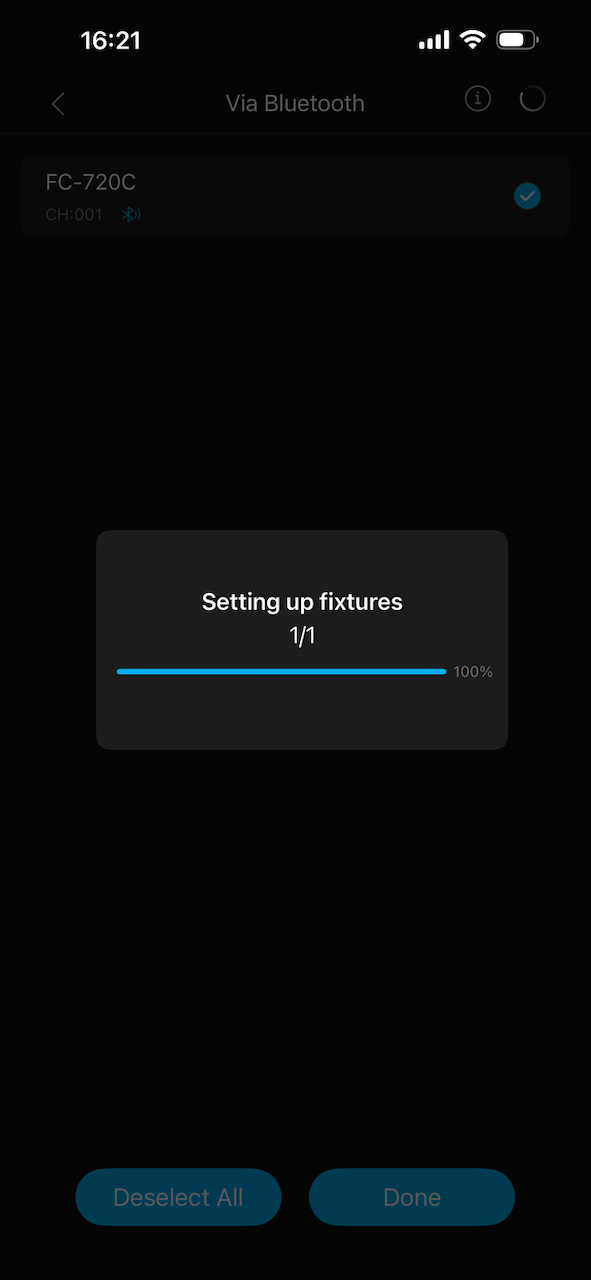
Once you select the fixture you want to add, it takes about 5-10 seconds for the app to configure everything.
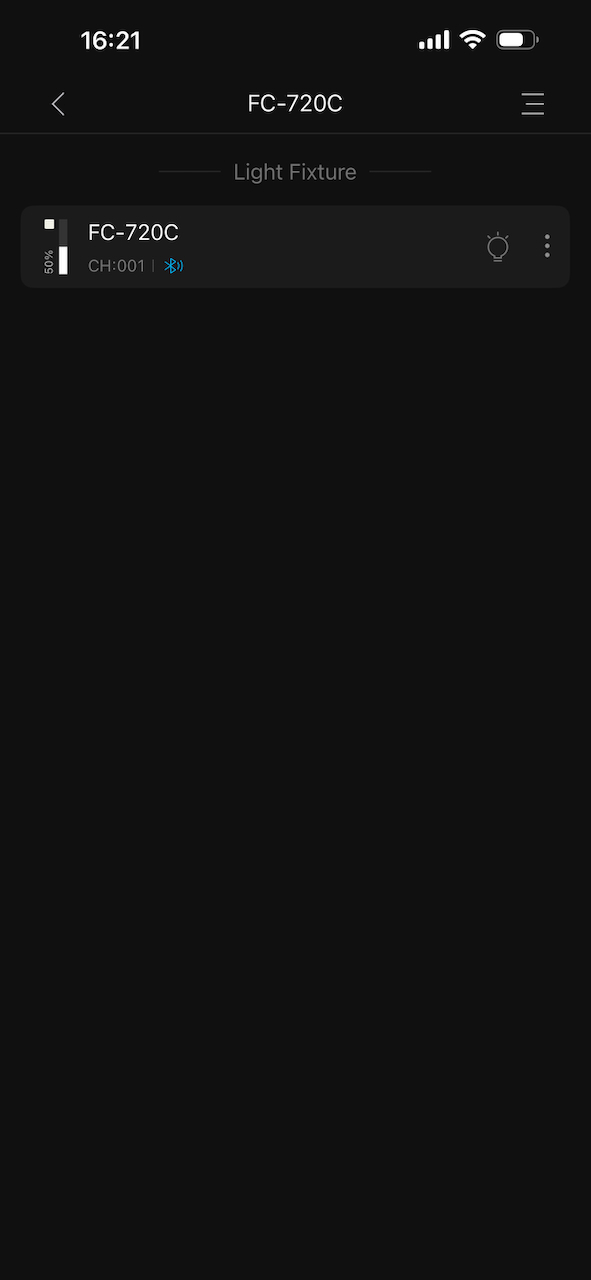
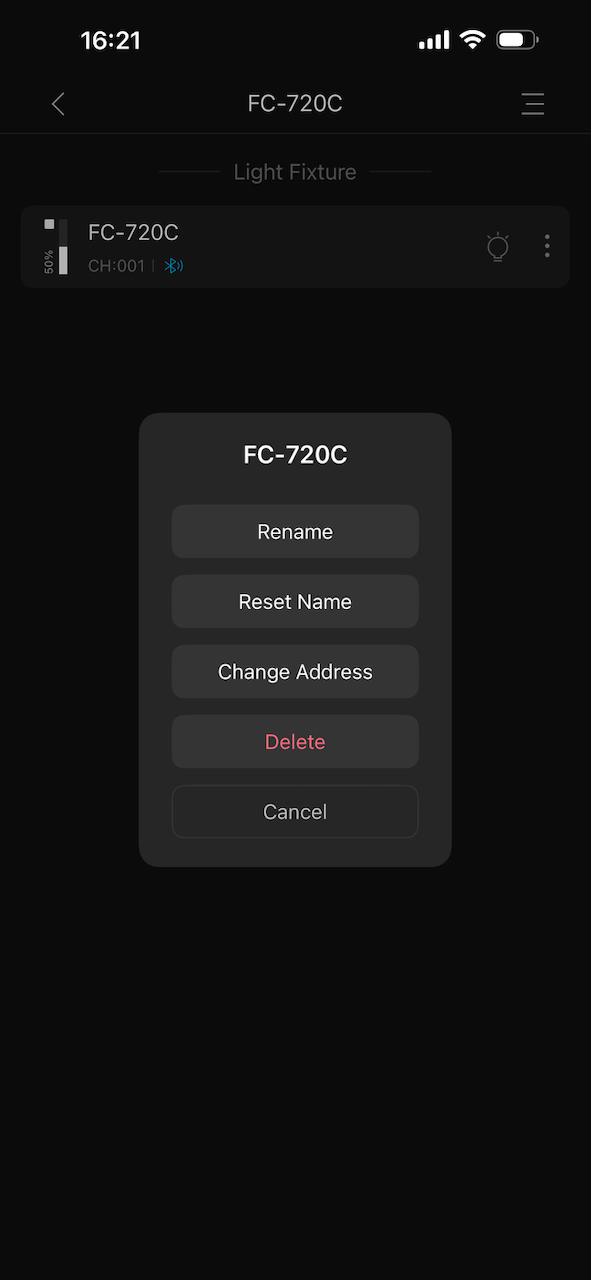
Once the fixture is set up, you can see that it has been added to the scene page.
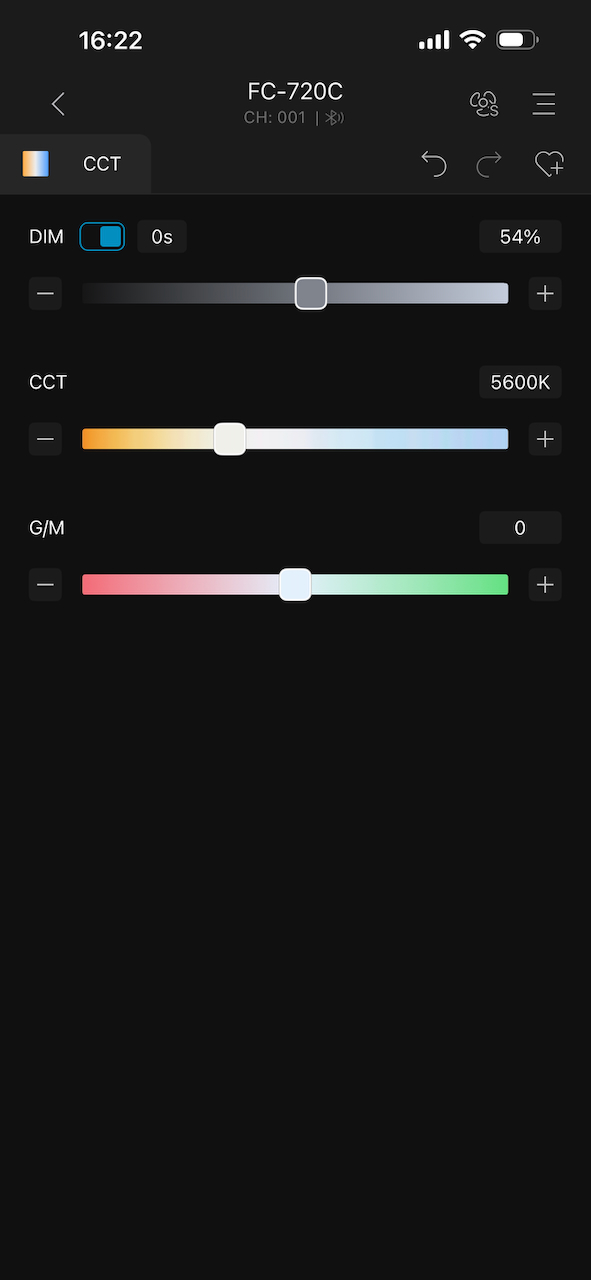
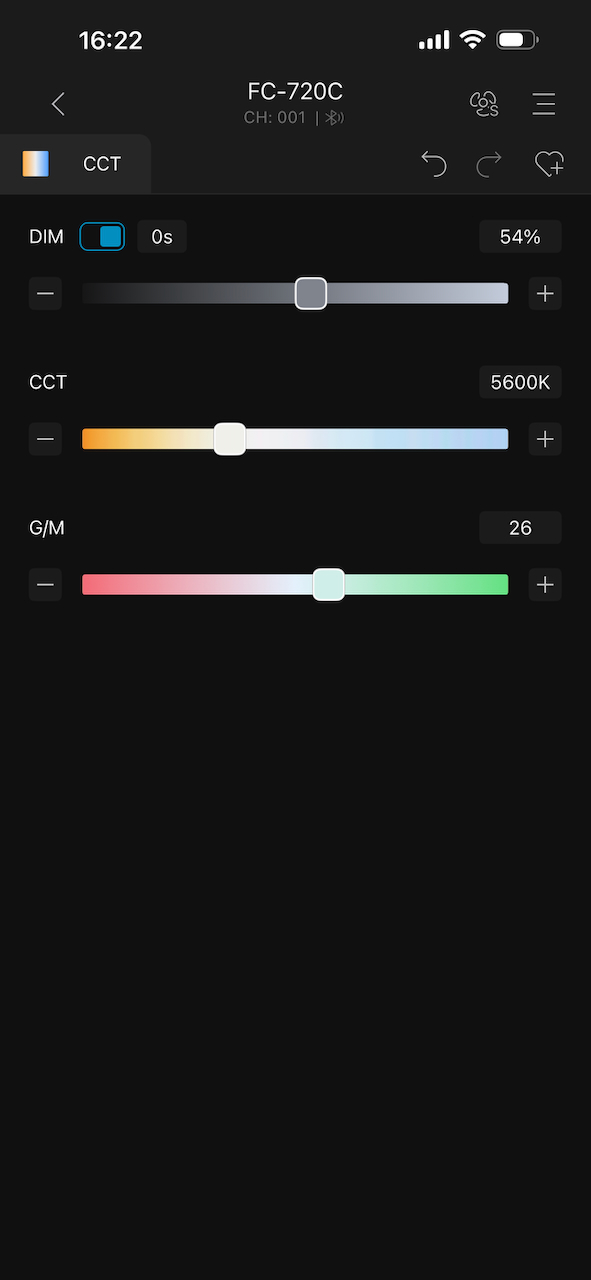
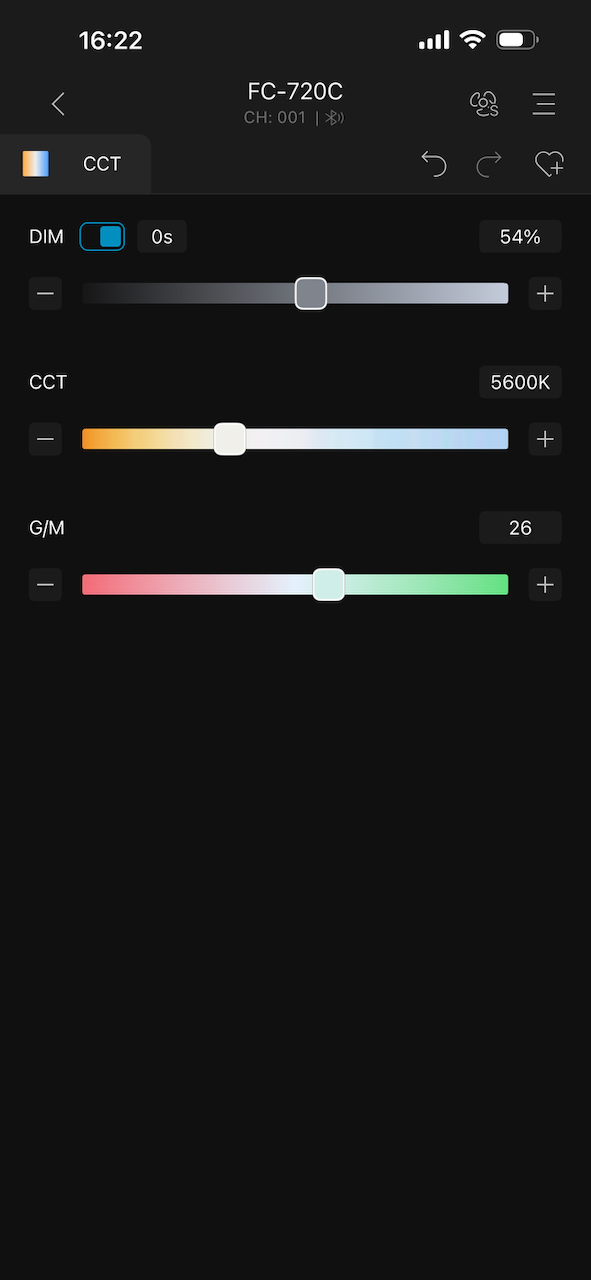
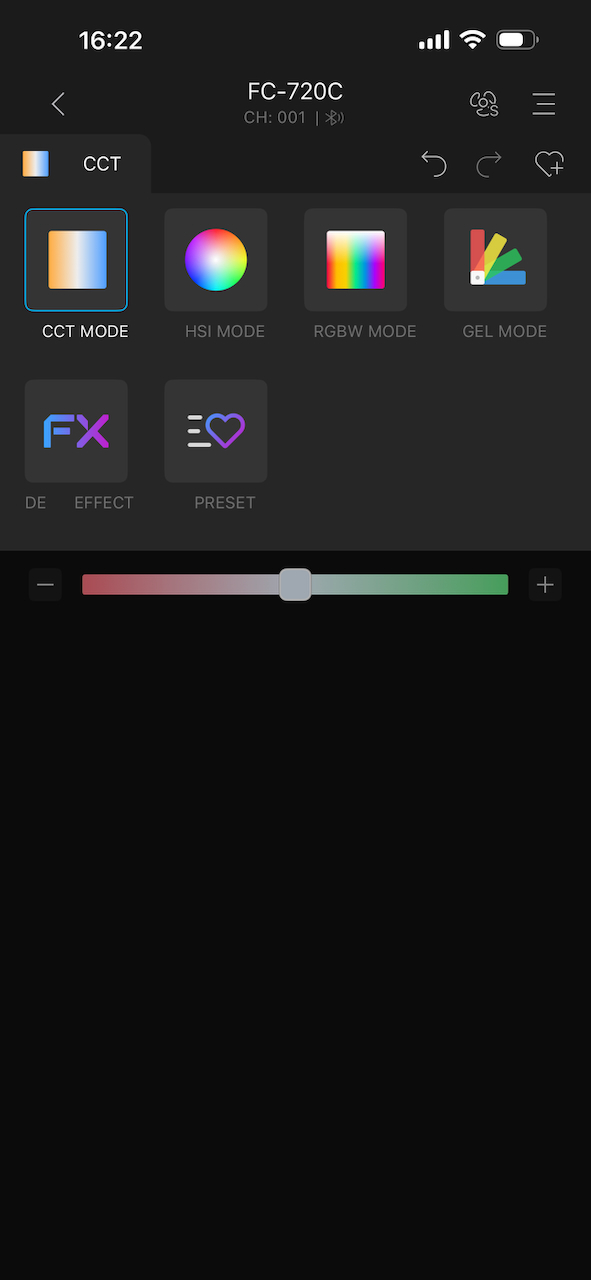
There is a range of parameters that you can adjust using the app, including changing the output, CCT, HSI, RGBWW, Gels, Effects, changing the fan speed, and saving presets.
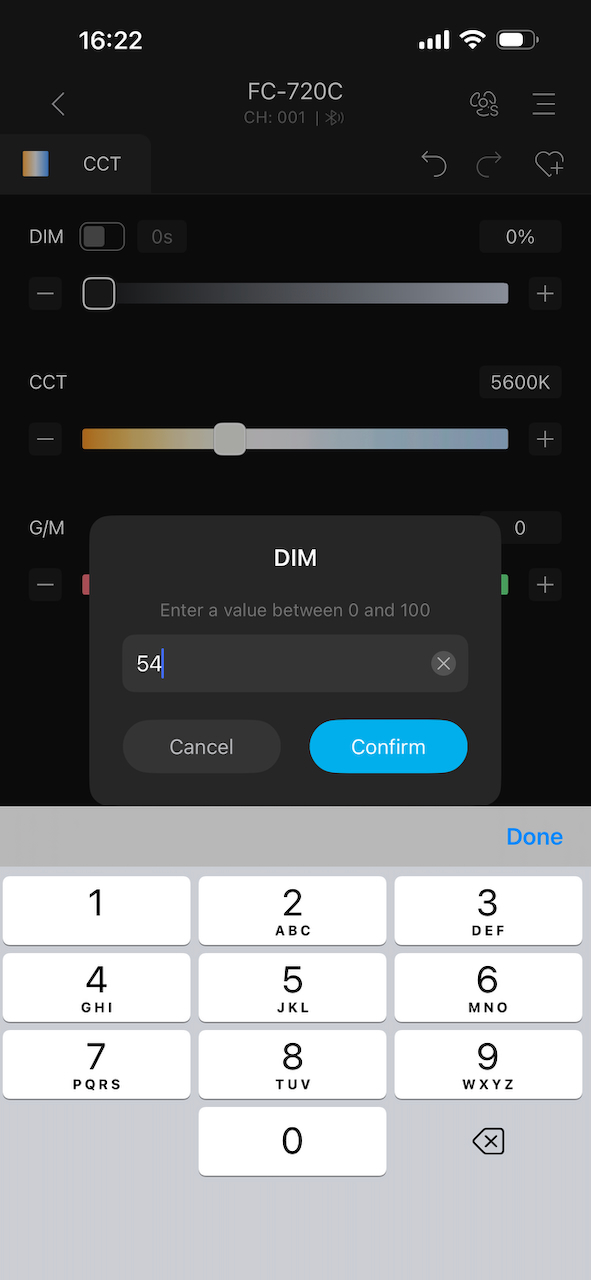
You can make adjustments to certain parameters using the touch controls, or enter values using your smartphone/tablet’s keyboard.
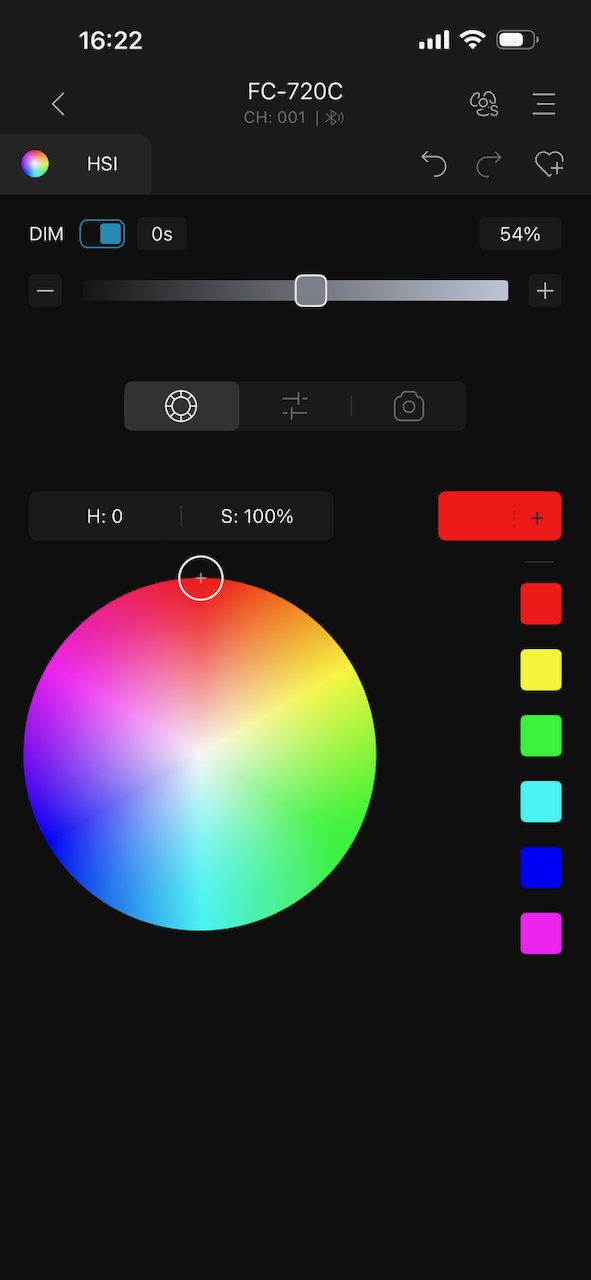
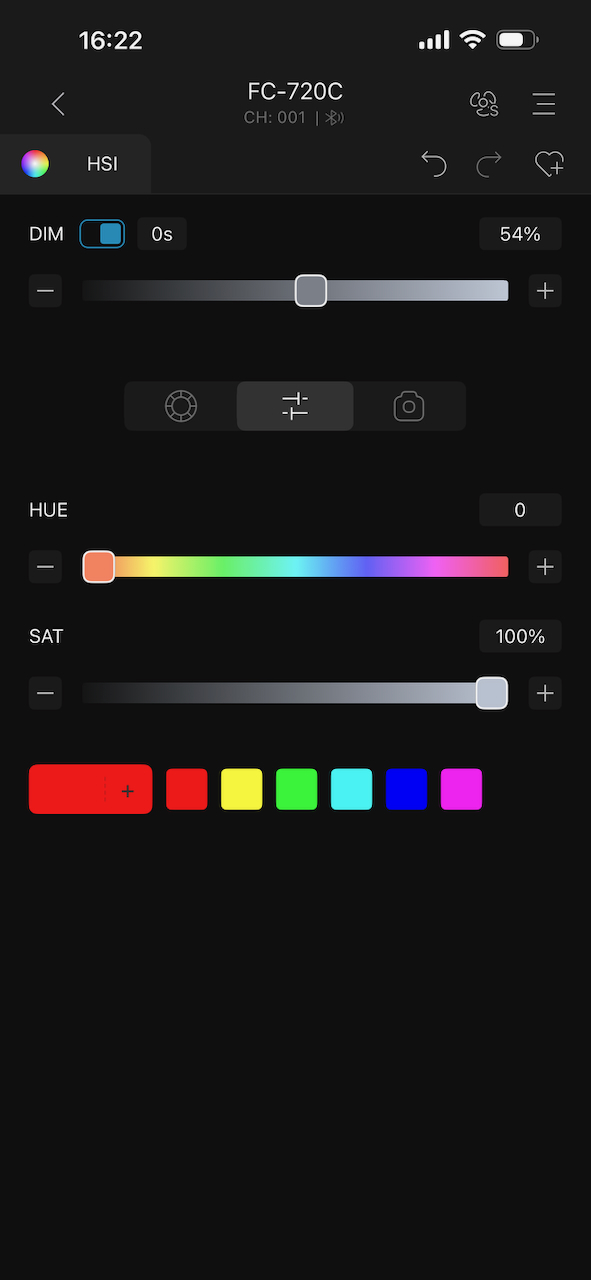
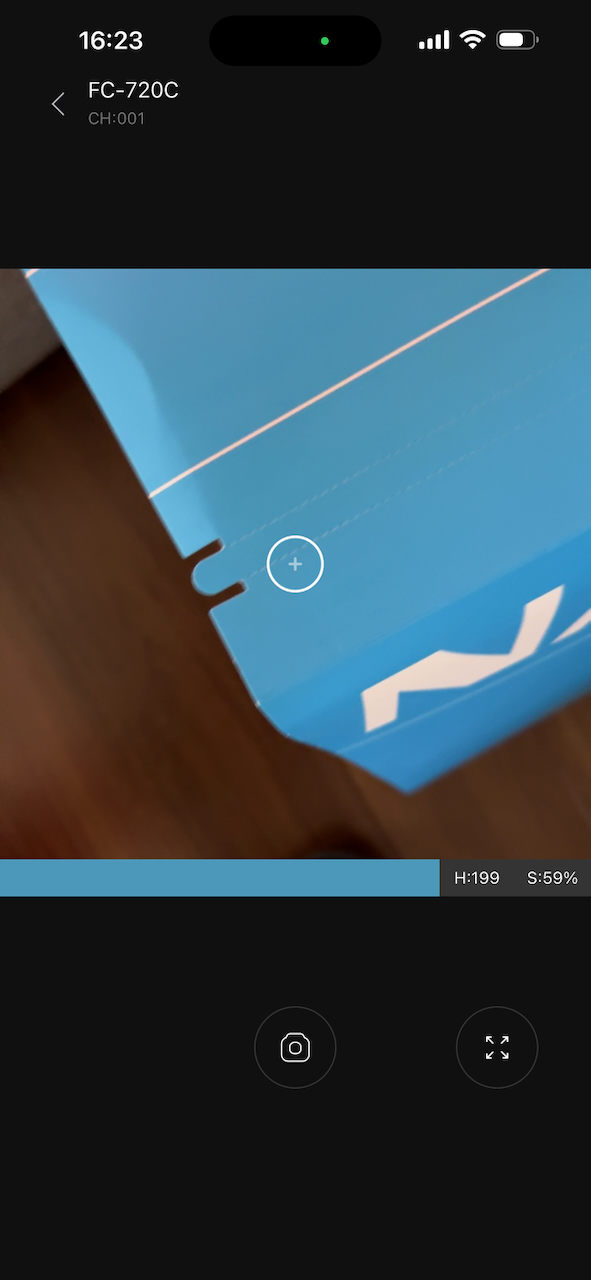
In the HSI mode, you can use a virtual color palette or a slider to make adjustments. There is also a function where you can use your smartphone’s camera to sample a color you want the light to try to reproduce.
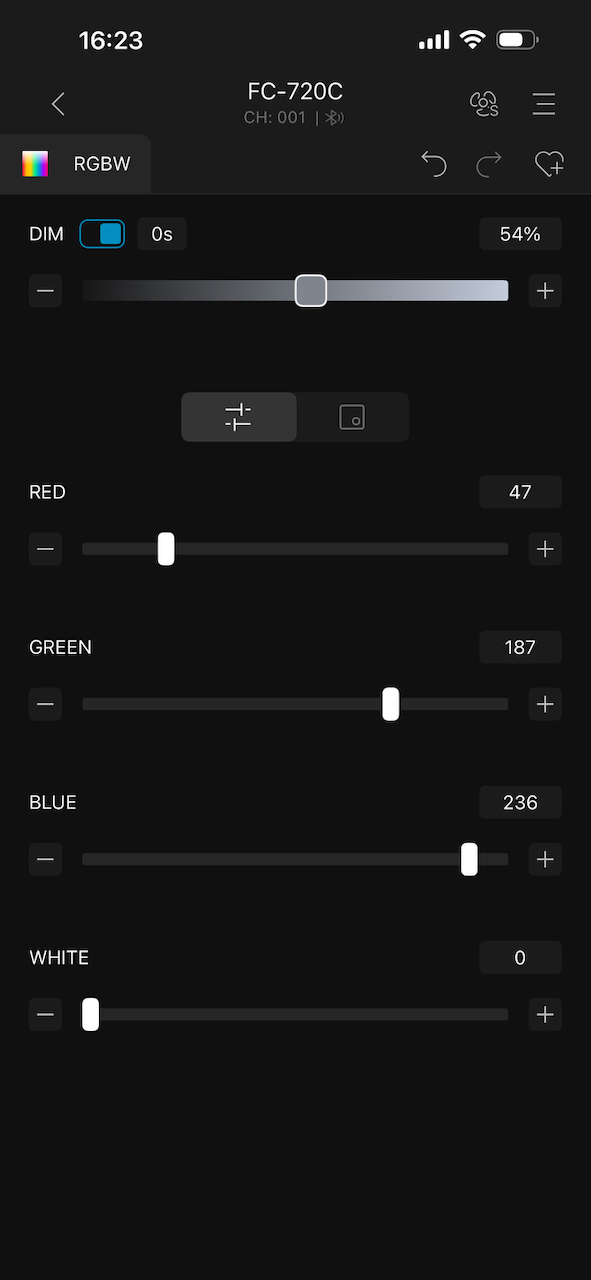
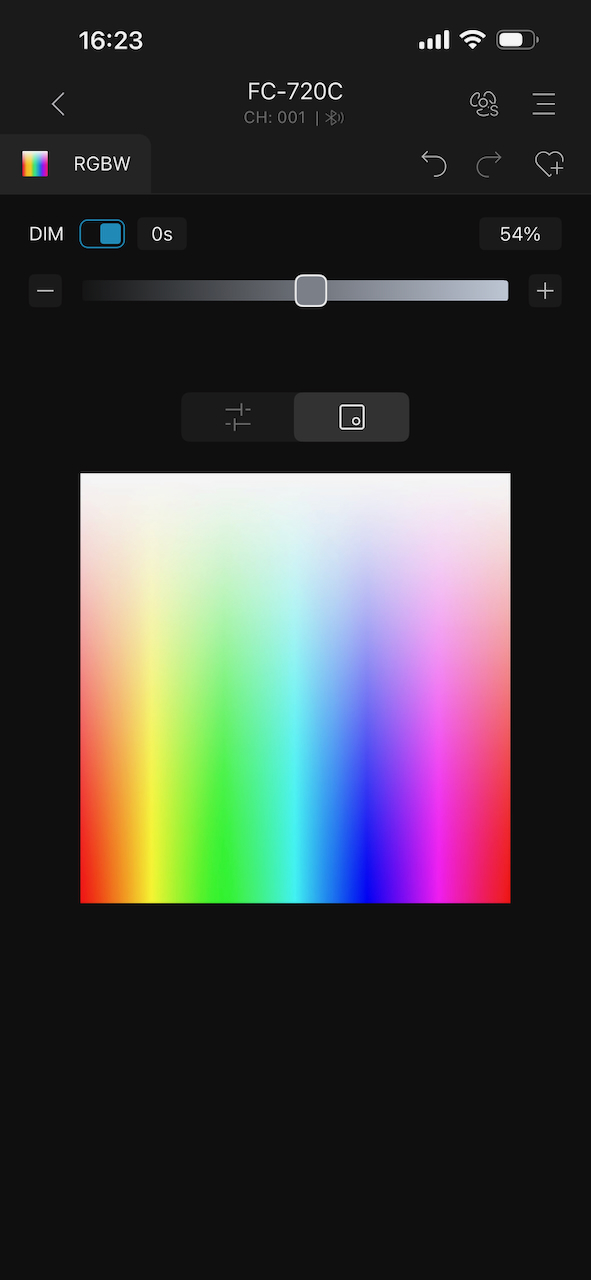
In the RGBW mode, you can make individual adjustments to the Red, Green, Blue, and White channels. You can do this via a virtual color palette or through sliders.
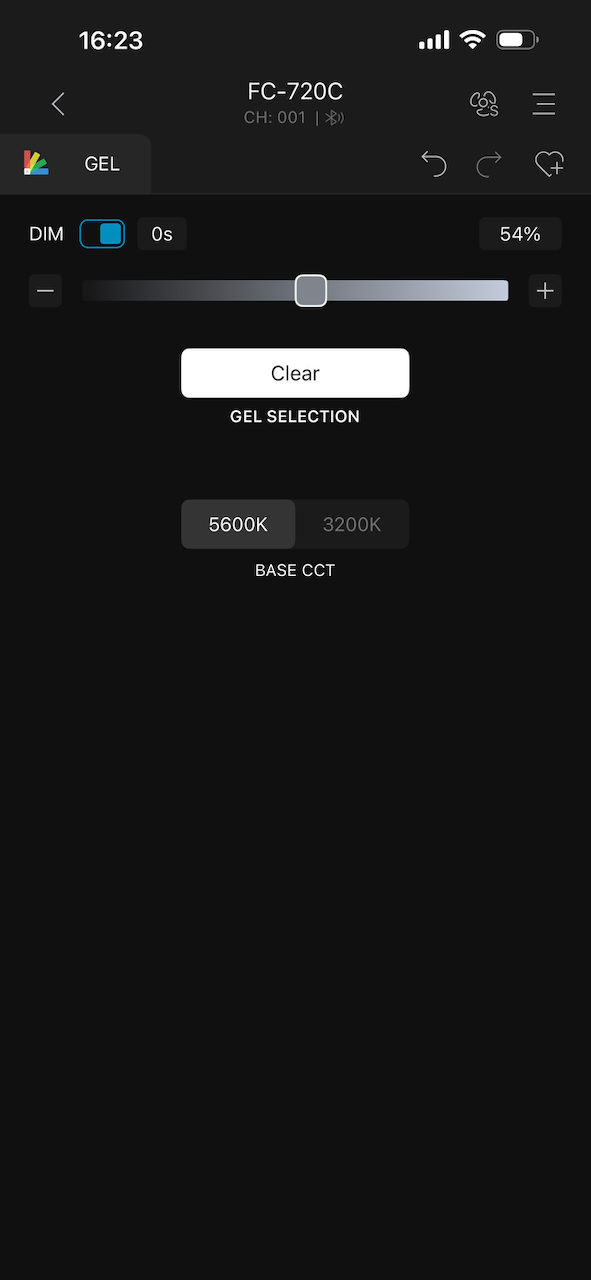
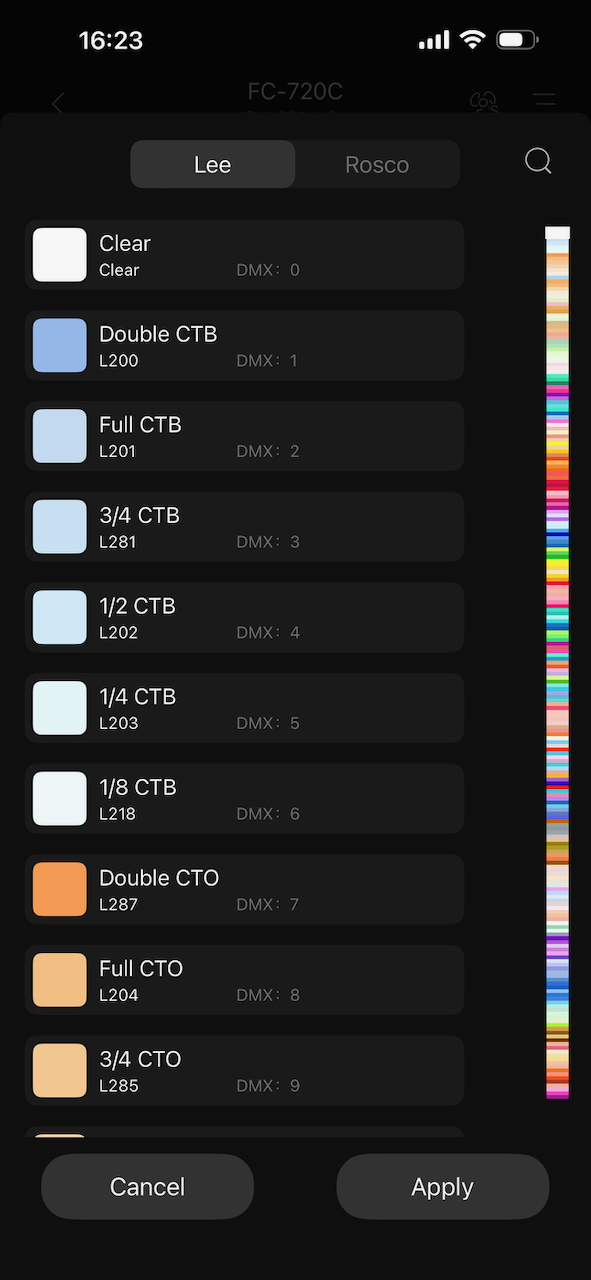
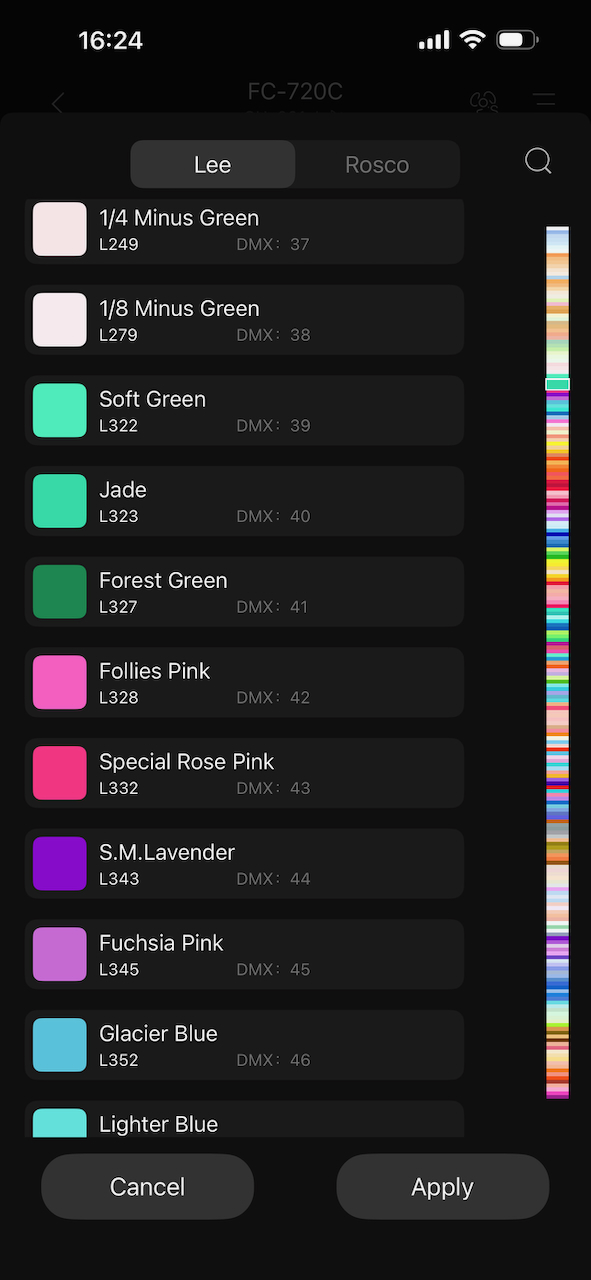
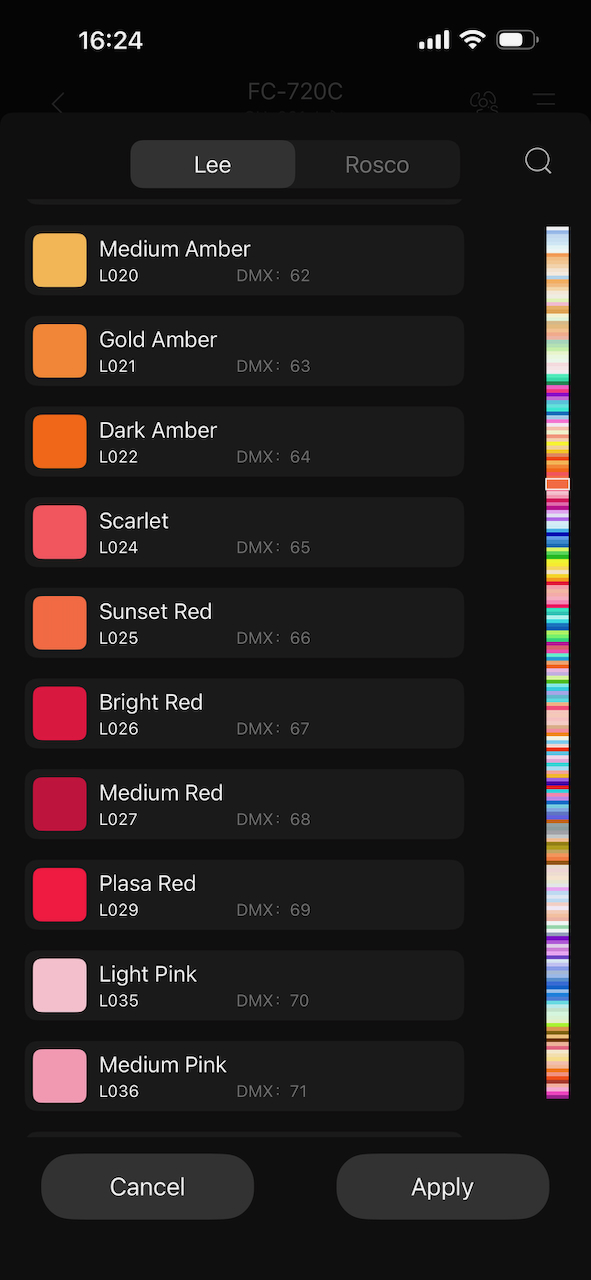
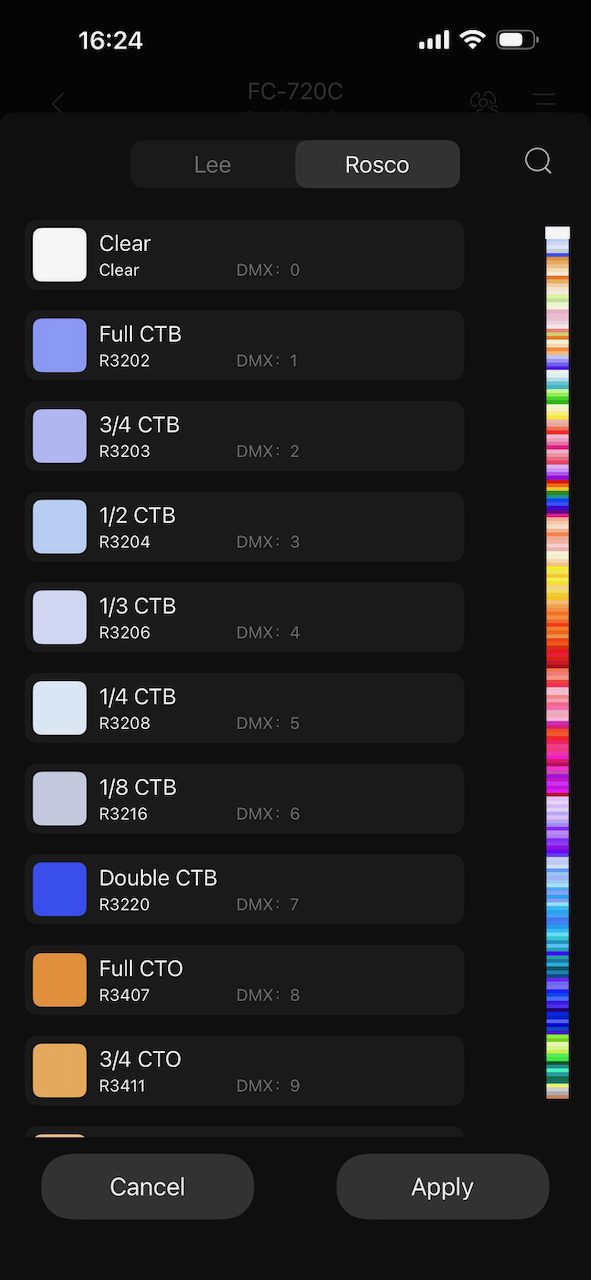
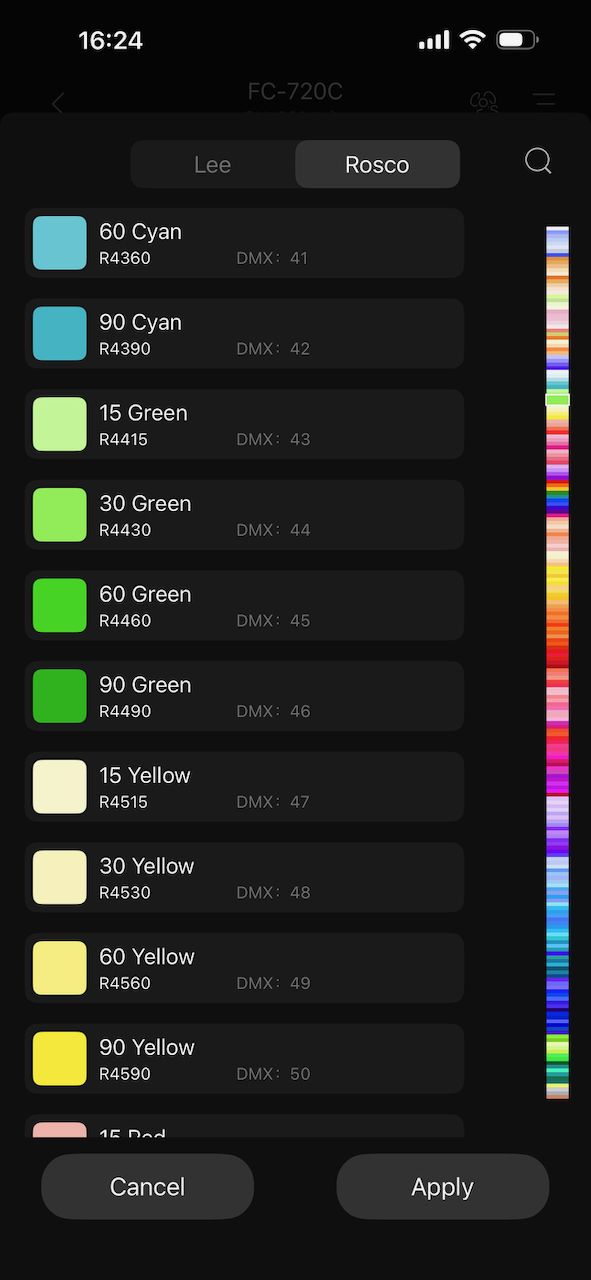
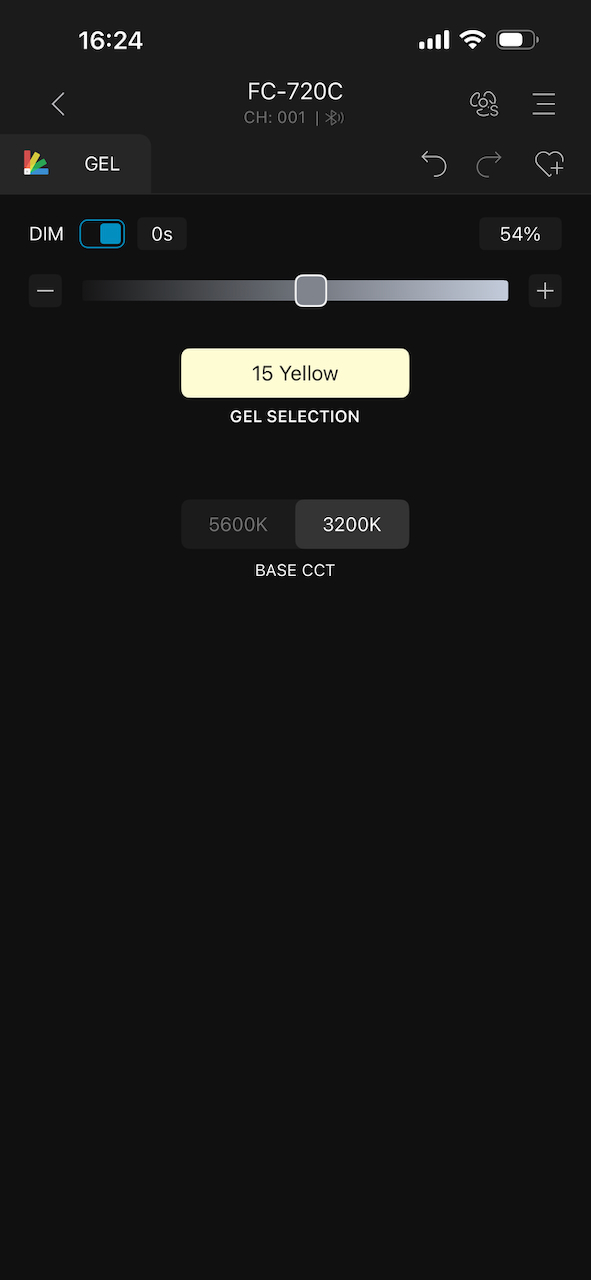
In the Gel mode, you can choose from a wide array of digital gels. You can also set the CCT to 3200K or 5600K.
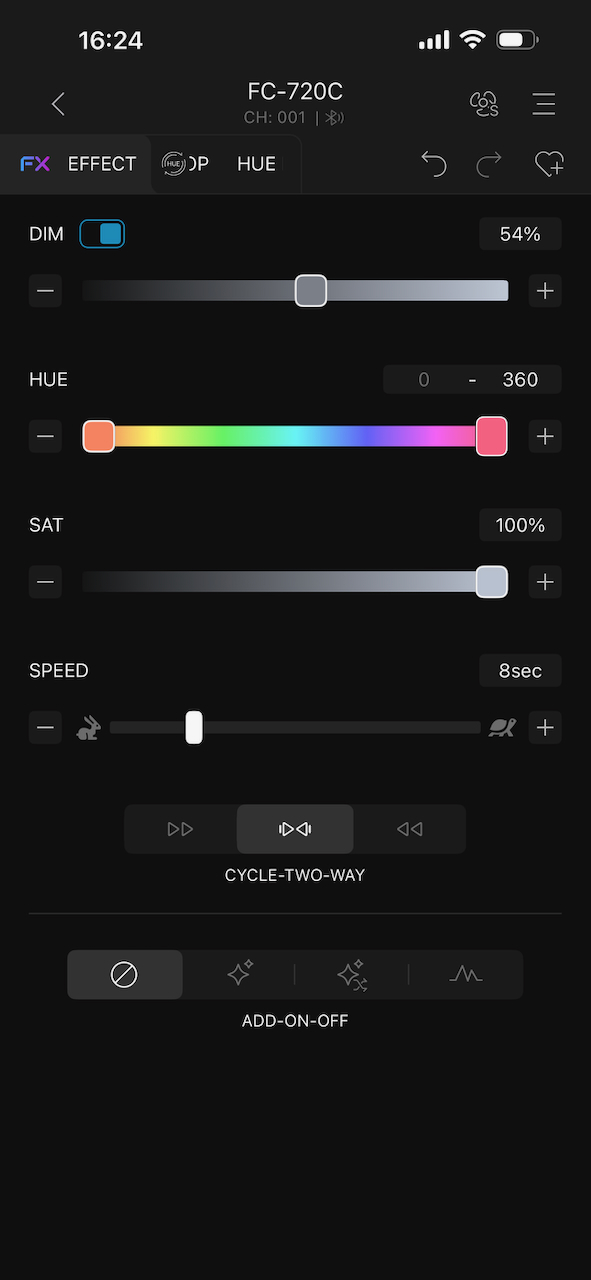
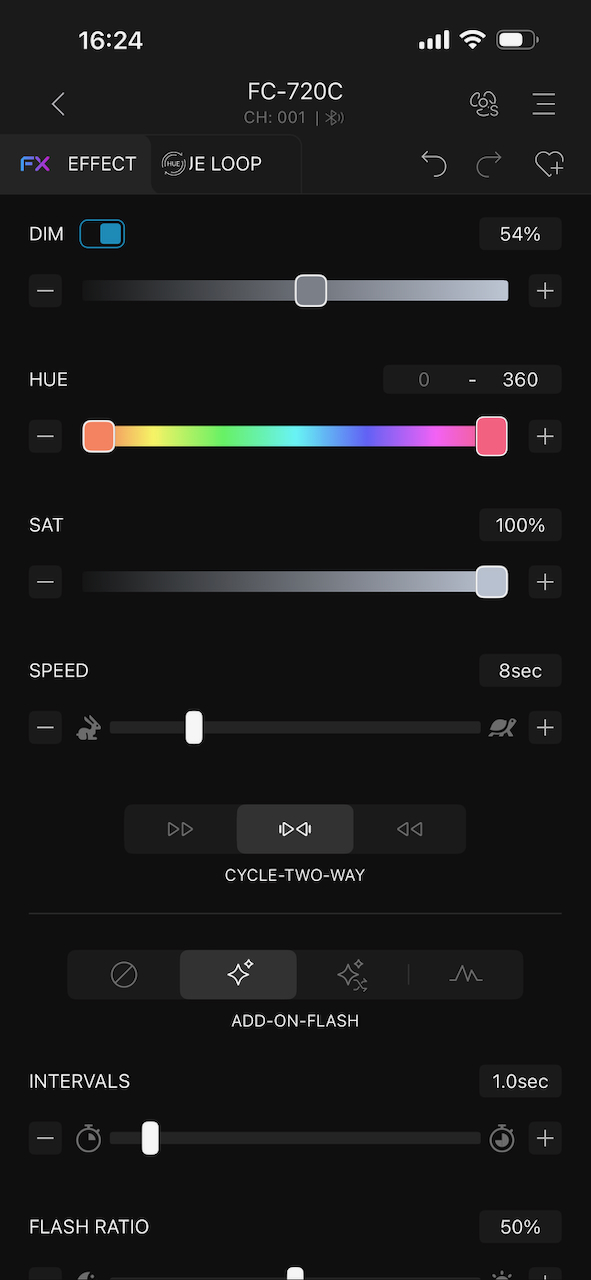
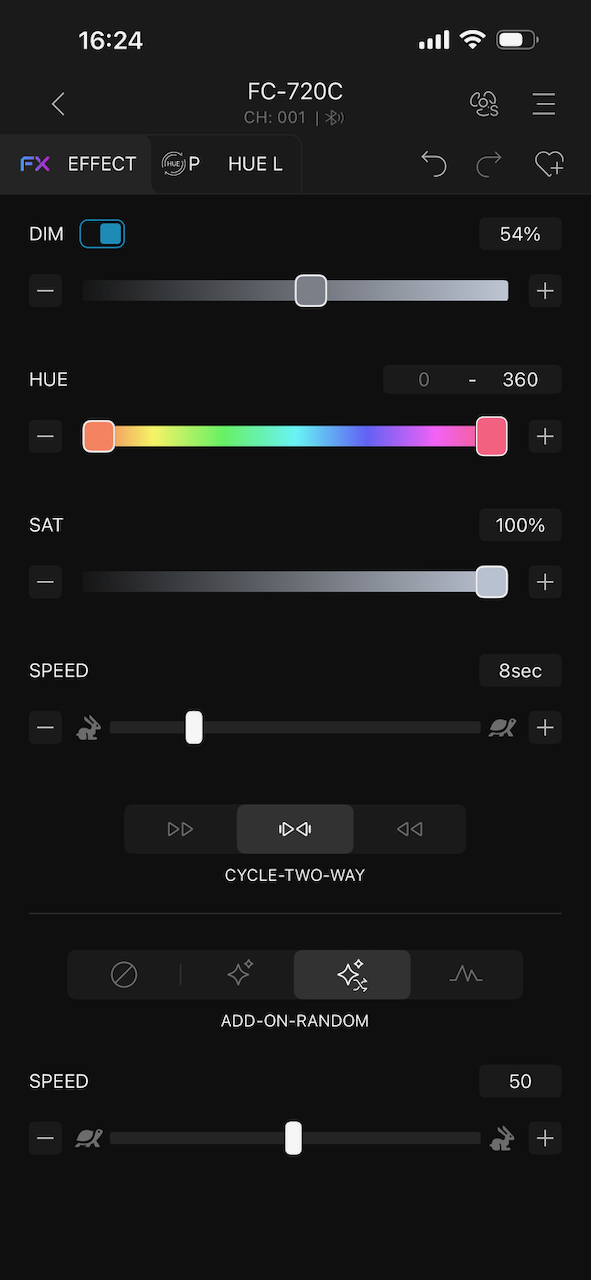
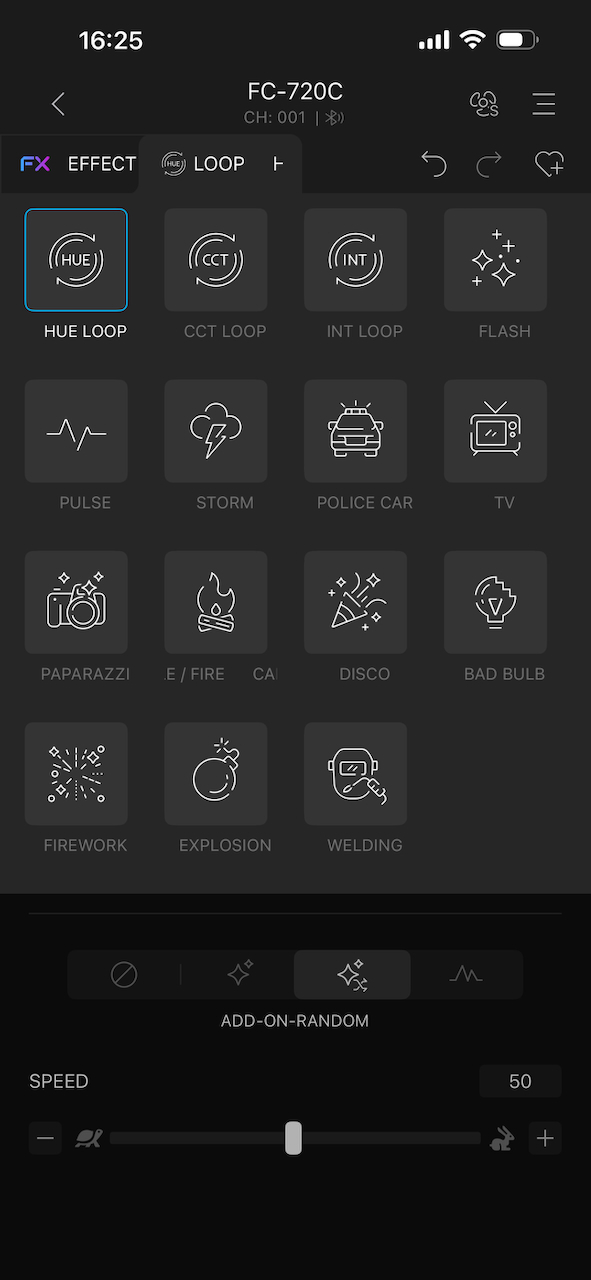
In the Effects mode, you can choose from a wide selection of different effects, and you can make adjustments.
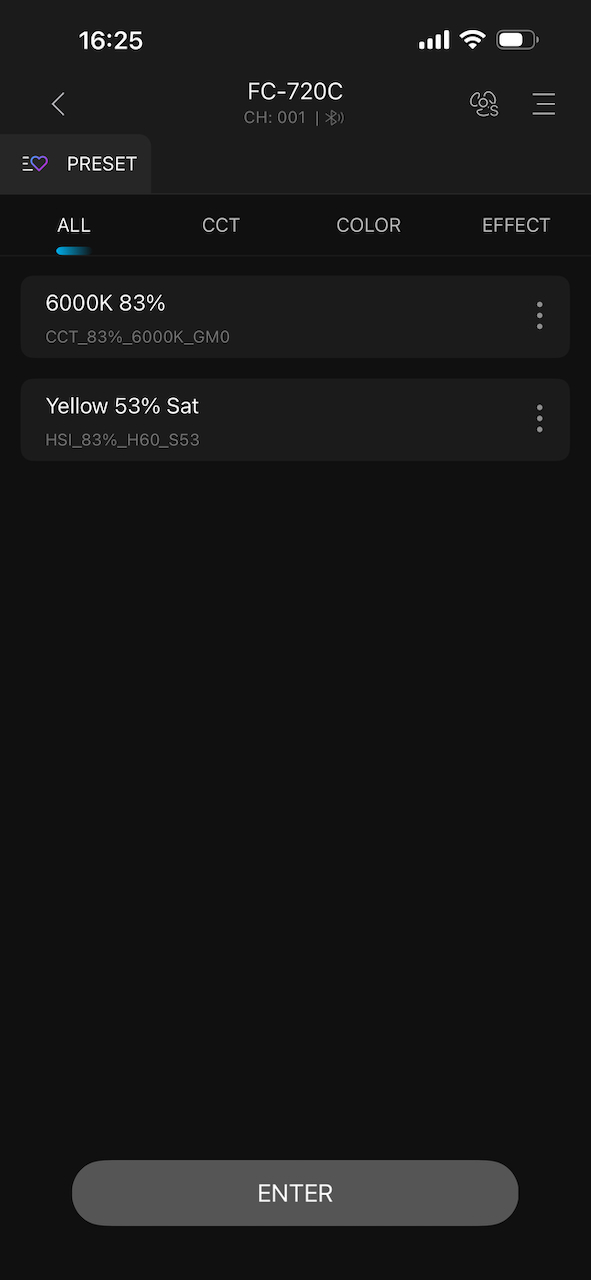
I like how you can save presets and then have them categorized. This makes recalling settings very easy to do.
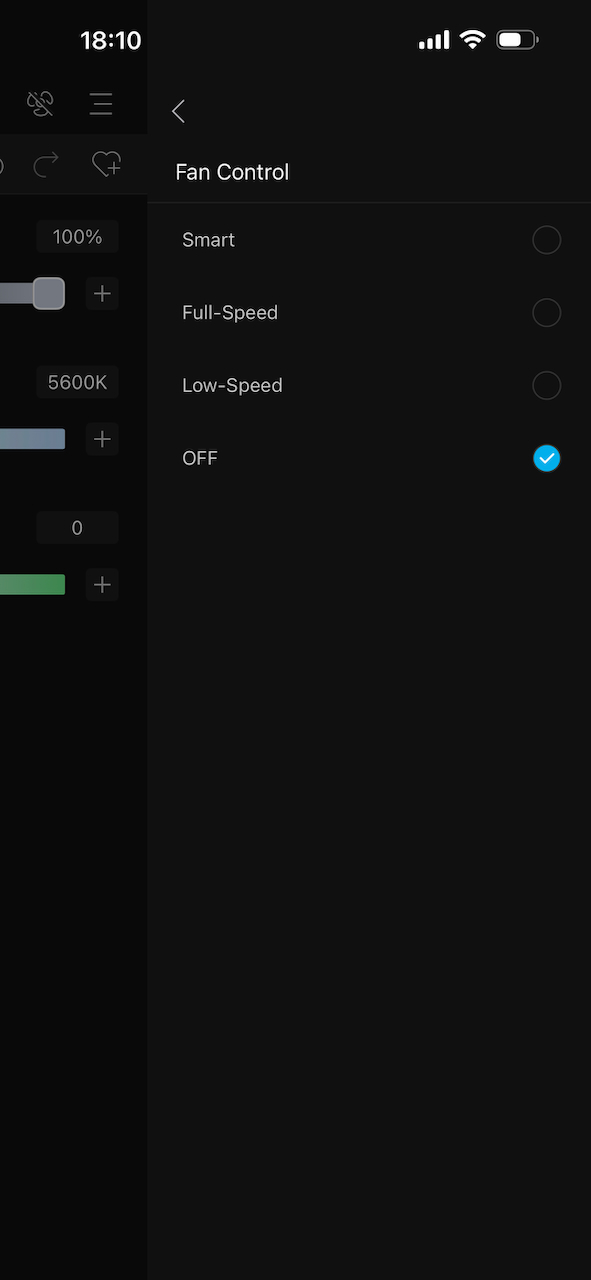
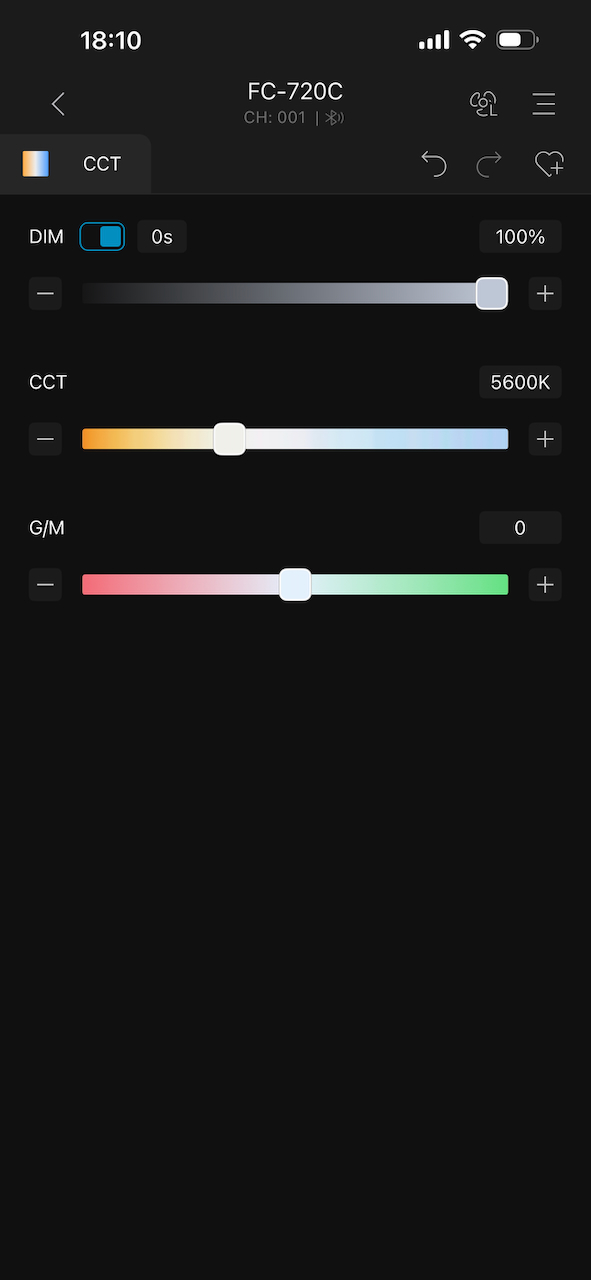
The app is straightforward and reasonably easy to use; however, there are still some quirks with it. If you are running the light and you have the fan turned off or set to low speed, the app will still show the output as 100% even though it is not. I am not sure why Nanlite can’t seem to be able to fix this, as I mention it in almost every review.
Beam Angle
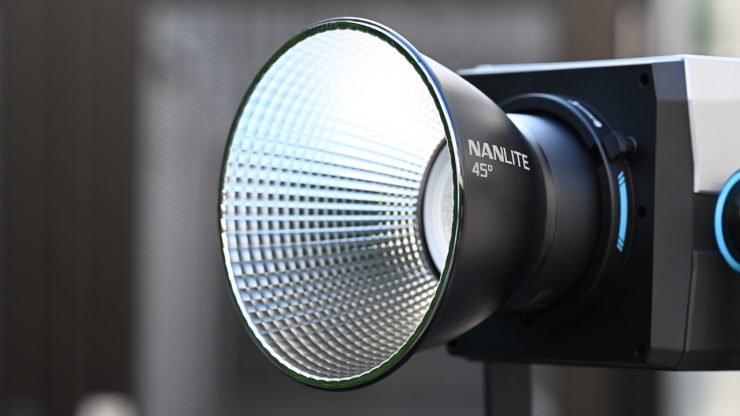
The beam angle of the fixture, when used open face, is 75°, which is narrower than the FC-500C, which has a beam angle of 120°. If you use the light with its included reflector, it is 55°.
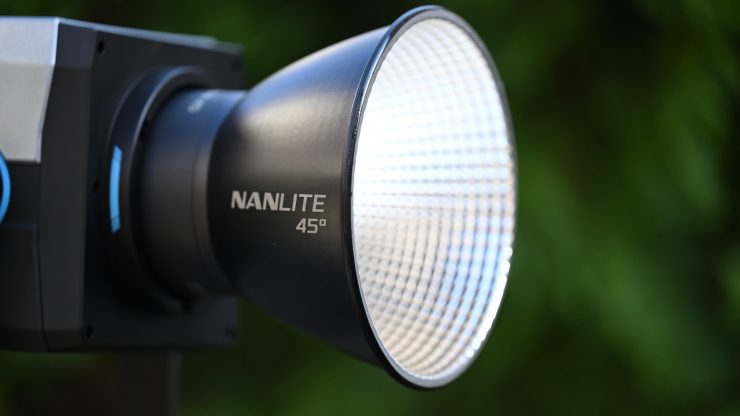
The included reflector is very similar to the ones that you get with most NANLITE Bowens mount fixtures.
A native beam angle of 75° is reasonably tight. However, in comparison, the amaran Ray 660c is also 75°, the NANLUX Evoke 600C has a beam angle of 65°, and the Aputure 700x has a native beam angle of 58º.
Photometrics
So now let’s get to the photometric results. I always test lights in this way so that I get a reference to how they compare to other fixtures. Results only tell part of the story and should never be used alone to judge a light. I have found from extensive testing over the years that certain lights that have good photometric results don’t always look good, and lights that have worse photometric scores can sometimes look better than their results indicate.
You can’t judge a light from one set of photometric results. You have to look at all of the different results to be able to come to a conclusion.
Different lights can also look different depending on what camera you happen to be using.
Output & Color Temperature Accuracy
I tested the NANLITE FC-720C at a variety of CCT settings with a Sekonic C-800 Spectrometer to find out how much output the light had and how accurate the Kelvin color temperature reproduction was. All readings are taken at a distance of 1m (3.28ft) in a controlled environment. The readings were also taken directly from the lighting source. In the case of using the light with the Reflector or softbox, the readings were taken from the end of the attachments.
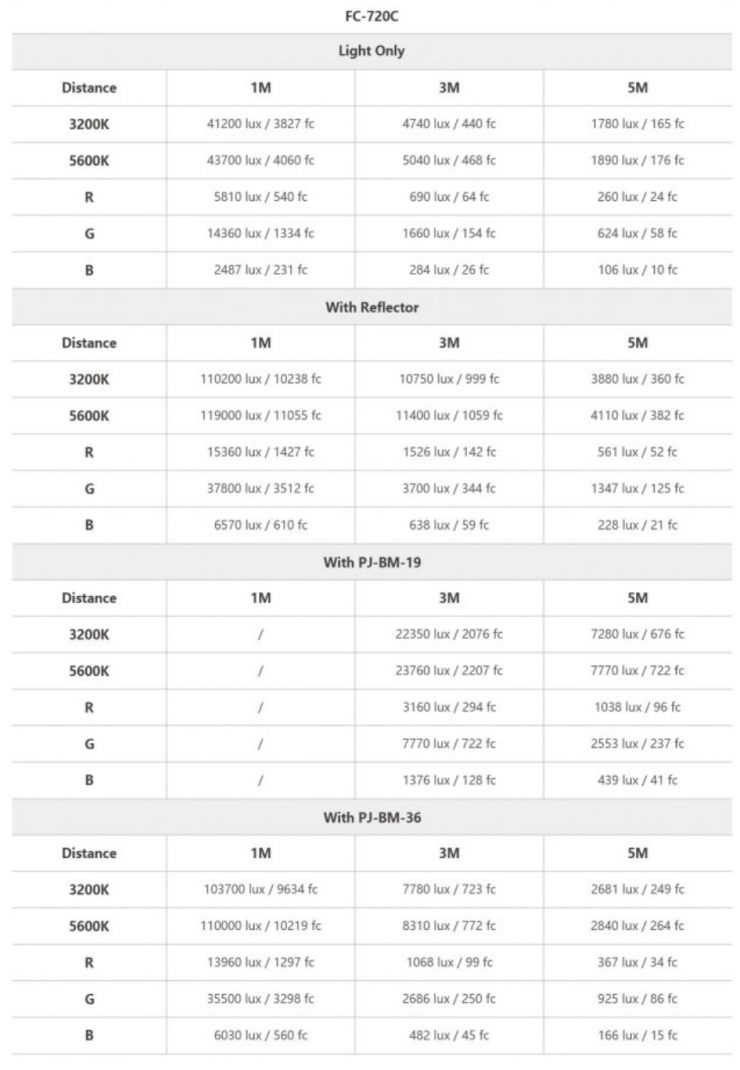
Above, you can see the claimed output figures from the manufacturer.
Open Face
Let’s first look at the light when it is used open face.
NANLITE FC-720C 5600K (Open Face)
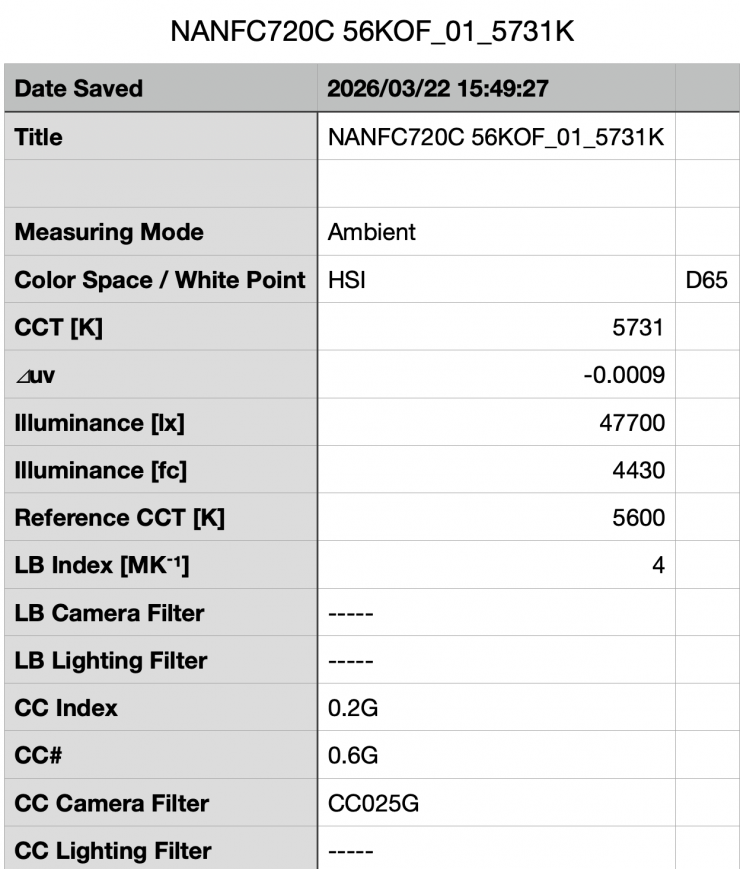
Above, you can see that the FC-720C recorded an output of 47,700 lx (4430 fc) when set at 5600K and used open face.
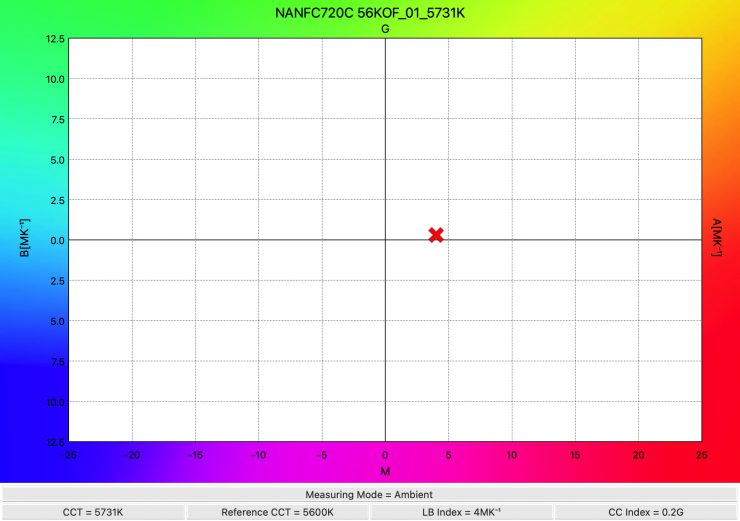
The light recorded a CCT reading of 5731K, which was a decent reading.
NANLITE FC-720C 3200K (Open Face)
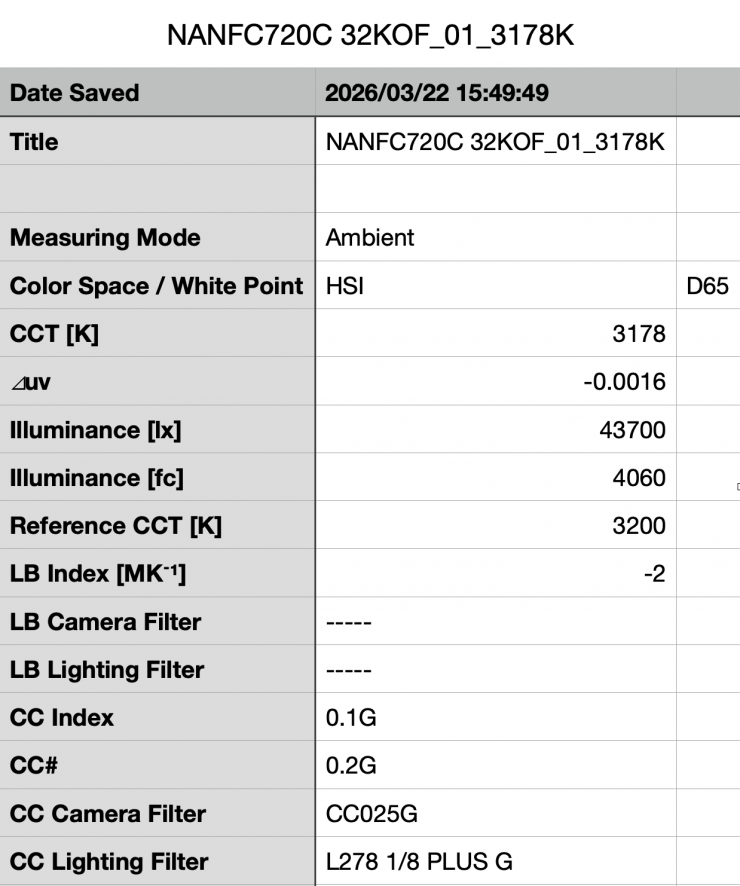
Above you can see the light’s output when it was set at 3200K in the open face configuration was 43,700 lx (1580 fc), which is just 8.03% less than the 47,700 lx it produced at 5600K.
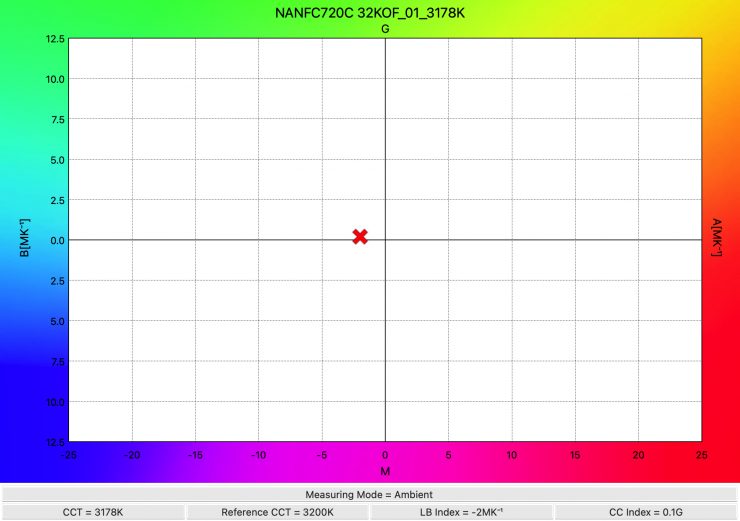
As far as CCT accuracy goes, it recorded a very accurate reading of 3178K.
Summary of results (Open Face)
| | OUTPUT | CCT |
| 2500K | 36,400 lx | 2589K |
| 3200K | 43,700 lx | 3178K |
| 4500K | 48,600 lx | 4543K |
| 5600K | 47,700 lx | 5731K |
| 6500K | 47,000 lx | 6630K |
| 8000K | 46,000 lx | 8232K |
| 10000K | 44,300 lx | 10637K |
Above, you can see a summary of results when the light was used open face at various CCT settings.
The results show me that the light’s CCT accuracy when used open face was pretty good across its CCT range, except at 10,000K. The output was pretty consistent at most CCT settings except for when it was used at 2500K.
So how does this compare to the NANLUX Evoke 600C, Profoto L600C, and NANLITE FC-500C when it is used open face? I have also added the amaran Ray 660c, but I haven’t tested this light, so these are manufacturers’ quoted figures that I can’t independently verify
| | Output at 5600K | CCT (K) |
| NANLITE FC-720C | 47,700 lx | 5731K |
| NANLITE FC-500C | 28,500 lx | 5577K |
| Profoto L600C | 21,700 lx | 5715K |
| NANLUX Evoke 600C | 34,000 lx | 5697K |
| amaran Ray 660c | 37,900 lx* | NA |
| | Output at 3200K | CCT (K) |
| NANLITE FC-720C | 43,700 lx | 3178K |
| NANLITE FC-500C | 27,900 lx | 3080K |
| Profoto L600C | 17,000 lx | 3274K |
| NANLUX Evoke 600C | 25,100 lx | 3217K |
| amaran Ray 660c | 36,300 lx* | NA |
*Manufacturers claimed output. Not independently tested.
Reflector @45°
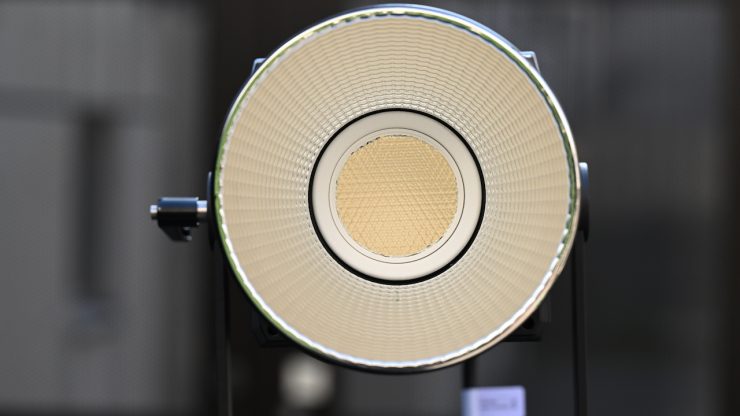
So, now let’s see how much output the light has when used with its Reflector @45°
NANLITE FC-720C 5600K Reflector @45°
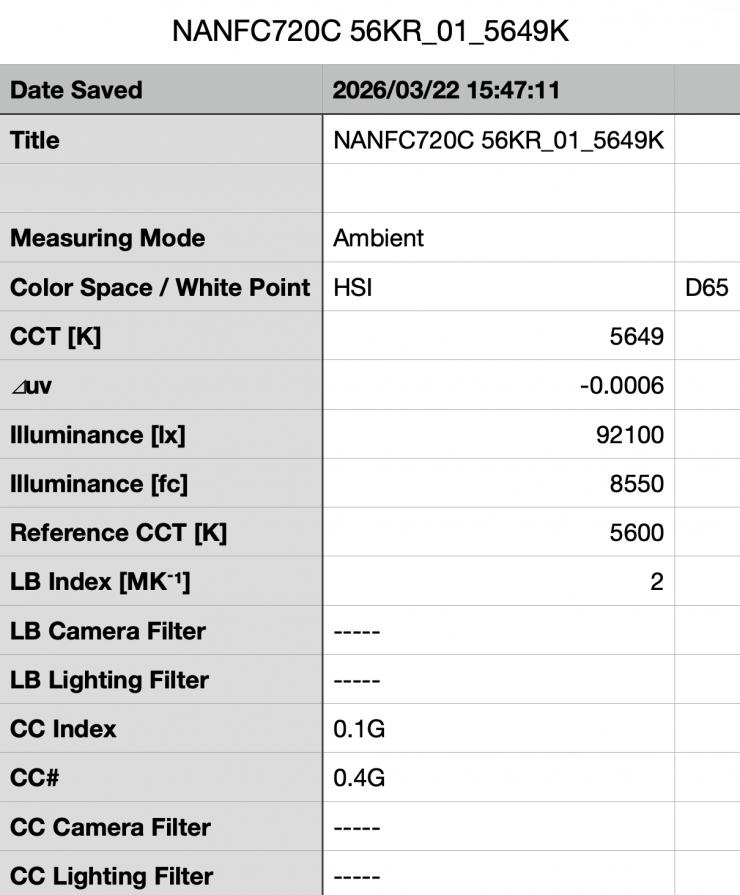
Above you can see the light’s output when it was set at 5600K with the standard reflector was 92,100 lx (8550 fc). It is important to note that this measurement was made 1m/ 3.3′ from the end of the reflector.
This is a ton of output from a light this size using a reflector.
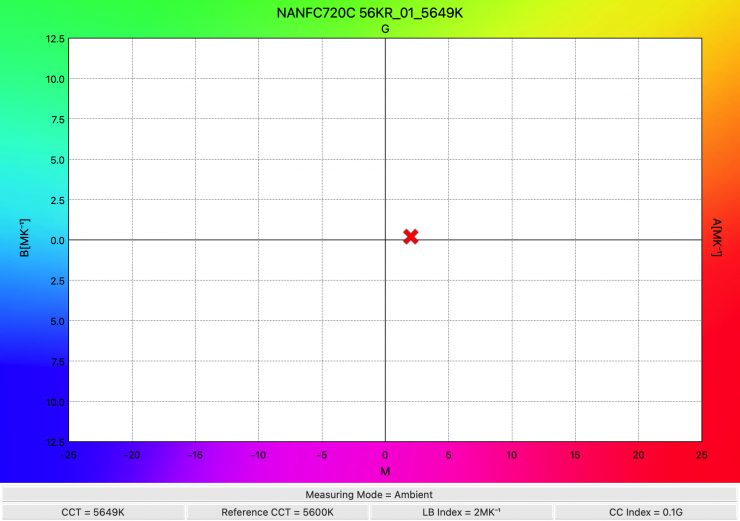
As far as CCT accuracy goes, it recorded a very good reading of 5649K. This was a better reading than the 5731K it recorded when used open face.
NANLITE FC-720C 3200K Reflector @45°
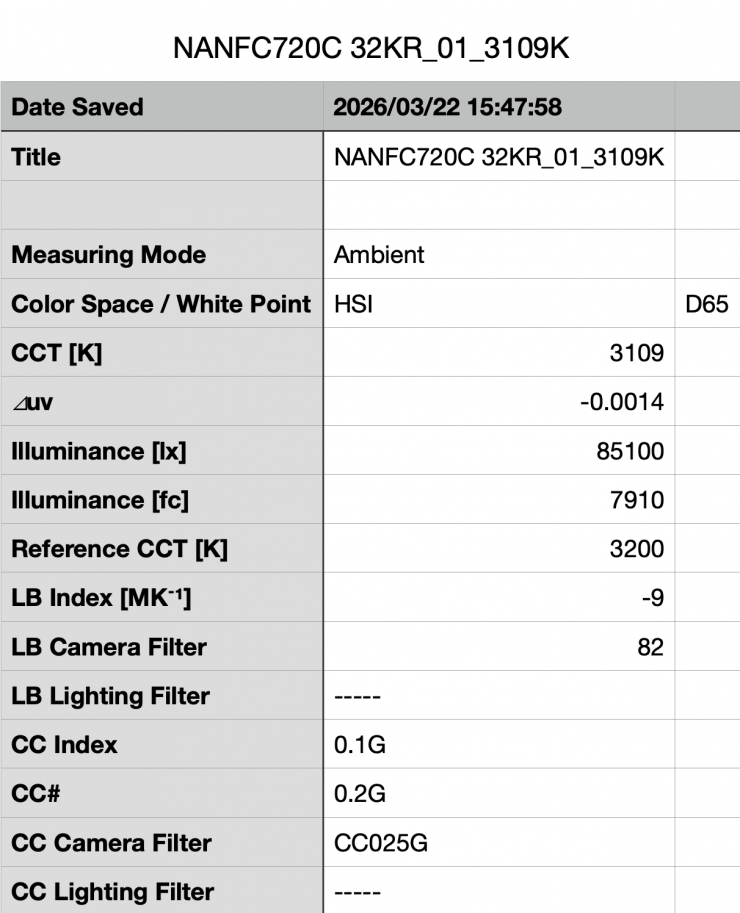
Above you can see the light’s output when it was set at 3200K with the standard 45° reflector was 85,100 lx (7910 fc), which was 7.6% less than what it output at 5600K.
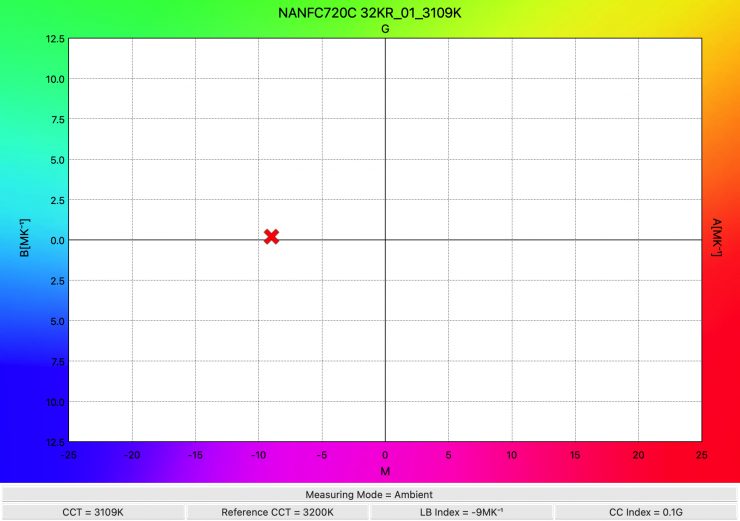
As far as CCT accuracy goes, it recorded a reading of 3109K, which was a good result.
Summary of results (45° reflector)
| | OUTPUT | CCT |
| 2500K | 73,200 lx | 2473K |
| 3200K | 85,100 lx | 3109K |
| 4500K | 93,300 lx | 4476K |
| 5600K | 91,100 lx | 5649K |
| 6500K | 89,500 lx | 6513K |
| 8000K | 87,100 lx | 8072K |
| 10000K | 82,900 lx | 10300K |
Above, you can see a summary of results when the light was used with its 45° reflector at various CCT settings.
The results show me that the light’s CCT accuracy when using the standard 45° reflector was excellent. The output was pretty consistent from 3200-8000K, but the light does have a bit less output at 2500K and 10,000K.
So how does this compare to some of the competition, and the more expensive EVOKE 600C, when they are used with their reflectors?
| | Output at 5600K | CCT (K) |
| NANLITE FC-720C | 91,100 (45° reflector) | 5649K |
| NANLITE FC-500C | 47,600 lx (55° Reflector) | 5624K |
| NANLUX Evoke 600C | 73,500 lx (45° reflector) | 5671K |
| amaran Ray 660c | 90,400 lx* (45° reflector) | NA |
| | Output at 3200K | CCT (K) |
| NANLITE FC-720C | 85,100 lx (45° reflector) | 3109K |
| NANLITE FC-500C | 45,600 lx (55° Reflector) | 3186K |
| NANLUX Evoke 600C | 49,700 lx (45° reflector) | 3237K |
| amaran Ray 660c | 86,900 lx* (45° reflector) | NA |
If you want to see how those figures compare to some more lights, I have put a table below:
5600K
| | Output at 5600K | CCT (K) |
| NANLITE FC-720C | 91,100 (45° reflector) | 5649K |
| Profoto L600C | 48,800 lx (45° reflector) | 5490K |
| NANLUX Evoke 600C | 73,500 lx (45° reflector) | 5671K |
| Kelvin Epos 600 | 83,000 lx (62° reflector) | 5666K |
| Prolycht Orion 675 FS | 55,700 lx (55° reflector) | 5515K |
| Aputure LS 600c Pro | 49,000 lx (62° reflector) | 5617K |
| Nanlite Forza 720B | 73,000 lx (55° reflector) | 5397K |
| Aputure LS 600x Pro | 64,800 lx (55° reflector) | 5397K |
Below you can see how the output of the NANLITE FC-720C compares to some HMI fixtures at a distance of 3m.
| | OUTPUT @5600K 3m / 9.9′ |
| NANLITE FC-720C 5600K Reflector @45° | 10,233 lx |
| ARRI M8 (Standard reflector 60°) | 4589 lx |
| ARRI M18 (Standard reflector 63°) | 9556 lx |
| K 5600 Lighting Joker 2 400W (50° super wide) | 2400 lx |
| K 5600 Lighting Joker 2 800W (50° super wide) | 5560 lx |
Please note that the readings from the two K 5600 Lighting options and the ARRI M8 and M18 are claimed figures. I haven’t independently tested these lights.
While the NANLITE FC-720C is quite different from a light like the Joker2 and M18, at least you can get some idea of how its output compares.
NANLITE FC-720C 5600K Reflector @45° Fan Low Speed
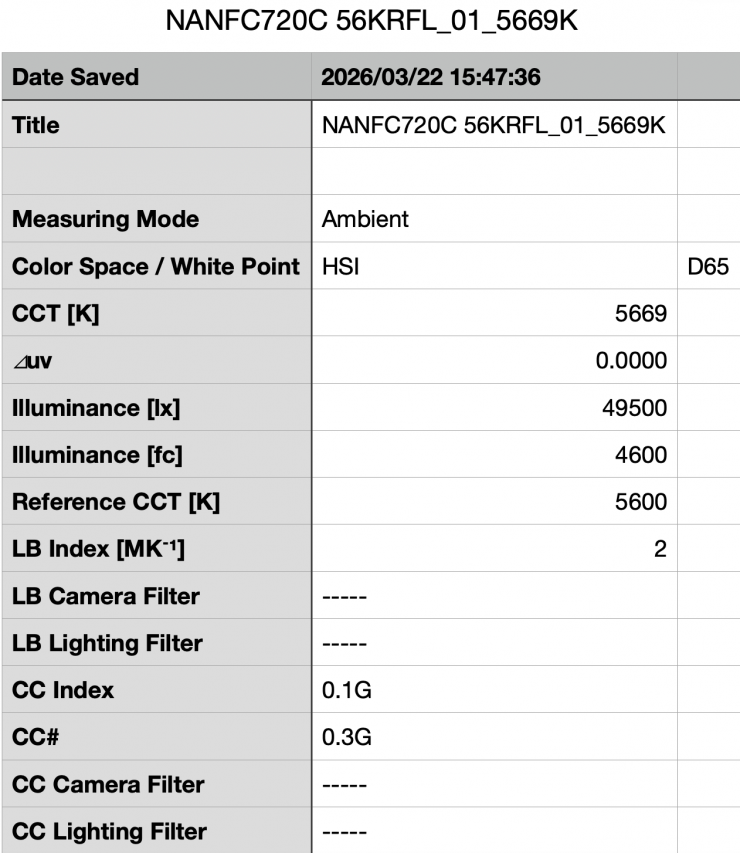
Above you can see the light’s output when it was set at 5600K with the standard 45° reflector, and with the fan set to Low was 49,500 lx (4600 fc), which was 46.25% less than what it output with the fan set to Smart or Max.
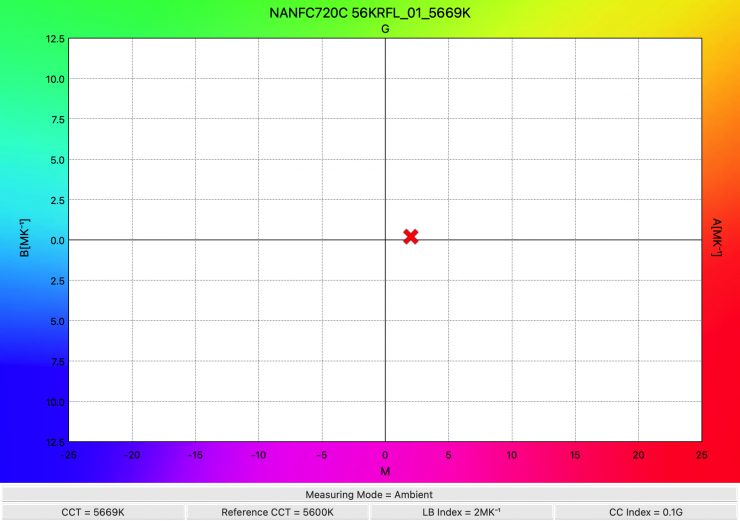
As far as CCT accuracy goes, it recorded a reading of 5669K, which was an excellent result.
NANLITE FC-720C 5600K Reflector @45° Fan Off
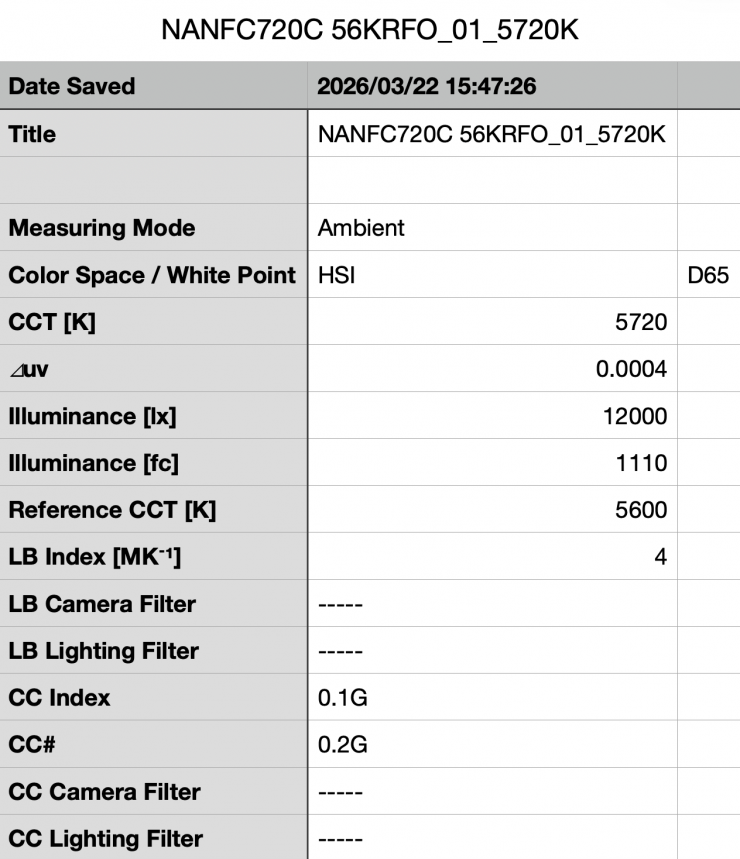
Above you can see the light’s output when it was set at 5600K with the standard 45° reflector, and with the fan set to Off was 12,100 lx (1100 fc), which was 86.82% less than what it output with the fan set to Smart or Max.
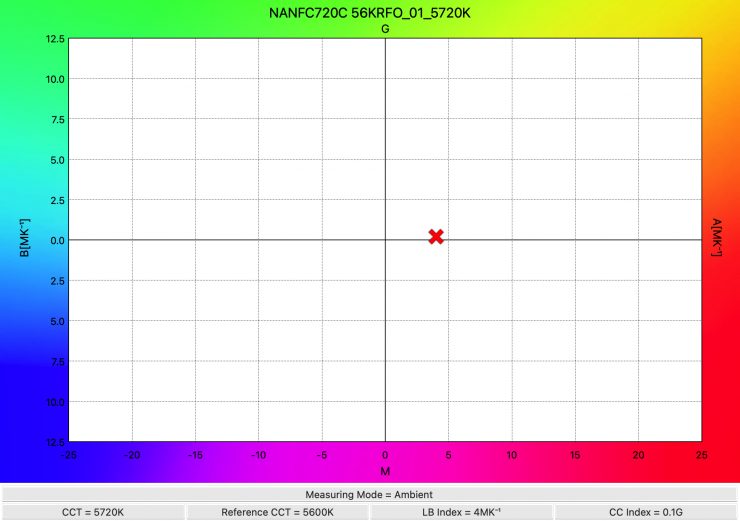
As far as CCT accuracy goes, it recorded a reading of 5702K, which was an good result.
DoPchoice Octa Softbox (3′)
As this is a light that is likely to be used with lighting modifiers such as softboxes, let’s have a look at the output and CCT accuracy when using a DoPchoice Octa Softbox (3′).
NANLITE FC-720C DoPchoice Octa 3′ Softbox (two layers of diffusion) 5600K
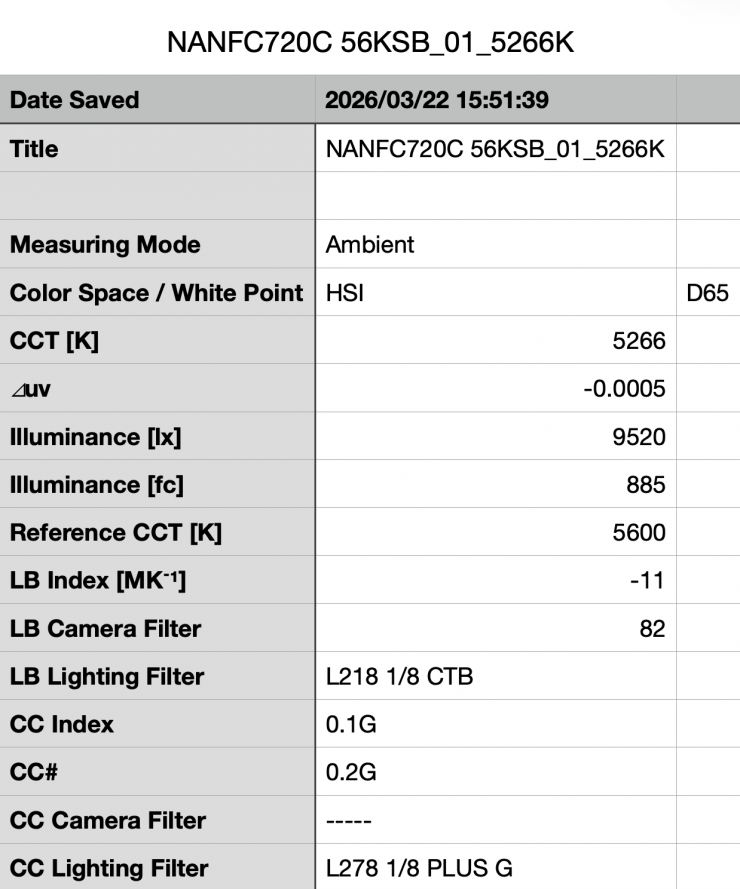
Above you can see the light’s output when it was set at 5600K and used with a DoPchoice Octa Softbox 3′ with two layers of diffusion was 9520 lx (885 fc). This was a ton of output for a configuration like this.
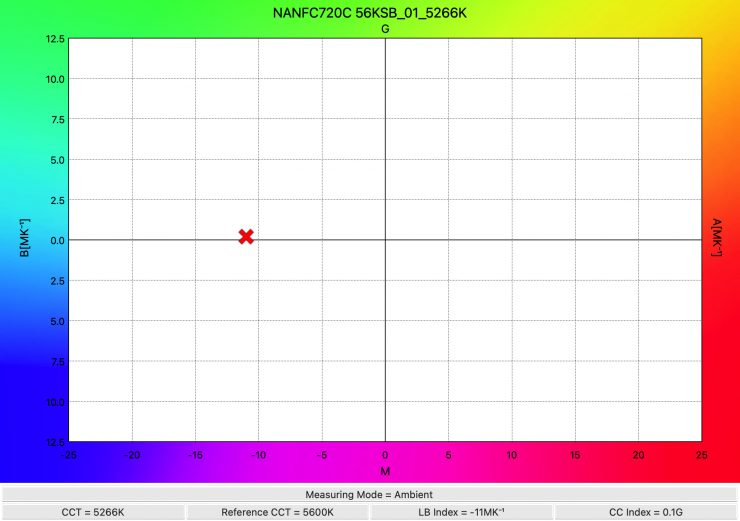
As far as CCT accuracy goes, it recorded an excellent reading of 5266K, which was 334K from being correct.
NANLITE FC-720C DoPchoice Octa 3′ Softbox (two layers of diffusion) 3200K
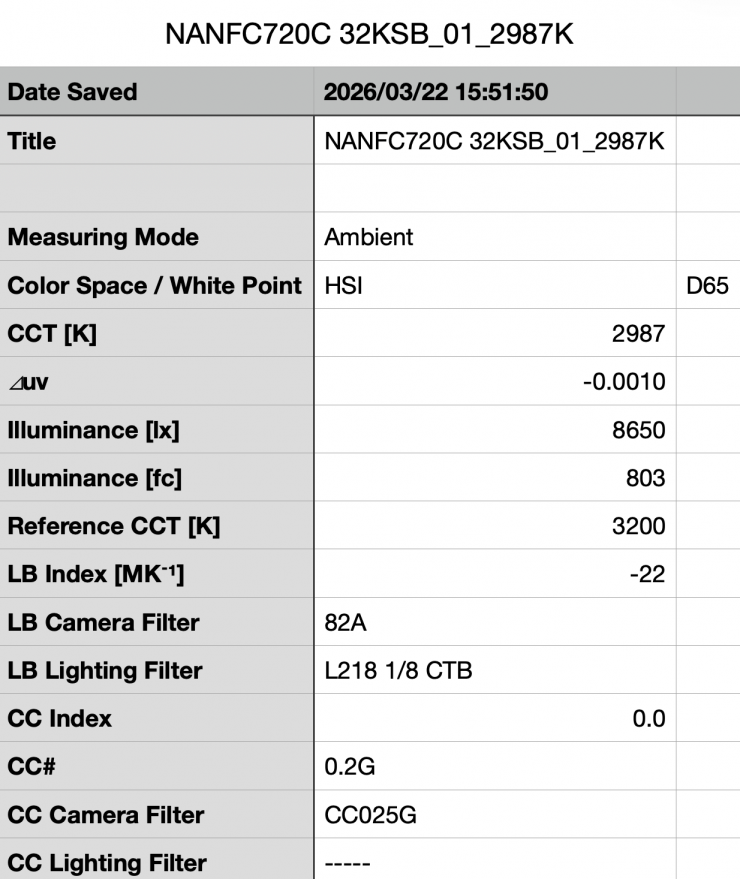
Above, you can see the light’s output when it was set at 3200K, with a DoPchoice Octa Softbox 3 using two layers of diffusion was 8650 lx (803 fc).
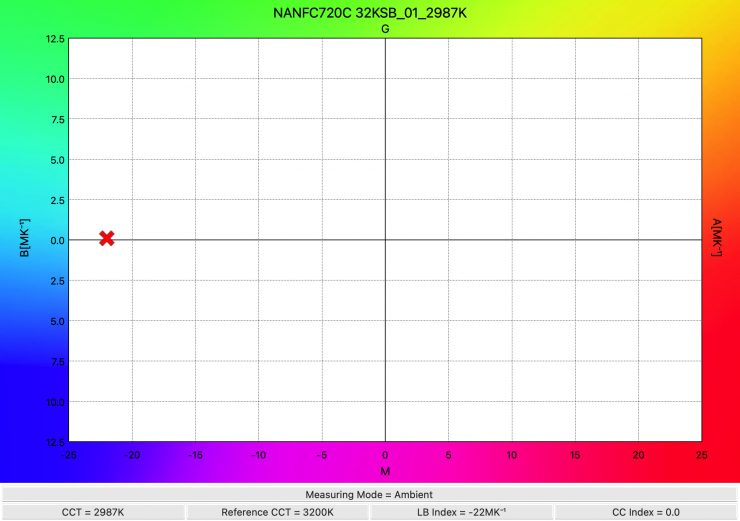
As far as CCT accuracy goes, it recorded an excellent reading of 2987K, which was 213K off being correct.
The FC-720C produces a ton of output when using the DoPchoice Octa softbox 3′.
+/- Green adjustment
As the fixture includes +/- Green adjustment, you can quite easily correct any tint. While there is no exact science to this, and it really depends on what camera you are using as well, it’s just a matter of trial and error to see what setting actually works the best. The nice thing is, any light with +/- Green adjustment can be fine-tuned to deliver better results.
CCT consistency & linear output when dimming the light
Now, what you should always do when testing lights is to see if the CCT remains consistent when dimming the light. Just because you set a light at say 5600K, that doesn’t mean that the CCT will remain stable as you start dimming the fixture down. I also wanted to see how linear the dimming curve was.
I decided to do a series of tests at 100%/75%/50%/25%10% to see if the CCT being recorded changed. This was done at a distance of 1m / 3.3′ using a Sekonic C-800. These tests were done at 5600K with the light being used with its Reflector.
NANLITE FC-720C Reflector @45° (Linear Dimming)
| CCT READING | OUTPUT | INTENSITY % |
| 5649K | 91,100 lx | 100 |
| 5726K | 75,400 lx | 75 |
| 5652K | 53,100 lx | 50 |
| 5683K | 30,200 lx | 25 |
| 5716K | 12,900 lx | 10 |
The NANLITE FC-720C maintained excellent CCT consistency as you start dimming the fixture. My testing showed that the CCT readings varied by just 77K from 100% to 10%.
As far as how linear the output is when you start dimming the light, at 50% output, it had 42.35% less output than when used at 100%. At 25%, it had 67.20% less output than when used at 100%. At 10% output, it had 85.99% less output than when used at 100%. This shows me that the light’s linear dimming curve could be better.
Color Rendering
So now that we have seen how much output the NANLITE FC-720C produces, how does it perform when it comes to replicating accurate colors?
NANLITE FC-720C 5600K (Reflector @45°)
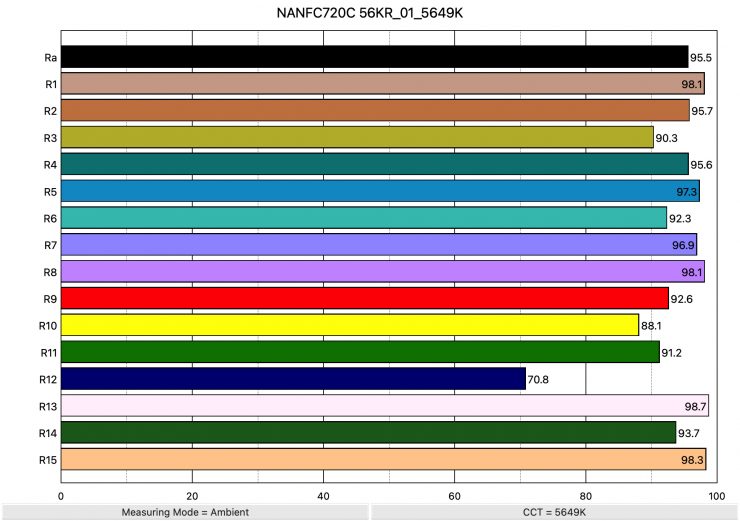
Above, you can see that when the light was set at 5600K, using the 45-degree reflector recorded an average CRI (R1-R8) of 95.5 and an extended CRI (R1-R15) of 93.18. For replicating accurate skin tones, it recorded 92.6 for R9 (red), 98.7 for R13 (closest to caucasian skin tones), and 98.3 for R15 (closest to Asian skin tones). These were decent results, but both R10 (Yellow) and R12 (Blue) were below 90. The score for R12 (Blue) was pretty low for a modern LED fixture.
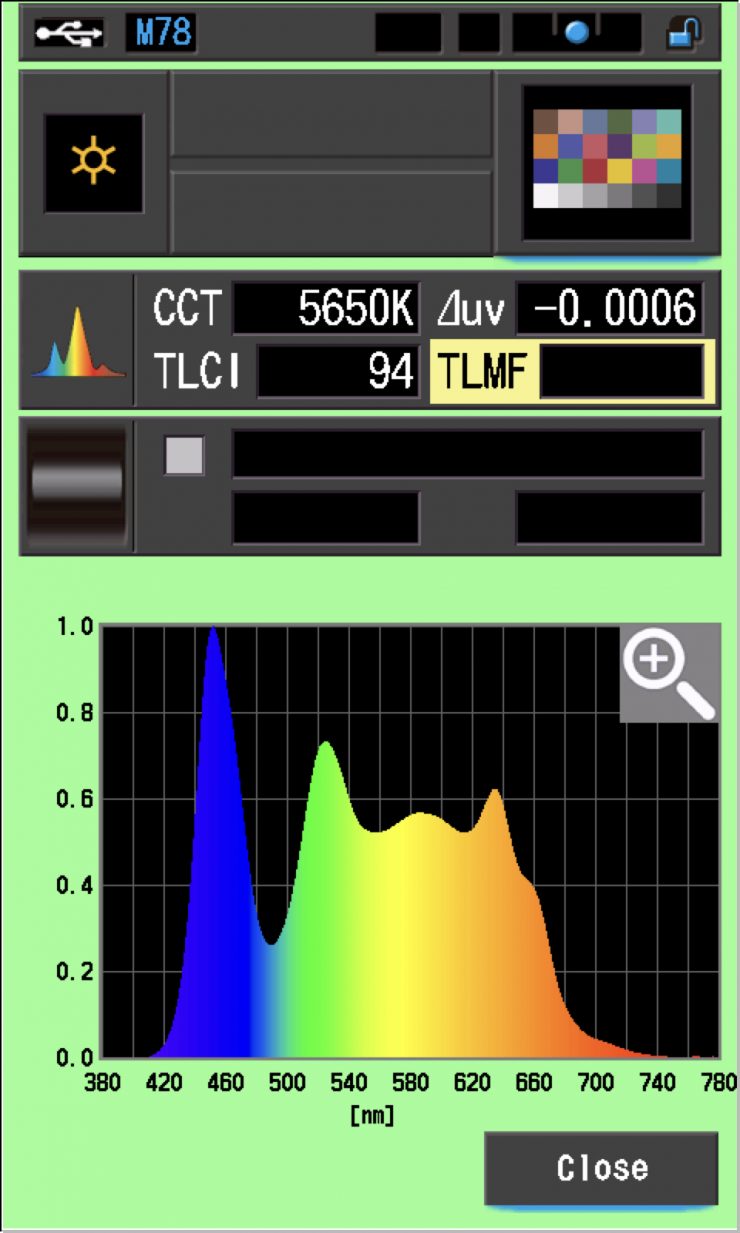
The light, when set at 5600K using its Reflector, recorded a TLCI score of 94, which was a little low for a modern LED light.
NANLITE FC-720C 3200K (Reflector @45°)
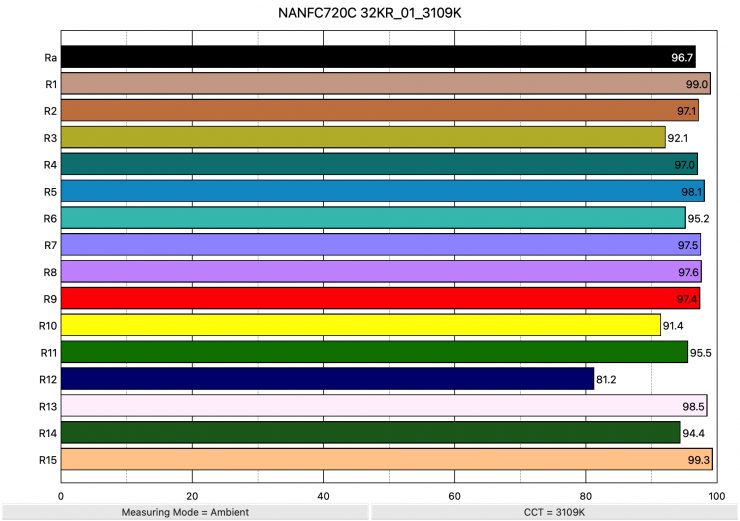
Above, you can see the scores for when the light was used at 3200K. It recorded an average CRI (R1-R8) of 98.7 and an extended CRI (R1-R15) of 95.42. For replicating accurate skin tones, it recorded 97.4 for R9 (red), 98.5 for R13 (closest to caucasian skin tones), and 99.3 for R15 (closest to Asian skin tones). These were very good results, and only R12 (Blue) was below 90.
These results were very good and almost as good as when the light was used at 5600K.
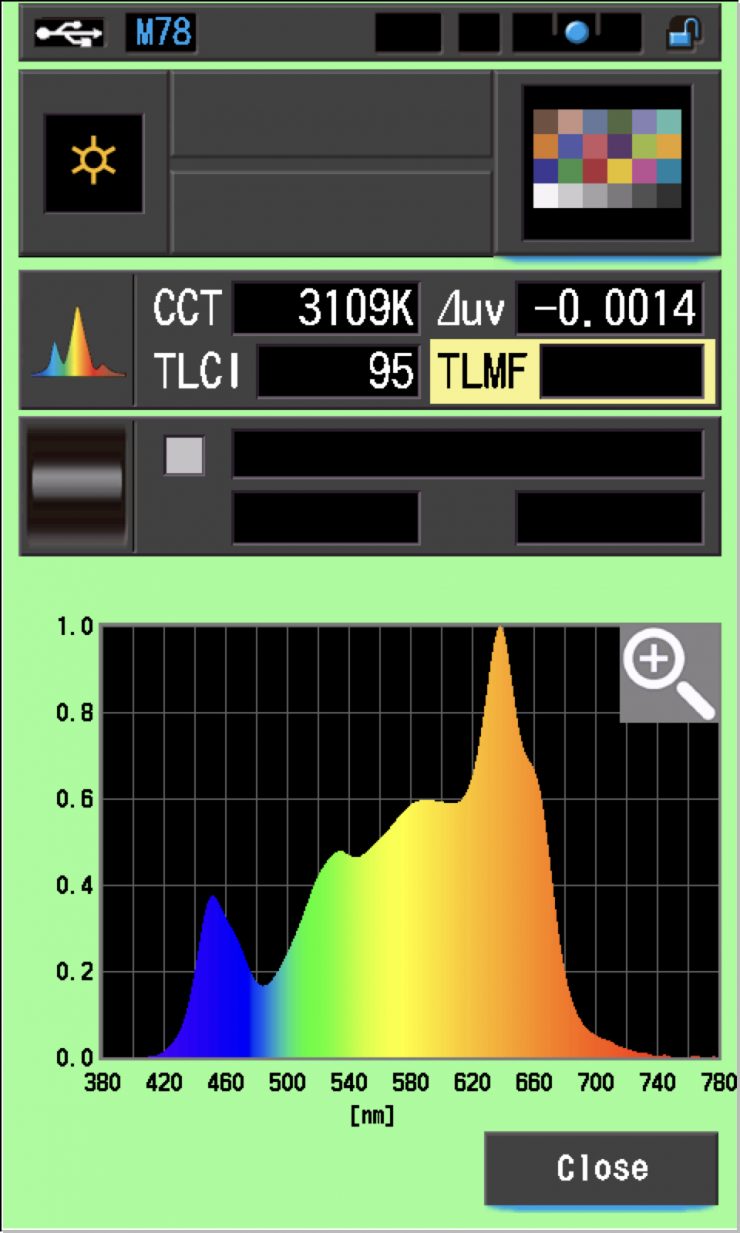
The light, when set at 3200K, recorded a TLCI score of 95.
How do these figures at 3200K and 5600K compare to other lights that we have previously reviewed? Below you can see:
5600K
| | EXTENDED CRI | R9 | R13 | R15 |
| NANLITE FC-720C | 93.18 | 92.6 | 98.7 | 98.3 |
| NANLITE FC-500C | 93.3 | 96.7 | 98.7 | 97.3 |
| Profoto L600C | 98.04 | 92.8 | 99.5 | 99.1 |
| NANLUX Evoke 600C | 97.75 | 96.5 | 98.6 | 99.1 |
| Kelvin Epos 600 | 96.06 | 95.9 | 98.4 | 98.0 |
| Prolycht Orion 675 FS | 96.73 | 98.2 | 98.9 | 99.5 |
| Aputure LS 600c Pro | 95.32 | 98.9 | 99.1 | 99.0 |
The scores were decent for the NANLITE FC-720C, but they were lower than more expensive fixtures that use more sophisticated lighting engines.
3200K
| | EXTENDED CRI | R9 | R13 | R15 |
| NANLITE FC-720C | 95.42 | 97.4 | 98.5 | 99.3 |
| NANLITE FC-500C | 93.71 | 94.7 | 95.6 | 96.3 |
| Profoto L600C | 97.34 | 98.0 | 97.2 | 98.2 |
| NANLUX Evoke 600C | 96.16 | 89.6 | 98.1 | 97.3 |
| Kelvin Epos 600 | 97.42 | 91.7 | 99.3 | 97.6 |
| Prolycht Orion 675 FS | 94.19 | 79.0 | 96.5 | 93.2 |
| Aputure LS 600c Pro | 96.78 | 91.5 | 93.9 | 95.7 |
The scores were excellent for the NANLITE FC-720C at 3200K, and it wasn’t far behind much more expensive fixtures with more sophisticated lighting engines.
NANLITE FC-720C 5600K (Open Face)
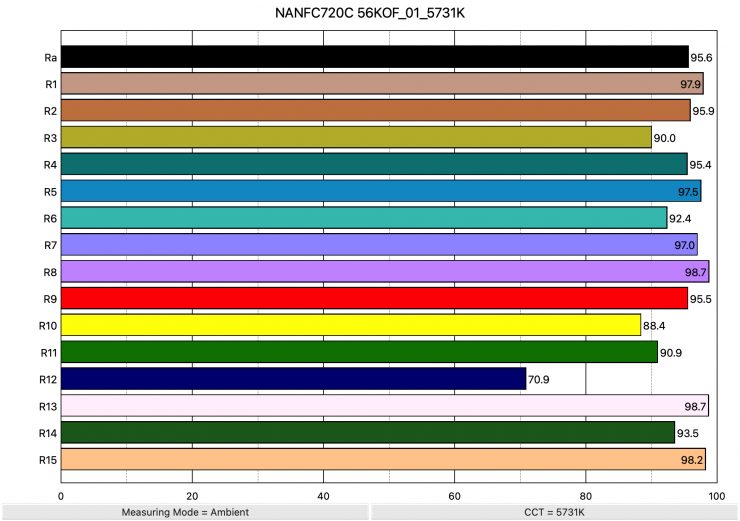
Above you can see that when the light was set at 5600K and used open face recorded an average CRI (R1-R8) of 95.6 and an extended CRI (R1-R15) of 93.39. For replicating accurate skin tones, it recorded 95.5 for R9 (red), 98.7 for R13 (closest to caucasian skin tones), and 98.2 for R15 (closest to Asian skin tones). These were decent results, but R10 (Yellow) and R12 (Blue) were both below 90.
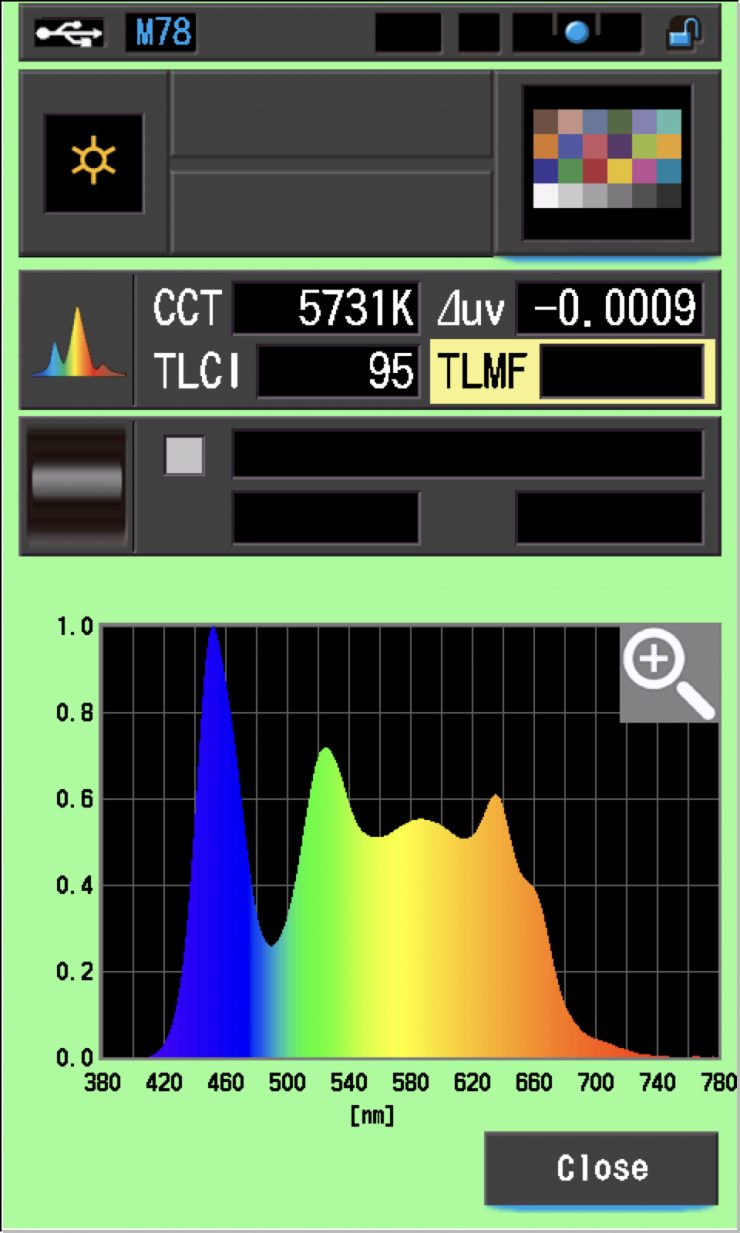
The light, when set at 5600K and used open face, recorded a TLCI score of 95.
NANLITE FC-720C 3200K (Open Face)
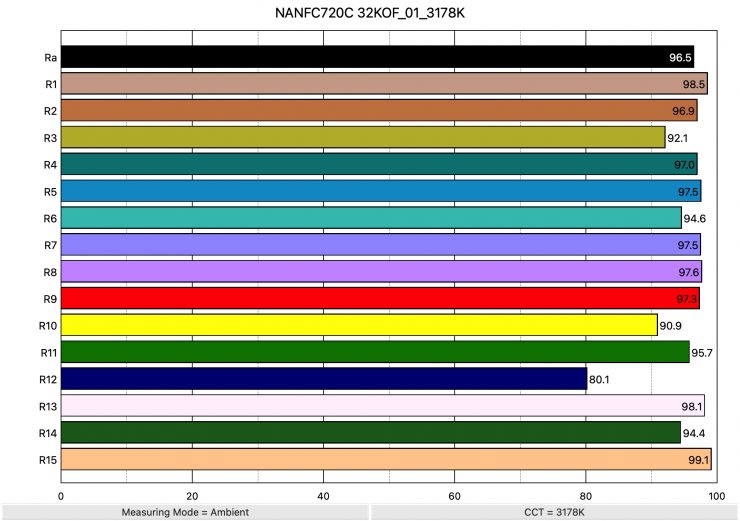
Above, you can see that when the light was set at 3200K using the standard reflector recorded an average CRI (R1-R8) of 96.5 and an extended CRI (R1-R15) of 95.20. For replicating accurate skin tones, it recorded 97.3 for R9 (red), 98.1 for R13 (closest to caucasian skin tones), and 99.1 for R15 (closest to Asian skin tones). These were excellent results, and only R12 (Blue) was below 90.
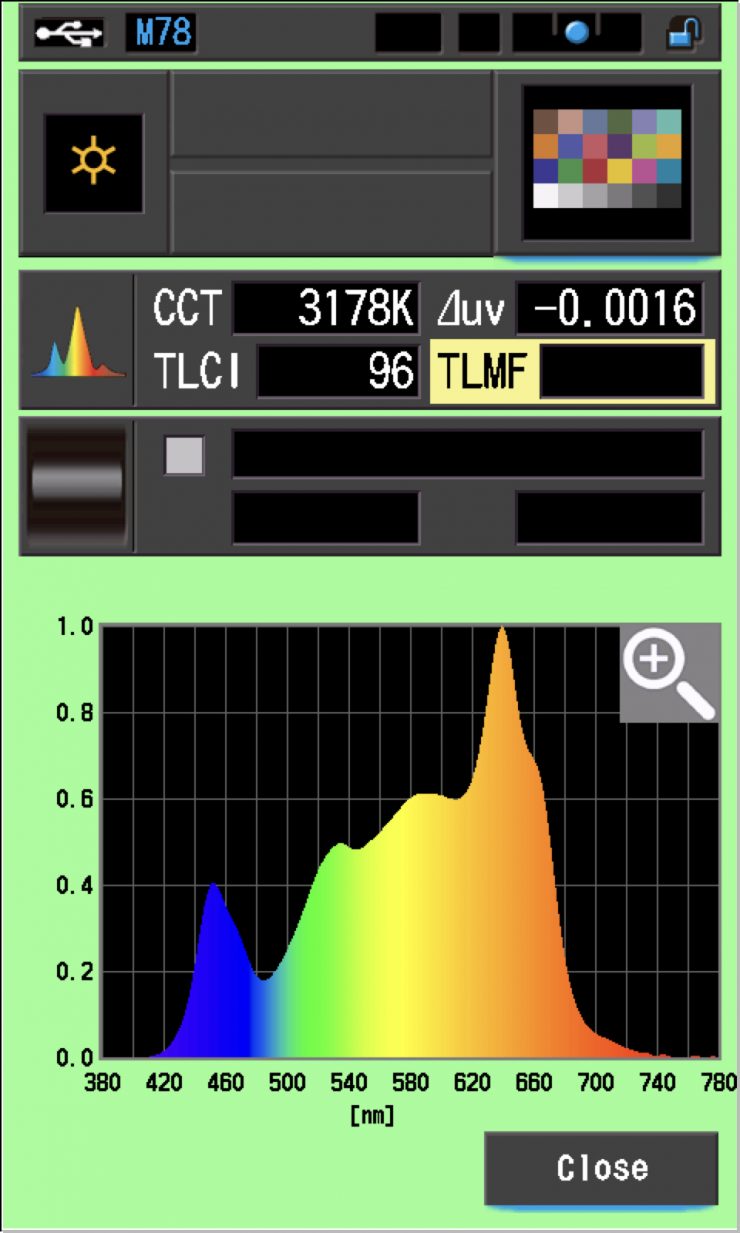
The light, when set at 3200K and used open face, recorded a TLCI score of 96.
CC Index & ⊿uv
The CC Index displays the CC correction value and whether any magenta or green need to be added or subtracted. 1 CC corresponds to 035 Kodak CC values or 1/8 Rosco filter values. Any reading less than +1.00 or -1.00 and you’re probably not going to need to make any kind of adjustment. The ⊿uv is the value to show how much this light is away from being an ideal light source (black body radiation = incandescent lamp). As with the CC Index you want this number to theoretically be zero. Kelvin is not a linear value, so we need to convert from Kelvin to MK-1 to compare the values of color temperature. To calculate from Kelvin to Mired is MK-1= 1*1000000/Kelvin. While this may sound confusing, it is the only way of measuring if the Kelvin shift is significant enough to warrant having to use a filter for correction. Below are the results for the NANLITE FC-720C:
NANLITE FC-720C Vs MK-1 (Reflector @45°)
| | Kelvin | Difference in K | MK-1 | Difference in MK-1 |
| SET VALUE | 2500K | 0 | 400 | 0 |
| ACTUAL READING | 2473K | 27 | 404.36 | -4.36 MK-1 |
| SET VALUE | 3200K | 0 | 312.5 | 0 |
| ACTUAL READING | 3109K | 91 | 321.64 | -9.14 MK-1 |
| SET VALUE | 4500K | 0 | 222.22 | 0 |
| ACTUAL READING | 4476K | 24 | 223.41 | -1.19 MK-1 |
| SET VALUE | 5600K | 0 | 178.57 | 0 |
| ACTUAL READING | 5641K | 41 | 177.27 | 1.30 MK-1 |
| SET VALUE | 6500K | 0 | 153.84 | 0 |
| ACTUAL READING | 6513K | 13 | 153.54 | 0.30 MK-1 |
| SET VALUE | 8000K | 0 | 125 | 0 |
| ACTUAL READING | 8072K | 72 | 123.88 | 1.12 MK-1 |
| SET VALUE | 10000K | 0 | 100 | 0 |
| ACTUAL READING | 10300K | 300 | 97.08 | 2.92 MK-1 |
These figures might look confusing, but what they tell me is that the light is extremely CCT-accurate from 4500K to 10,000K. The only real anomaly was at 3200K, where the light was way off. Any MK-1 score that is under -9/9 means you wouldn’t have to use any color correction gels. The MK-1 scores for this light were extremely good, apart from 3200K.
NANLITE FC-720C CC INDEX & ⊿uv (Reflector @45° )
| | CC INDEX | ⊿uv |
| 2500K | 0.3G | -0.0012 |
| 3200K | 0.1G | -0.0014 |
| 4500K | 0.0 | -0.0005 |
| 5600K | 0.1G | -0.0006 |
| 6500K | 0.2G | 0.0002 |
| 8000K | 0.6G | -0.0007 |
| 10000K | 0.9G | 0.0003 |
The ⊿uv scores were some of the most consistent I’ve ever seen from an LED light. The CC Index scores were also very good from 2500-6500K.
TM-30
TM-30 is a relatively new color rendering standard that was developed to deal with the limitations of CRI. TM-30 looks at 99 individual colors. These 99 colors are categorized into seven groups: nature, skin color, textiles, paints, plastics, printed material, and color systems.
TM-30 scores go from 0 – 100. The higher the score, the more accurate a light is at producing colors. Any TM-30 Rf score in the ’90s is considered to be good. What is interesting and something that you need to be very aware of is that two separate light sources with the exact same CRI scores can render colors very differently. A light with a high CRI rating could have a low TM-30 score. Conversely, a light with a good TM-30 score could have a bad CRI score.
Now, there are two measurements associated with TM-30, Rf and Rg.
Rf (Color Fidelity)
Rg (Color Gamut)
With Rf value, ideally, you want a score in the 90’s.
With Rg value, a score below 100 indicates that the light source renders colors with less saturation than the reference source. So ideally, you want this score to be above 100.
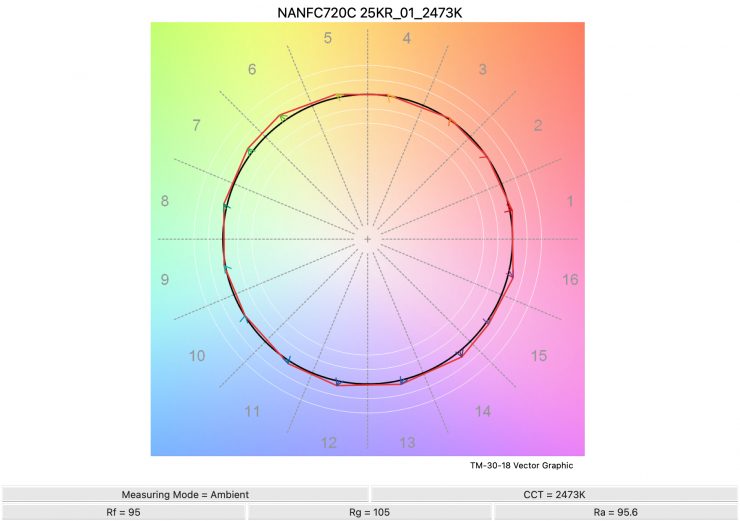
2500K 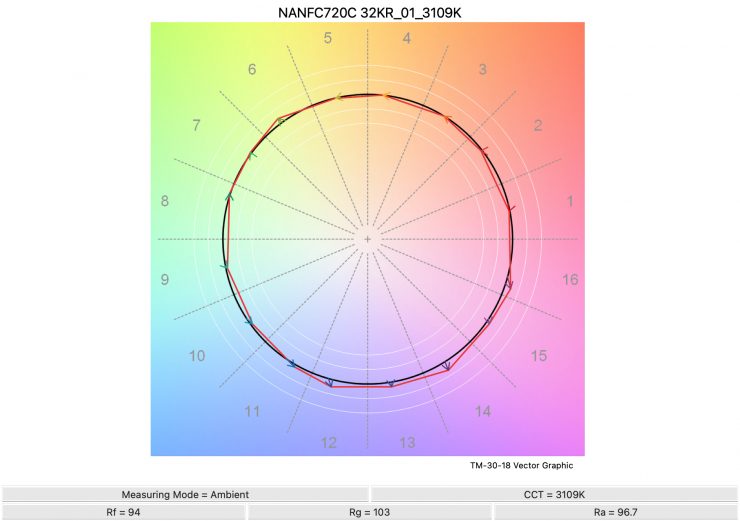
3200K 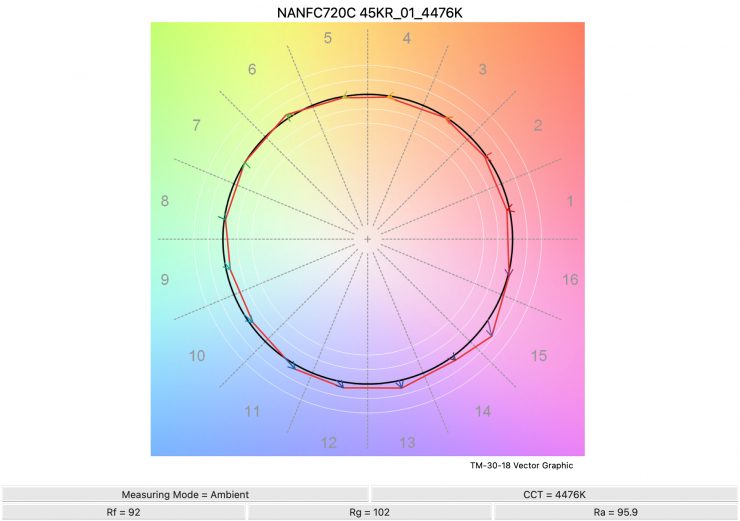
4500K 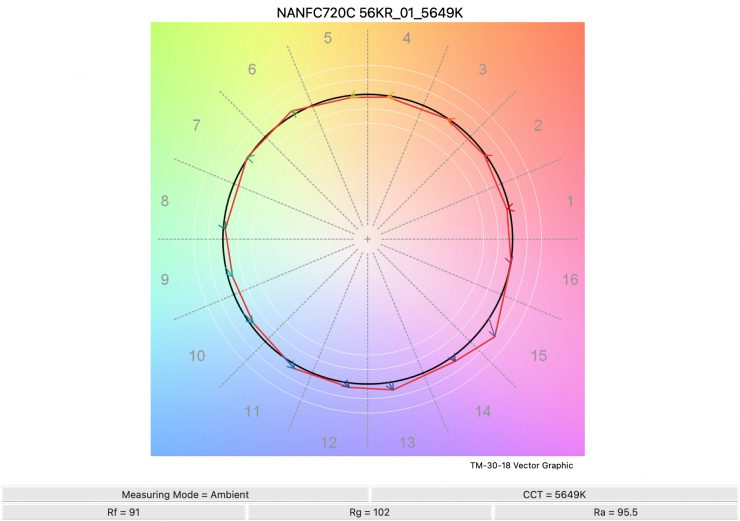
5600K 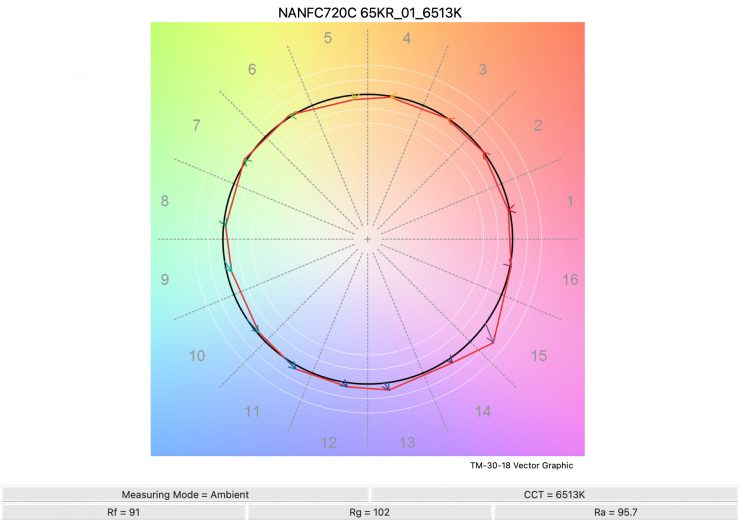
6500K 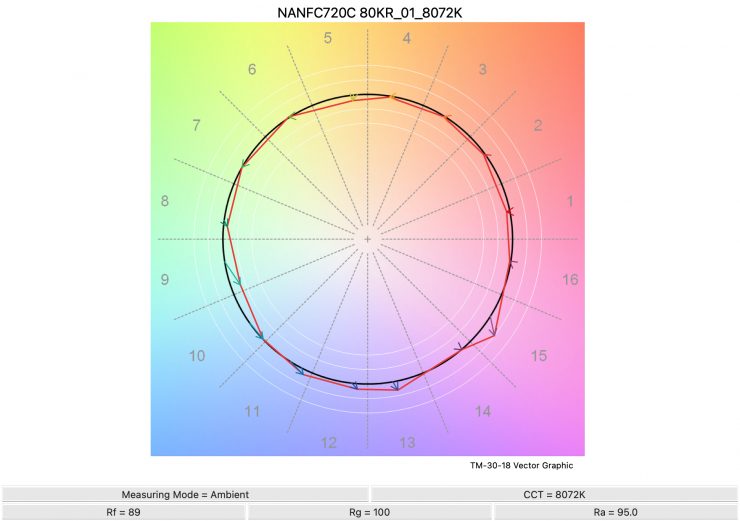
8000K 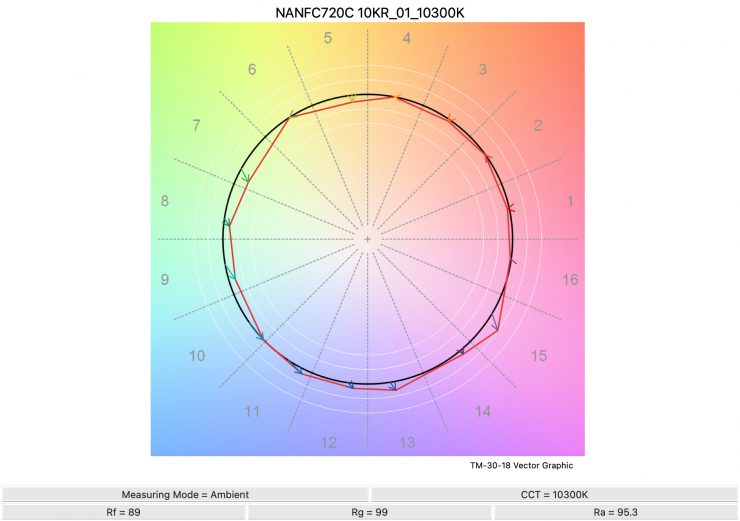
Above, you can see the scores for the NANLITE FC -720C at various CCT settings. Below, I have listed the figures as well.
Here are the results:
| | Rf | Rg |
| 2500K | 95 | 105 |
| 3200K | 94 | 103 |
| 4500K | 92 | 102 |
| 5600K | 91 | 102 |
| 6500K | 91 | 102 |
| 8000K | 89 | 100 |
| 10000K | 89 | 99 |
The TM-30 scores were ok for this light, but it does slightly oversaturate certain colors at 2500-6500K.
Output & accuracy when creating saturated colors
I also wanted to test the light to see how it performed when creating super-saturated colors using the Reflector.
0° – RED
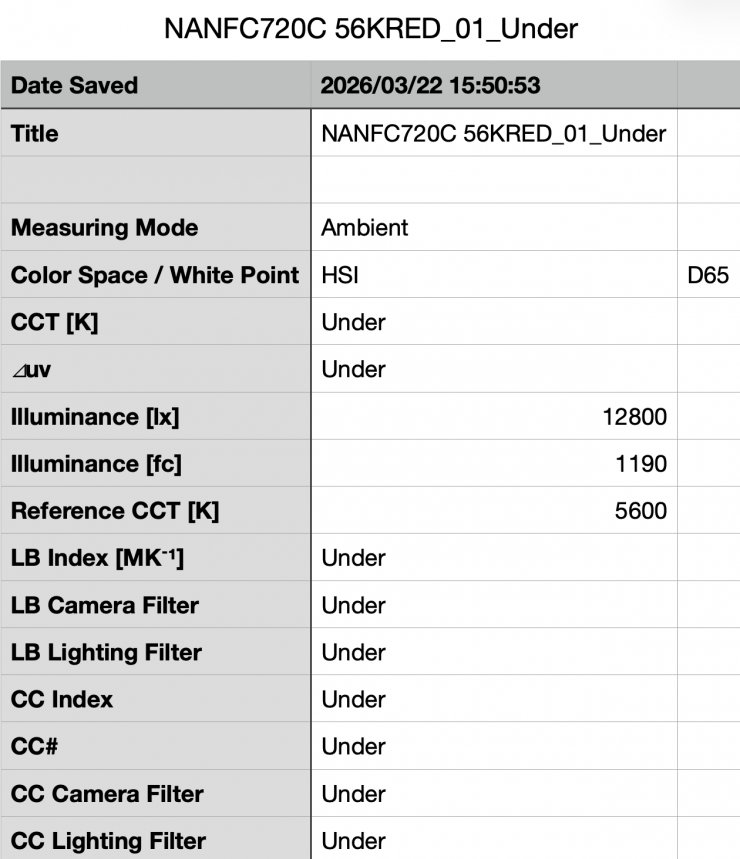
Above, you can see that the light, when using its 45° reflector, recorded an output of 12,800 lx (1190 fc).
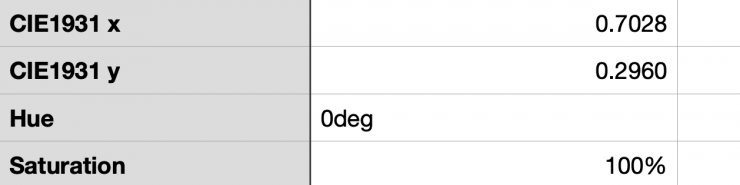
As far as creating an accurate 0° RED, the FC-720C was spot on with a reading of 0°.
120° – GREEN
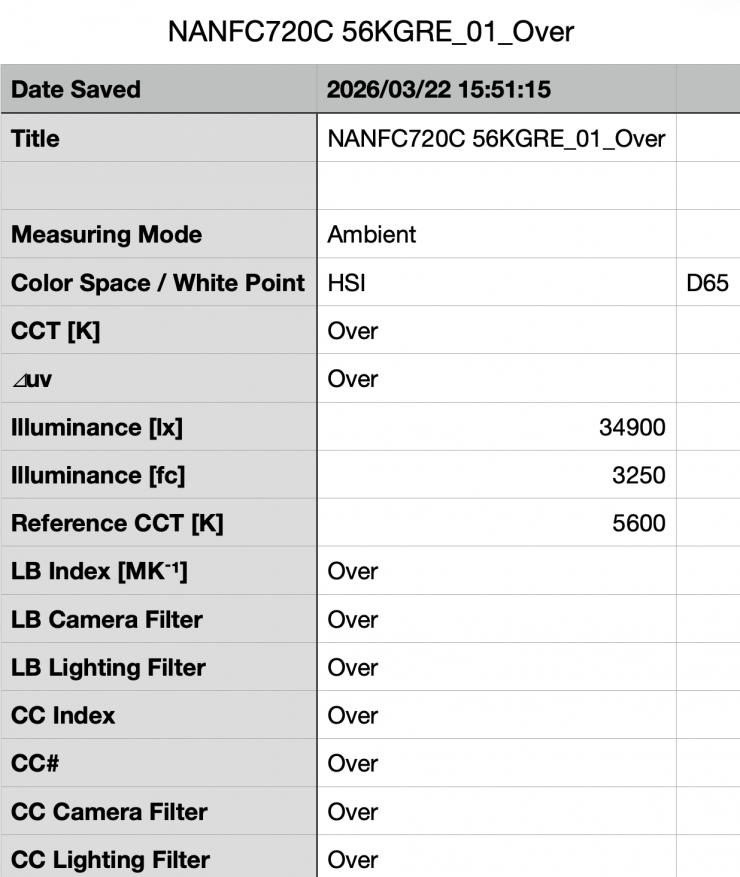
Above, you can see that the light, when using its reflector, recorded an output of 34,900 lx (3250 fc).
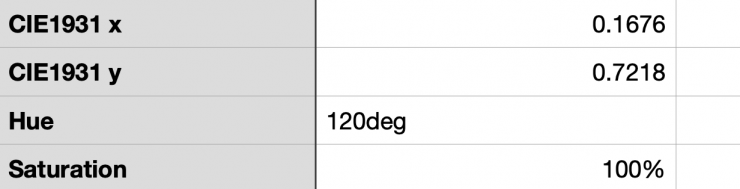
As far as creating an accurate 120° GREEN, the FC-720C was spot on with a reading of 120° and 100% saturation.
240° – BLUE
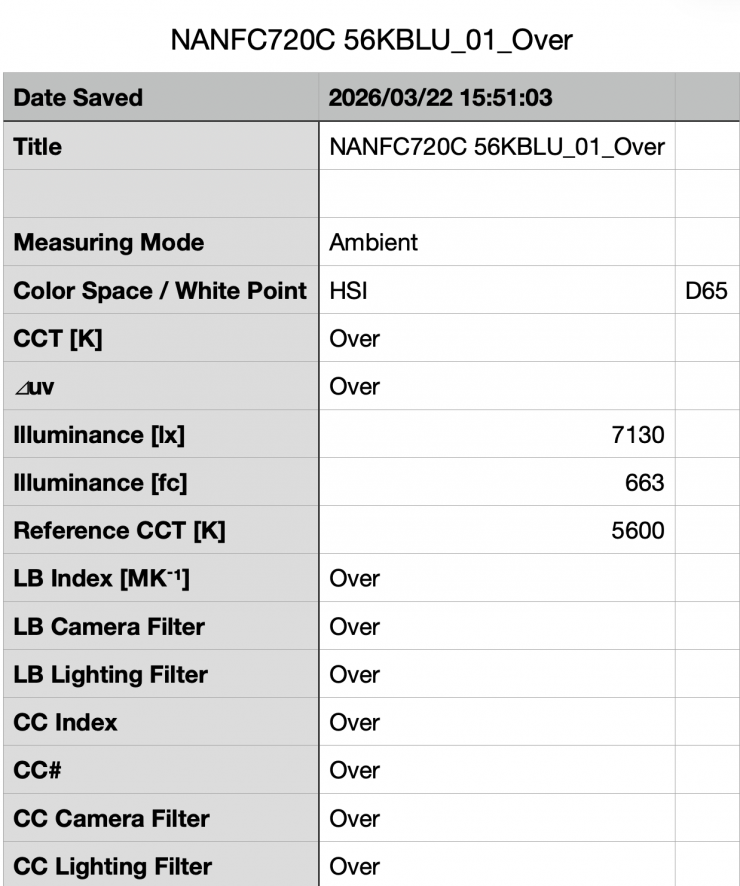
Above, you can see that the light, when using its 45° reflector, recorded an output of 7,130 lx (663 fc).
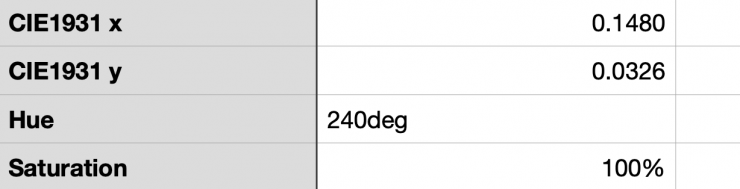
As far as creating an accurate 240° Blue, the FC-720C was spot on with a reading of 240°.
SSI
SSI (Spectral Similarity Index) was developed by the Sci-Tech Council of the Academy. SSI gives me the ability to set any light as a standard, or use predefined standards (such as CIE D55), and then give other lights an SSI score based upon how well they will match standards such as CIE D55 measure spectral response and compare it directly against an ideal light source.
SSI is a much better way to judge an LED light than CRI or TLCI, although they don’t tell the full story of any light, and you can’t judge a light by SSI scores alone.
SSI is useful for seeing how well different lights will play together. As the Sekonic C-800 Spectromaster can measure SSI, I decided to test out the NANLITE FC-720C to see how it performed.
NANLITE FC-720C 3200K
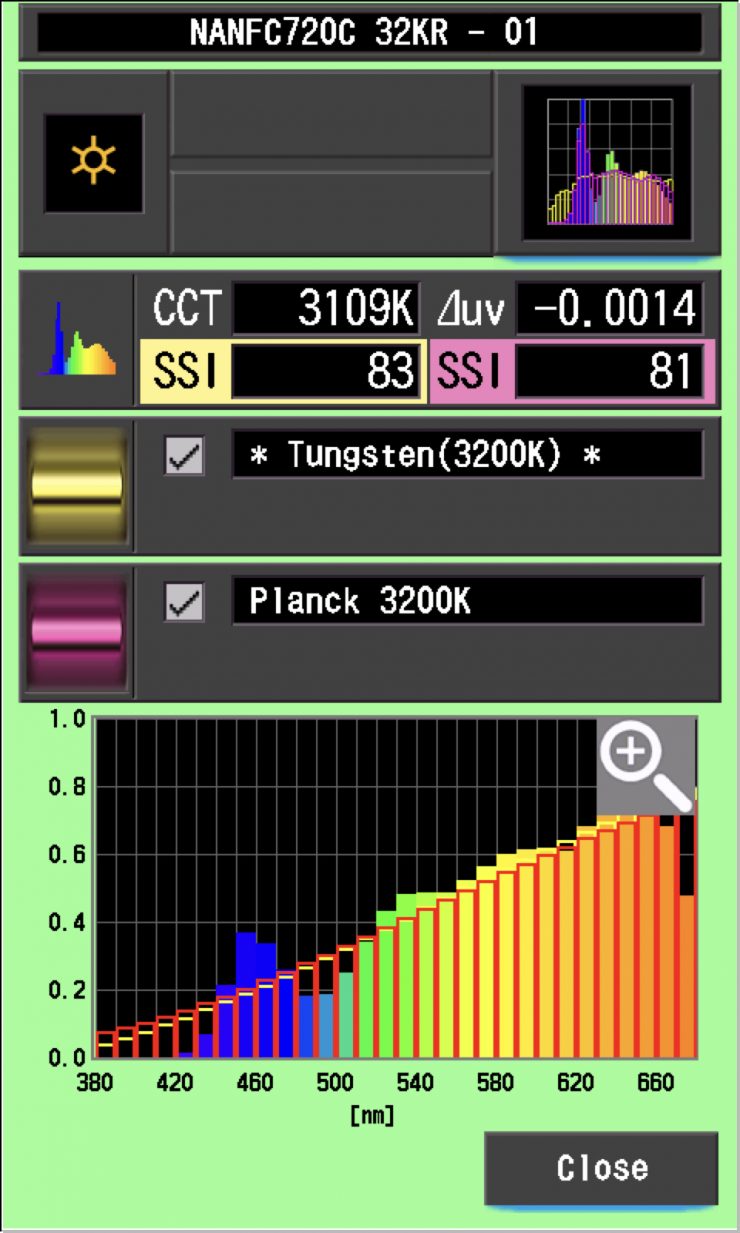
In this graph, the red bars indicate a perfect Planck 3200K source. The gold bars indicate a perfect 3200K Tungsten source. This lets us compare how close to a perfect 3200K lighting source the NANLITE FC-720C is. Any SSI score in the high 70s, low ’80s is very good for a 3200K LED light. These were very good scores.
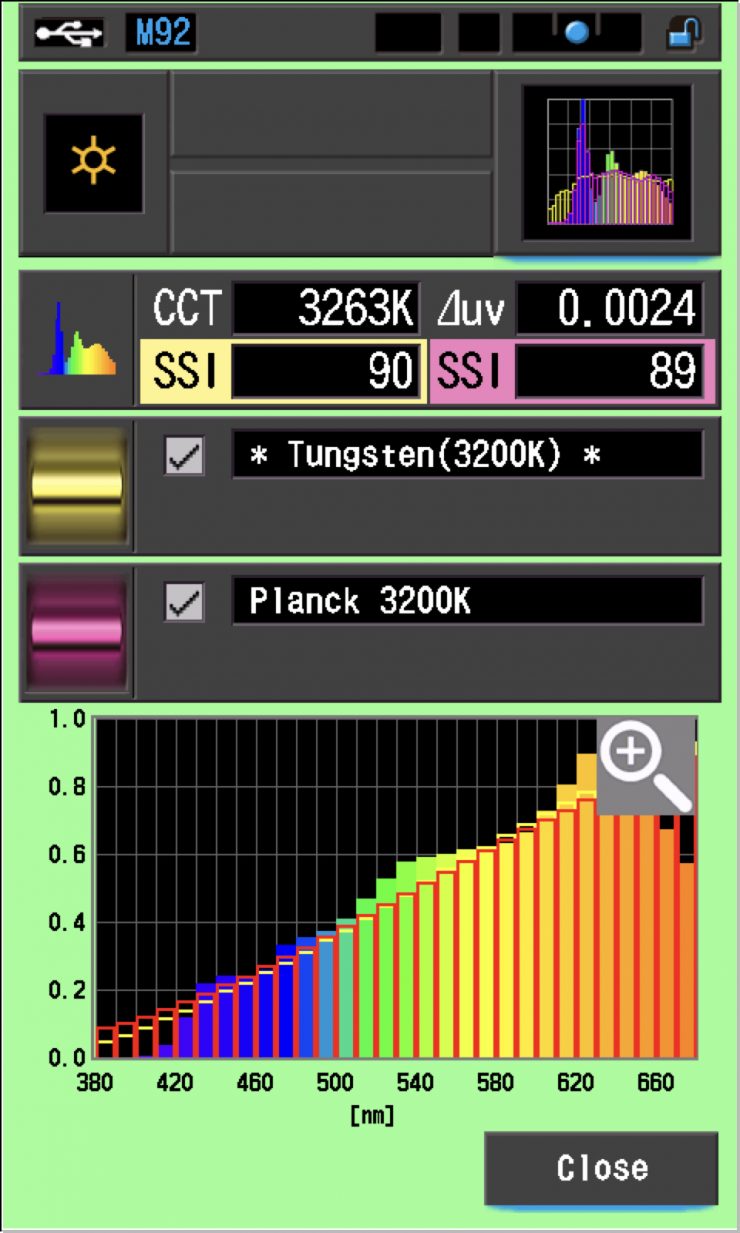
As a comparison, above are the SSI scores for the Profoto L600C.
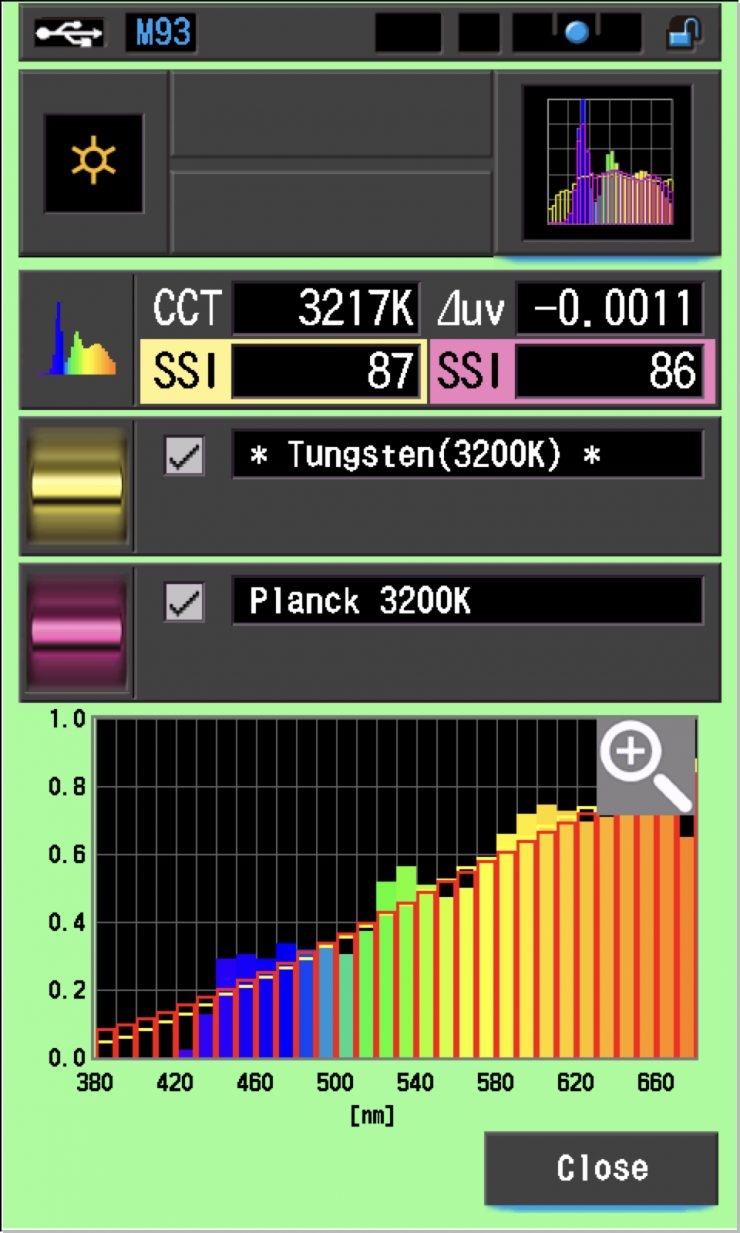
As another comparison, above are the SSI scores for the NANLUX Evoke 600C.
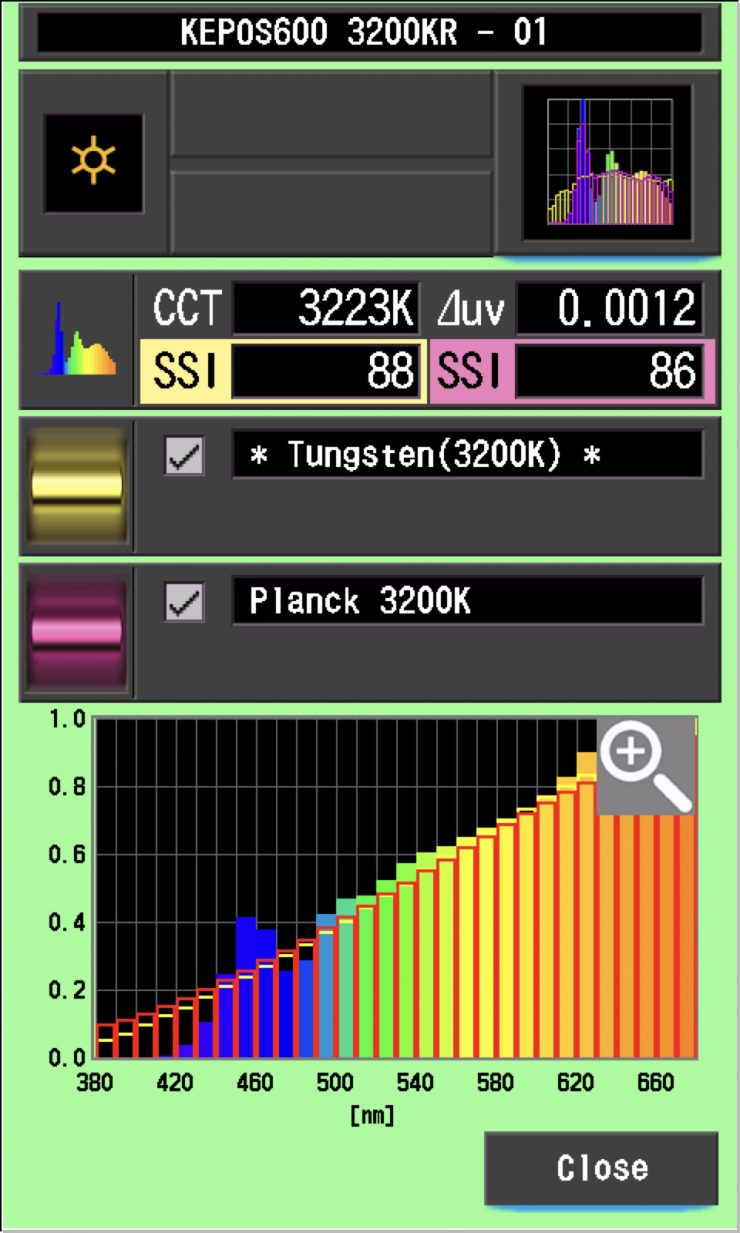
As another comparison, above are the results for the Kelvin Epos 600.
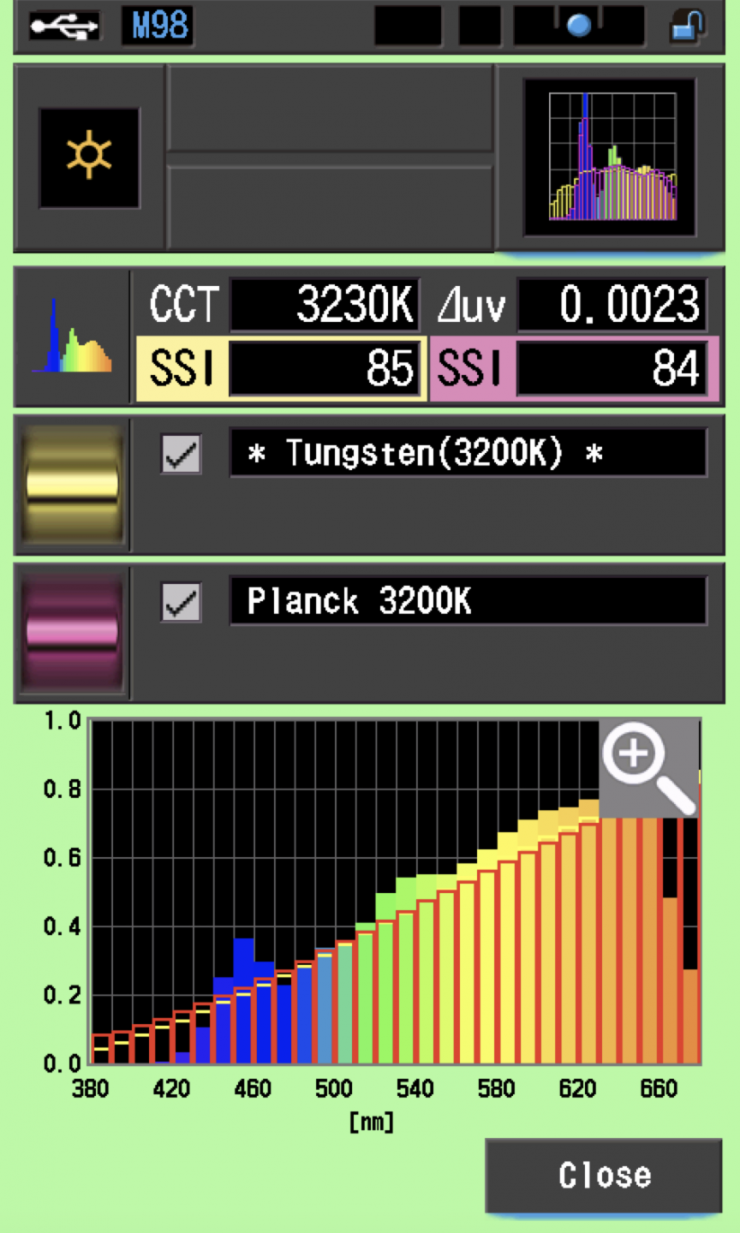
As another comparison, above are the same results for the Prolycht Orion 675 FS.
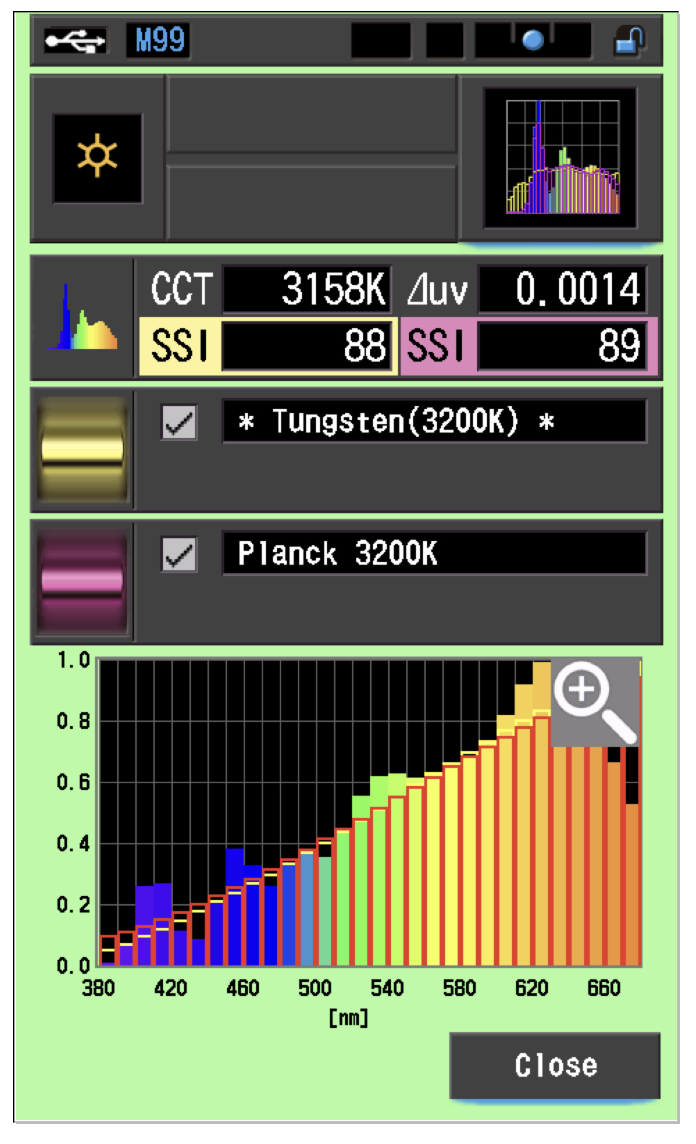
As another comparison, the results for the Aputure STORM 1000c are above.
NANLITE FC-720C 5600K
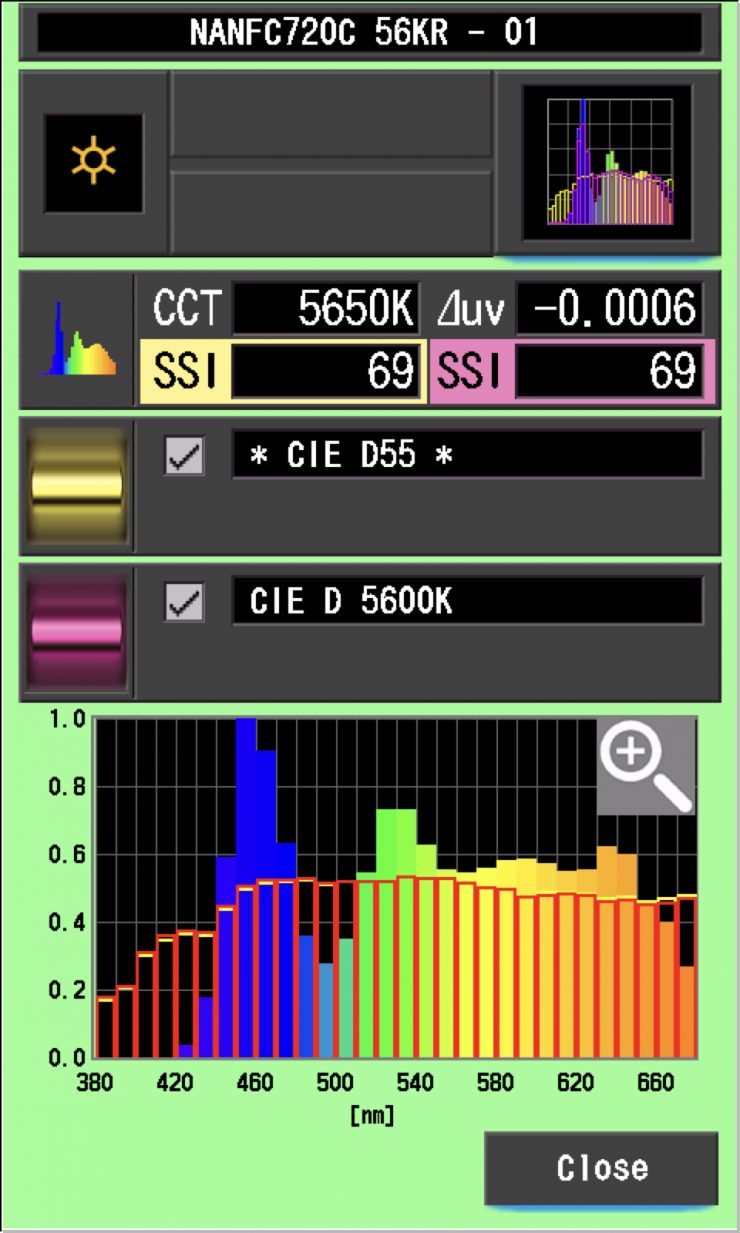
In the graph above, the gold bars indicate a perfect CIE D55 source. The red bars indicate a perfect CIE D 5600K source. This lets us compare how close to a perfect 5600K lighting source the FC-720C is. A score in the low 70s is typical for a 5600K LED source. The scores for the FC-720C were arguably a little low for a modern LED light.
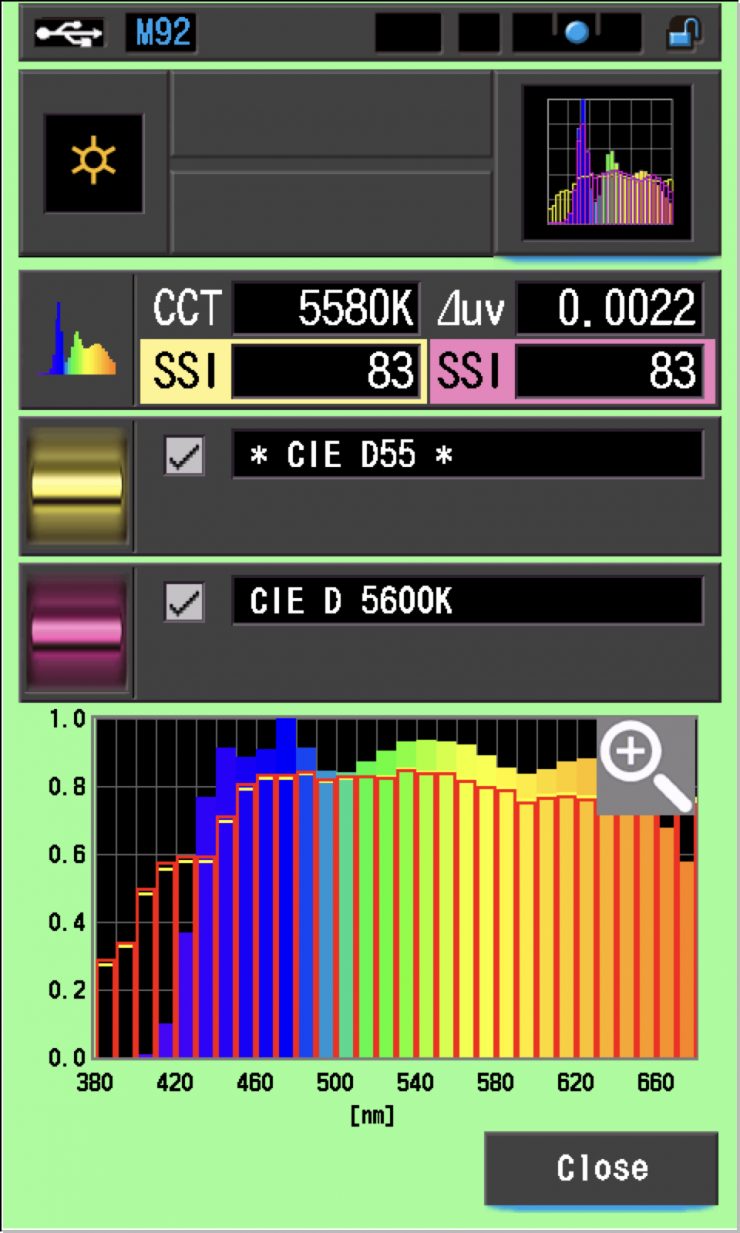
As a comparison, above are the scores for the Profoto L600C.
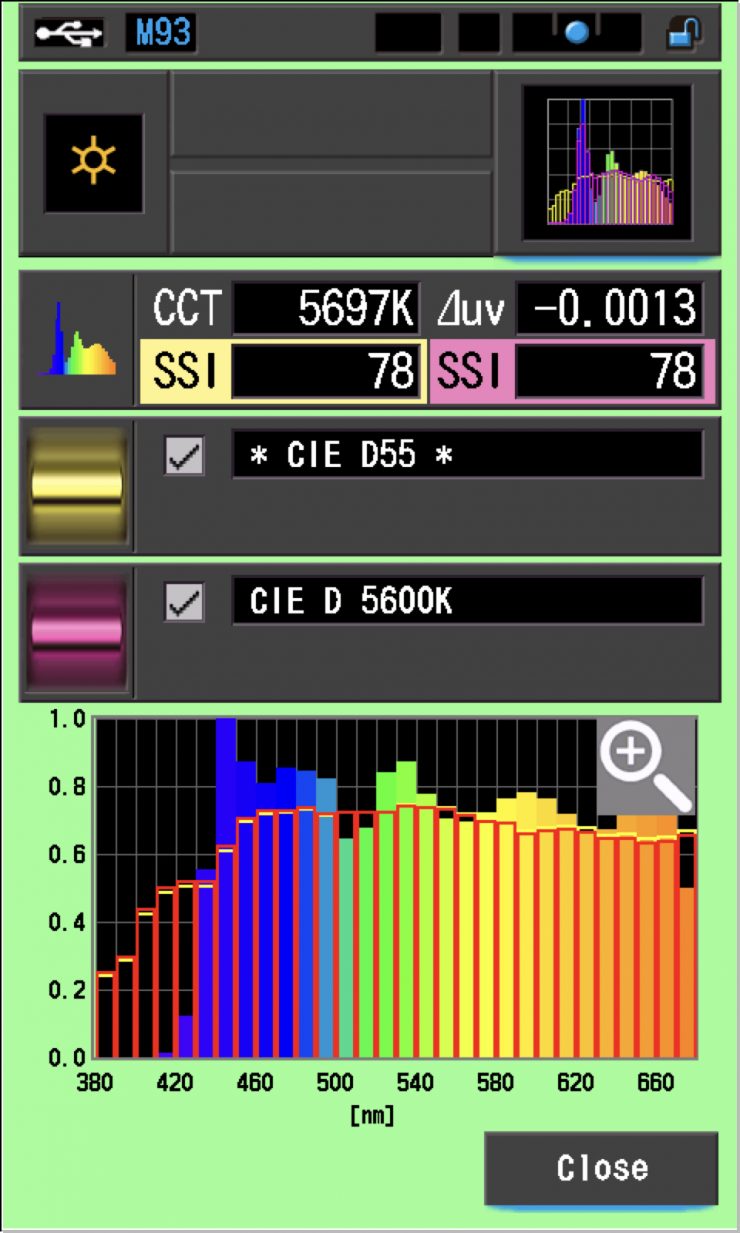
As another comparison, above are the scores for the NANLUX Evoke 600C.
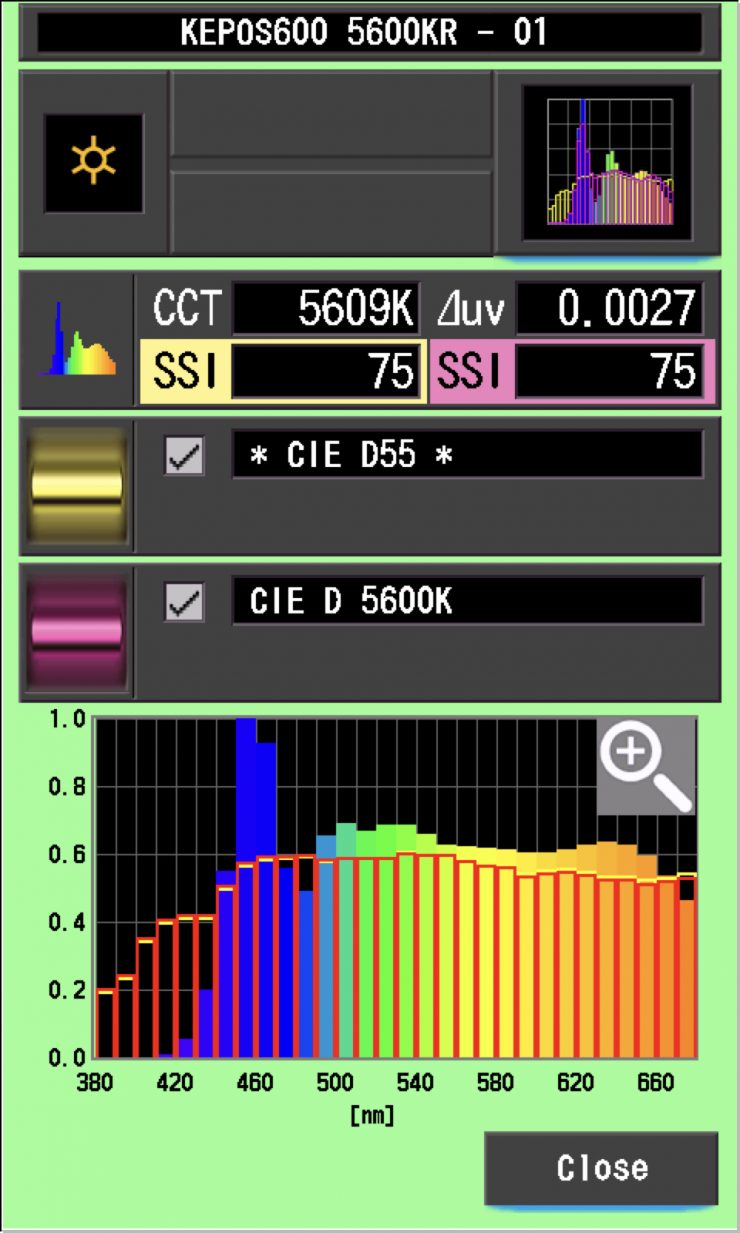
As another comparison, above are the results for the Kelvin Epos 600.
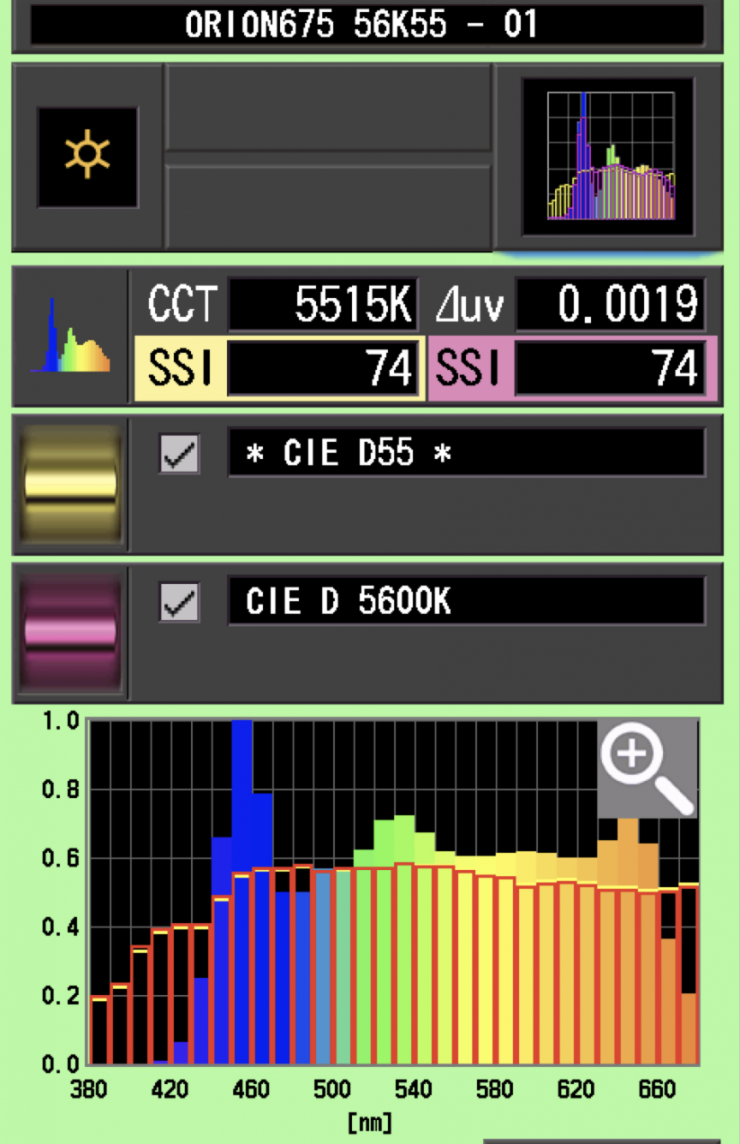
As another comparison, above are the scores for the Prolycht Orion 675 FS.
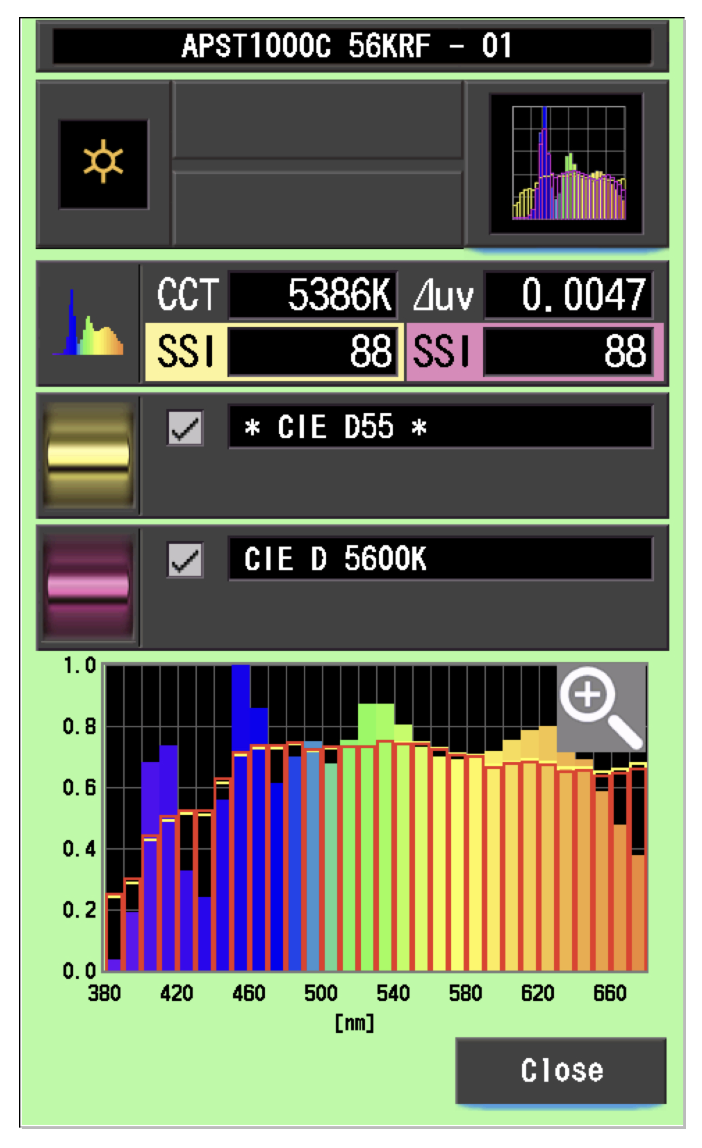
As another comparison, above are the results for the Aputure STORM 1000c.
The main reason we want to record SSI scores is so we can see how well they match with other lights. As an example, I wanted to see how well the NANLITE FC-720C matched the NANLUX Evoke 600C and Aputure STORM 1000c. Below you can see the results.
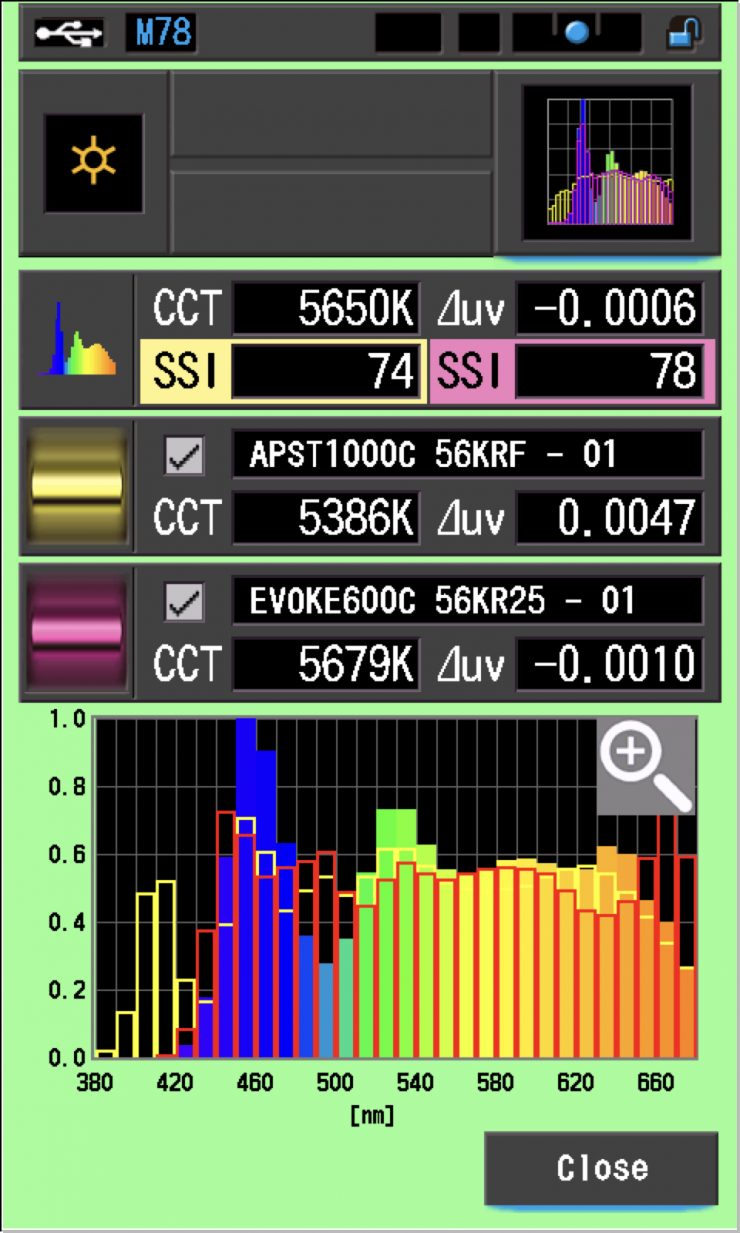
As you can see, neither light is anywhere near being a perfect match to the NANLITE FC-720C. This clearly shows you how hard it is to match LED fixtures that have vastly different color engines.
As another test, I thought I would compare those same lights against the NANLITE FC-720C at 3200K. Below you can see the results.
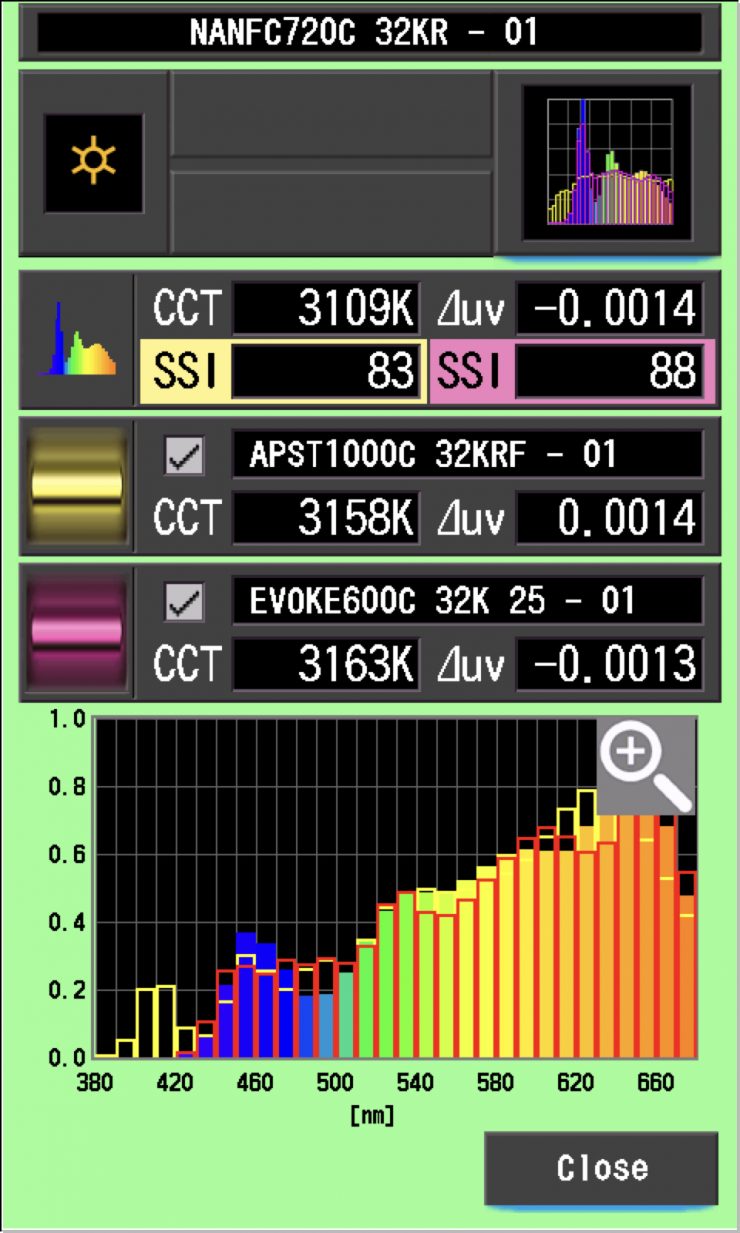
As you can see, at 3200K, the lights were a slightly better match, but again, they weren’t an exact match to the FC-720C.
Okay, so now let’s see how well the NANLITE FC-720C matches itself when used open face and with the DoPchoice Octa 3′ softbox. In theory, these scores should be very high.
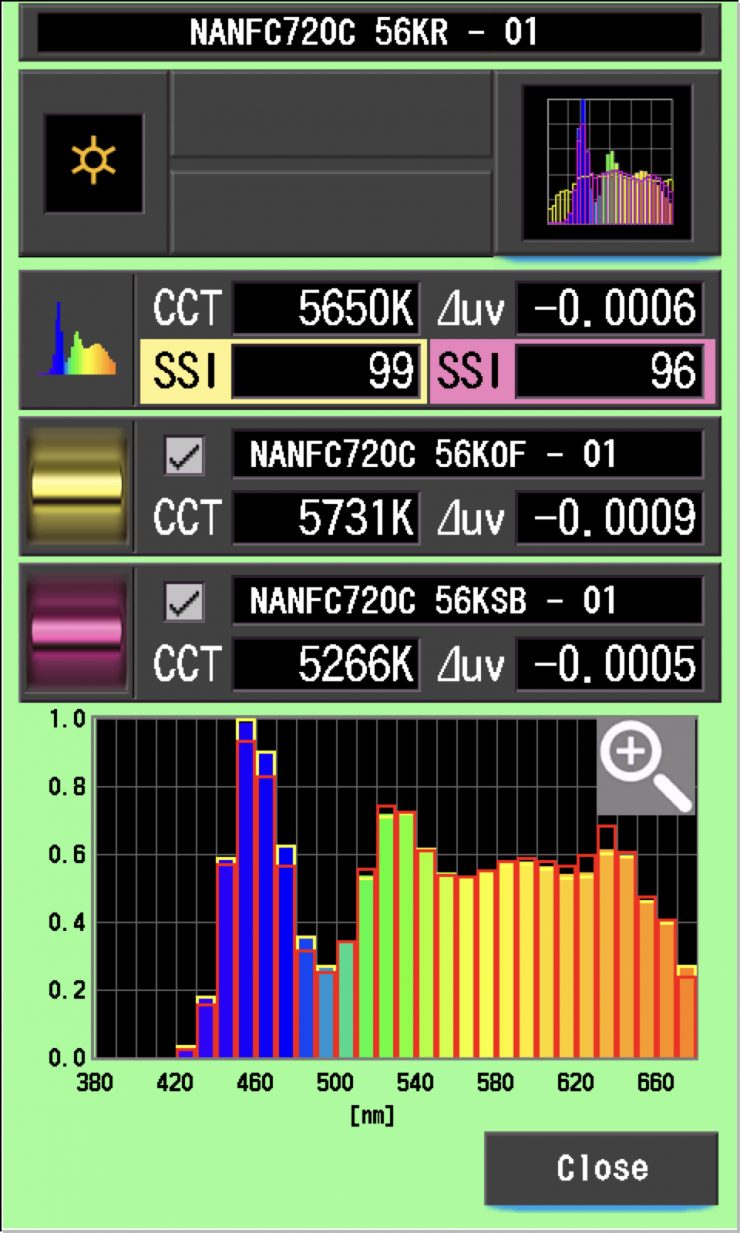
As you can see, the scores were almost a perfect match. This shows that you can use modifiers without having to worry that they won’t match.
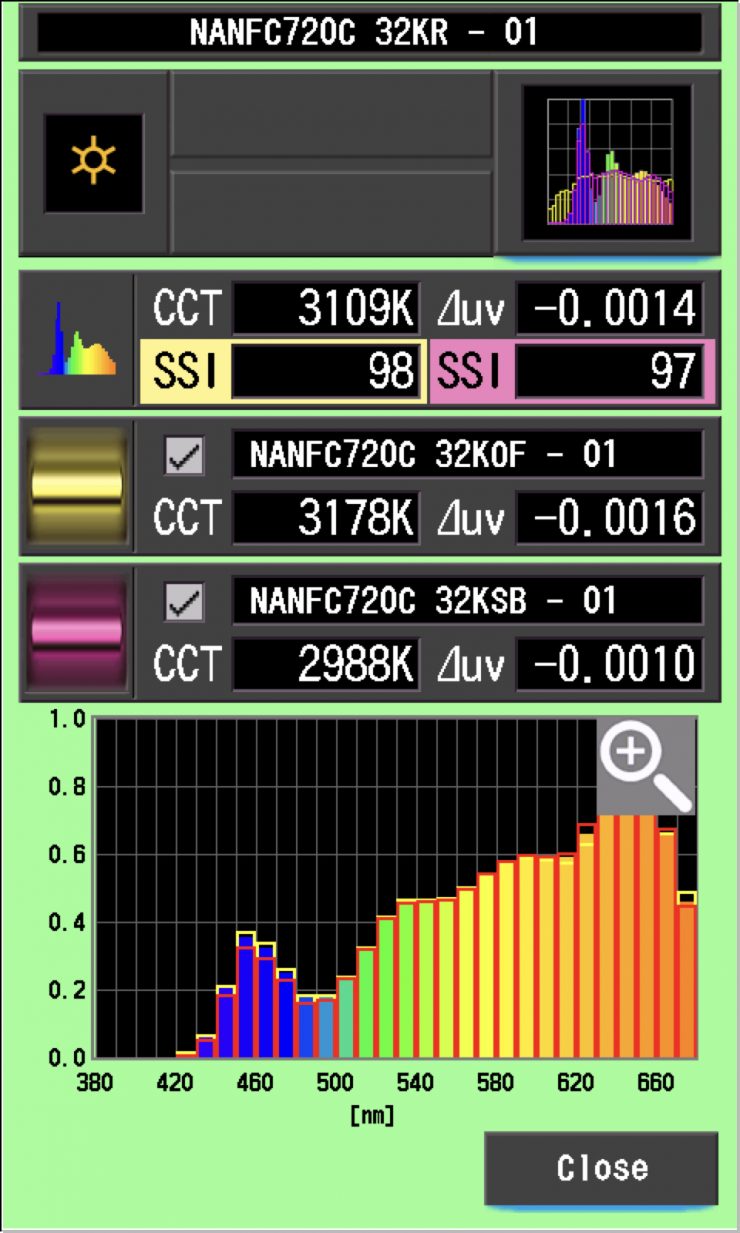
Again, at 3200K, they were almost a perfect match.
SSI tests are a great way of telling you what lights you own or use will work well together.
Spectral Distribution
NANLITE FC-720C 5600K
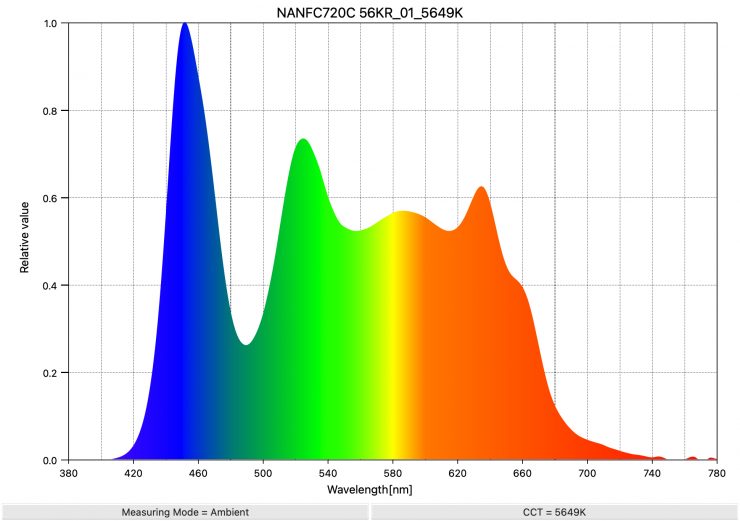
Above, you can see the spectral distribution of the NANLITE FC-720C when it is set at 5600K. The spectral distribution isn’t very full, and there are quite a few peaks and troughs.
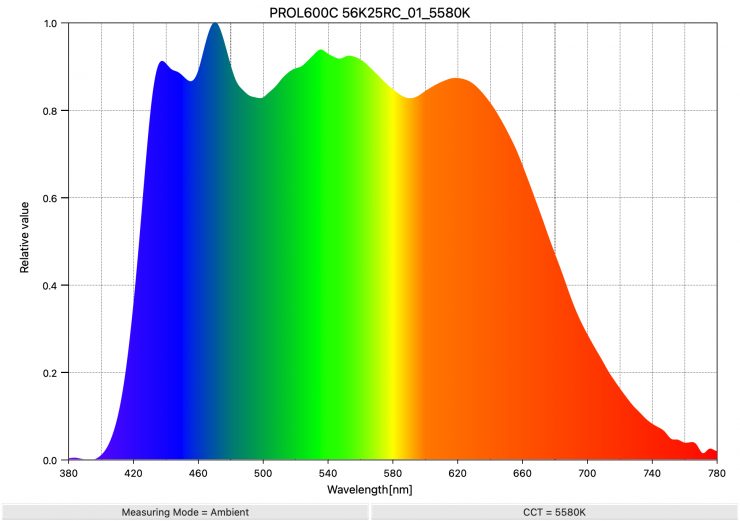
As a comparison, above, you can see the spectral distribution of the Profoto L600C when it is set at 5600K. The spectral distribution is very, very full, and it has a lot of information from the 420nm to 660 nm range.
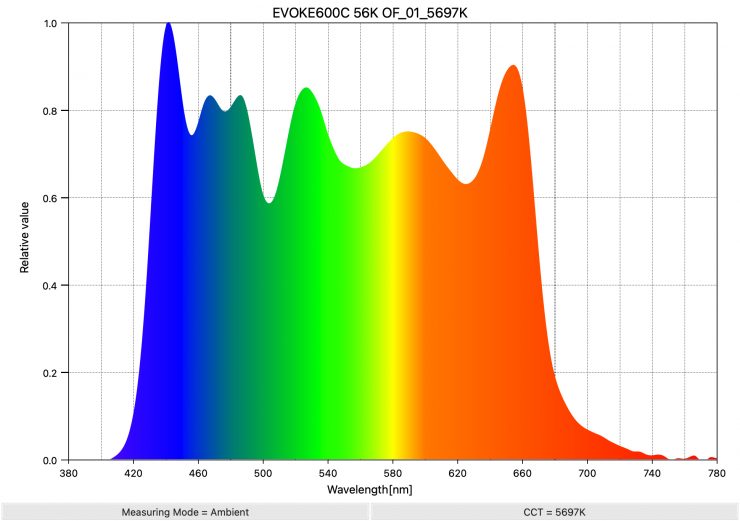
As a comparison, above, you can see the spectral distribution of the NANLUX Evoke 600C when it is set at 5600K. The spectral distribution is very full, and it has a lot of information in the 640 nm to 680 nm range that you don’t see in a lot of competing lights.

As another comparison, above you can see the spectral distribution for the Kelvin Epos 600.
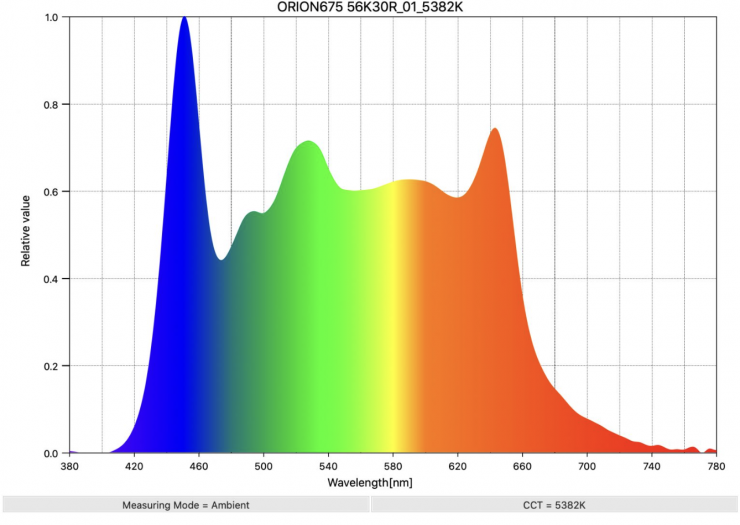
As another comparison, above you can see the spectral distribution of the Prolycht Orion 675 FS when it is set at 5600K
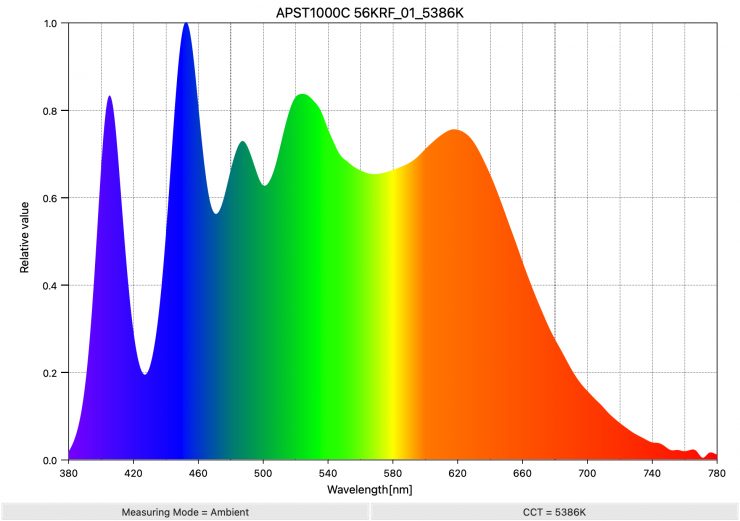
As another comparison, above you can see the spectral distribution of the Aputure STORM 1000c.
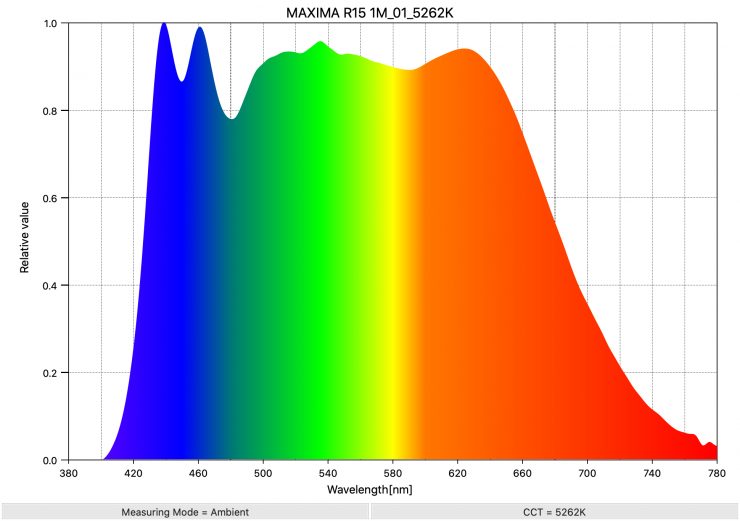
If you want to see what another really good spectral response looks like for a spotlight at 5600K, above is the result for the Maxima 3.
NANLITE FC-720C 3200K
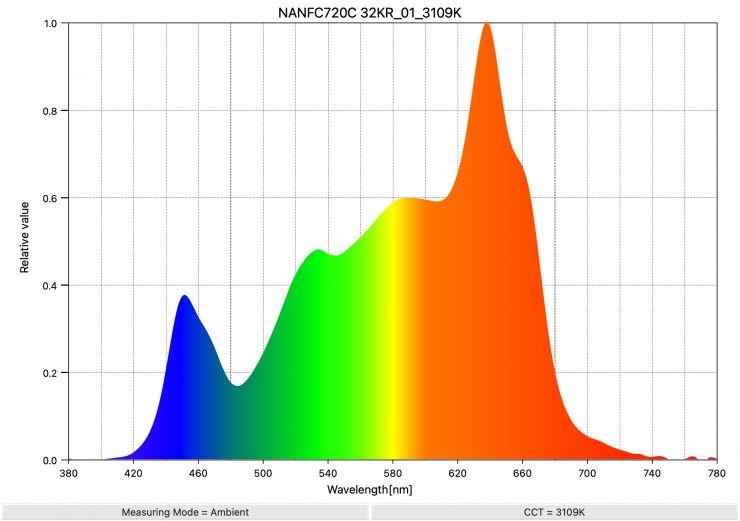
Above, you can see the spectral distribution of the NANLITE FC-720C when it is set at 3200K. The spectral distribution is ok, but it could be better.
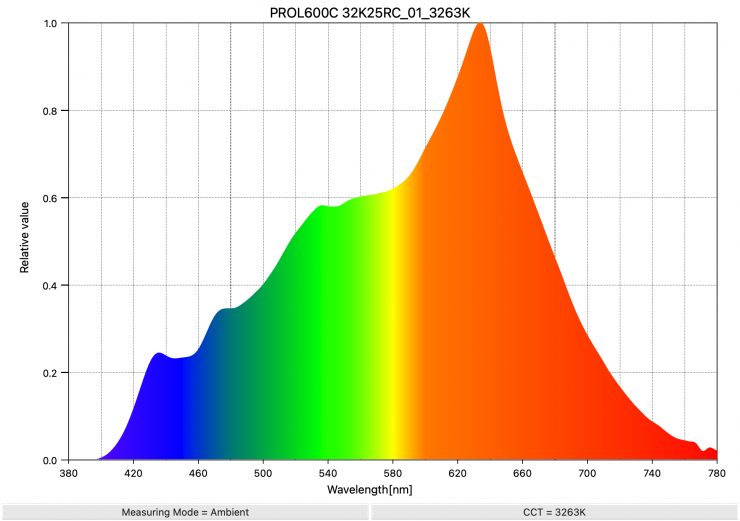
As a comparison, above, you can see the spectral distribution of the Profoto L600C when it is set at 3200K. The spectral distribution is very linear.
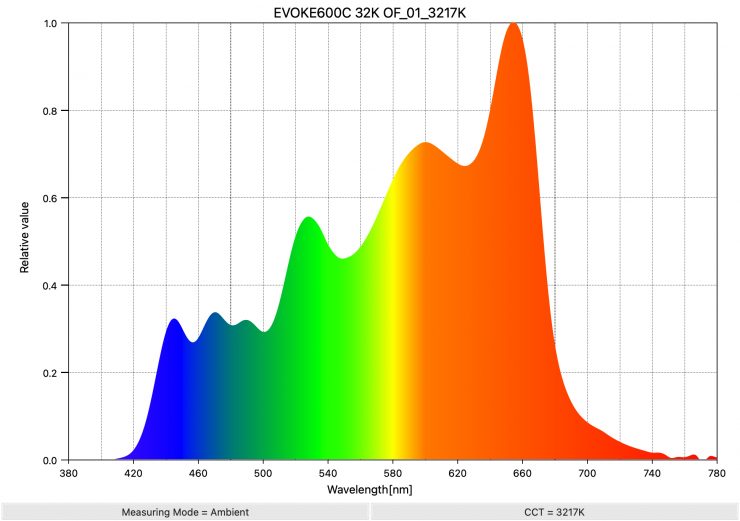
As a comparison, above, you can see the spectral distribution of the Evoke 600C when it is set at 3200K. The spectral distribution isn’t overly linear.
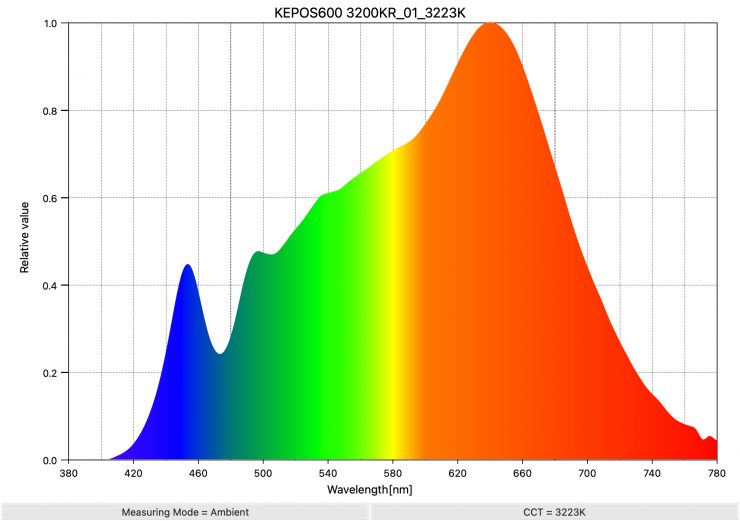
As another comparison, above you can see the spectral distribution for the Kelvin Epos 600.
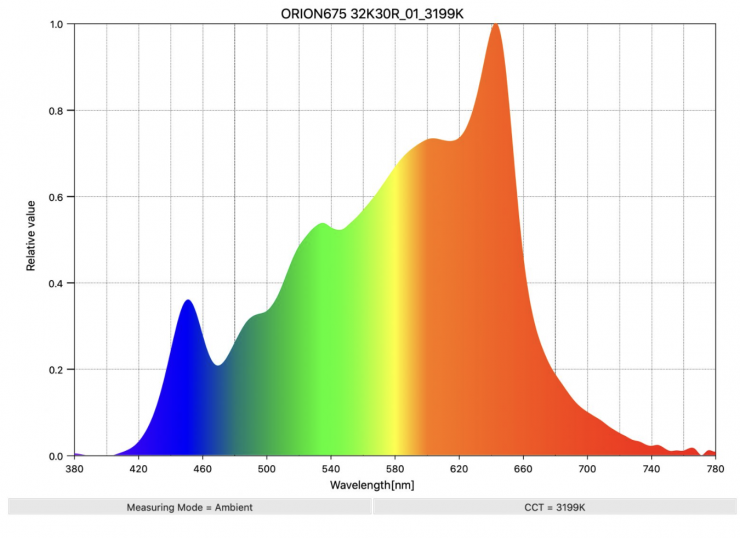
As another comparison, above you can see the spectral distribution of the Prolycht Orion 675 FS when it is set at 3200K
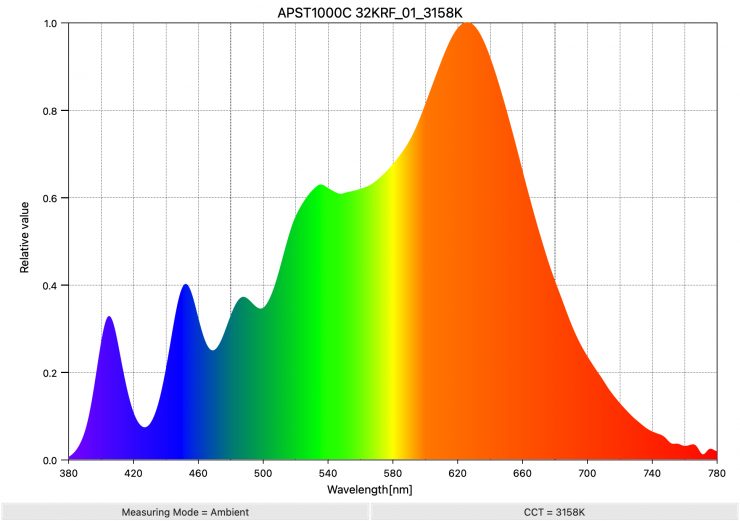
As another comparison, above you can see the spectral distribution of the Aputure STORM 1000c.
Real-World Performance & Quality of Light
As I always say, photometric scores only tell you part of the story. So let’s find out if the scores from the NANLITE FC-720C translate into real world perfromance.
The photometric results can only give me scientific data, and it is much more important for me to see how the light looks and performs, especially with skin tones.
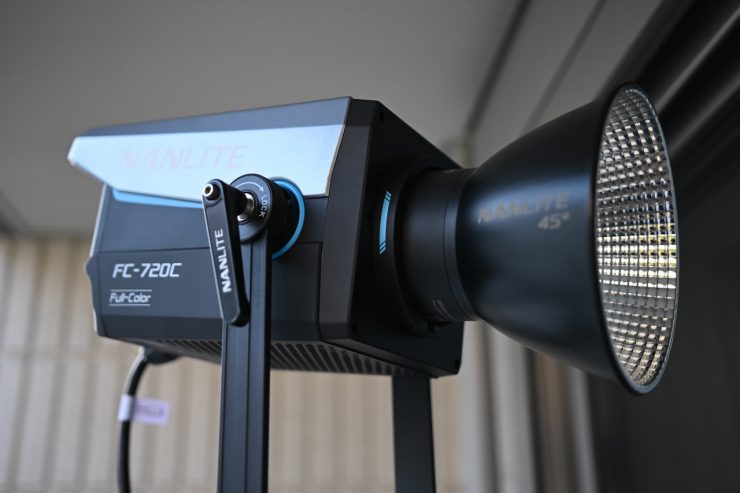
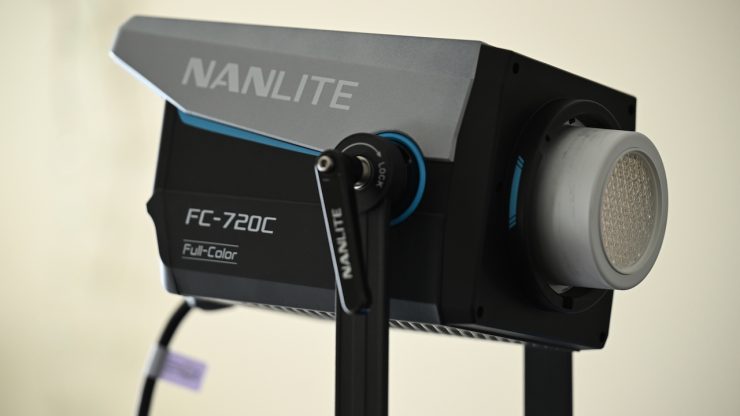
The FC-720C is more than capable of producing great results, and most importantly, it is relatively easy to use and quick to set up. For its price, it can certainly give a lot more expensive fixtures a run for their money.
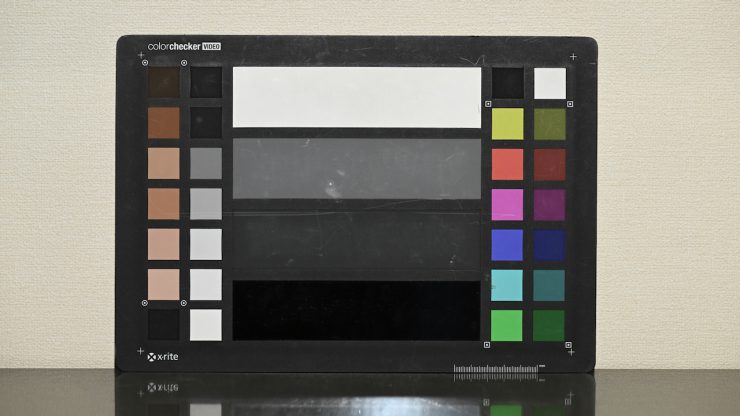
Light set at 3200K & camera WB set at 3200K 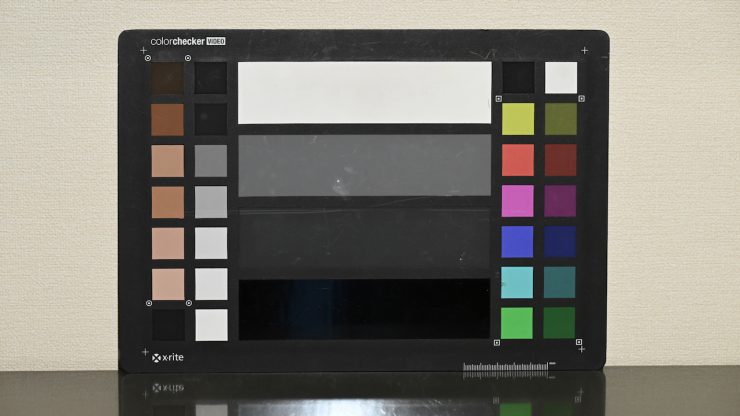
Light set at 3200K & manual camera WB 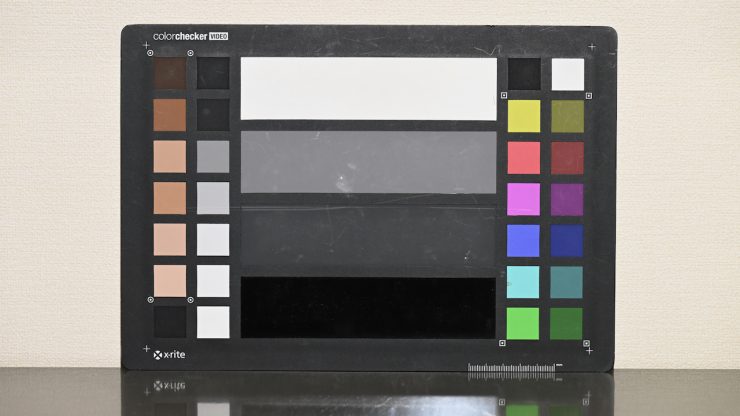
Light set at 5600K & camera WB set at 5600K 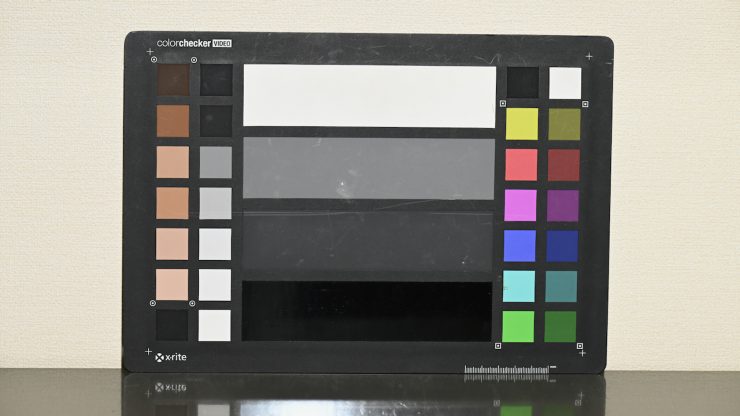
Light set at 5600K & manual camera WB
Firstly, let’s have a look at some tests where I compared the light at 5600K and 3200K at 5600K when shooting a color checker chart (which has seen better days!). The light was set at 5600K and 3200K, and I have set the camera at a preset 5600K WB and a preset 3200K WB. I also did a manual WB, so you can see the differences.
The light does a pretty good job, and there was not a huge difference between running a preset WB and doing a manual WB.

The reflector does have a slight hot spot, and there is some slight color fringing on the edges of the beam.

Open Face 
Reflector 
Reflector
Above you can see the difference in the type of shadows the light creates when used open face and with its reflector. When used open face, you will get clean shadows. If you use the reflector, then the shadows won’t have as defined outlines.
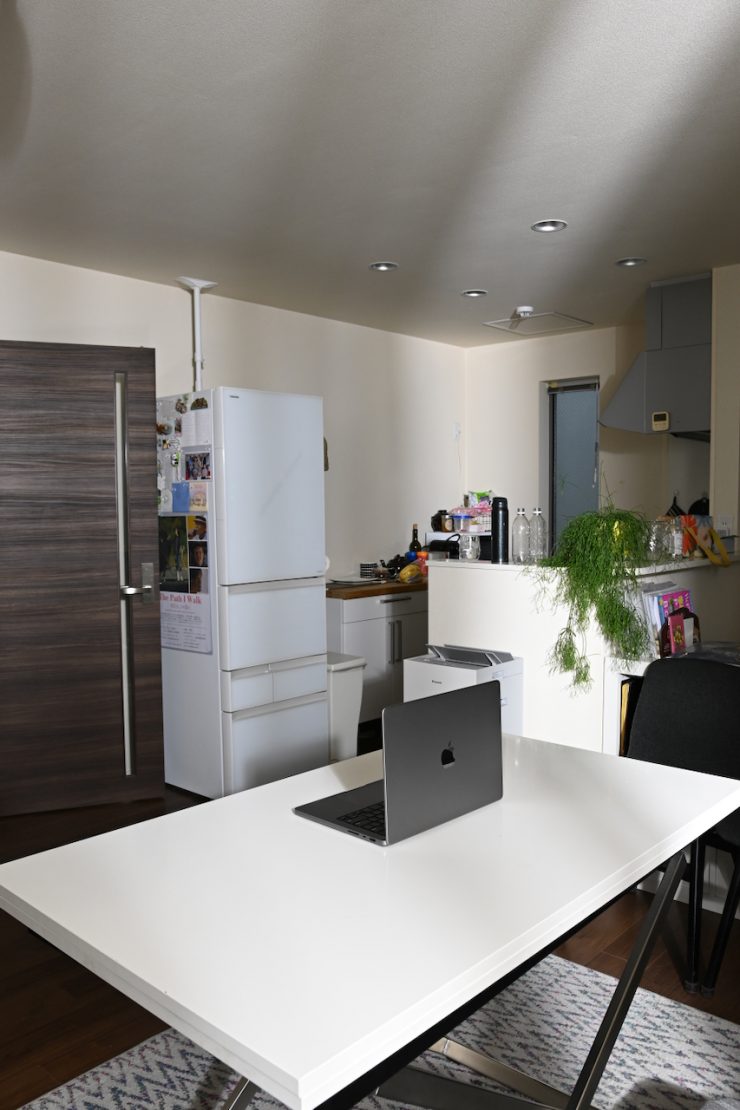
Light On 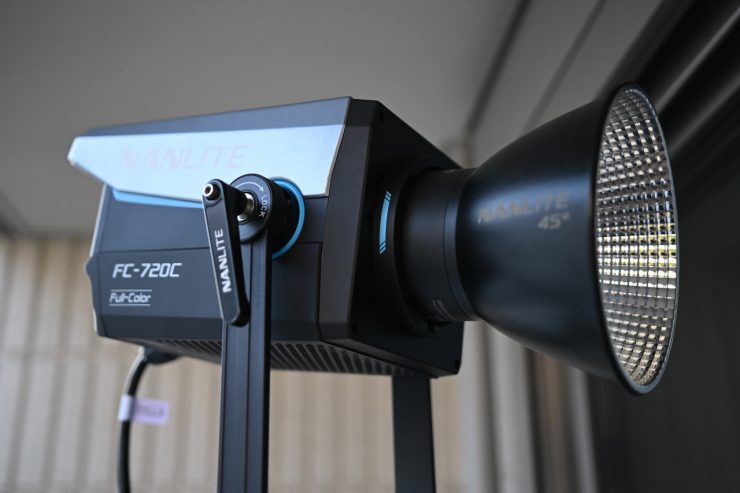
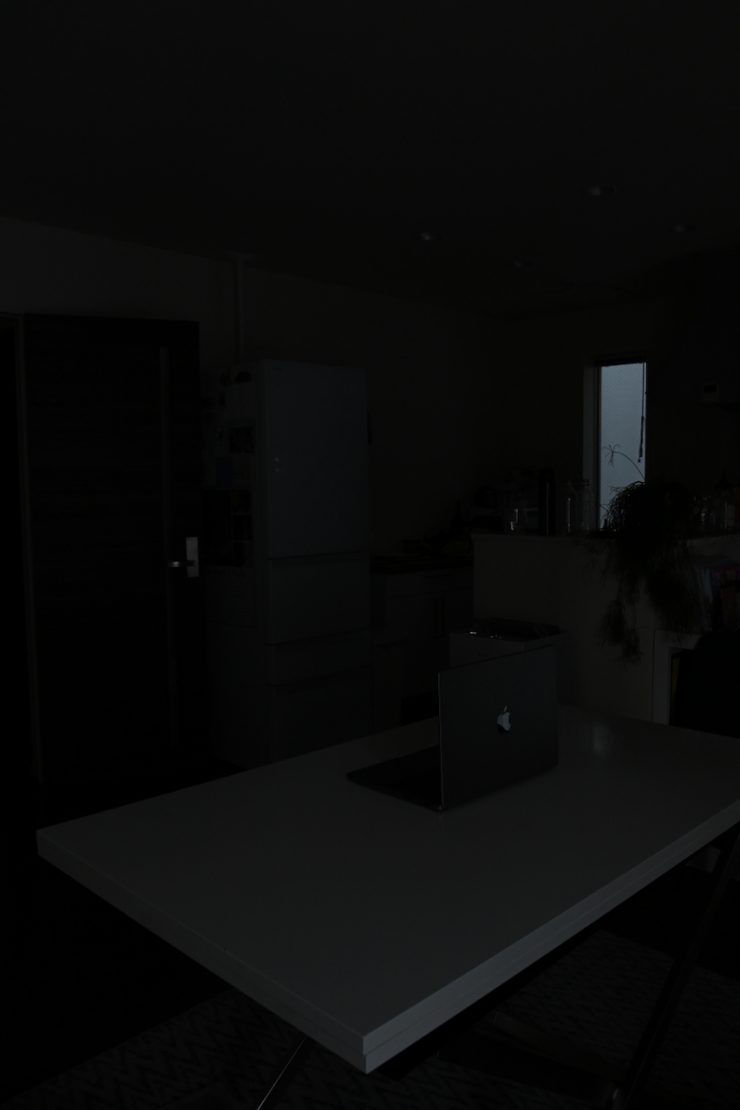
Light Off
Above, you can see some photos I took when I placed the FC-720C outside and punched it through a sheer curtain into a room using the included reflector. I have kept the exposure settings the same for all of the shots.
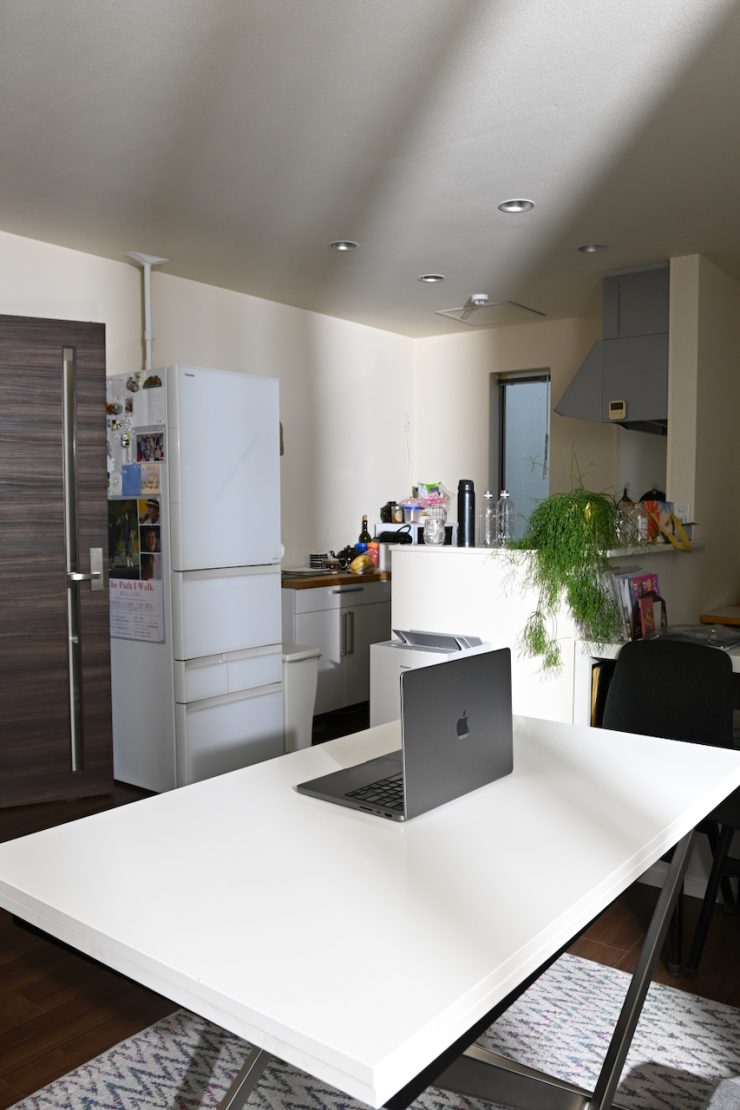
Light On 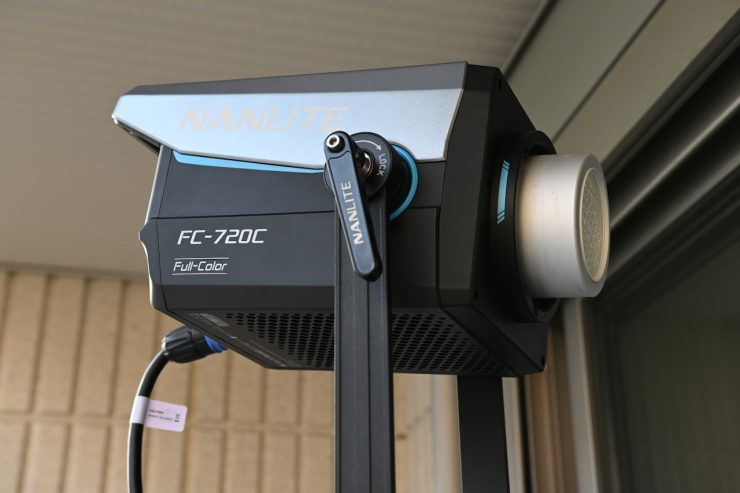
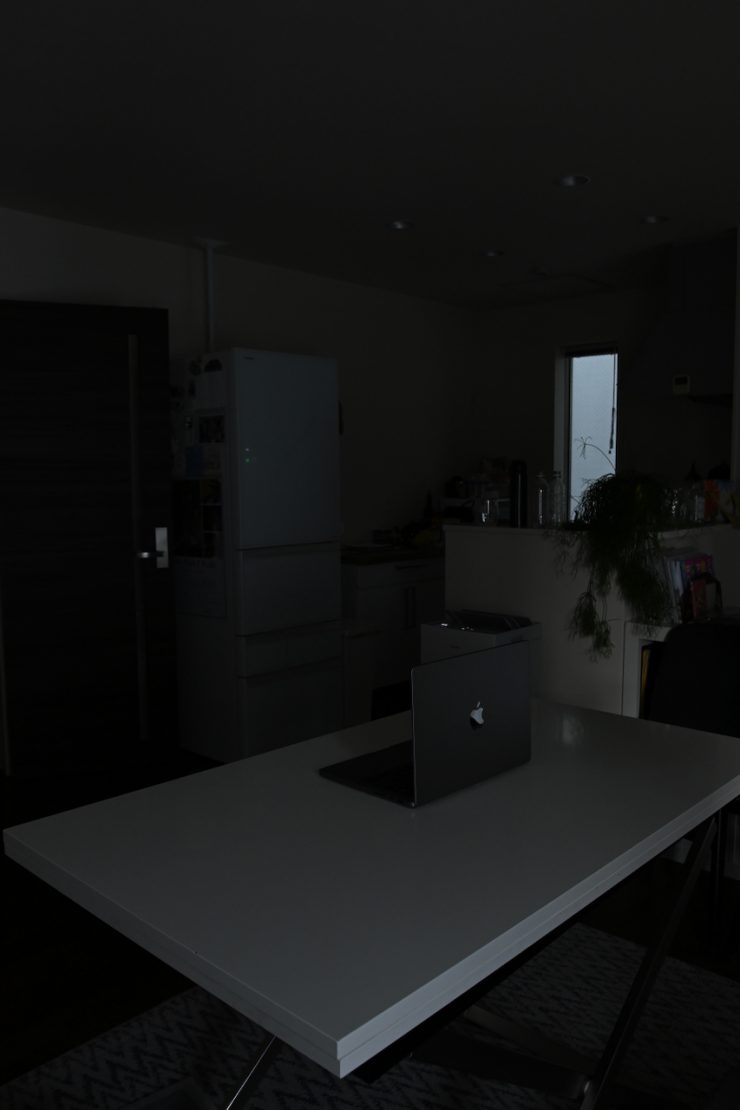
Light Off
Above, you can see some photos I took when I placed the FC-720C outside and punched it through a sheer curtain into a room using it open face. I have kept the exposure settings the same for all of the shots.
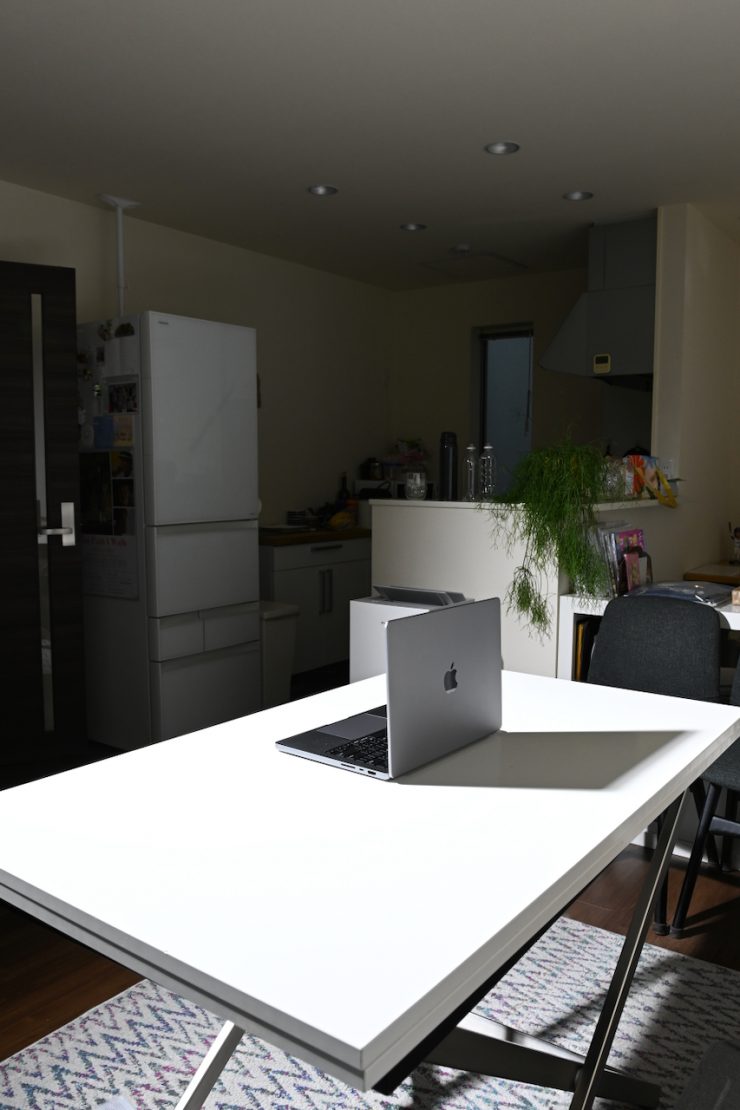
Above, you can see some shots with it pointing down directly at a table.
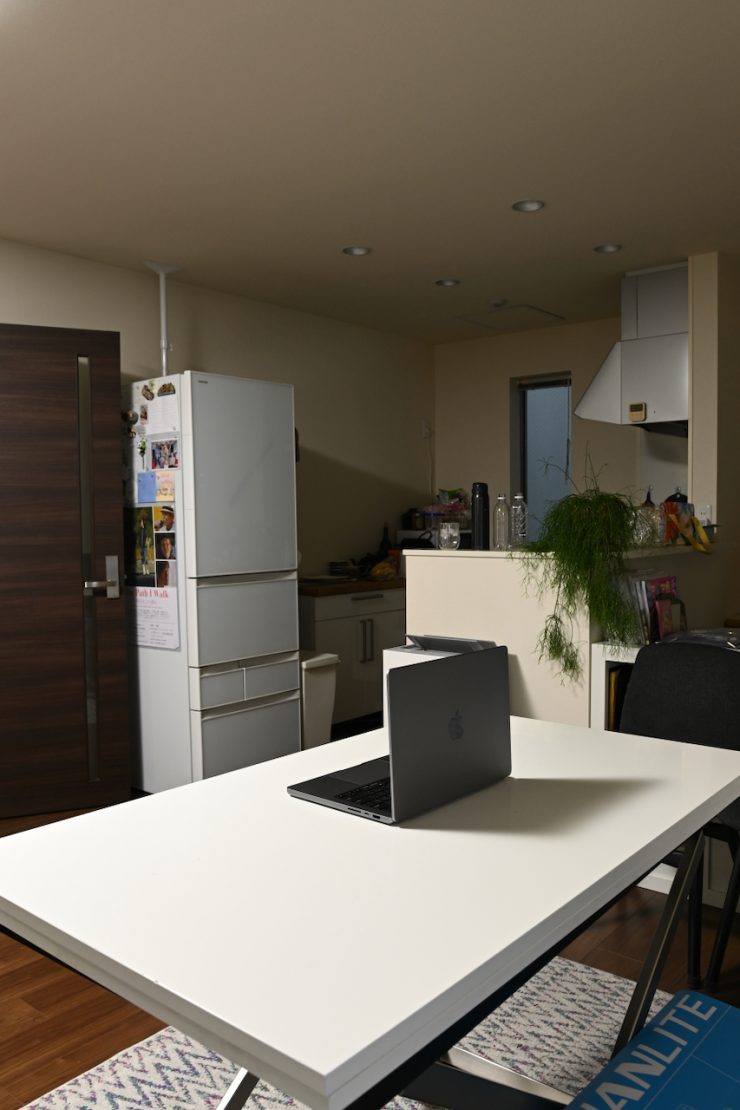
With Reflector 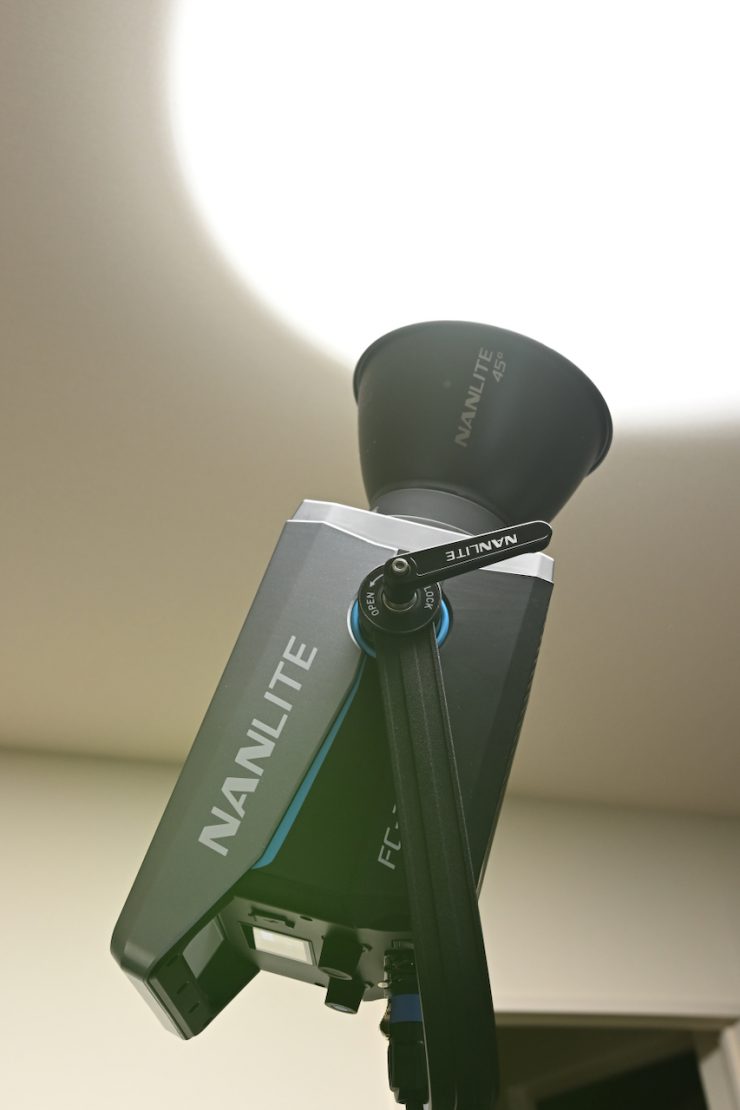
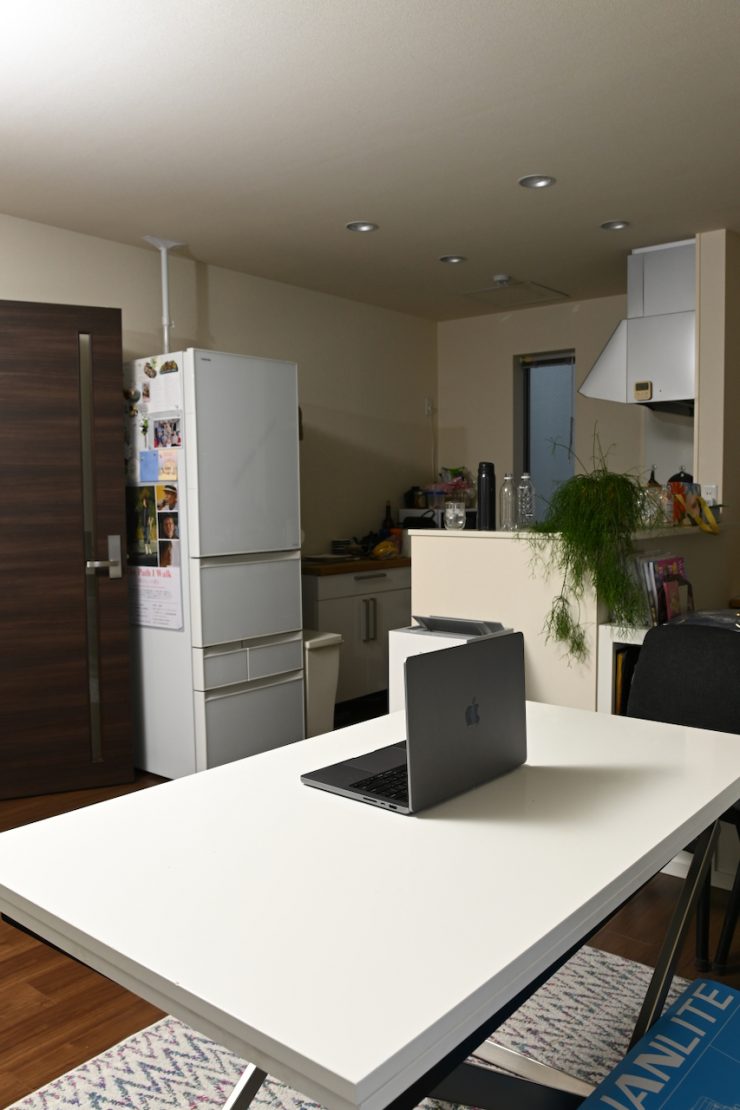
Open Face 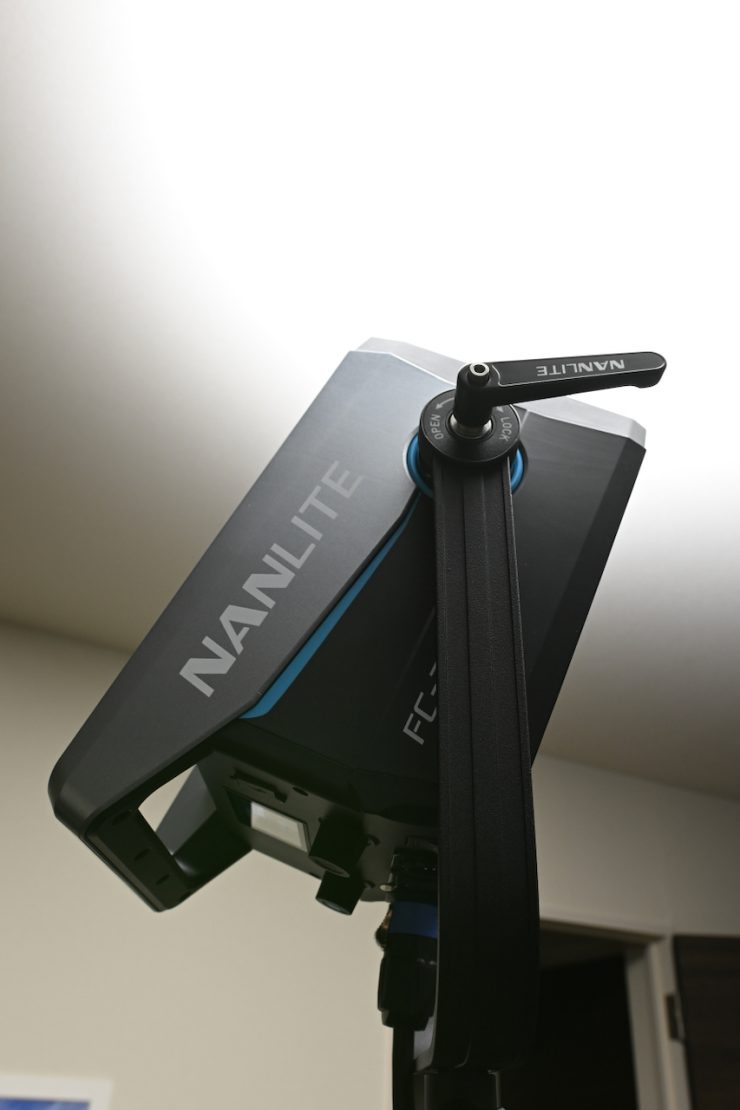
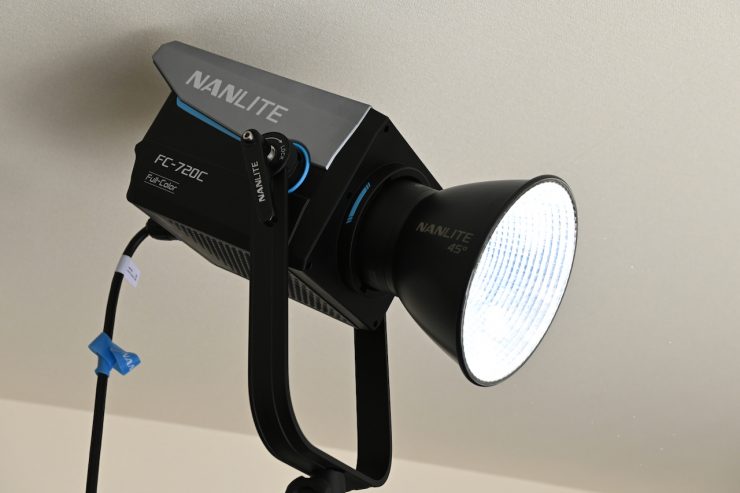
Above, you can see what the light looks like when punched directly into the ceiling.
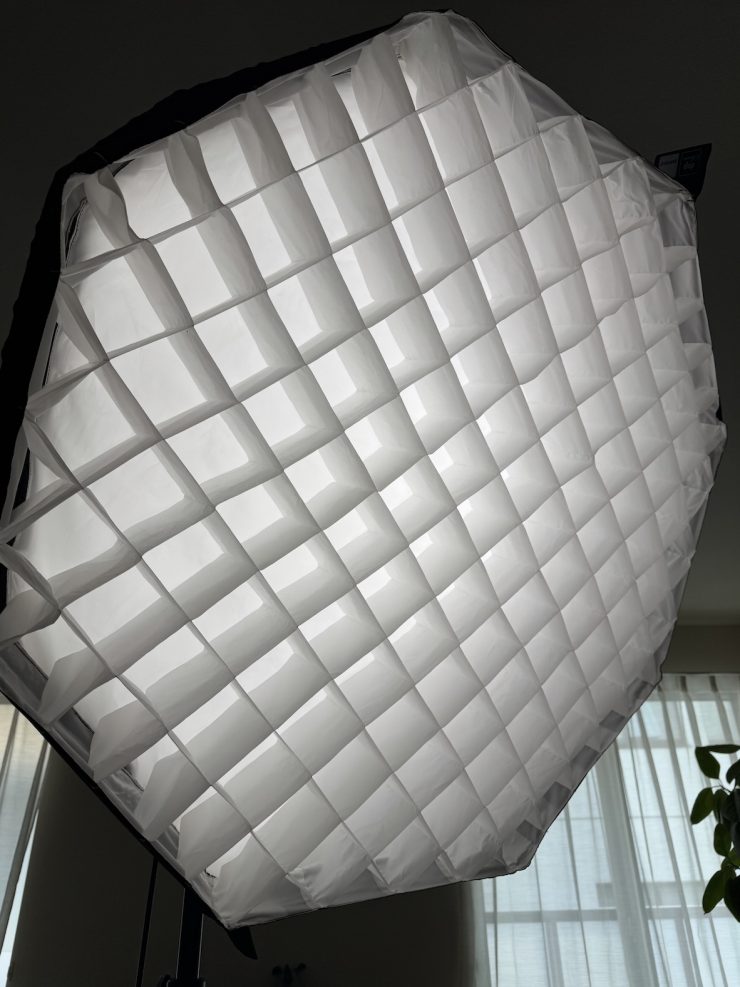
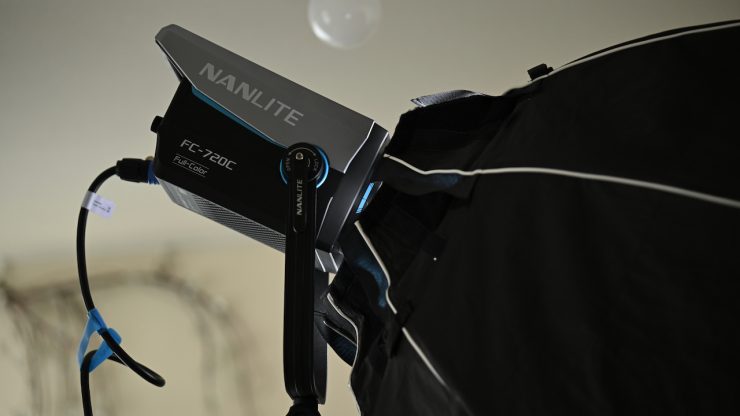
I also tried the light with a DoPChoice Octa 3 softbox. While the light won’t fill the softbox completely, it still does enough to provide good results.

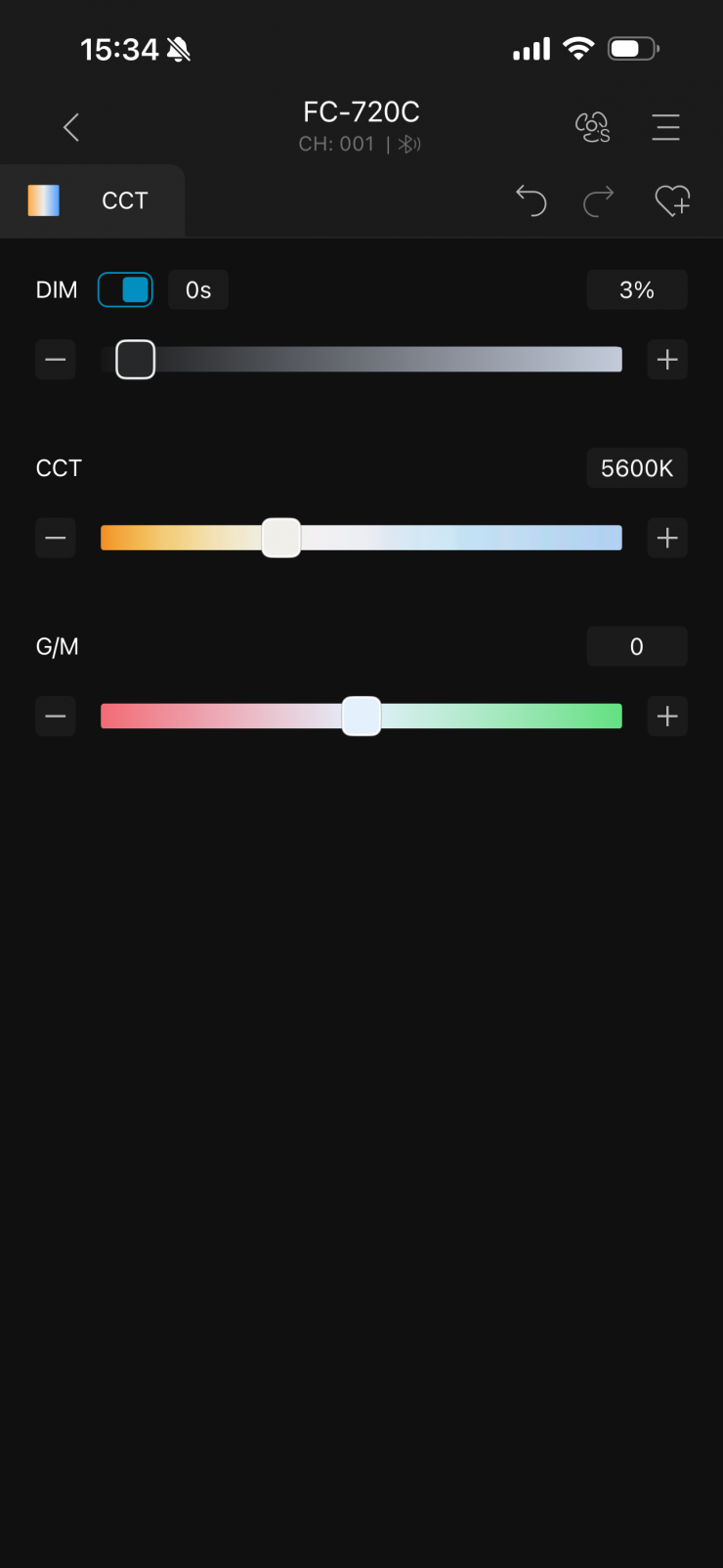
In the above example image, I have just used the FC-720C and no other lights. The FC-700C was only set at just 3% output in conjunction with a DoPChoice Octa 3′ softbox running two layers of diffusion and a grid. The FC-720C is more than capable of producing enough output when coupled with a large softbox for interview requirements.
The lights also work well when used with bounce boards or the CRLS reflector system when you combine them with the Fresnel or Nanlite Projector.
Who is the NANLITE FC-720C aimed at?
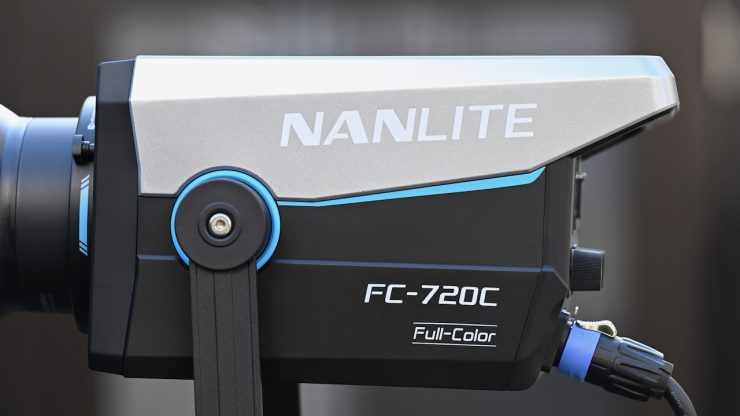
Just like most point-source LED lights with this type of power draw, you could use the NANLITE FC-720C for a variety of different applications.
It is priced to appeal to entry-level and mid-end owner-operators who are looking for a jack-of-all-trades lighting solution and are on a budget.
Just like most modern-day LED spotlights, the FC-720C has the ability to be a hard light source or a soft source, depending on what lighting modifiers you use it with. As it features a standard Bowens-S mount, you can use it with a wide array of affordably priced lighting modifiers.
Is the FC-720C likely to appeal to solo shooters and small crews who are looking for a similar light to say an Aputure LS 600c Pro II or an Amaran Ray 660c? I would say yes.
Price & Availability
The NANLITE FC-720C retails for $599.20 USD. This makes it a very affordable option given its output and capabilities.
Below you can see how the price compares to some of the competition:
| | Price |
| NANLITE FC-720C | $599.20 USD |
| amaran Ray 660c | $699 USD |
| Profoto L600C | $3,995 USD |
| NANLUX Evoke 600C | $2,060 USD |
| Aputure STORM 700x | $1,690 USD |
| Kelvin Epos 600 | $2,999 USD |
| Aputure LS 600c Pro II | $1,490 USD |
| Aputure LS 600d Daylight LED Monolight | $872 USD* |
| Aputure STORM 400x | $1,059 USD |
| Aputure STORM 1000c | $2,990 USD |
| Nanlite Forza 720B | $1,519 USD* |
| Aputure LS 600x Pro Light Storm | $1,393 USD |
| Nanlite FC500C | $719.20 USD |
| Nanlite FC720C | $599.20 USD |
| Godox LITEMONS LA600R | $919 USD |
| amaran Ray 660c | $699 USD |
| HIVE LIGHTING Super Hornet 575-C | $5,999 USD |
| COLBOR CL600R | $1,999 USD |
*Currently on sale at B&H as of the 3/04/2026
Conclusion
The NANLITE FC-720C, like most of Nanlite’s fixtures, is a very solid offering that won’t break the bank. Arguably, the light’s greatest strengths are its output and relatively compact size. As I have previously said in lots of lighting reviews, spotlights like this offer a lot of versatility, and they can be used for so many different applications, which is certainly why they are so popular with shooters
Having the ability to use the FC-720C with a wide array of affordably priced lighting modifiers adds to its versatility. Unfortunately, unlike the FC-500C, you can’t use it with the optional FC PowerController to run it remotely from camera batteries. However, a lot of shooters are now using affordable battery solutions from Bluetti, Jackery, DJI, etc. to power lights in the field.
The interface and operating system are fairly basic, but they are easy to use and get the job done. The app is a lot better than it used to be, but there is still some room for improvement. For a lot of shooters, lights like the FC-720C, despite not having the build quality or advanced lighting engines of more expensive fixtures, will still be more than good enough for a wide array of lighting requirements.
The build quality is ok, but it isn’t as robustly made as some of the other competing lights in this space; however, in saying that, a lot of the competition is also significantly more expensive.
The fan noise is a little loud in my opinion, and you need to be aware of that if it’s placed too close to where critical audio is being captured.
The relatively small size and lightweight nature of the fixture make it a great option for anyone who is traveling, as long as you don’t have to run lights remotely without mains power.
The quality and color consistency of NANLITE fixtures over the last 3-4 years have improved a lot. The FC-720C offers fantastic value for money
If you are looking for a full-color COB spotlight that is reasonably lightweight and has a high amount of output, it is a good option if you can’t afford more expensive fixtures like the NANLUX Evoke 600c.