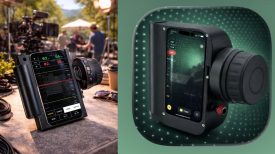

The Viltrox NexusFocus F1 PL to Sony E-mount adapter, which allows manual PL cine lenses to behave as AF lenses, has been officially announced. I have an extensive review of the product coming soon, so stay tuned for that.
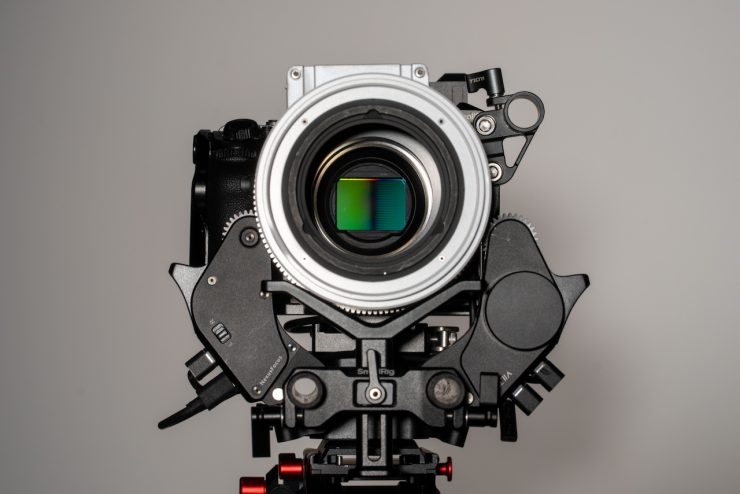

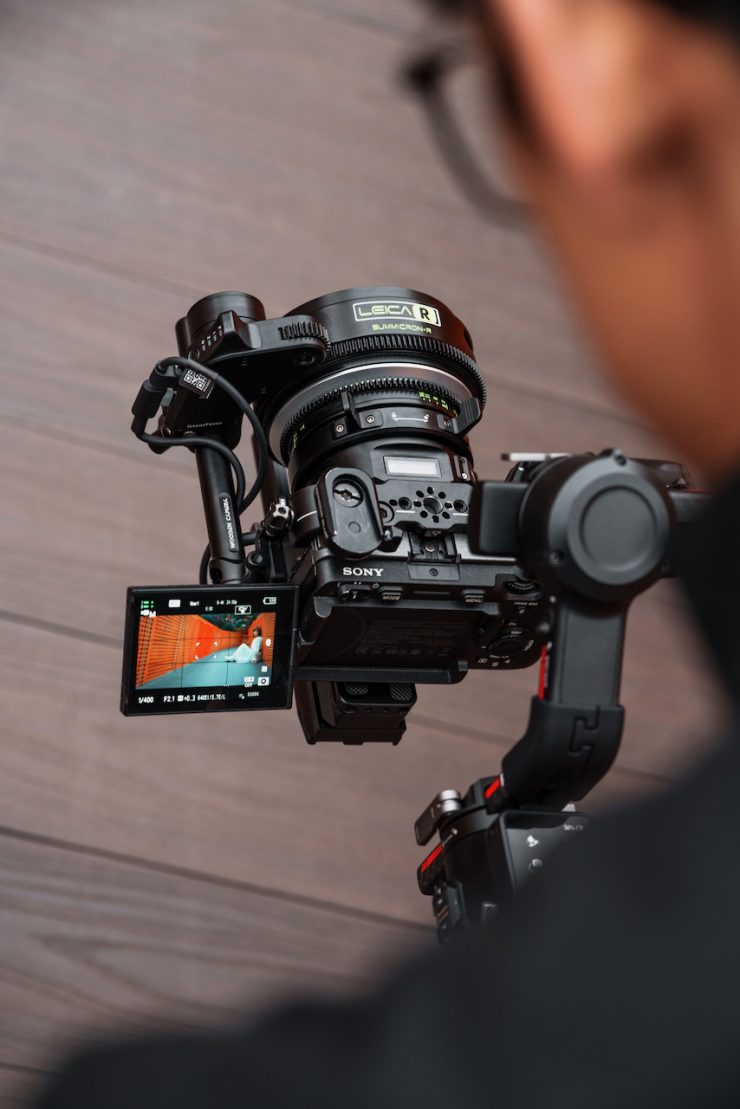
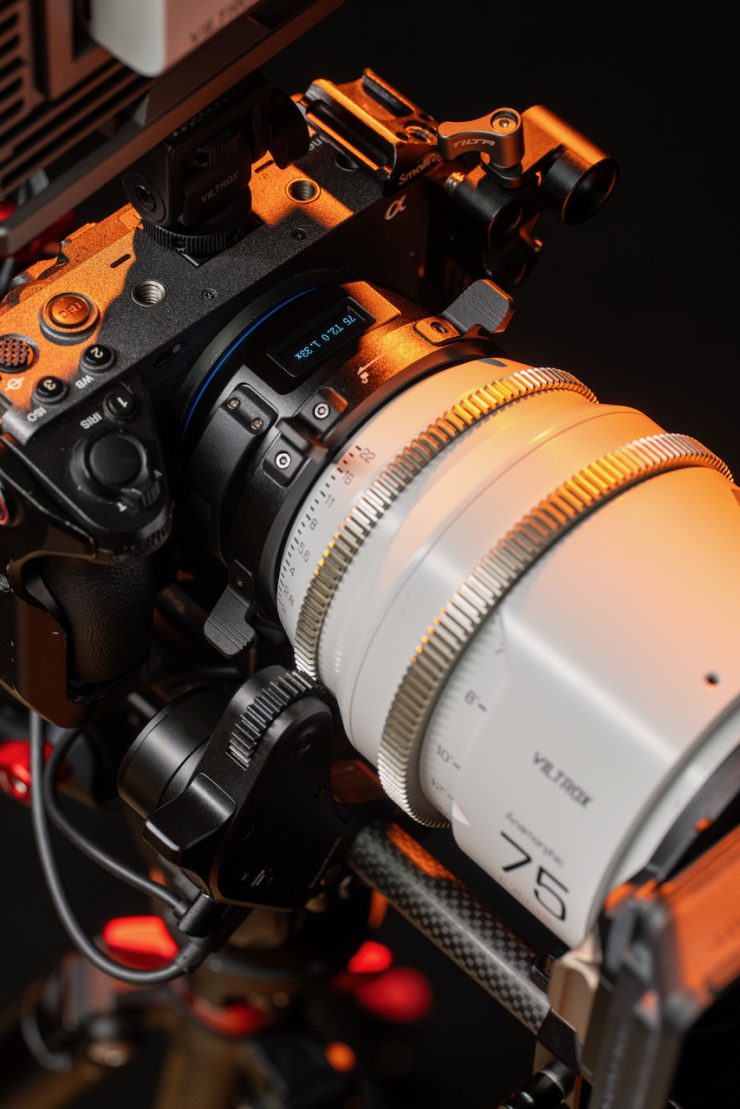

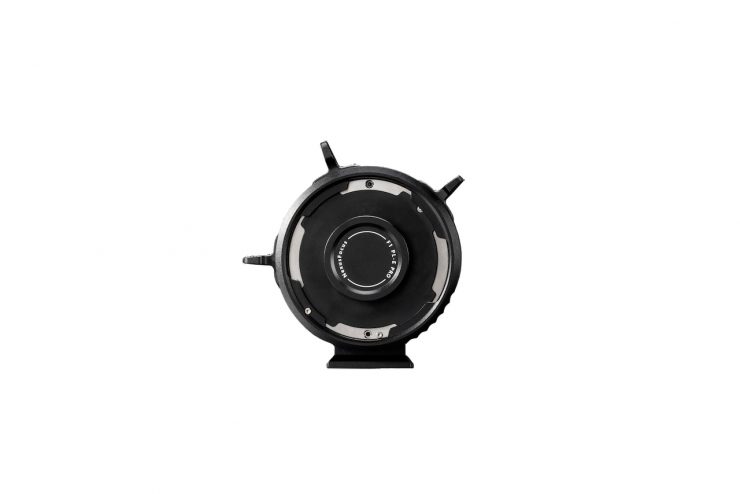
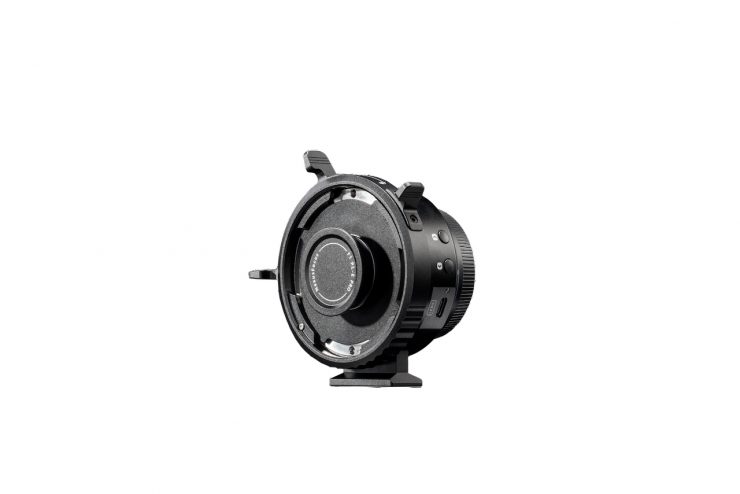
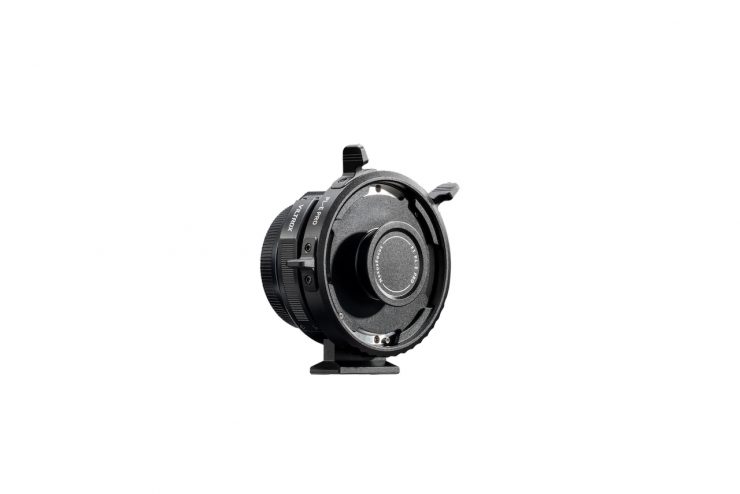
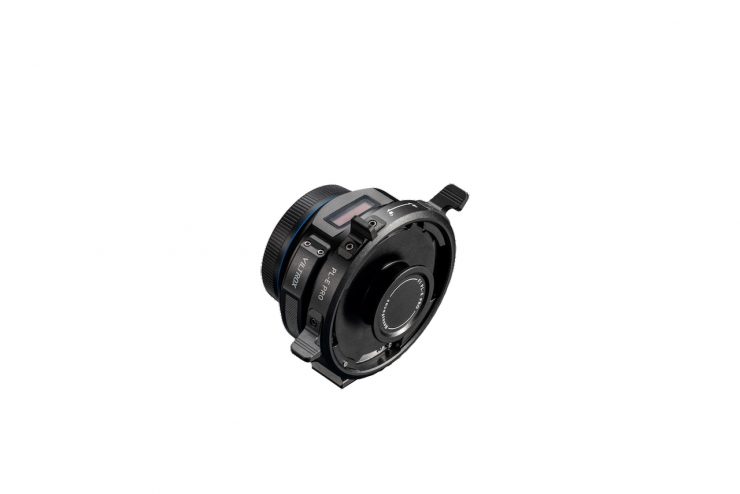
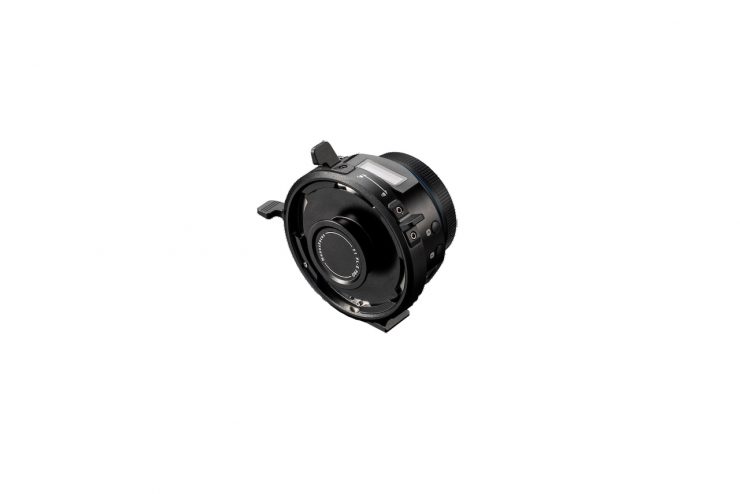
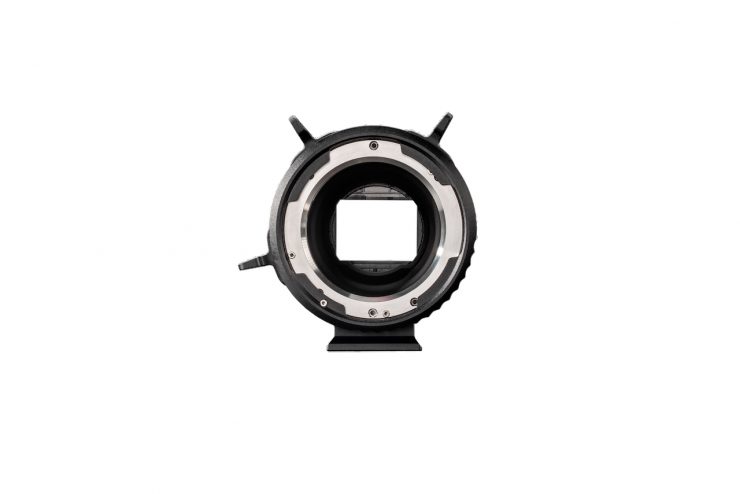
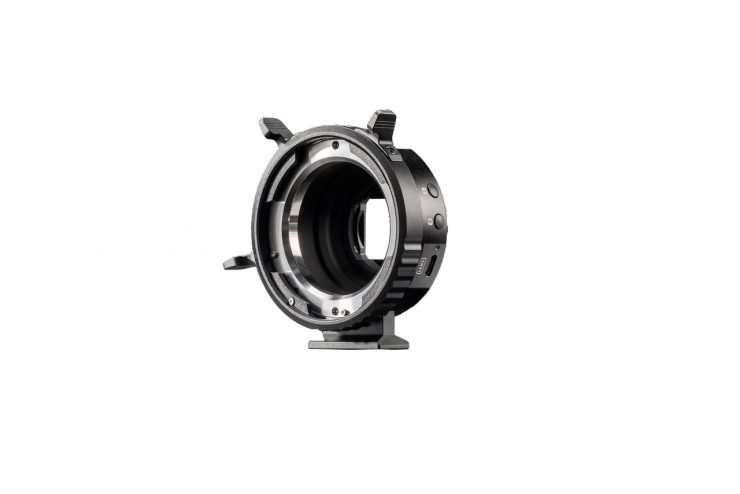
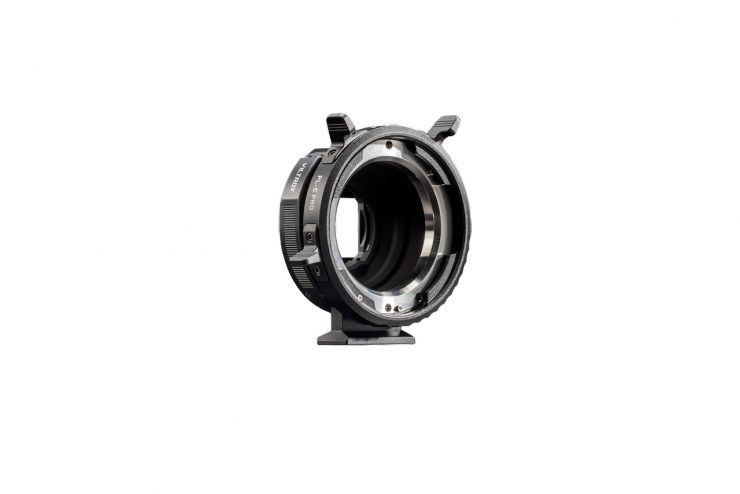
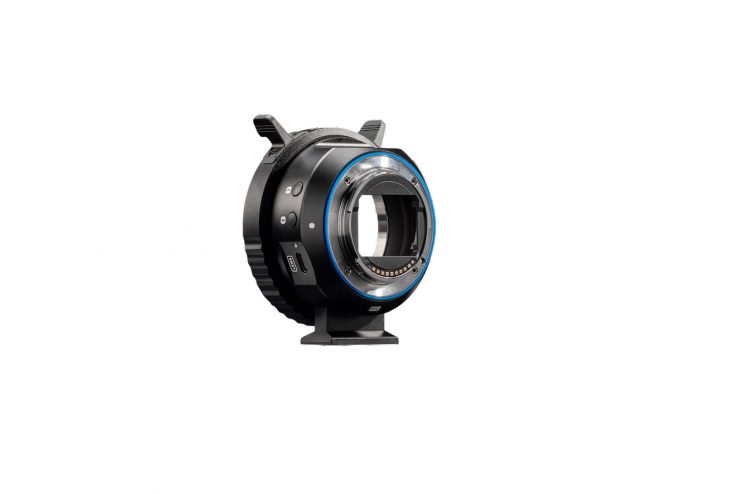
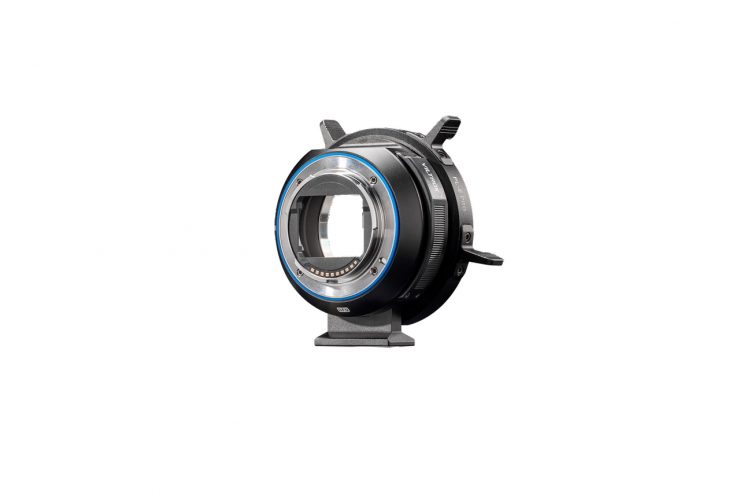
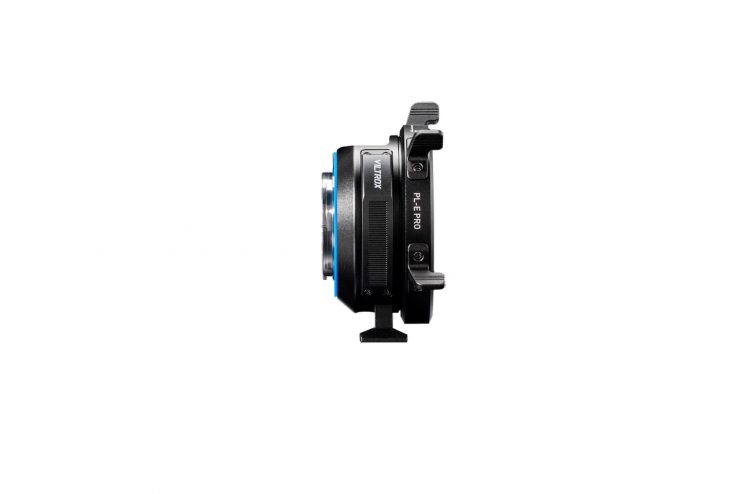
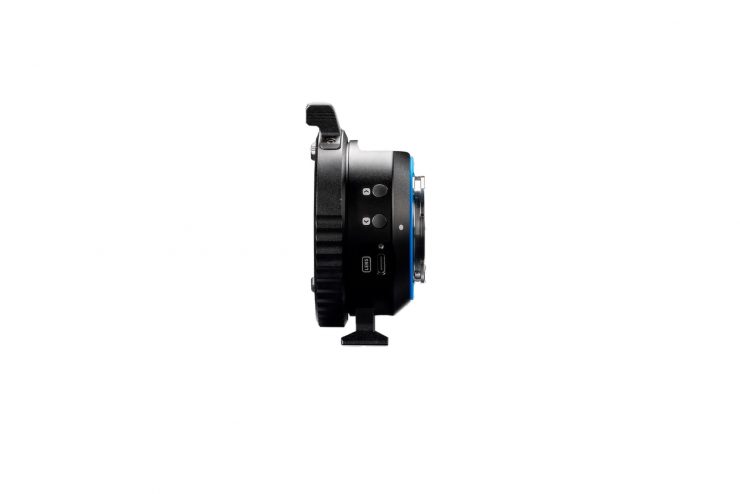
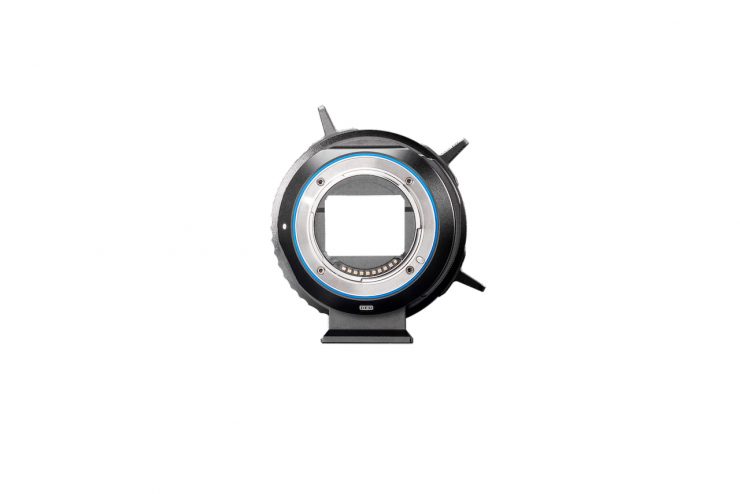
According to Viltrox, the NexusFocus F1 adapter with AI Autofocus (PL-E) acts as a ‘translator’ between past and future. It brings native autofocus to manual lenses, giving vintage lens enthusiasts, solo operators, and small TVC crews greater flexibility in how they work.
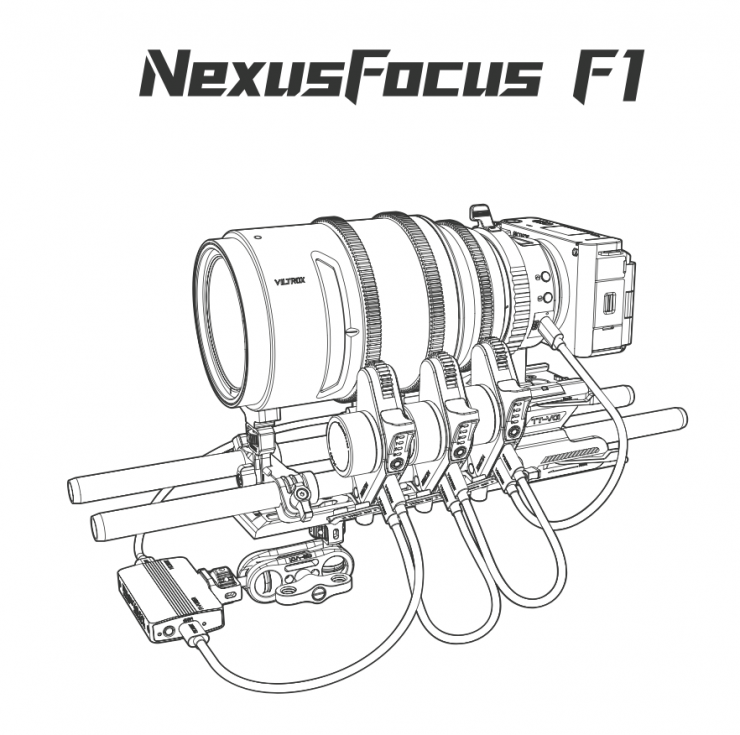
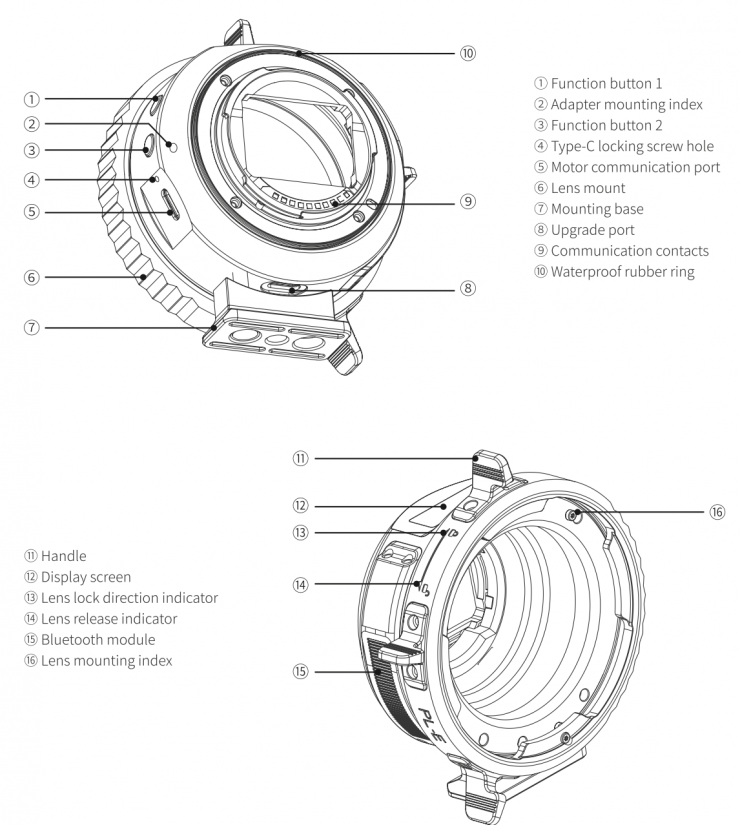
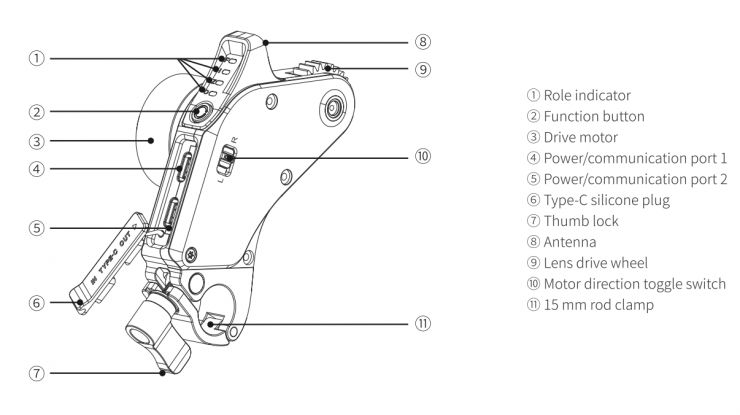
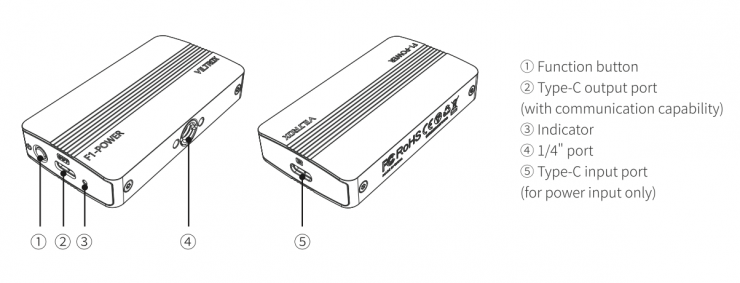
Unlike common LiDAR solutions, the Viltrox NexusFocus adapter leverages the camera’s native autofocus system to drive lens focus, aperture, and zoom adjustments.
We first saw a prototype of this product being shown at IBC 2025 in Amsterdam last year. Sometimes a product comes along that really stands out, and the Viltrox NexusFocus F1 was one of the most interesting pieces of kit I saw in 2025.
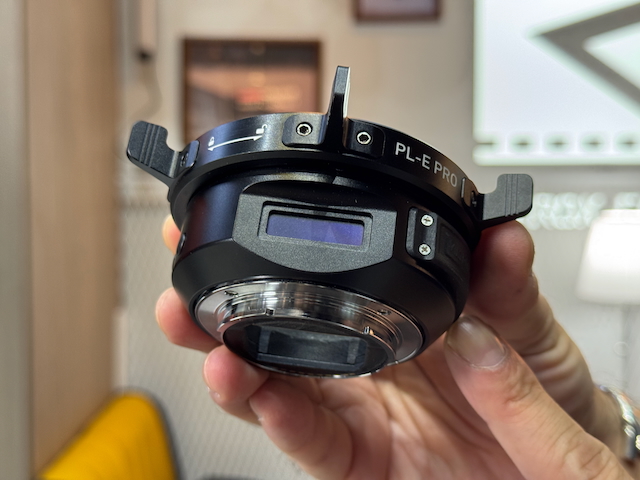
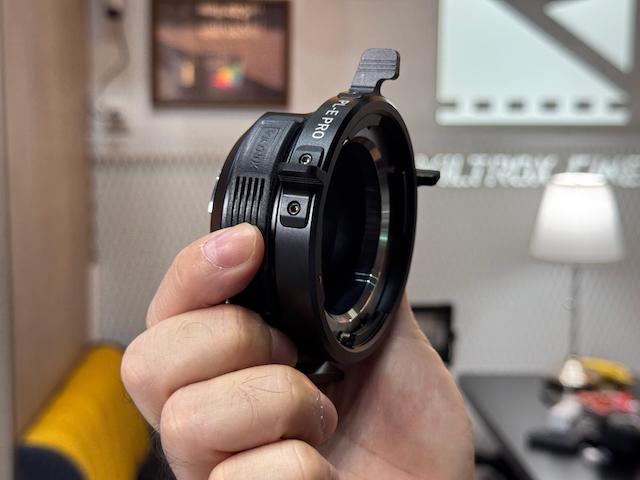
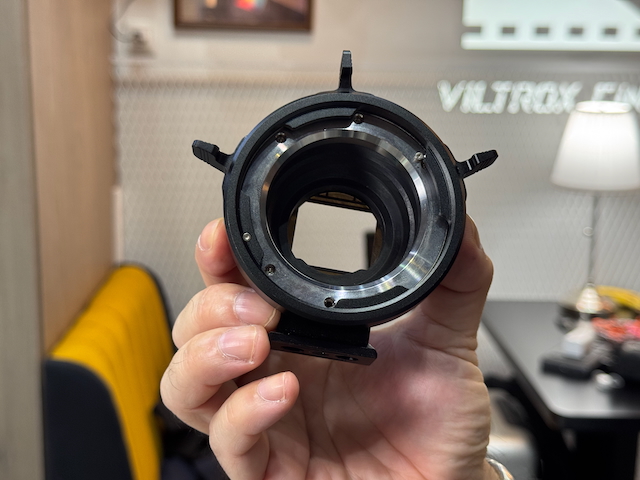
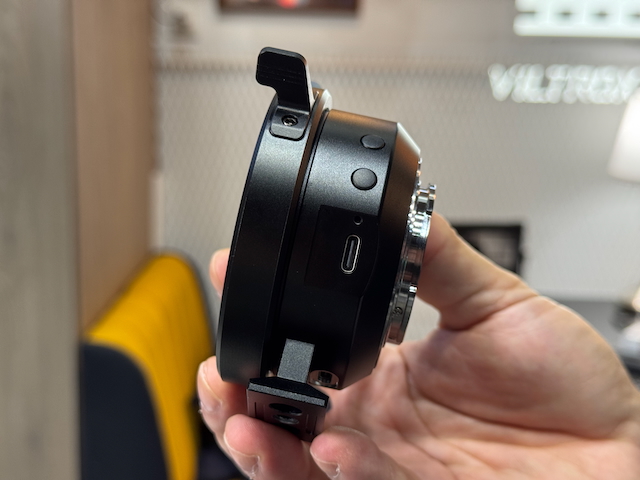
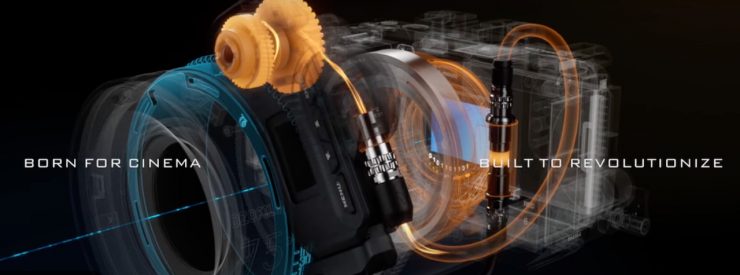
Through the lens adapter mount, Viltrox motors can receive and translate that autofocus information directly from the camera sensor.
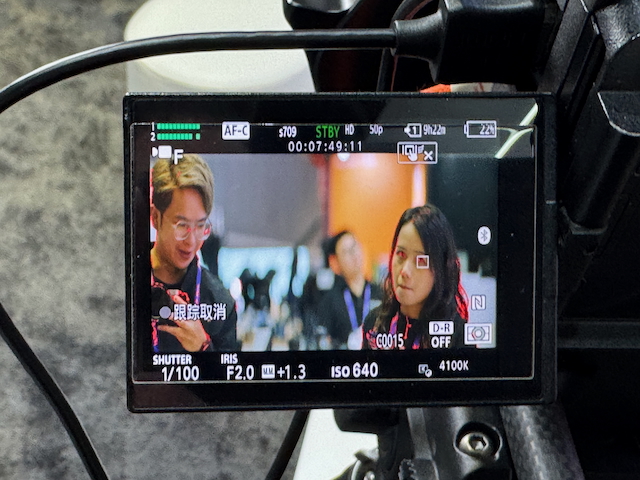
Essentially, when you touch the back LCD screen on the camera, the AF system sends the same information to the lens motors as it would to a native E-mount AF lens. This allows for full AF tracking, eye detection, etc. As it is deeply integrated with Sony’s powerful PDAF and AI subject recognition, NexusFocus F1 can provide instant, reliable, and smooth focus performance. Meanwhile, native touch-focus control on the camera delivers a smoother, more intuitive workflow.
This is a very clever solution, which, in my opinion, is way easier to use and set up than something like the LiDAR-based DJI Focus Pro. What you need to clearly remember is that a LiDAR-based system has the advantage that it can be used with any camera, including digital cinema cameras that don’t feature AF.
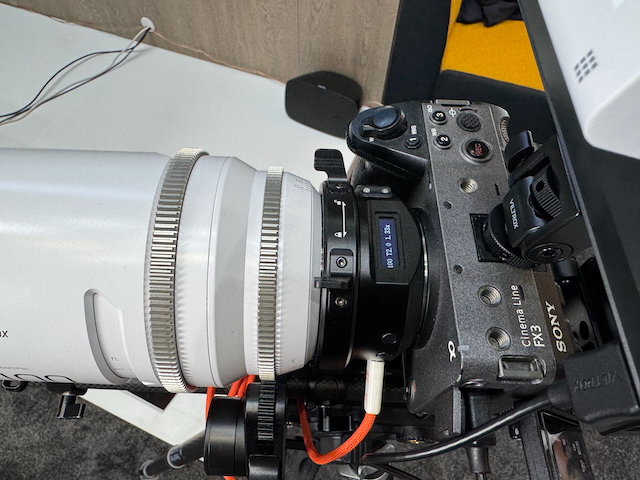
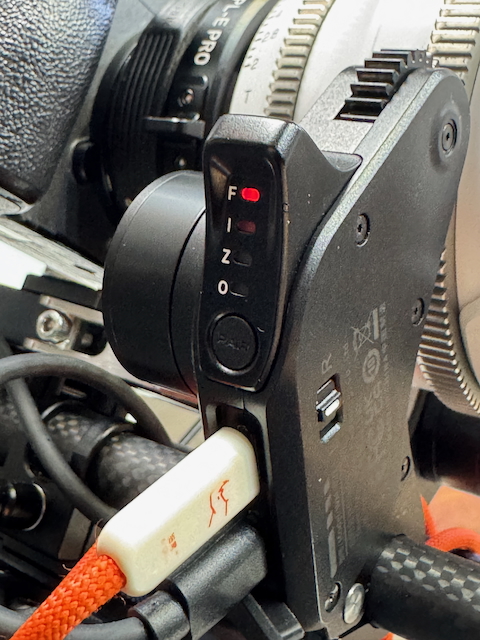
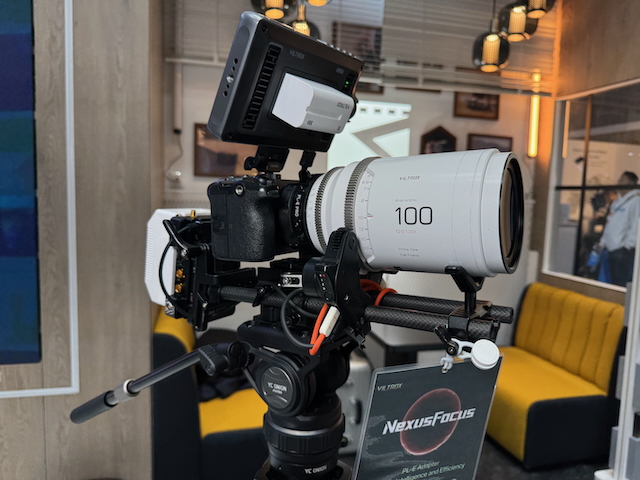
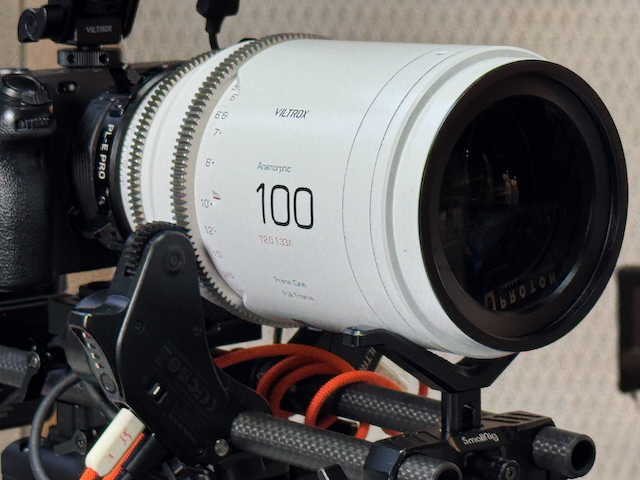
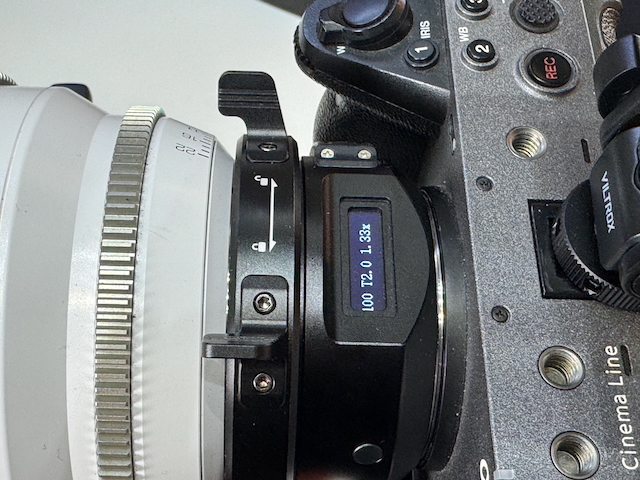
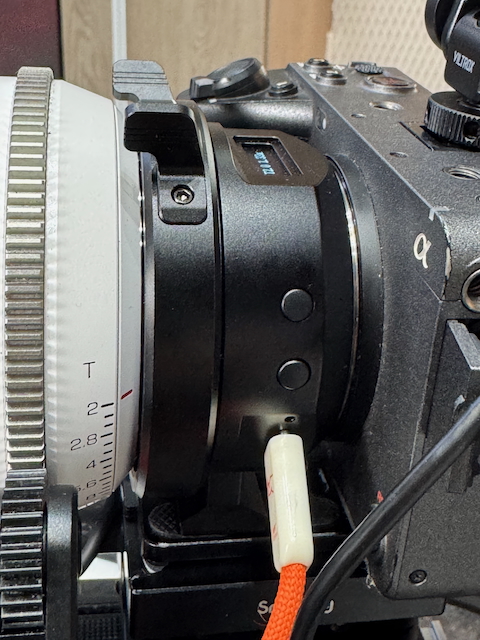
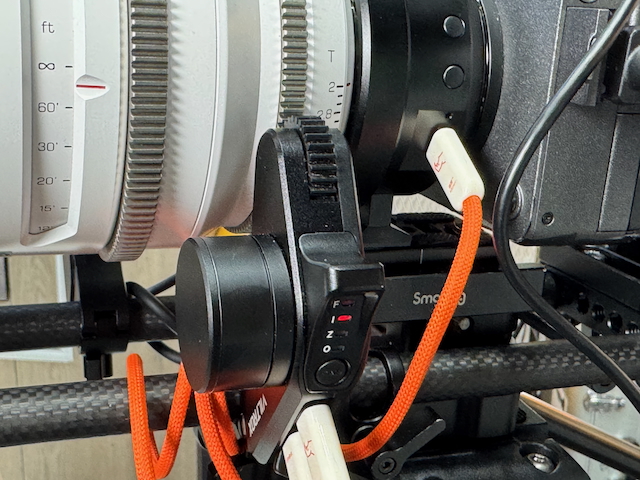
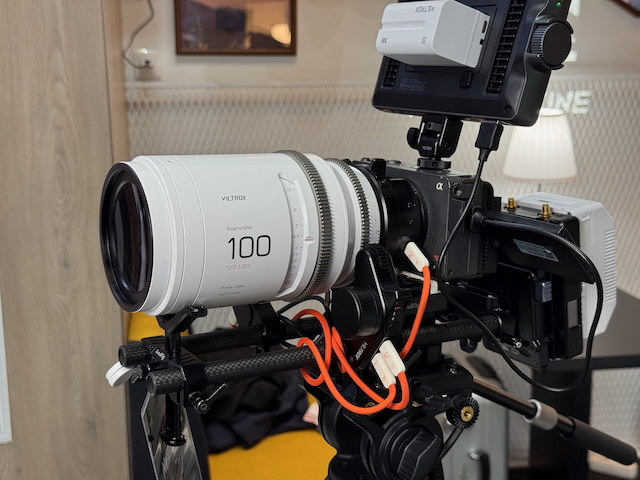
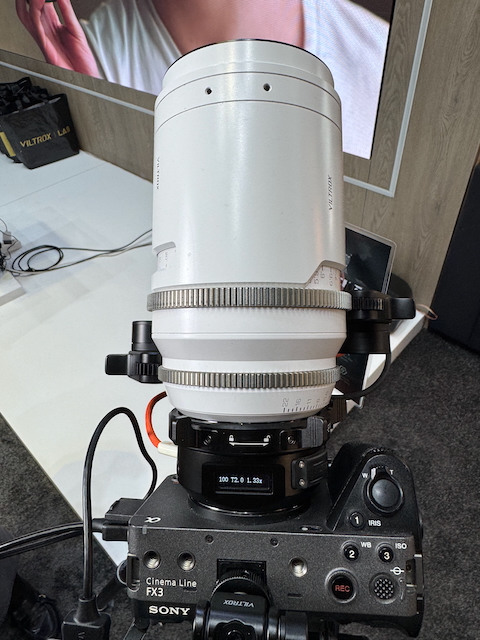
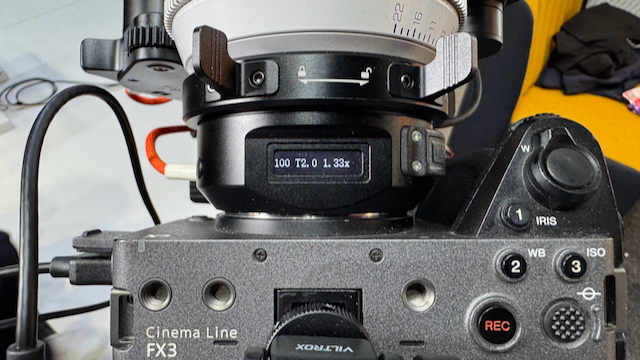
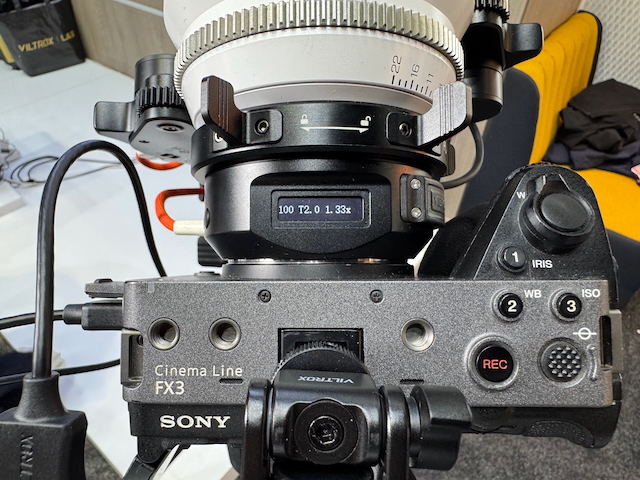
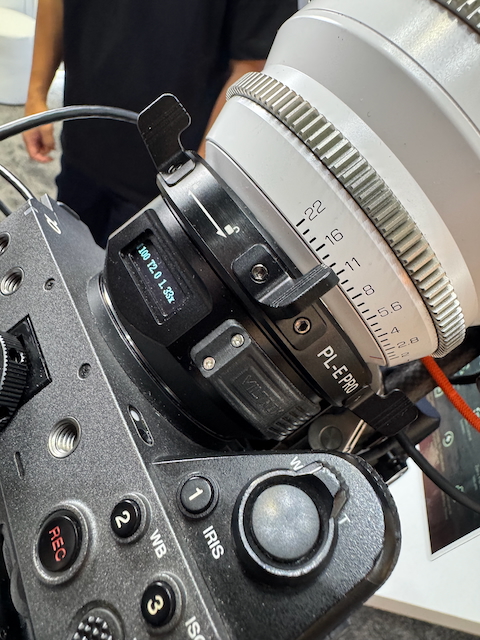
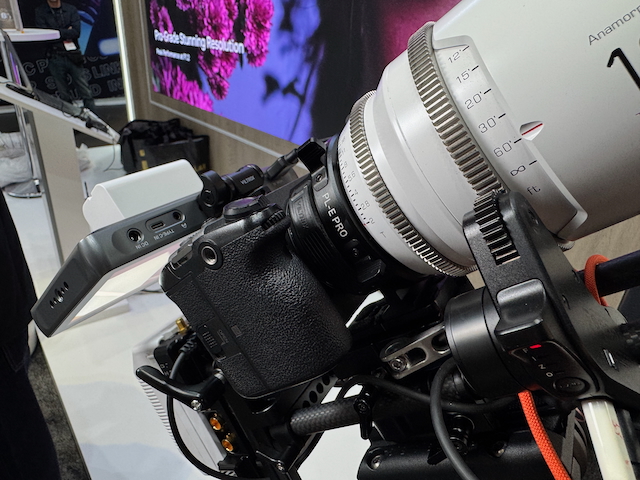
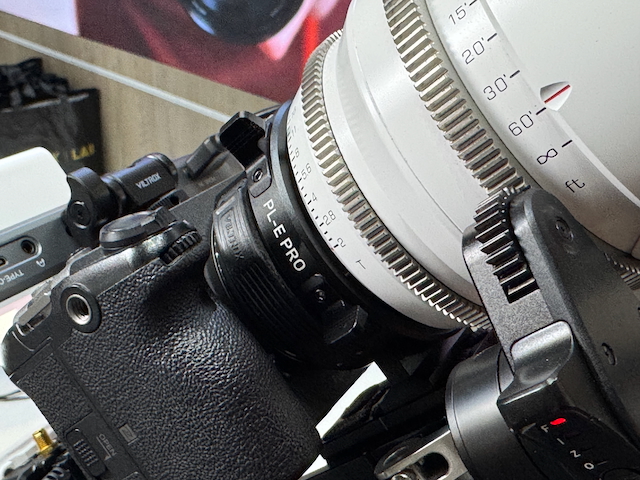
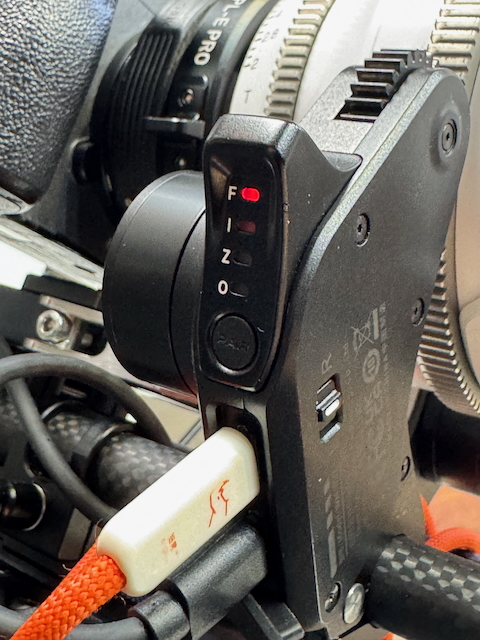
The Viltrox NexusFocus F1 uses a special PL mount that talks to the camera and is then able to send the AF information through standard USB-C cables to up to 3 motors at the same time.
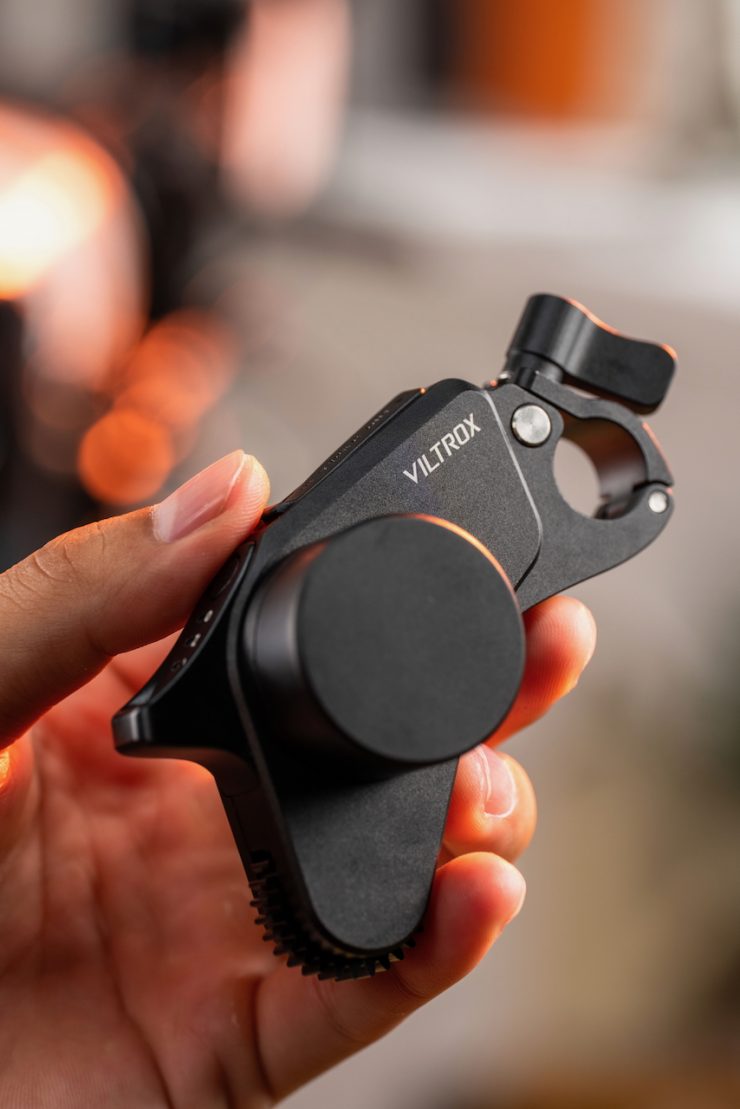
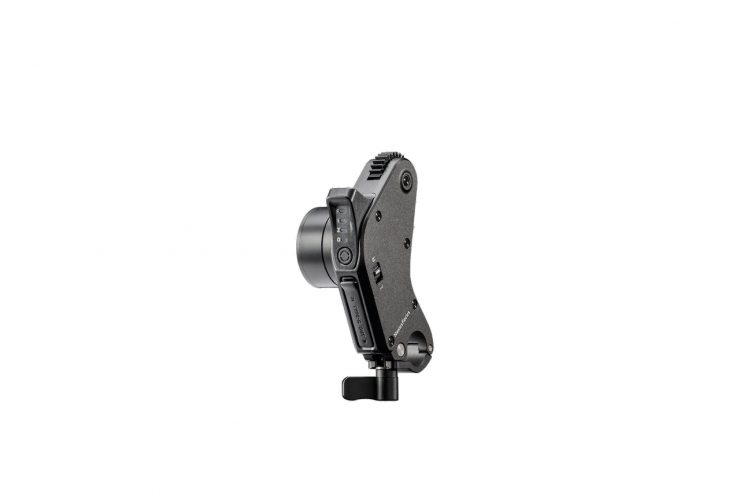
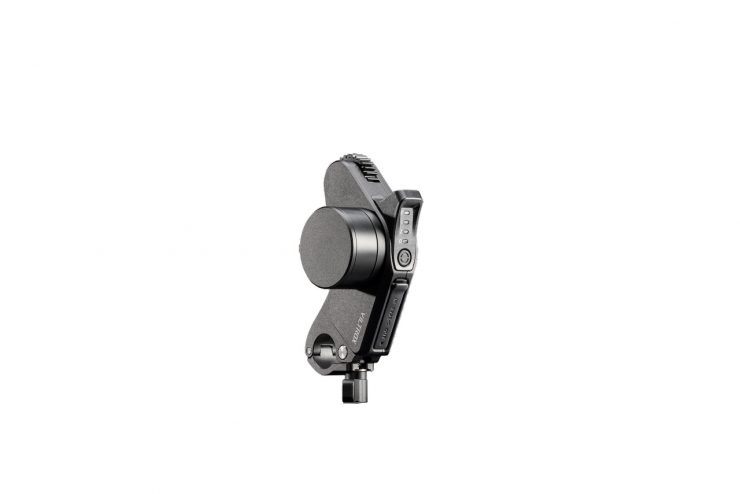
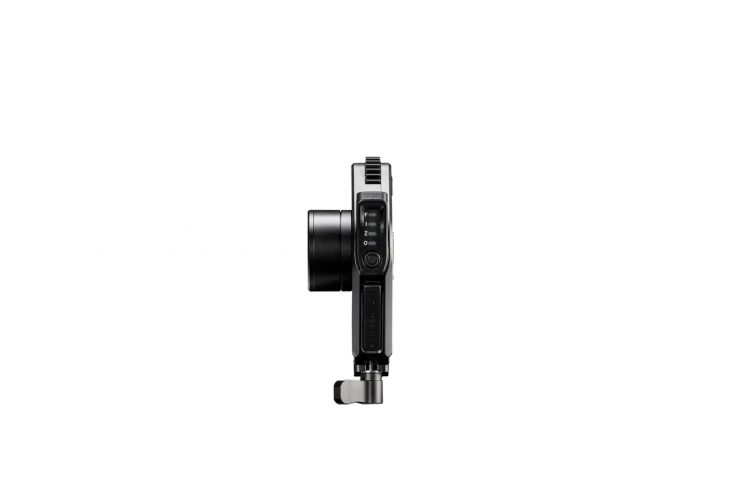
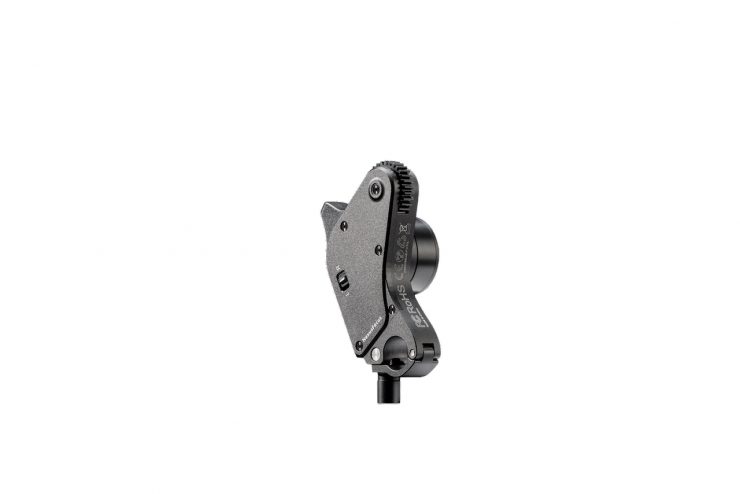
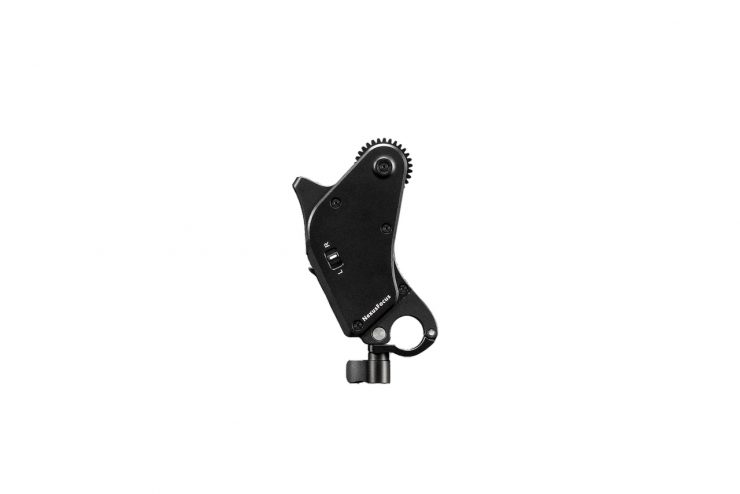
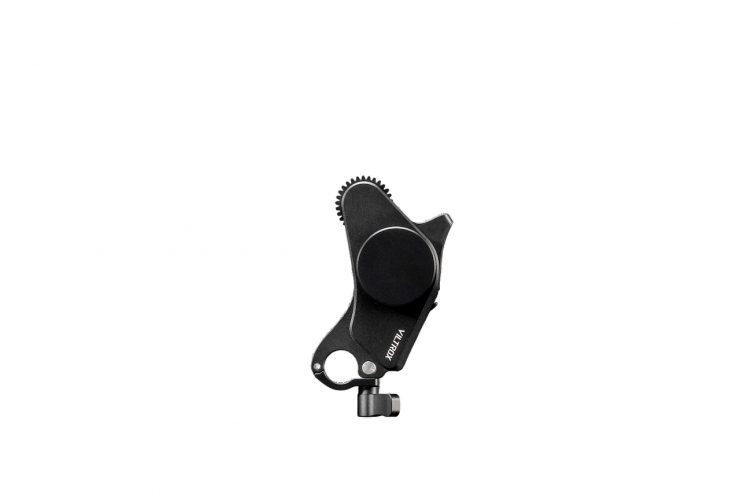
In the basic kit, you get two motors, but you can buy a kit that has three motors.

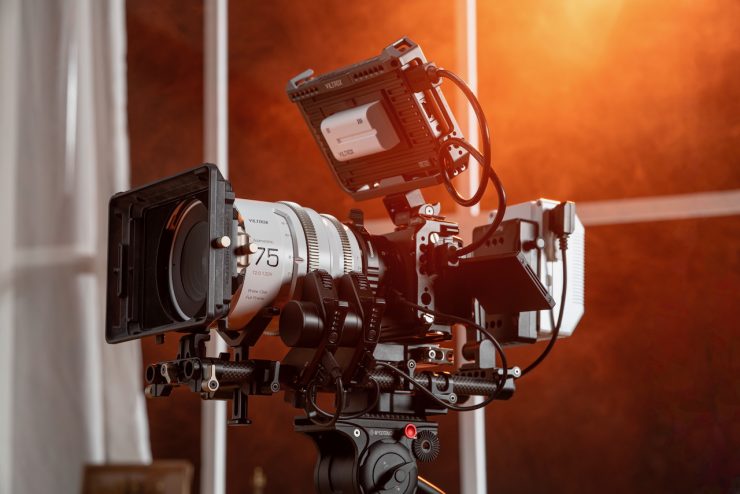
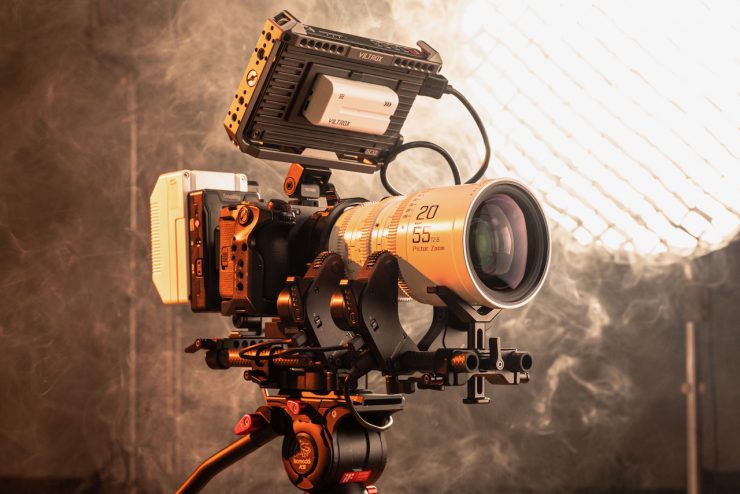
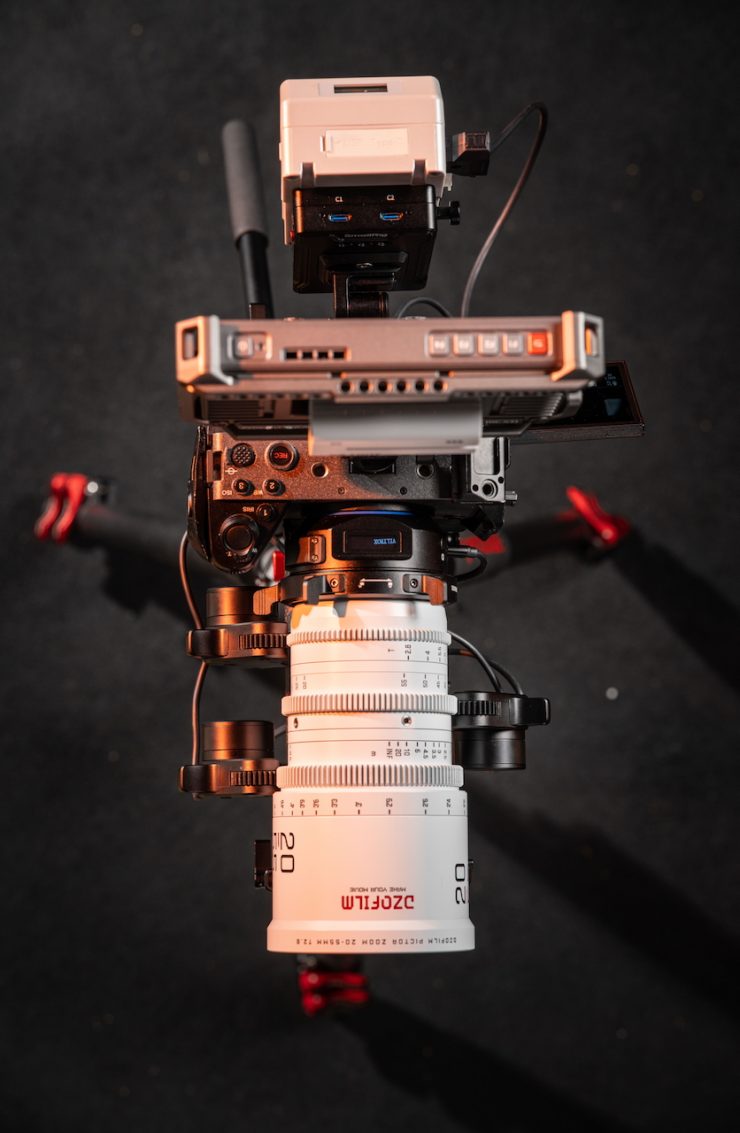

You can use the camera’s iris control, and the motor will adjust the iris on the lens just as if you were using a native AF lens. With a camera like the FX3 that has a zoom control lever, if you were using the system with a cinema zoom, you can zoom the lens just like you would when using a power zoom.
In addition, it is also compatible with the Sony Monitor & Ctrl APP, so you can easily operate recording, focus, iris, and zoom from your smartphone or iPad
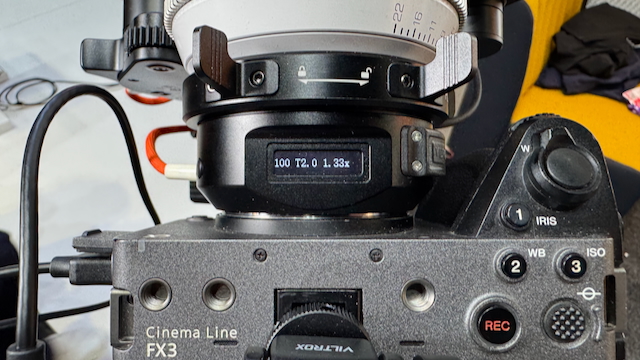
The adapter has a digital display on the top that tells you what lens you are currently using.
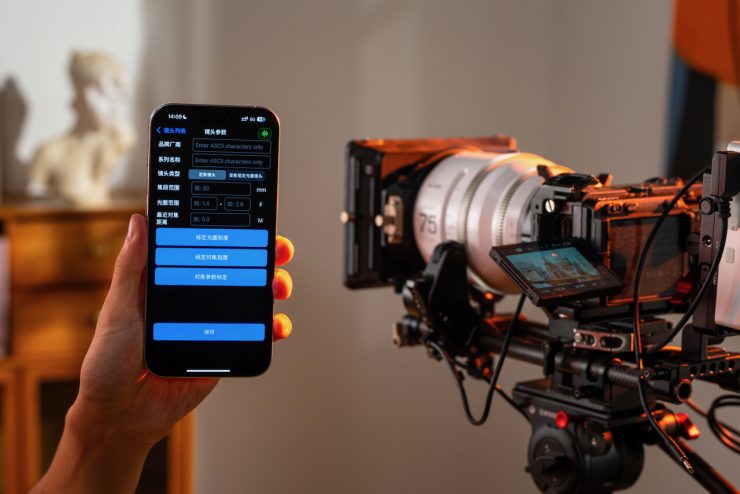

You will be able to use the NexusFocus F1 with the Viltrox NexusFocus APP. The system automatically detects calibration status on startup, so users can just mount the adapter, power on, and start creating (automatic calibration is currently only available on the iOS app version). You can also save lenses that can be recalled. This saves on having to set up lenses so they are ready to go straight away.
The Viltrox NexusFocus mobile app also comes with a wide range of lens calibration profiles ready to go.
As the system relies on the cameras’ AF, it works in a completely different way than LiDAR.
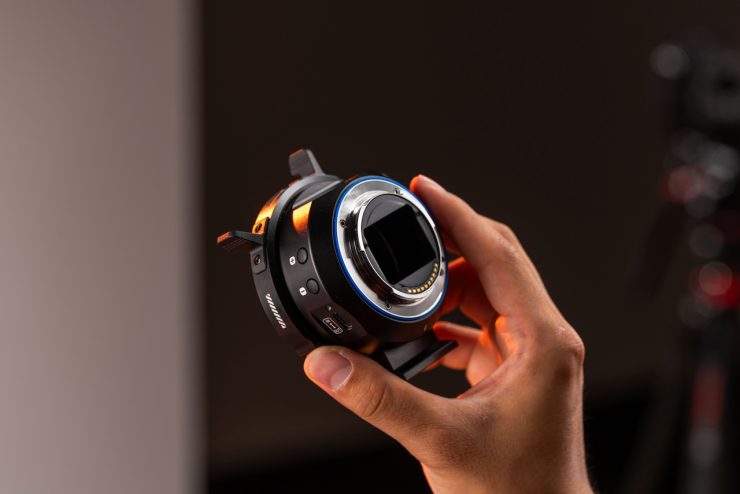
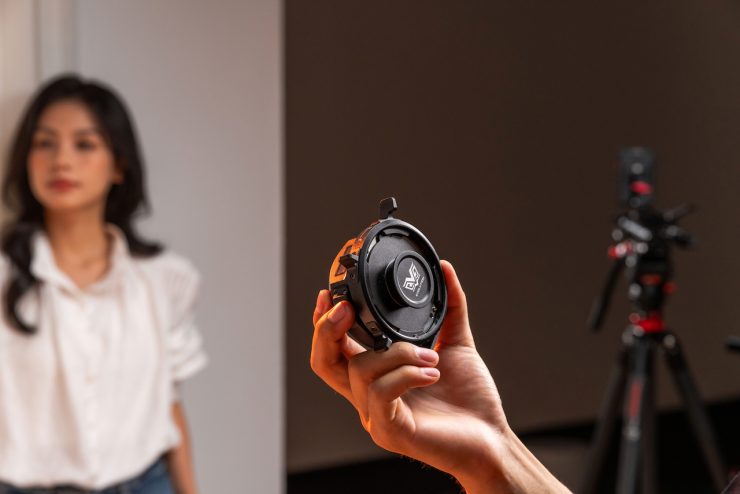
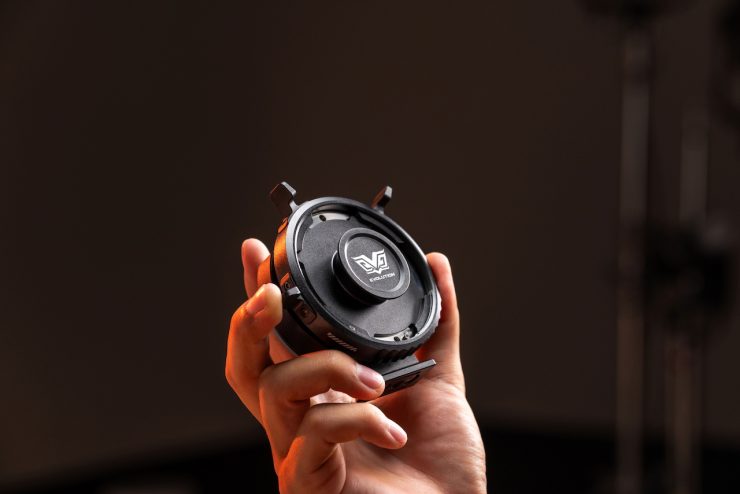
There is a dust-resistant seal at the camera mount end of the adapter, as well as a unique handle on the adapter ring for easy lens locking and release. Viltrox also includes a detachable tripod mount for flexible support. The adapter is made from aluminum alloy and stainless steel, and it features a matte-black coated inner wall for anti-reflection.
How do you power it?
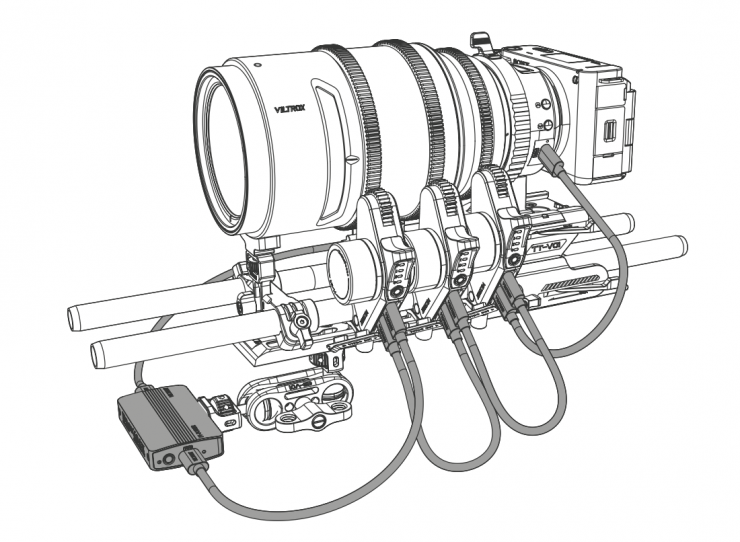
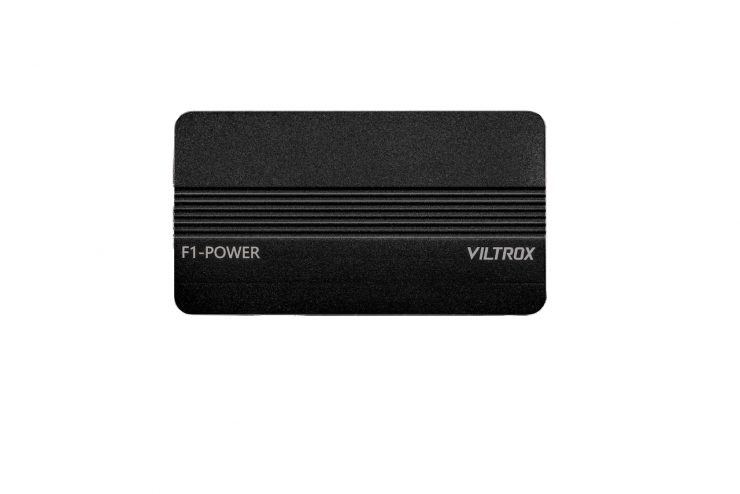
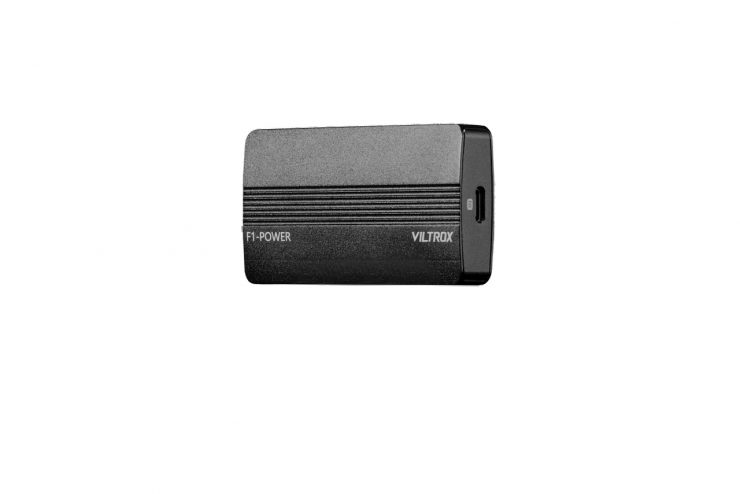
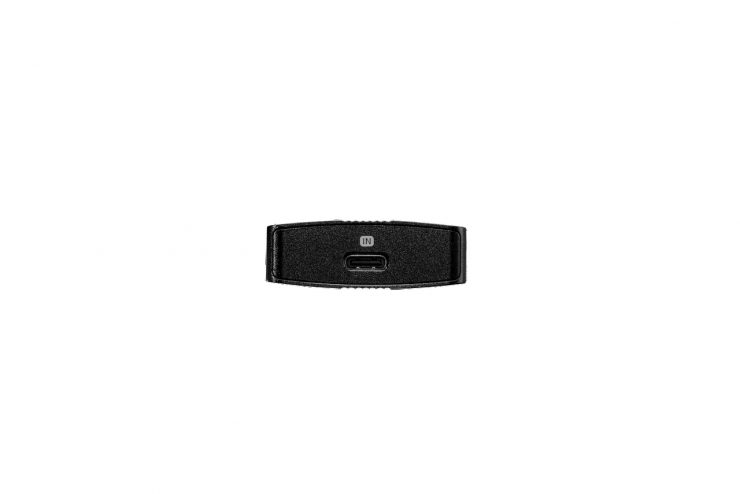
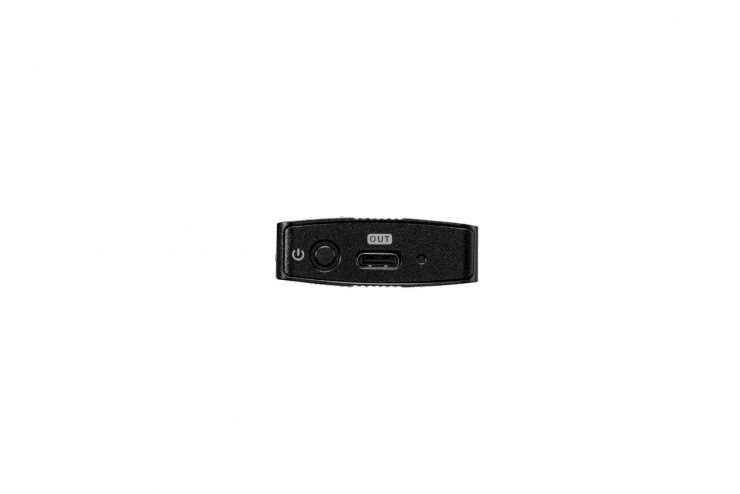
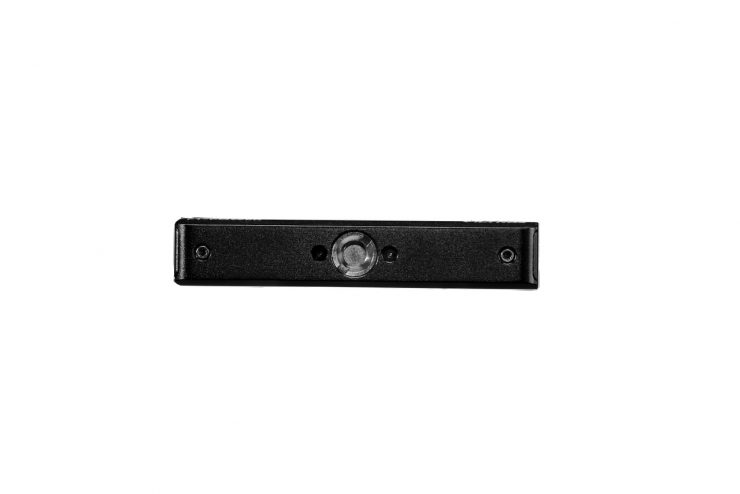
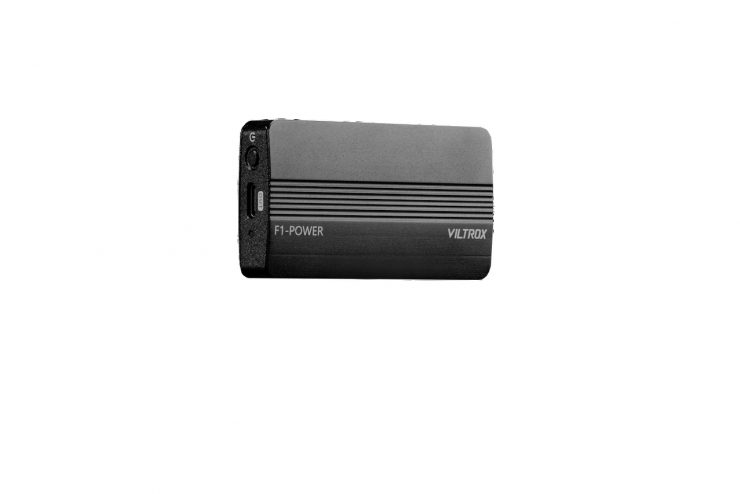
The NexusFocus F1 adapter does come with a power box. After powering through the Type-C input port, the power box enters standby mode, and the Type-C output port supplies 5 V. After establishing communication with the adapter ring, the power box enters communication mode, and the Type-C output port supplies the voltage instructed by the adapter ring.
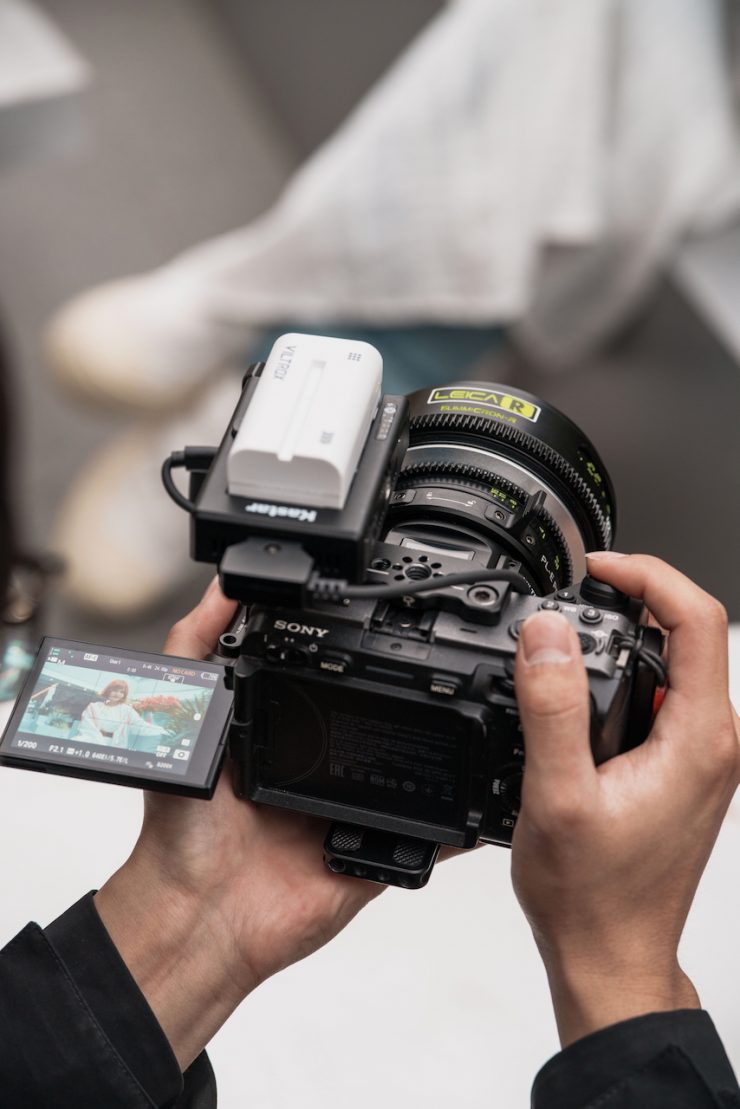
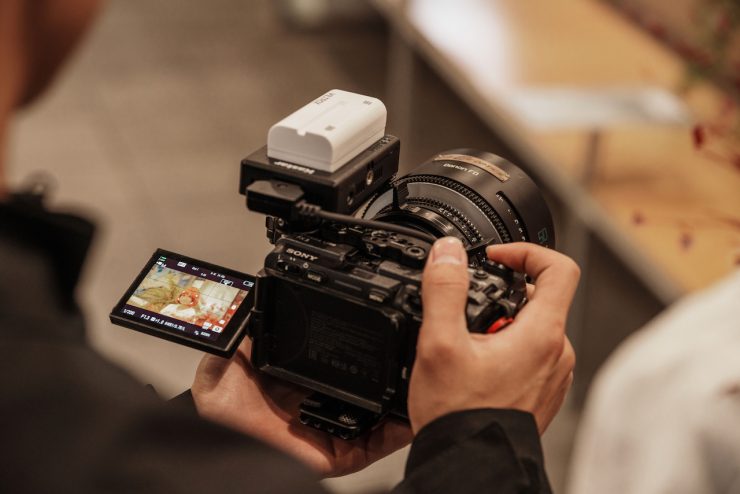



The NexusFocus F1 adapter also supports DC power input with a voltage range of 5 V to 20 V. The product includes a built-in PD protocol chip that automatically identifies and matches PD power sources, supporting up to 20 V input for optimal performance. To ensure stable operation and full performance, Viltrox recommends that you use a high-quality power adapter with an output power greater than 35 W.
It’s not an entirely new concept
The Viltrox NexusFocus F1 adapter builds on previous concepts that enabled AF with manual stills lenses.
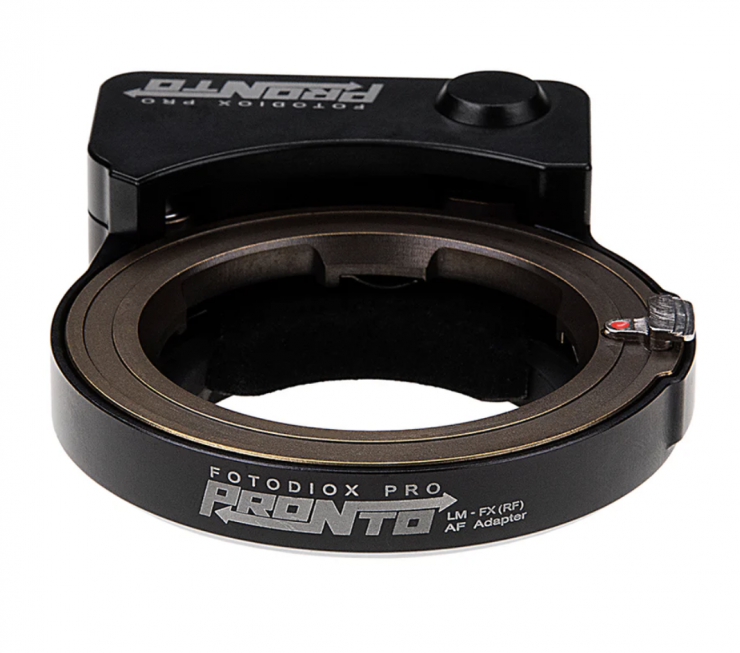
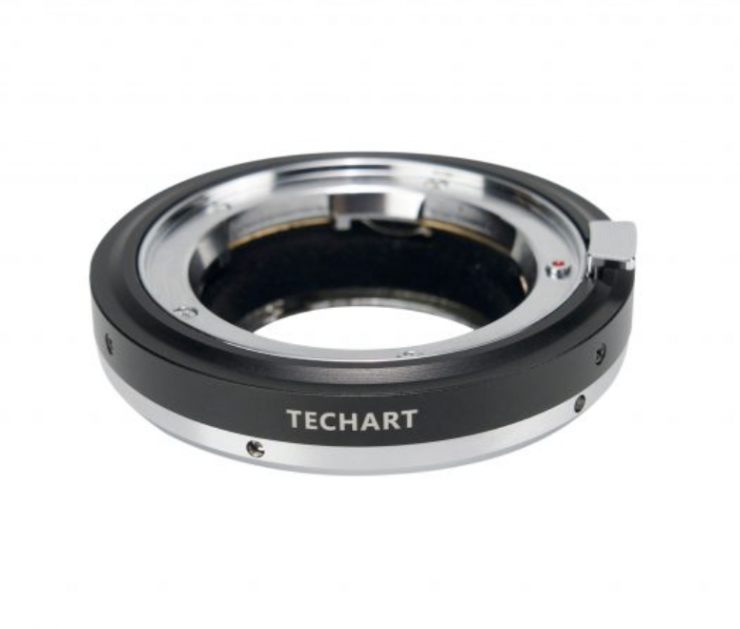
Products like the Fotodiox PRONTO and Techart PRO Autofocus Adapters that give you AF-S capabilities when using manual focus Leica M Mount Lenses on various camera systems have been around for quite a long time, but they have severe limitations.
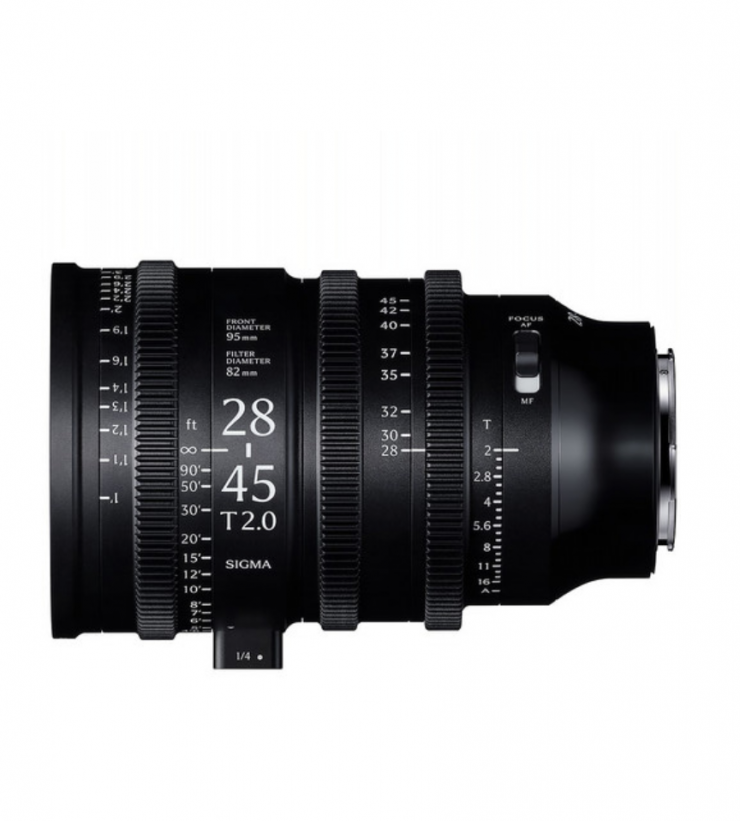
We have also seen cinema lenses with AF capabilities, including Sigma’s 28-45mm T2 Cine zoom lens, and AF anamorphic lenses from companies such as Blazar and Sirui.
Of course, there have been quite a few so-called “cine lenses” with AF before, but a lot of them were still lenses that have a manual aperture and the word cine tacked on.
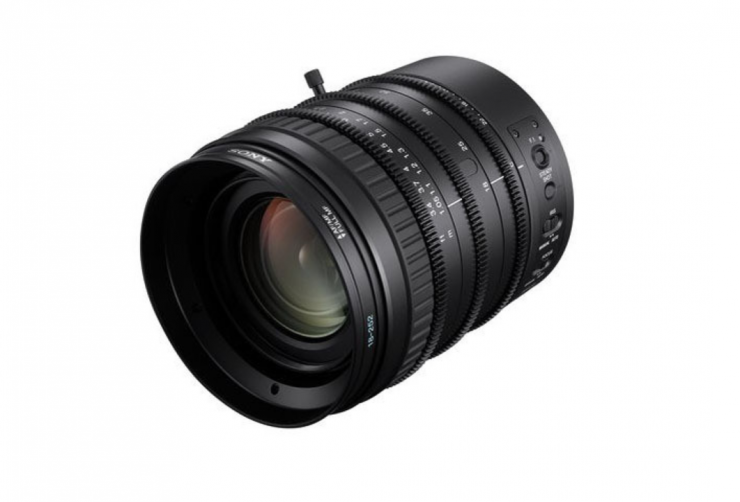
In fact, if you go back 14 years, Sony released the 18-252mm T3.9-T6.8 zoom lens that was for FZ mount that featured AF. This was arguably the first cinema zoom with AF capabilities, albeit not very good ones!
I reviewed that lens at the time on the site.
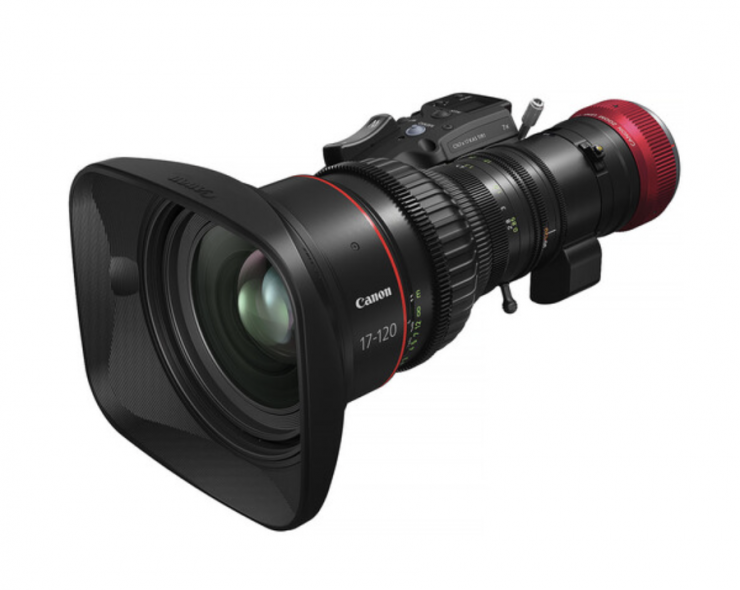
Canon also had a few Cine Zooms, such as the Cine-Servo 17-120mm T2.95-3.9 Lens (Canon RF), that could do Dual-Pixel CMOS AF II when combined with compatible cameras such as the EOS C400.
The trouble with most of the cine lens solutions that enable AF is the lack of hard stops and the fly-by-wire focusing system that is utilized. This makes manual focusing tricky to do.
No Variable ND solution
An issue with the NexusFocus F1 is that if you are using it with a mirrorless hybrid or smaller-sized digital cinema camera that doesn’t have built-in ND, you are going to have to use a matte box and ND with a lot of cine lenses. Although in saying that, there are a lot of smaller-sized cine lenses on the market that allow you to attach common-sized variable ND filters.
I think a lot of shooters, especially those using mirrorless hybrids or smaller-sized digital cinema cameras that don’t have built-in ND, would have liked to have seen a solution that features a rear-mounted variable ND filter. I imagine that there could be some limitations or technical reasons why the NexusFocus F1 doesn’t include one.
Increased Footprint
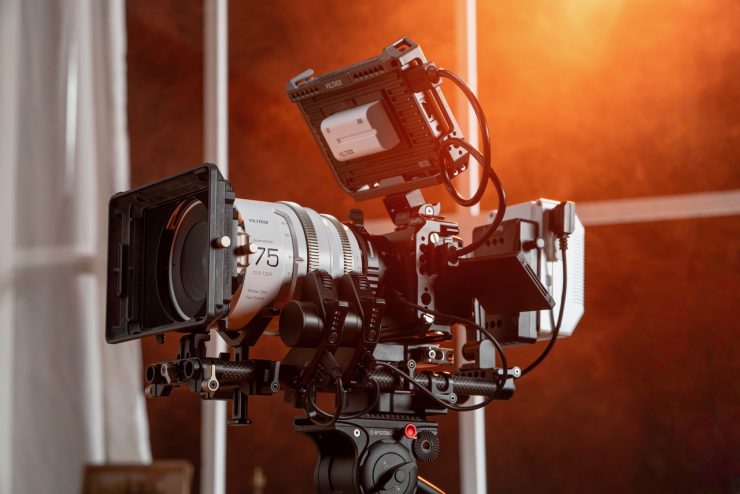

With smaller-sized digital cinema cameras or mirrorless hybrids, you are going to increase your camera’s footprint, as you need to add motors, rods, and power for the adapter. This is something you need to keep in mind.
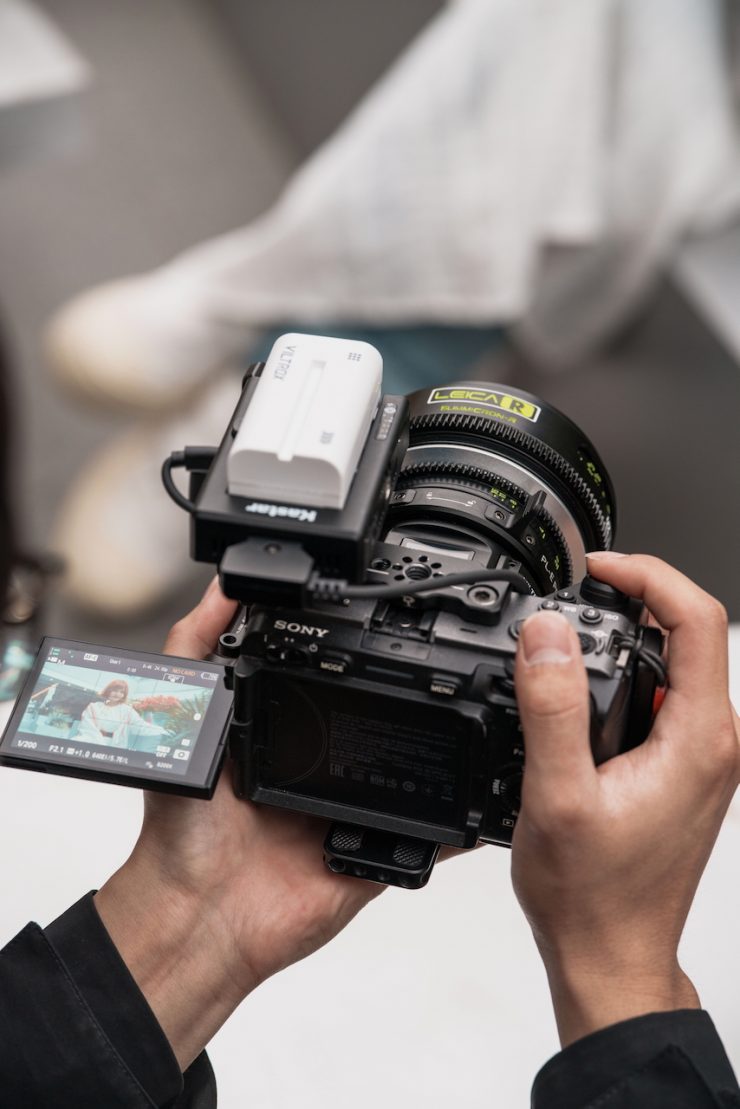

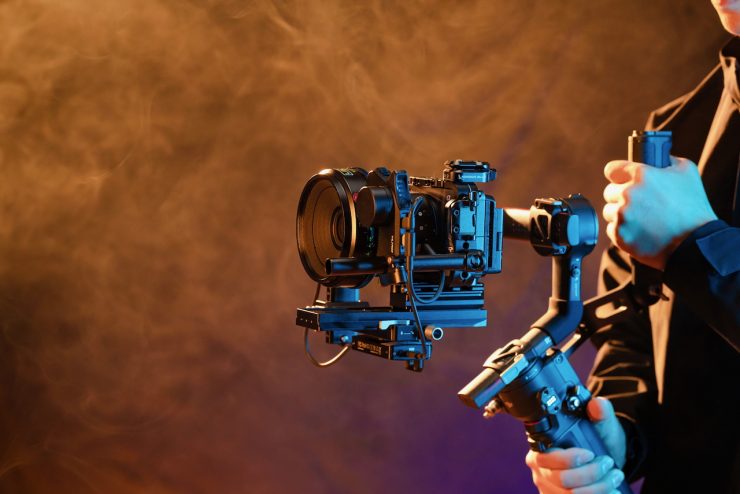
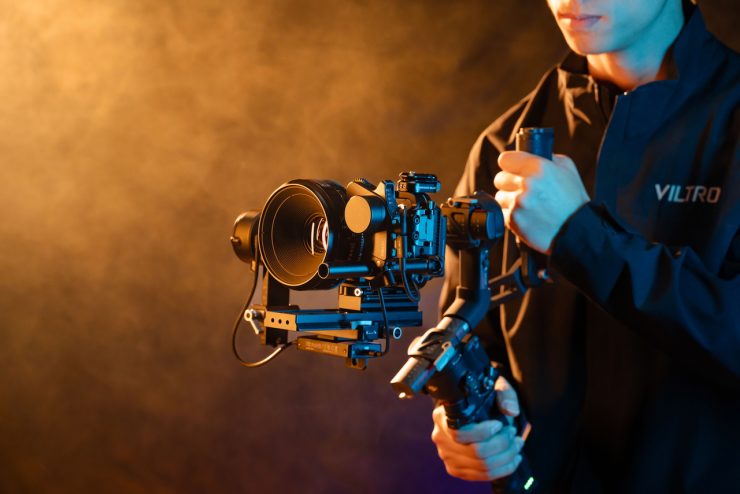


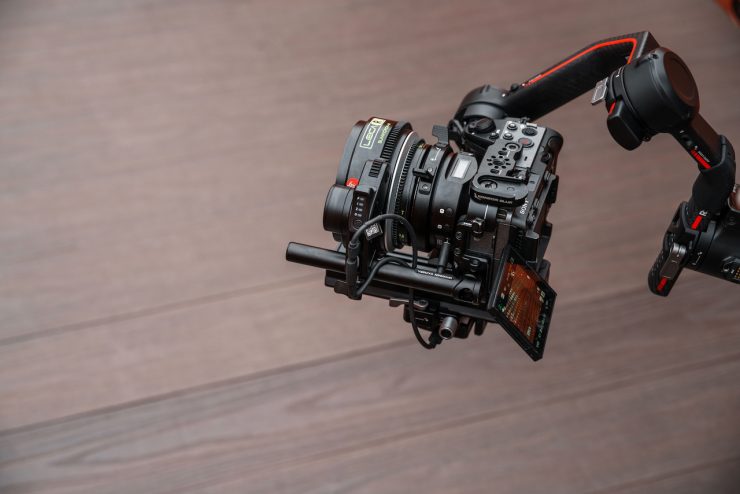
If you are just using a single motor, then you can get away with making it slightly smaller.
Will Viltrox be making the NexusFocus F1 Adapter in other mounts?
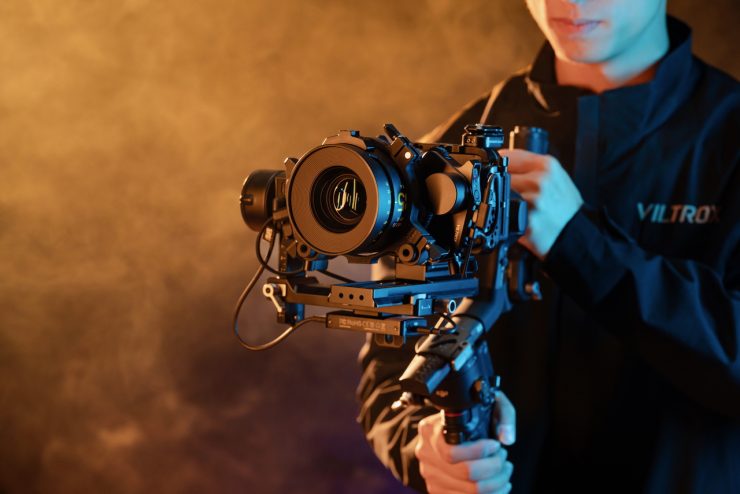
The current solution is only PL to Sony E mount, but Viltrox did tell me that they are looking into doing other mounts.
Pricing & Availability
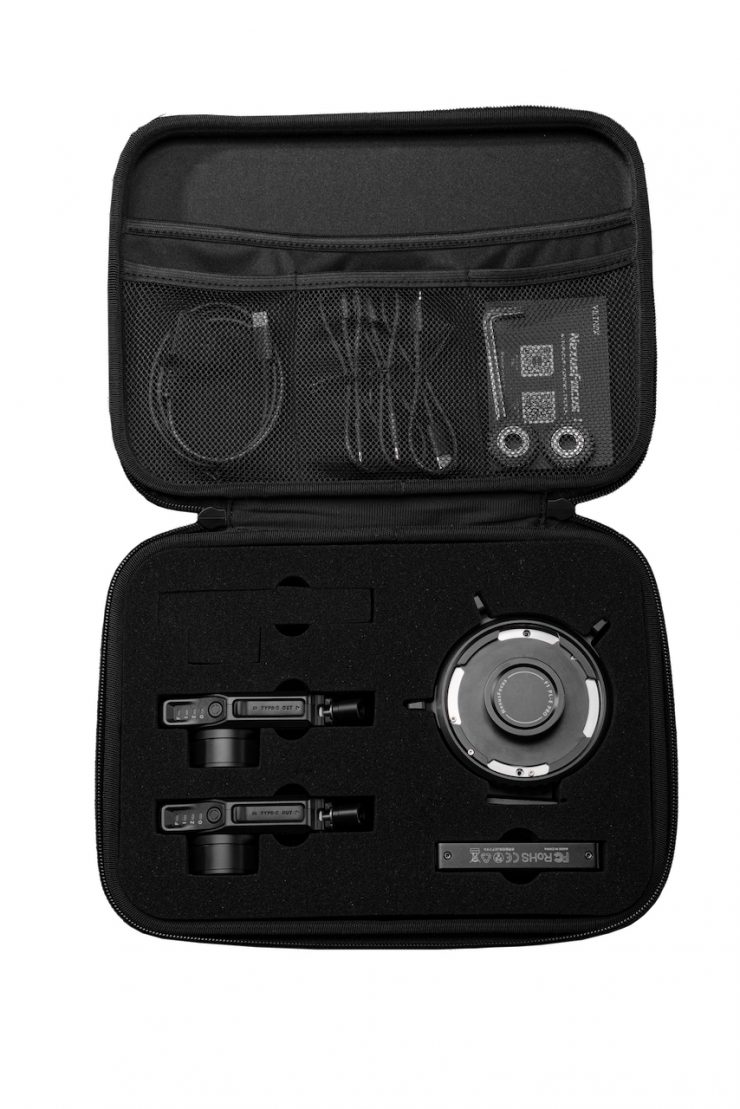
The NexusFocus F1 Adapter was launched on Kickstarter on the 15th of January. Here are the prices:
- Super Early Bird Kit: $5,499HKD / $699 USD (Limited to 10 Kits)
- Early Bird Kit: $6,299HKD / $799 USD (Limited to 200 Kits)
- Early Access Kit A – Dual Motor: $6,999HKD / $899 USD (Limited to 2000 Kits)
- Early Access Kit B – Triple Motor: $8,199HKD / $1,049 USD
After the Kickstarter ends, the retail prices will be:
- $8,599HKD / $1,099 USD (dual motor kit)
- $10,199HKD / $1,299 USD (triple motor kit)
A Competitor is coming
Tilta has also teased a similar solution: merging phase-detection autofocus technology with the precision control of the Nucleus-M II Wireless Control System.
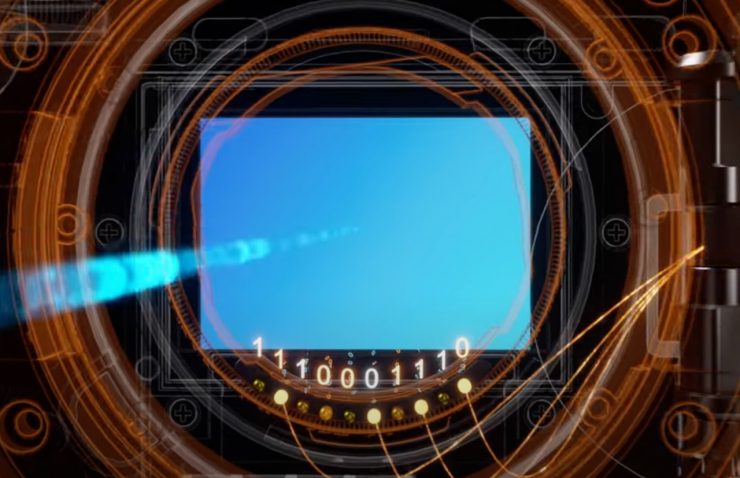
Through a lens adapter mount, the Nucleus-M II motors will be able to receive autofocus information directly from the camera sensor. The upcoming solution integrates phase-detection autofocus with the precision of the Nucleus-M II Wireless Control System. This is made possible through the lens adapter mounts, which enable the Nucleus-M II motors to receive autofocus information directly from the camera sensor.
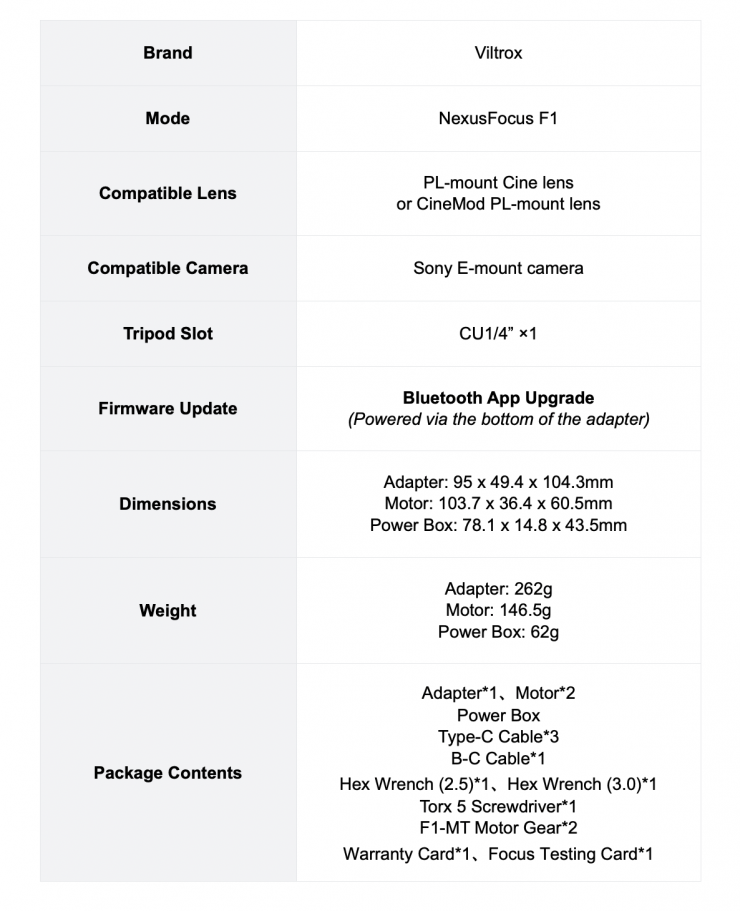
Specifications