
The Laowa 15-35mm T12 Probe Zoom Lens is the latest addition to the company’s ever-expanding line-up of unique and interesting optics.
Way back in 2018, Laowa announced the 24mm f/14 2x Macro Probe, which was the first truly affordable lens of its type. They then released the FF 24mm T14 2X Macro Periprobe 5 years later, and then just prior to NAB 2025, they announced their first zooms, the Laowa 15-24mm T8 and 15-35mm T12.
The optical quality and T-stop of the Laowa Probe lenses have continued to improve over the years, and they are significantly better than the original version.
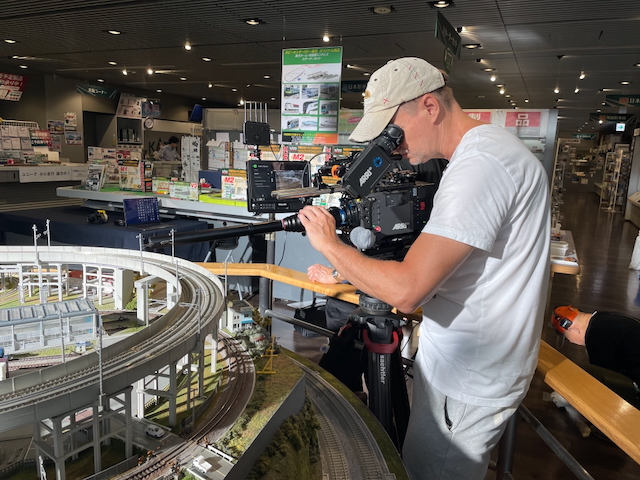
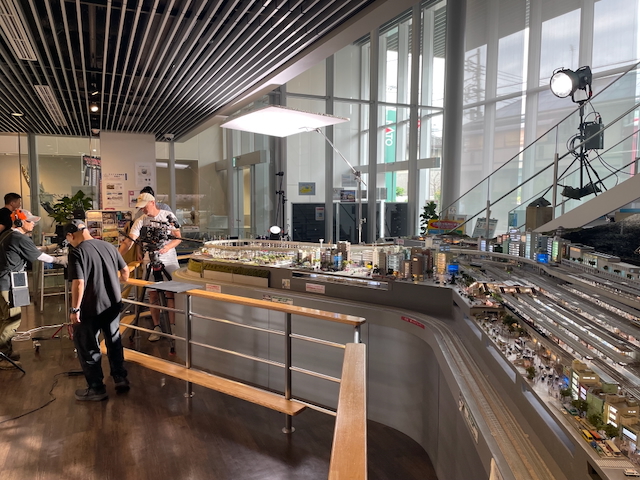
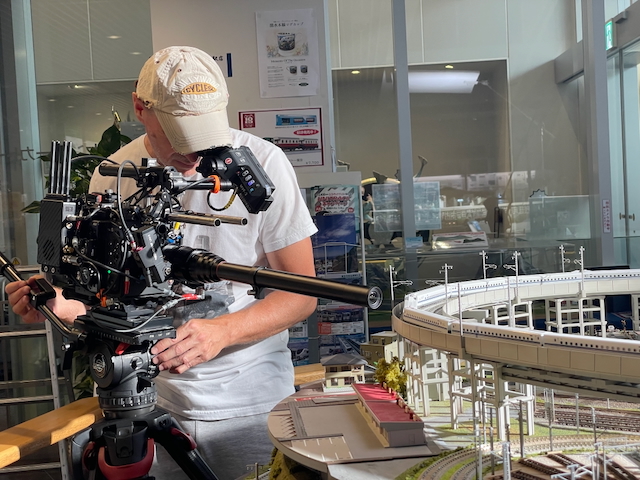
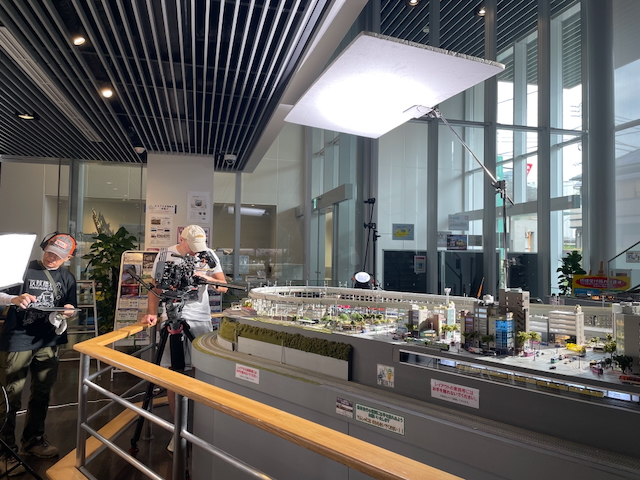
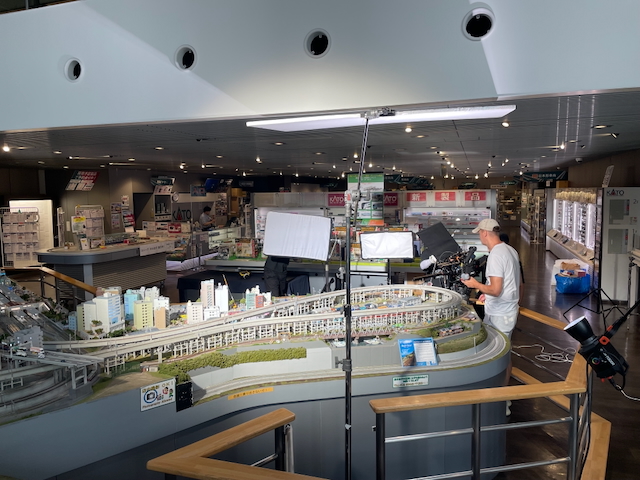

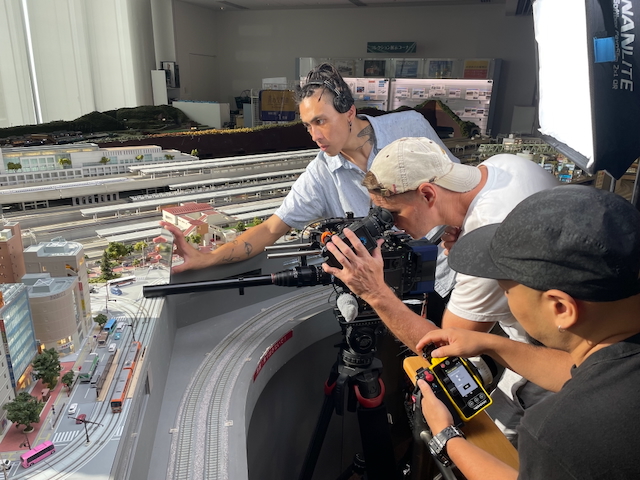

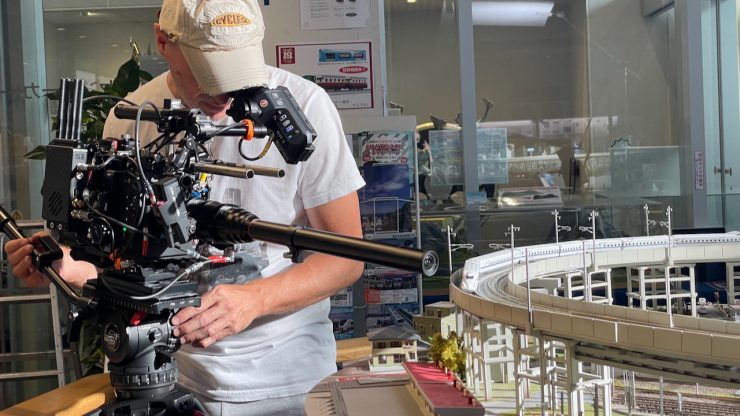
I recently used the 15-35mm T12 on a shoot, and I was very impressed with its performance.
Key features
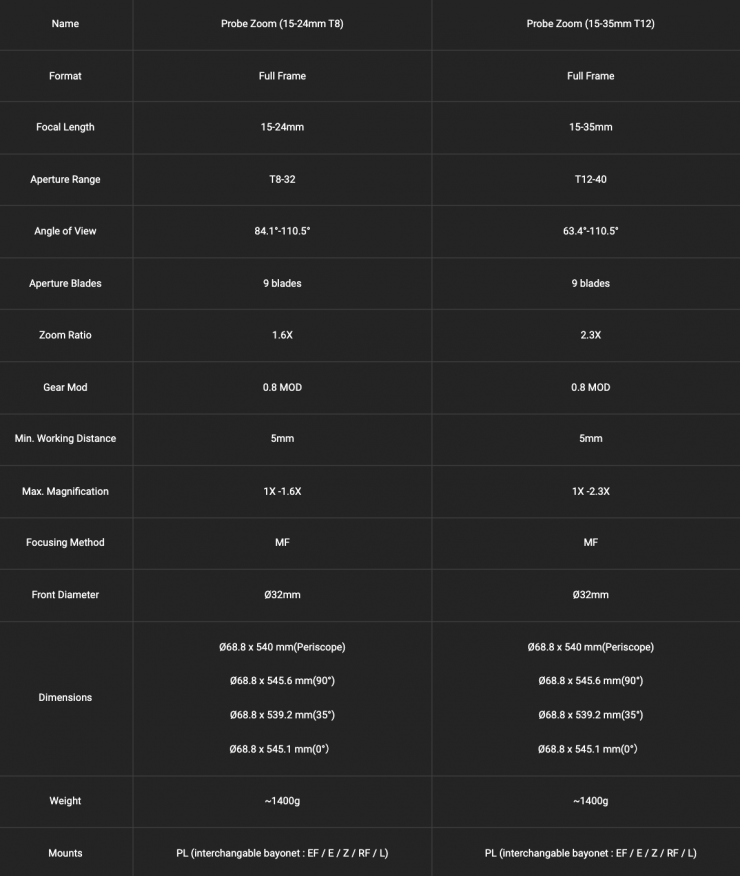
- Full Frame | T12-T40 Aperture Range
- Modular 35° View Probe Zoom
- 0.8 MOD Gears, 90° Focus Rotation
- 1.26″ Front Outside Diameter
- Interchangeable ARRI PL Mount
- Up to 2.3x Image Magnification
- Versatile 63.4 to 110.5° Angle View
- Longer 21.2″ Waterproof Tube
- Minimum Working Distance: 0.2″
- 360° Front Barrel Rotation
The biggest caveats with probe lenses are the slow T-stop, and you need a lot of light to work with them. The 15-24mm T8 and 15-35mm T12 are no different (despite the slightly faster T-stops than their predecessors).
You have probably wondered on occasion how wildlife documentary shooters are able to get such incredibly close macro shots of small insects. Well, one of the ways to do it is through the use of a periscope or probe lens. Lenses such as the Innovision Probe 2+ and the T-Rex SuperScope are just two of the options available, but being specialty lenses, they are expensive to buy or rent. Affordable options are far and few between, but that was before Laowa came along. Laowa has a good reputation for making unique and interesting lenses, and the 15-35mm T12 follows that tradition.
Where it all began
The Laowa 24mm f/14 2x Macro Probe was the world’s first consumer-grade probe lens, and it allowed users to capture very creative shots. Above, you can see some footage that I captured with that lens. Unlike conventional macro lenses, the Laowa 24mm Probe lens can create a perspective that cannot be replicated with a conventional macro lens. Not only could it focus really close (2cm @ 2:1), which is perfect for showing a great amount of detail and texture, but it is also capable of creating a compelling wide-angle ‘Bug Eye’ view (84.1°). This allows you to get a macro wide-angle perspective that is very different from what you are used to seeing. For telephoto macro lenses, the subject will fill most of the frame and appear isolated from the surrounding environment instead.
Full Frame Coverage
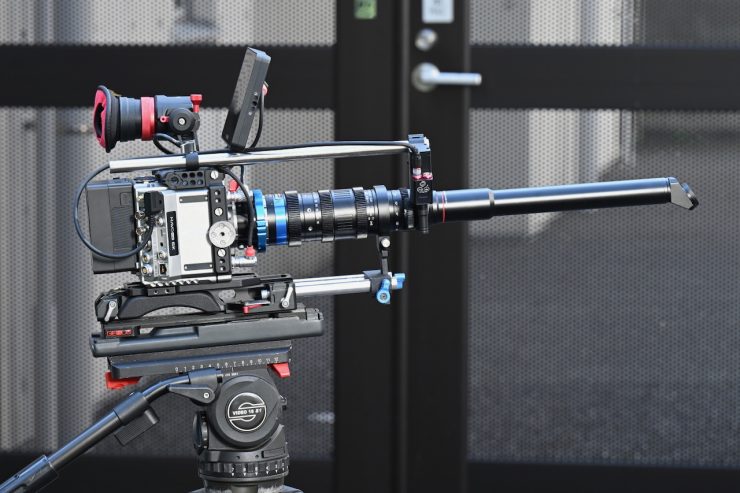
The Laowa 15-35mm T12 can cover both standard 35mm full frame and Super 35 image sensors. It will cover an image circle of 43.2mm. This makes the lens suitable for use on a wide array of cameras.
Now, I did find that when shooting 4.6K open gate on the Alexa 35, I was getting some vignetting when shooting at 35mm; however, if you are cropping for 16:9 or 2.39:1, then you won’t see it.
The default lens mount is ARRI PL; however, EF/RF/E/Z/L Mount interchangeable bayonets are separately available for purchase.
Build Quality
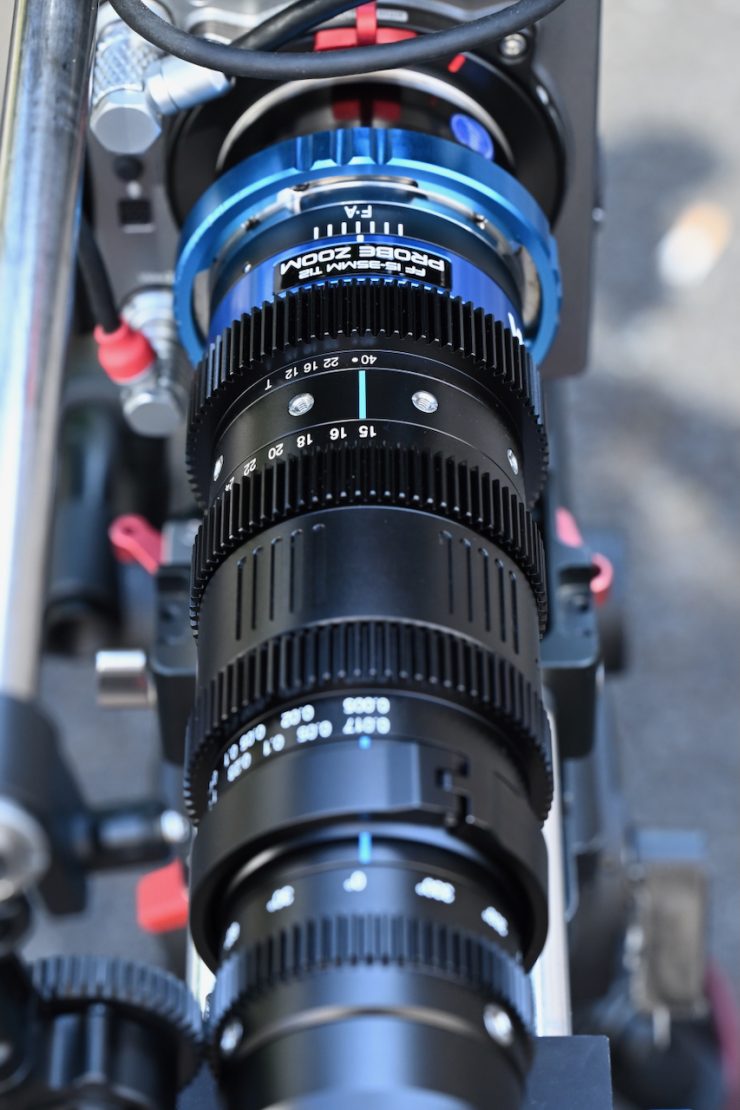
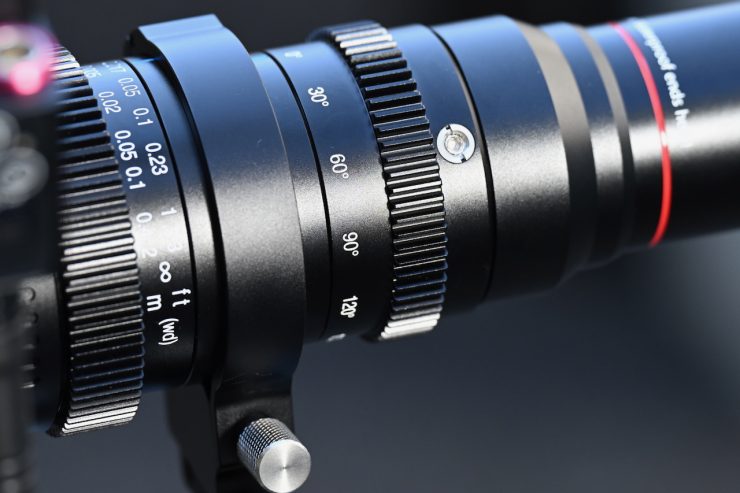
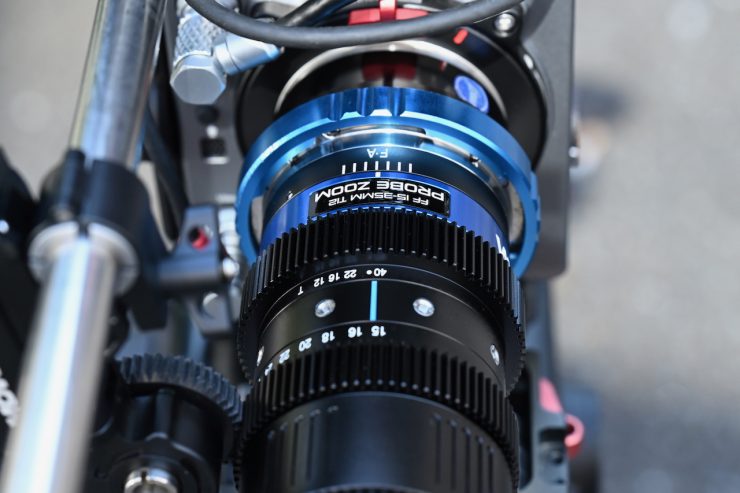
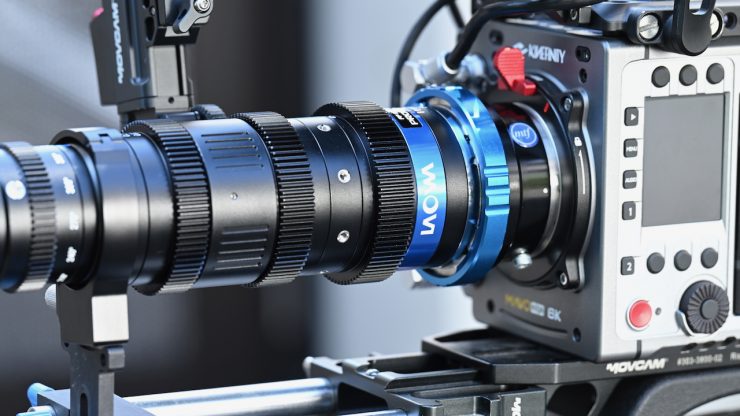
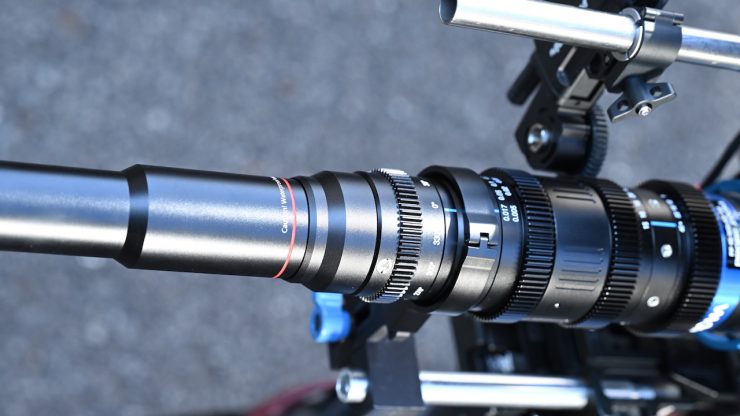
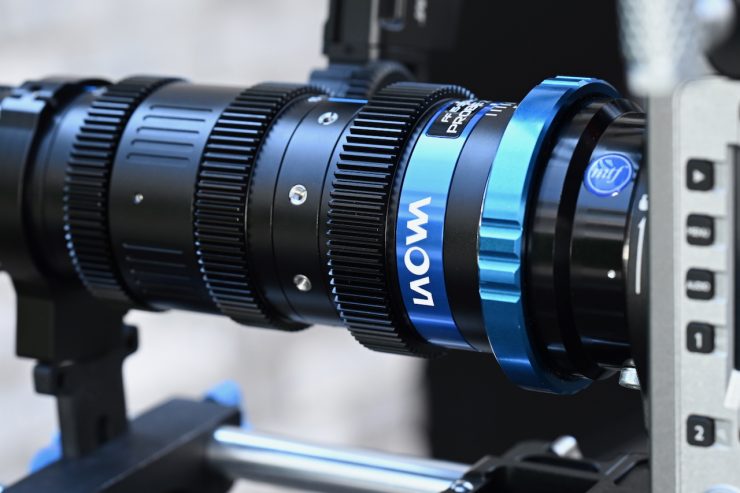
The build quality of the Laowa 15-35mm T12 is very good. It utilizes an all-metal construction, and it feels solid in the hand. They have come a long way from the original 24mm f/14 2x Macro Probe, which arguably was more suited to still photography than video.
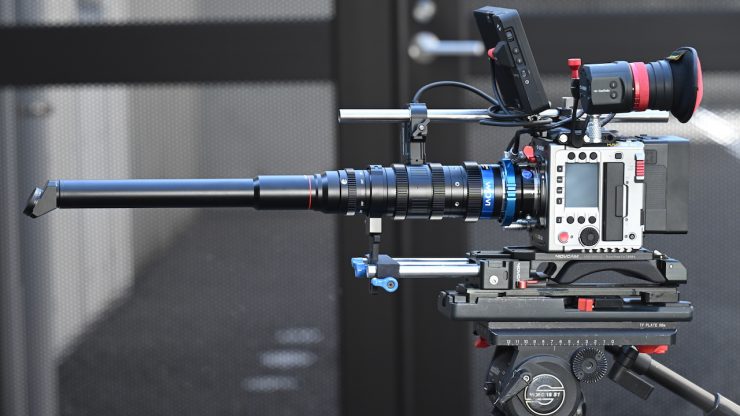
The focus, aperture, and zoom rings all have a nice amount of resistance.
Size & Weight
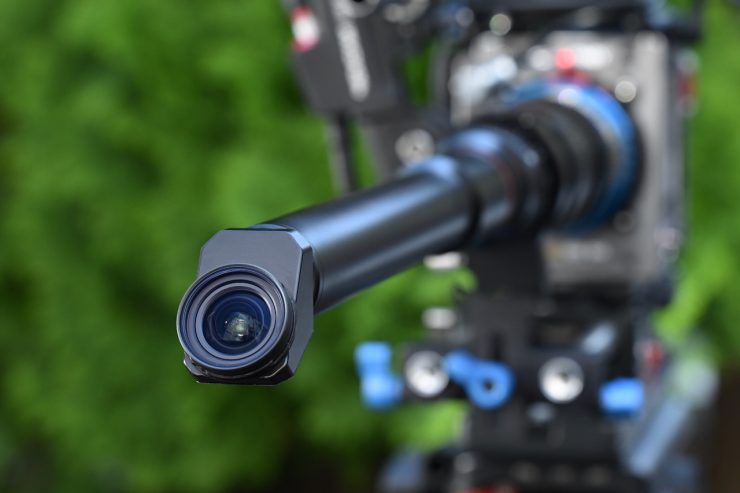
The lens tips the scales at 3.08 lb / 1.4kg. This makes it a lot heavier than the original 24mm f/14 2x Macro Probe and the Laowa FF 24mm T14 2X Macro Periprobe, which weigh 1.7lb / 770g. While 3.08 lb may not sound that heavy, you do have to take into account that it’s a very long lens, so on a smaller-sized camera, the weight balance can be tricky. The lens measures in at Ø68.8 x 539.2mm. That’s way longer than a Sony FE 400mm f/2.8 GM OSS Lens (359mm).
The lens does come in its own metal case, and if you are going to put it into a bag with other lenses, you will need to be mindful of its length.
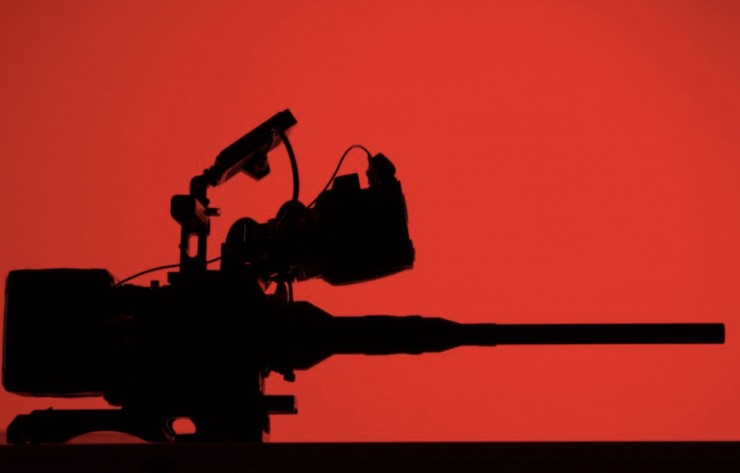
The long protruding barrel could potentially be a problem if you are using the lens in certain locations where it may well get mistaken for the barrel of a gun. This may be unlikely to happen, but it is something you need to keep in the back of your mind.
Four Different Configurations
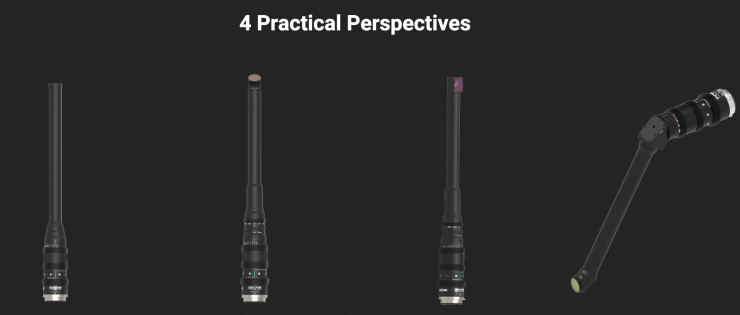
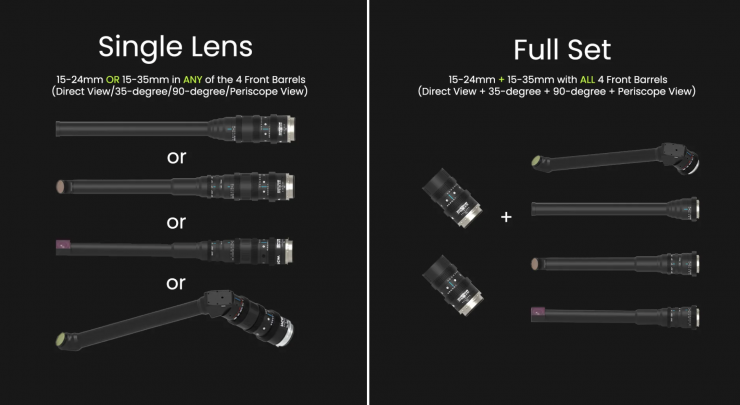
The lens is available in four different configurations, or as a set, which includes all of them.
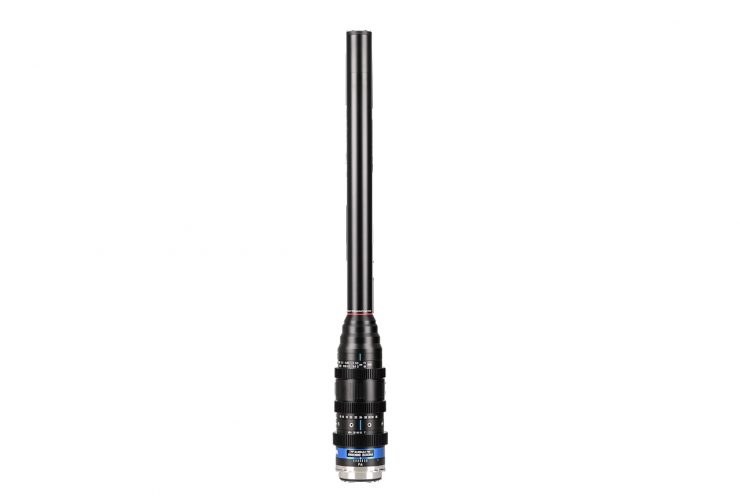
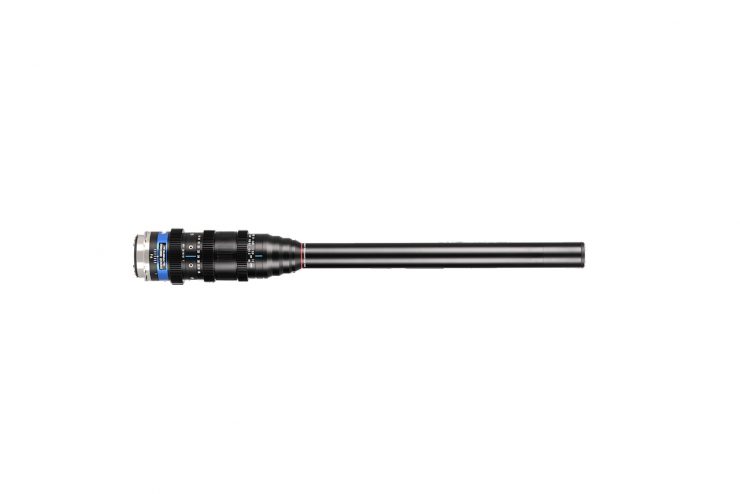
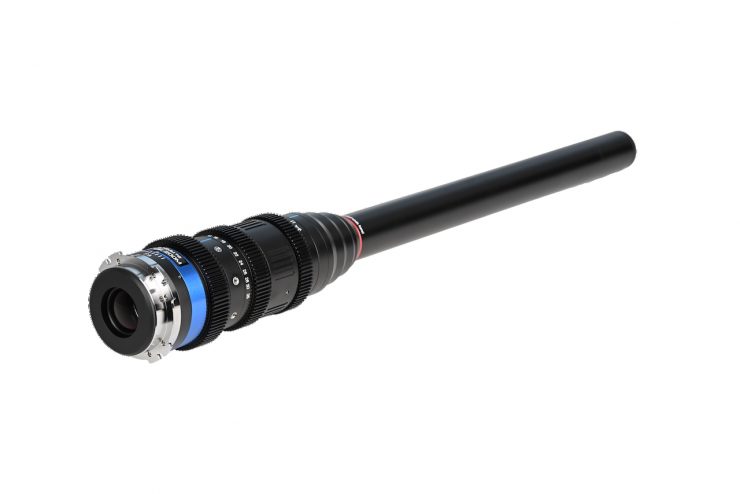
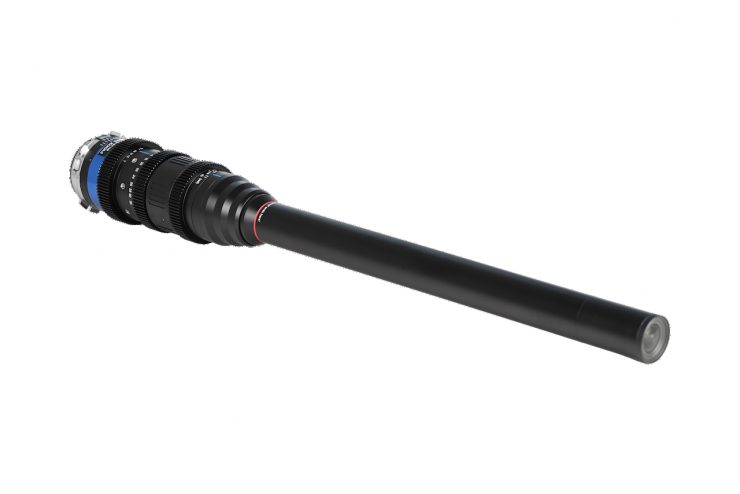
0° DIRECT VIEW – The usual probe lens perspective
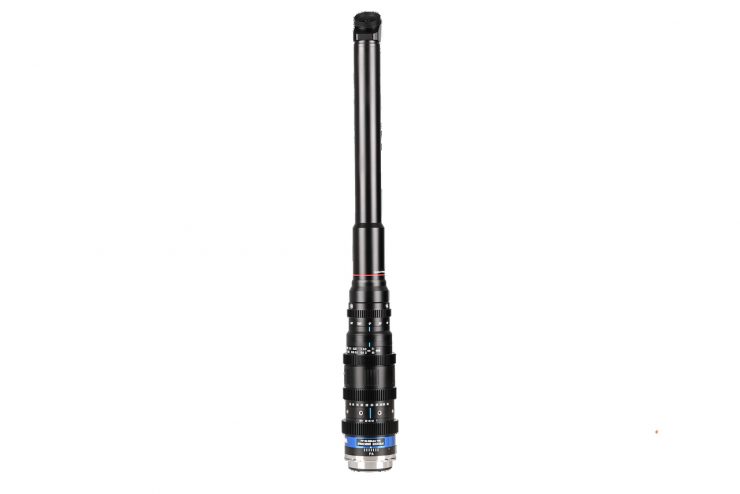
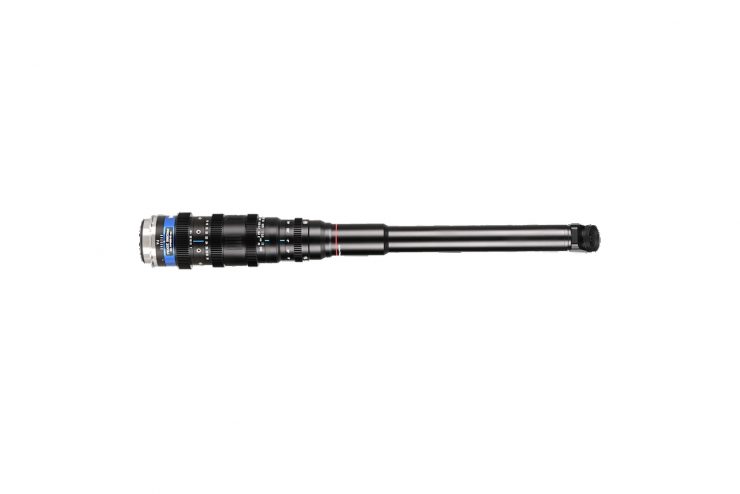
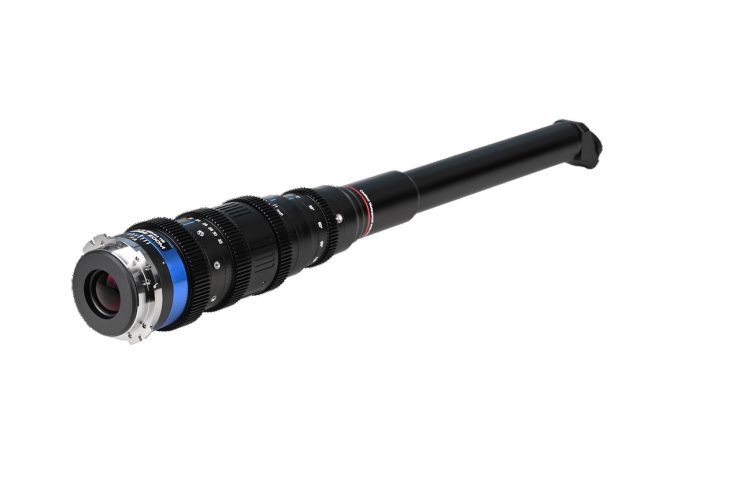
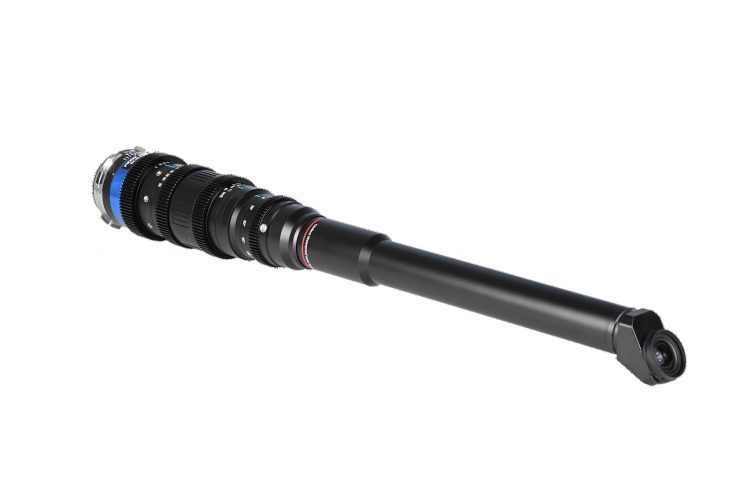
35° VIEW – Providing a 35-degree view for high-angle and low-angle shots without tilting the camera.
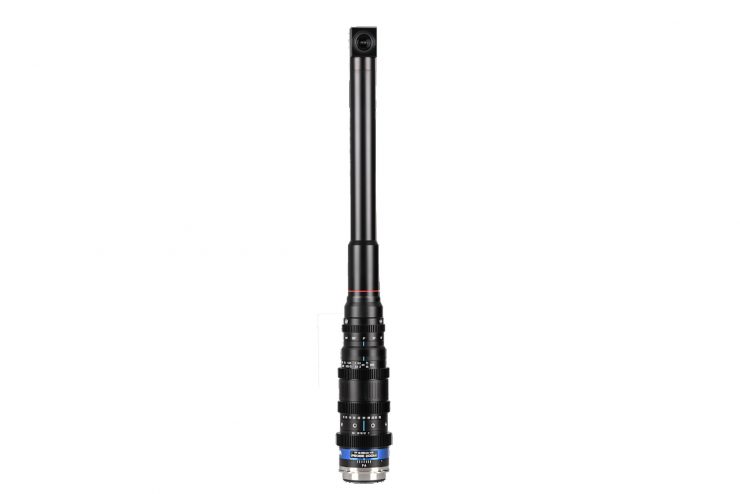
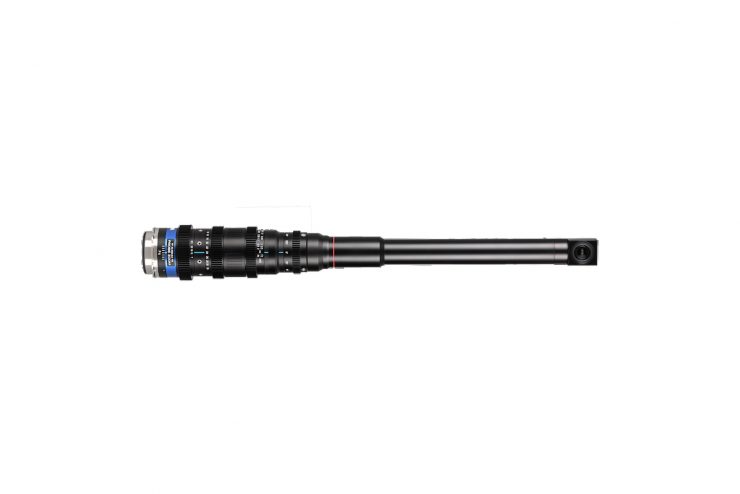
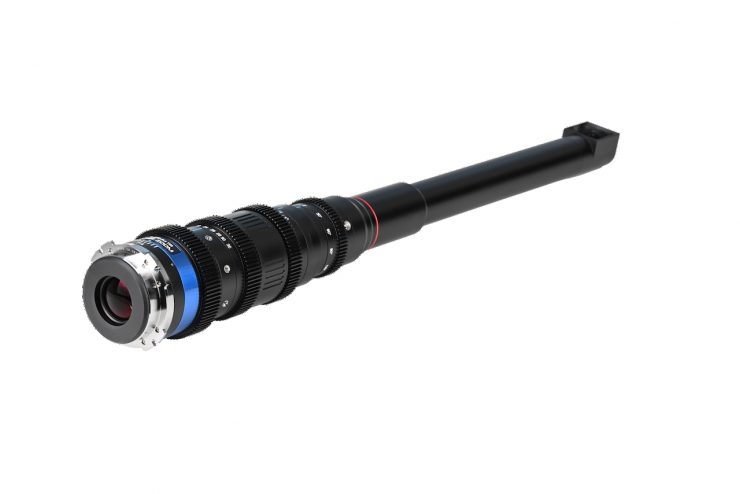
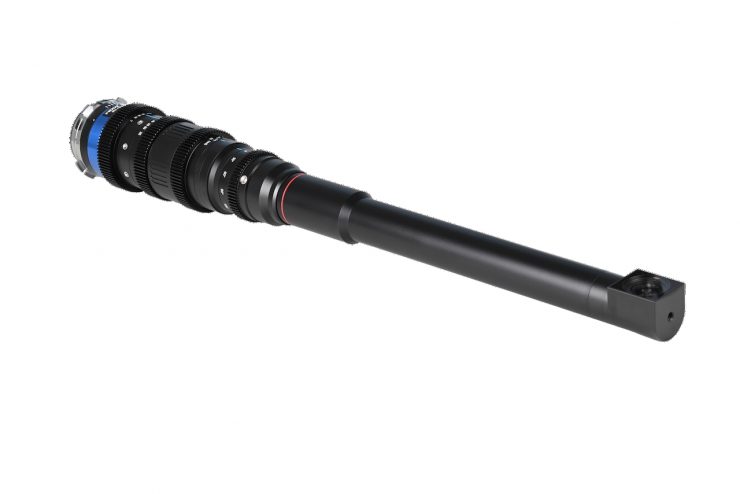
90° VIEW – Shooting unique angles like side shots or looking up/down without tilting the camera.
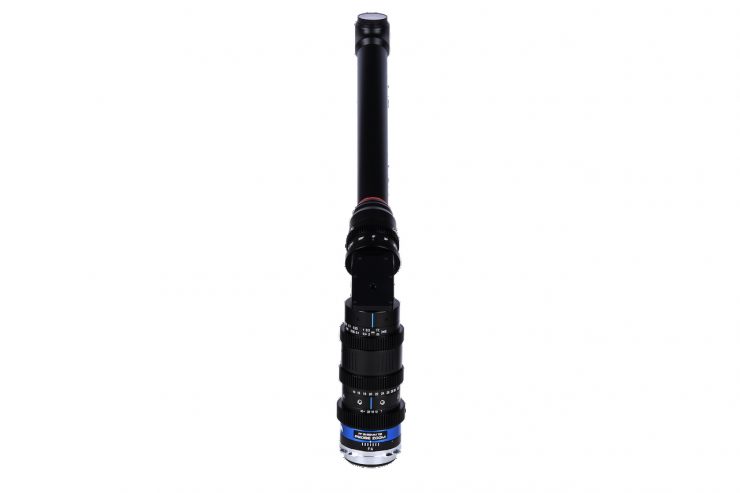
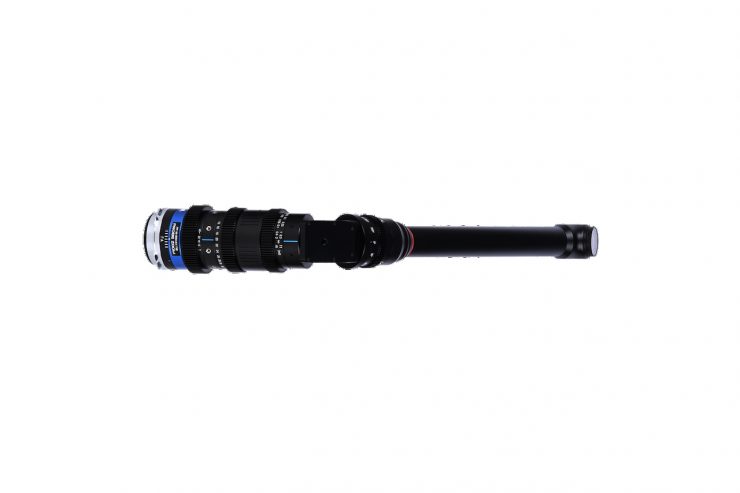
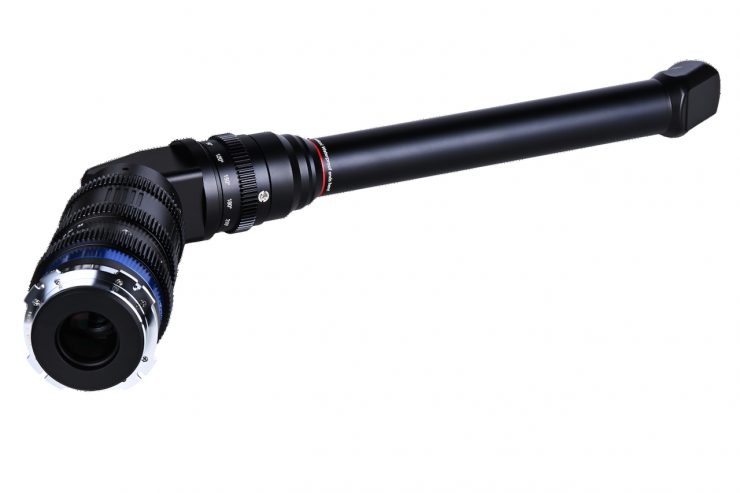
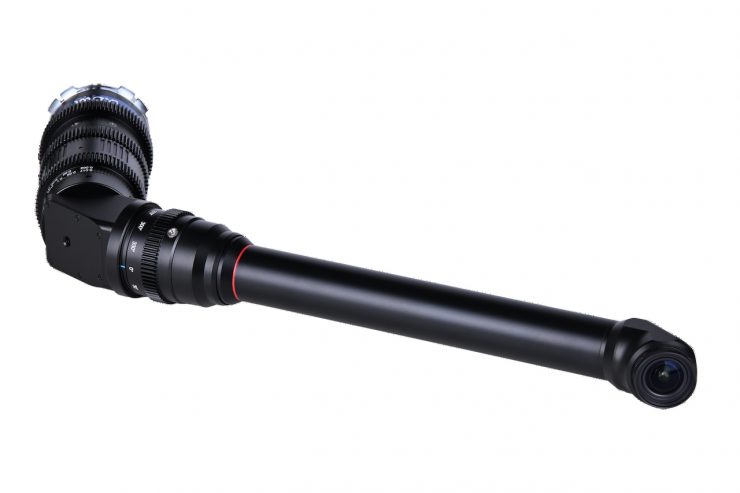
PERISCOPE VIEW – This new lens provides an extensive periscope view parallel to the camera, rendering the subjects at different elevations as you look through the viewfinder.
Utilizing the 90° tube instead of the 0° tube makes shooting with the lens so much easier. Often, with insects or small creatures, they are on the ground, which makes it very hard to shoot because of the angle the lens needs to be on. To overcome this issue, Laowa came up with the 90° tube. This allows you to virtually position the lens right on a flat surface because of the 90° angle.
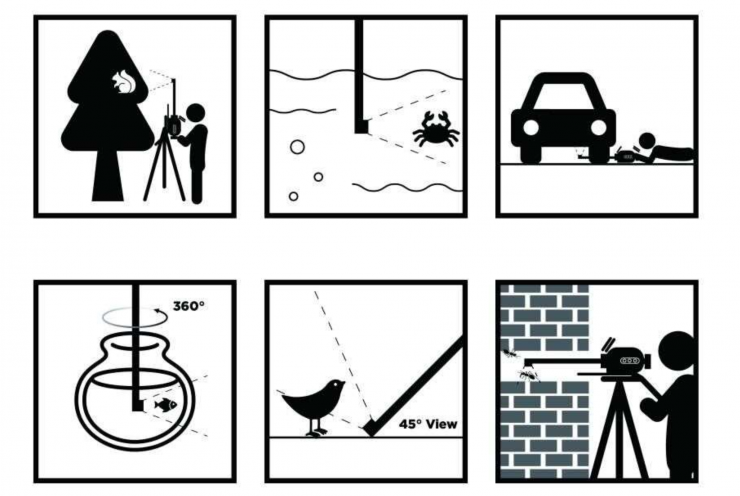
Having this type of flexibility allows you to get shots or put your camera and lens in positions that weren’t previously possible with the first probe lens.
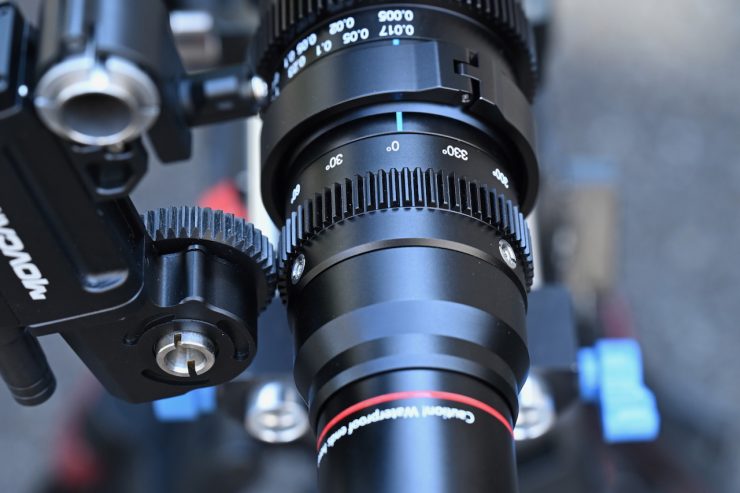

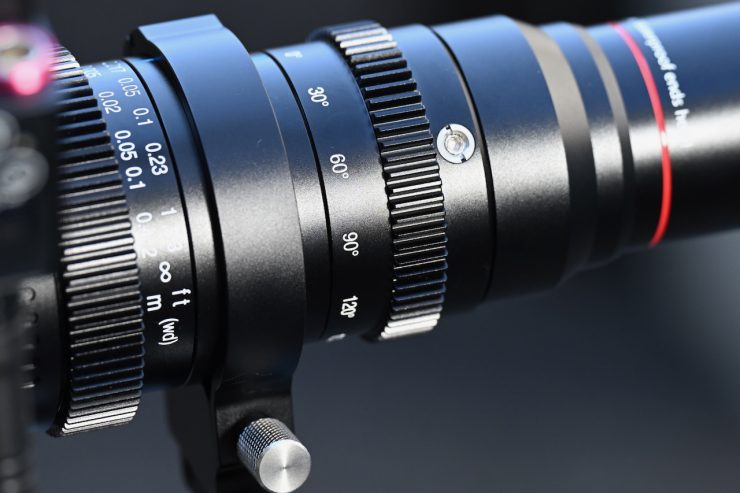
The front part of the lens has a 360° rotation mechanism. This allows you to place the lens in the exact position you need it to be.
If you don’t lock off the rotating mechanism, you could hook up a lens motor and have the lens spin around 360°. This could be used to create some unique shots.
Optical Design
For the optical design, Laowa has divided the lens (37 Elements in 26 groups) into 3 functional groups. These functional groups are: Macro lens + Relay Lens + Objective lens. That’s also one of the reasons why this lens is a bit more expensive than a normal lens, as it’s basically three lenses merged into one.
Macro Lens – At the front of the lens to capture the image (2:1 macro)
Objective Lens – Near the camera sensor to expand the image to fit on the full frame sensor
Relay Lens – To relay the image from the macro lens to the objective lens along the long barrel without image quality loss
2:31 Magnification to Infinity Focus
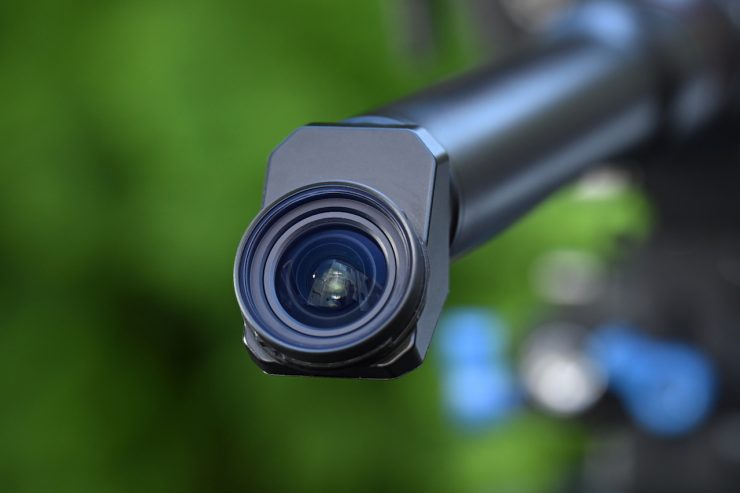
The lens has a focusing range from 2:31 macro magnification to infinity focus. With a 2:31 maximum magnification, you can shoot really small bugs/objects and reveal details that cannot be seen by the naked eye. The wide focusing range (from Macro to infinity) is useful for capturing both the finer details as well as the background, all in one shot. This really does make it quite a unique lens, as you can actually use it as a normal 15mm wide-angle lens if you want to. I probably wouldn’t, but you could.
Deep Depth-of-Field
The challenge when using macro lenses has always been trying to follow tiny objects that you can barely see and keep in focus. This is very difficult to do when the error for getting sharp focus can be as little as a fraction of a millimeter. To overcome this, the Laowa Probe Zoom 15-35mm T12 utilizes a wide-angle design so it can achieve a much greater depth of field at a close distance (compared to a telephoto macro lens). Being able to focus so closely while still having a deep depth of field is a huge advantage for both studio and wildlife shooting. Too often with extreme macro shots, all you can see is your subject and not the background.
This deep depth of field makes it way easier to capture macro images that are actually reasonably sharp and in focus.
Zoom Range
Having a zoomable probe lens opens up a lot of creative possibilities. At high magnification levels and because of the unique angle of view you can achieve, a move from 15-35mm, or vice versa, is actually bigger than you may think it is.
What I did find is that there does seem to be some illumination loss when using the lens at 35mm, as opposed to 15mm.
A Waterproof Front Lens Barrel
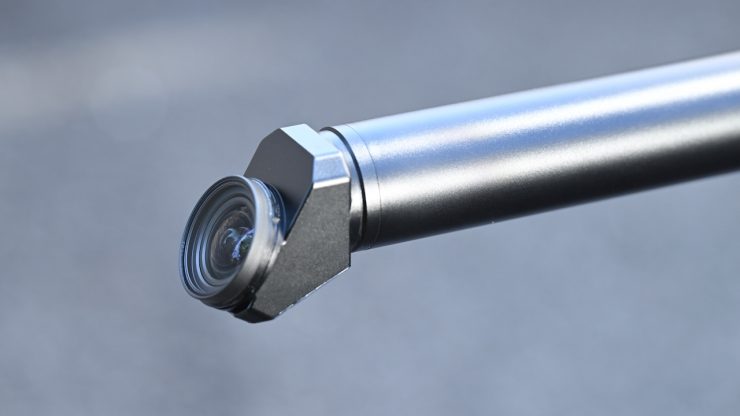
Laowa has made the front barrel of the lens waterproof (well, the first 21.2″) so it can be used to shoot in and out of the water. The waterproof design allows you to get shots in water and liquid, and it also has the added benefit of keeping fine powders and dust out of the lens.
This is a nice option to have; however, macro shots in any type of liquid is a pretty niche use case.
40.8 cm Long Tubular Lens Barrel
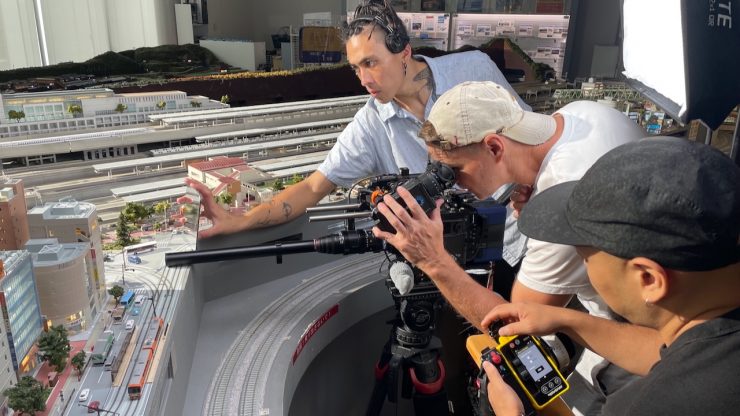
With a length of 539.2mm (20.86″), you can focus really close to the subject but still keep your camera away from the subject. The long lens barrel also allows shooters to keep a safe distance away from animals such as spiders when shooting. Being able to get the lens really close to your subject is great, but you do have to take into account what you are shooting. Trying to get the lens close to insects that fly isn’t as easy as they are likely to fly off before your lens even gets near them. For slow-moving insects, it’s great.
1.3″ / 32mm Lens Tip
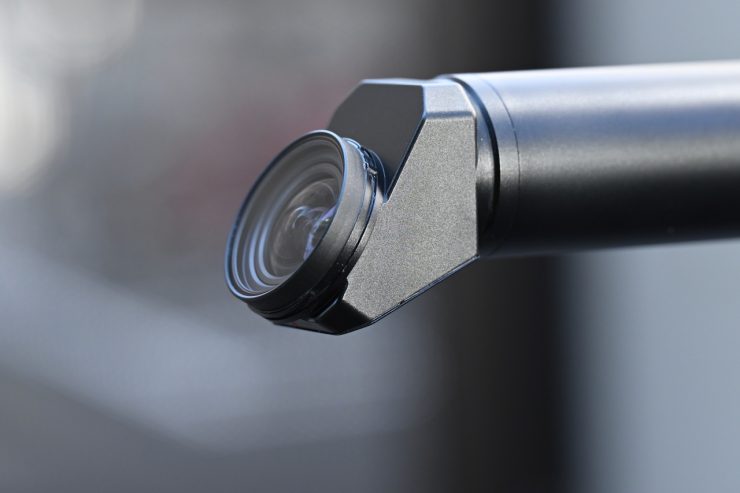
The small 1.3″ / 32mm diameter on the 35-degree tube allows you to capture unique perspectives. With such a small diameter, you can insert the lens into tiny crevices, inside a glass bottle, or places where a normal lens just can’t go. The smaller lens tip also makes it easier for lighting. A typical macro lens with a larger lens barrel blocks more light, but a small lens barrel allows you to get light a lot closer to your subject. This is important because the Laowa lens has a max aperture of T/12, so you are going to need all the light you can get. According to Laowa, they would rather use external lighting to compensate for the exposure than make a lens with a bigger front tip. There are some probe lenses on the market that have a higher effective max. aperture, but they feature a much larger lens tip, which limits their usage.
You Need A Lot Of Light
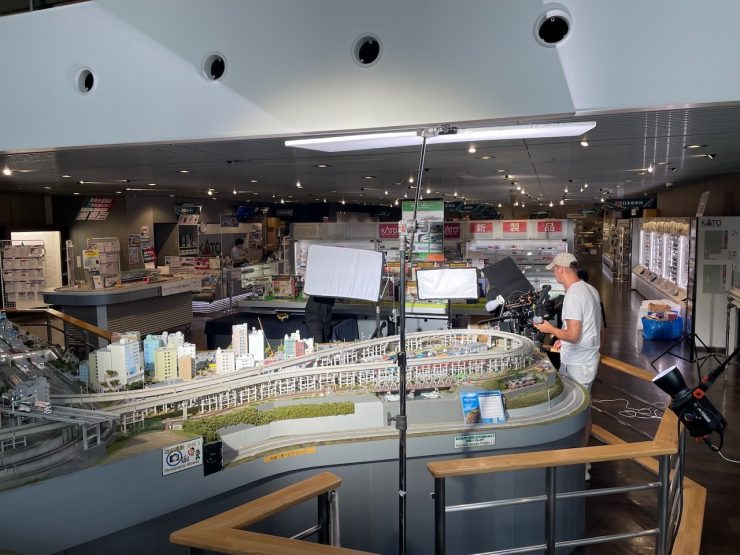
You need a lot of light to use this lens. With a maximum aperture of T12, even outdoors, you will need some sort of extra light unless you are using the lens in sunny conditions. I tried using the lens outdoors on a sunny day in the shade, and even at T12, you couldn’t get enough light at an ISO of 800. You really need to think carefully about how much light you will need when using this light and plan accordingly.
If you are going to shoot anything at higher frame rates, then you will need a lot of extra light to obtain the correct exposure.
Unique Shots
I found that I could use the Laowa 15-35mm T12 to get some very interesting shots that are not usually possible. Some of the most interesting shots I got were when using the lens on a small motorized slider and then tracking across or back over objects. Because you are shooting at such close magnifications, a move on a small slider feels like it is going on forever. For shooting small objects or documents, you can create some very interesting camera moves using this combination.
I did, however, find that because the barrel is so long, it was susceptible to bouncing around and moving around. At really close magnification, it is very hard to shoot tiny insects if they are on a branch or a leaf, and there is even the slightest amount of wind. The movement gets amplified so much that it looks like you are wildly moving the camera all over the place.
Bokeh
This is not a lens for creating gorgeous bokeh. The bokeh and out-of-focus areas when using this lens are not going to rival those of a normal lens.
Sharpness
The Laowa 15-35mm T12 might have a lot of bells and whistles, but that won’t mean anything if it can’t produce good-quality images. Above, you can see some sharpness tests with the lens. I have chosen to show you the whole 6K open gate image from the Kinefinity MAVO EDGE LF.
Usually, if you shoot with lenses at high T stops, you risk degrading the sharpness of your images, but due to such a complex optical design, the Laowa 15-35mm T12 actually performs very well. When you are shooting extreme macro shots, things are not always going to appear sharp because you are looking at incredibly small details. There is a difference between actual sharpness and perceived sharpness. The lens was sharper than I was expecting, especially when shooting at higher resolutions.
Optically, its all-round performance isn’t going to rival a really good macro lens because of the design challenges that Laowa faced when making a lens like this. However, it still produces very good results.
Lens Flare
The lens is very susceptible to flare, especially when the lens tip is angled up towards a light source. This is something you need to be mindful of.
Focus Breathing
As you would expect from a zoom probe lens, it does have fairly pronounced lens breathing. This is something you need to keep in mind when using it.
Dust, Water, Hair, etc.
With such a close-focusing wide-angle macro lens with a T12 aperture, any small bit of dust, hair, or water can show up on your footage. I had some shots ruined because specs of fine dust were on the front of the lens. You really do need to keep the front of this lens, as well as your sensor, absolutely spotless to avoid this from happening.
Using the lens outside is tricky. When you are getting very close to insects or animals or pushing the lens through grass, leaves, or plants, it is so easy to get tiny marks on the front of the lens. You really need to keep this in mind at all times when you are shooting.
You Need A Tripod
This is not a lens you want to use handheld for video unless you are running very high frame rates. At super close magnifications, the slightest bit of movement gets magnified as well, so you end up with unusable footage. You really need to use this lens on a good tripod or have your camera placed on the ground. In saying that, if you have a camera that has very good IBIS, you could potentially get a shot without a tripod.
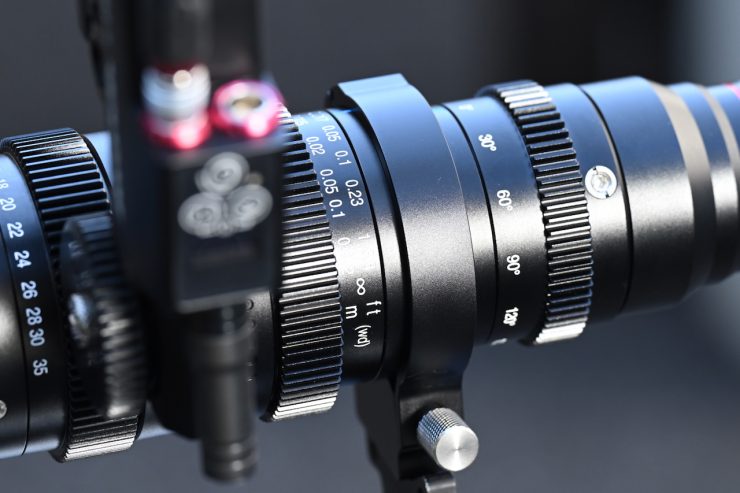
As the barrel of the lens is so long, it can move around, especially if there is a lot of wind or your tripod isn’t very good. Now, Laowa does include a lens support collar that you can attach to the lens; however, with a lot of cameras, this is too short if you are running bottom rods, as a standard lens support won’t reach.
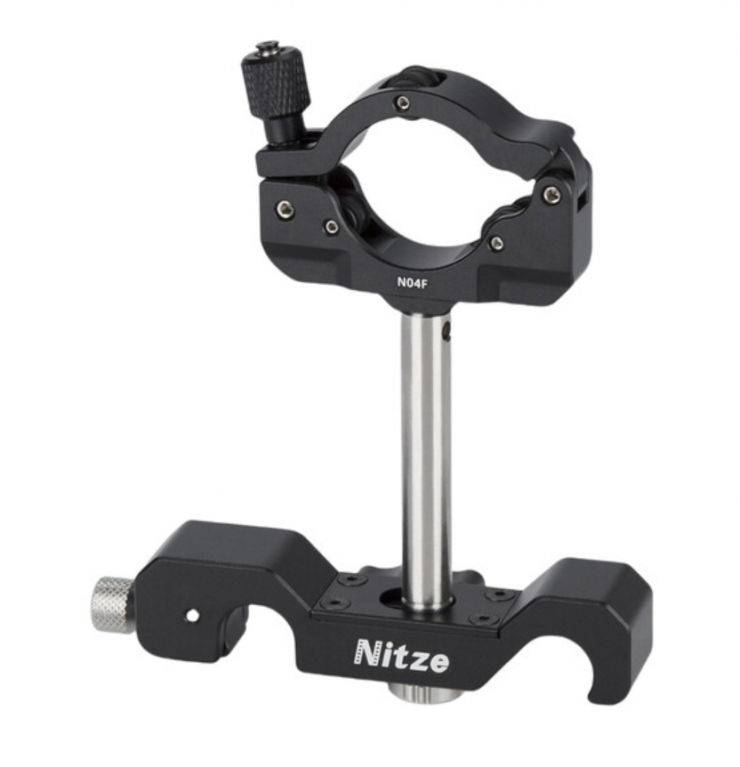
Nitze does make a Laowa Pro2be Lens Support for 15mm LWS Rods ($129.90 USD), but this is designed specifically for the Laowa Pro2be 24mm T8 2X Probe Lens, so I am not sure it would work. I think you could potentially just take off the lens holder from this product and utilize the one that Laowa gives you to make it work.
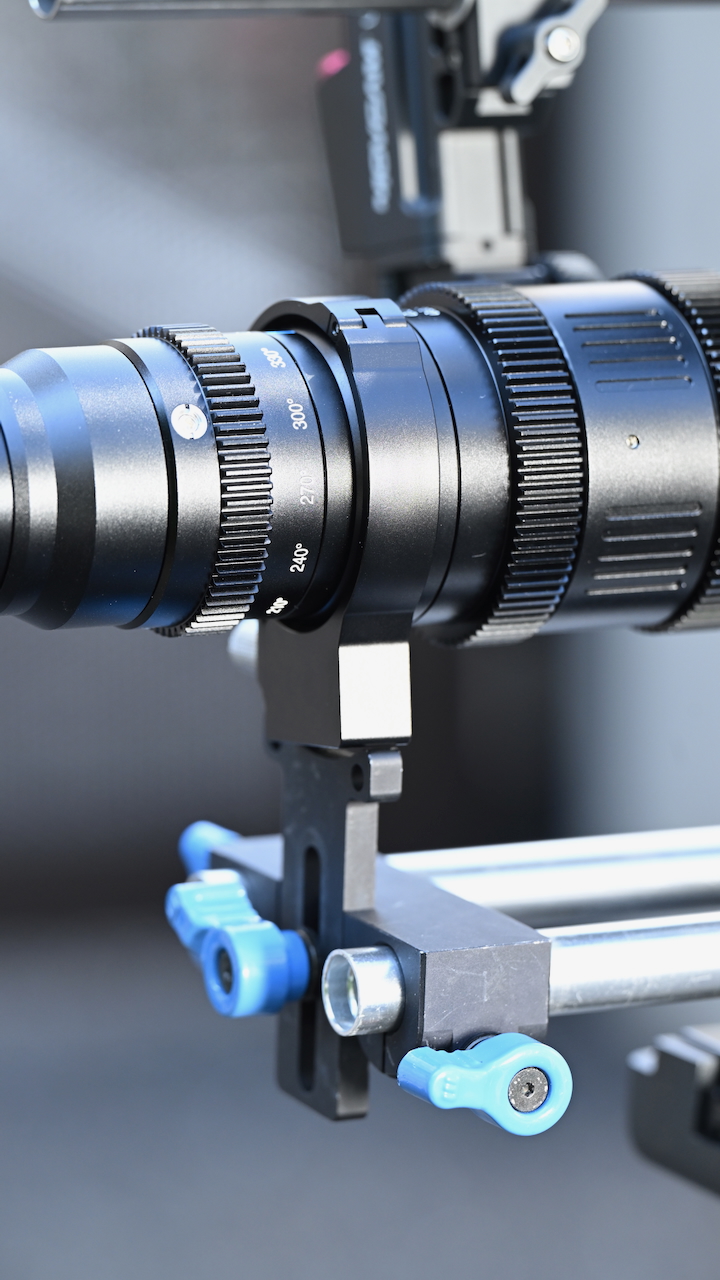
I personally found that the best solution was to use a lens support cradle with Laowa’s included lens support collar.
Use with a Lens Motor
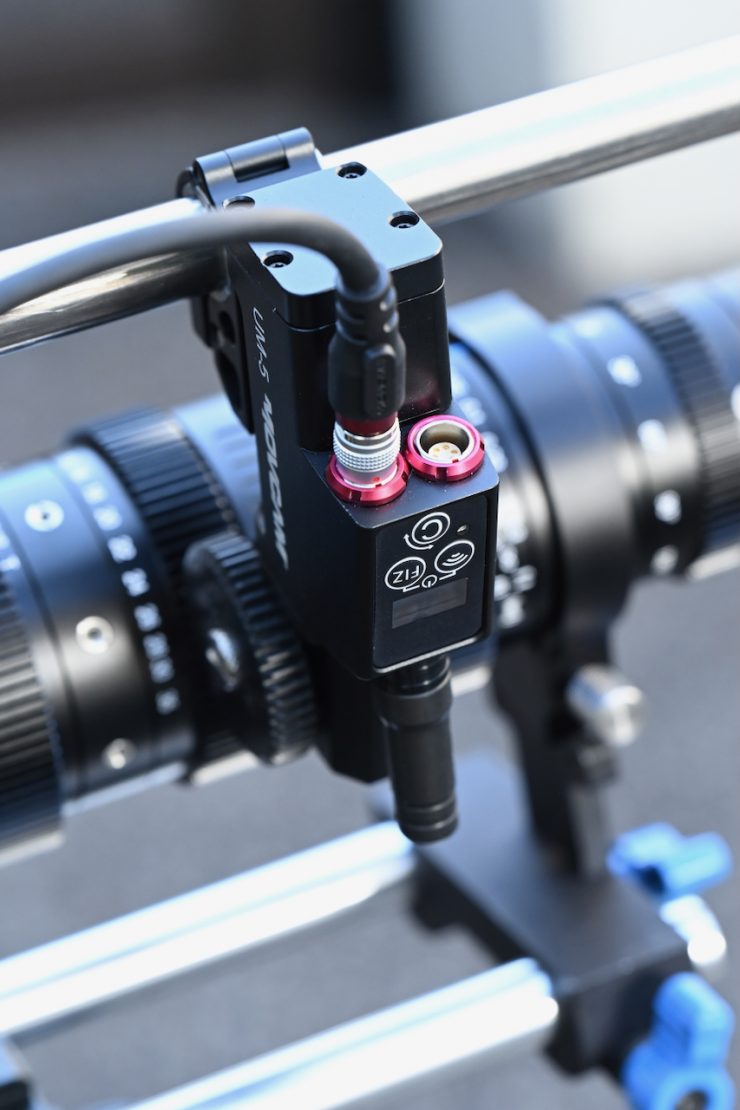
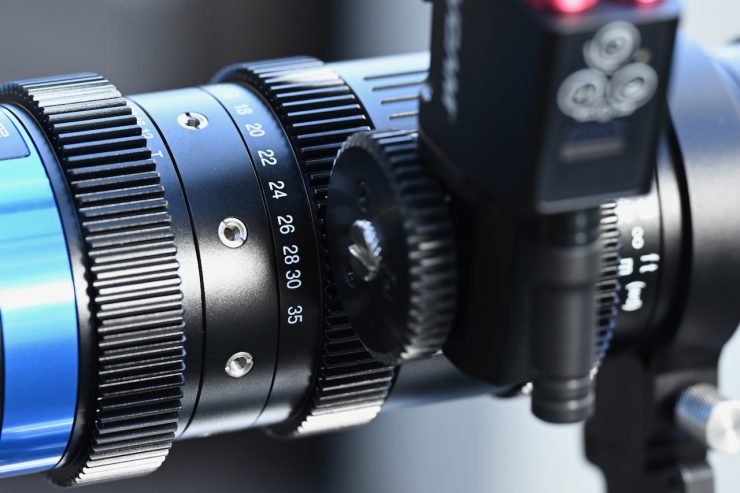
You can utilize a lens motor or motors to do a zoom, adjust focus, or even change the aperture.

With a FIZ system and the fact that this is a zoom lens, you can create some very interesting movement. Because of the level of magnification, zooming from 15-35mm or 35-15mm feels like a bigger move than it actually is.
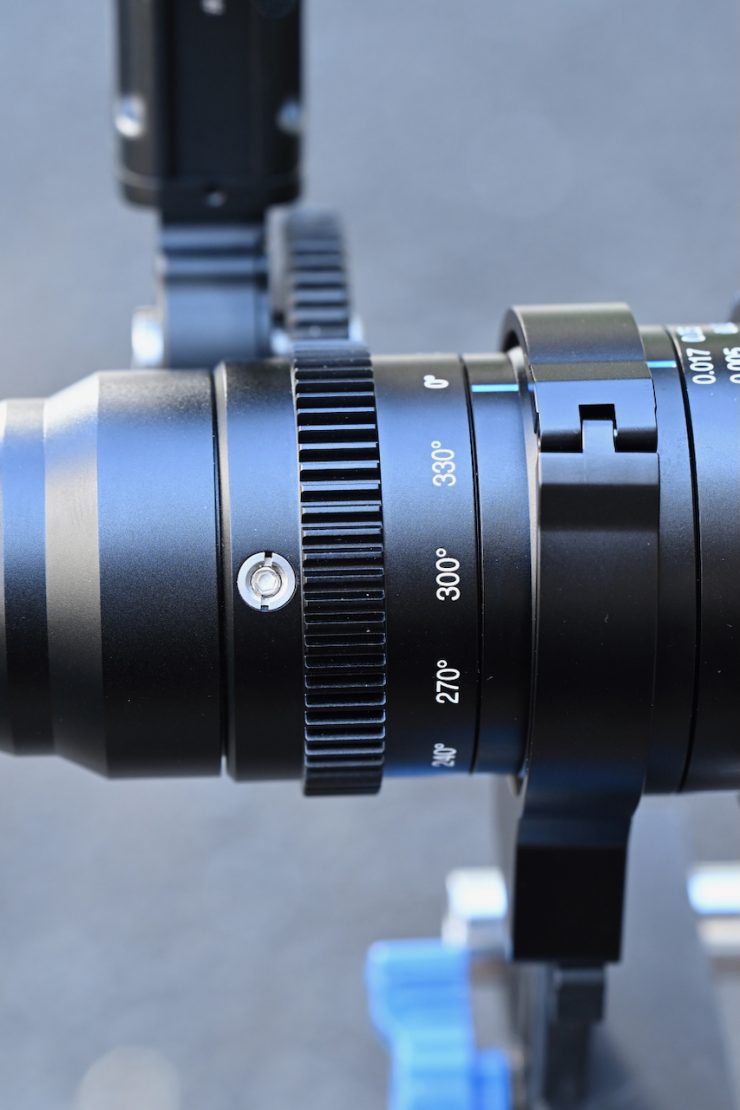

As I mentioned earlier, you can also do some unusual shots by attaching a motor to the front part of the barrel and loosening the screws so that the barrel rotation can move freely.
Above, you can see what that can look like. The only issue is that the barrel will endlessly rotate if you have a motor attached. You need to sort of do a default calibration with the motor on the focus barrel, and then shift the motor to the rotation barrel if you don’t want it to endlessly spin.
Example Footage
I didn’t want to get the same old shots that you so often see when people use probe lenses, so I went down to the local park to film some pigeons. The lens allowed me to get a unique perspective and almost a POV of what a pigeon can see.
Price & Availability
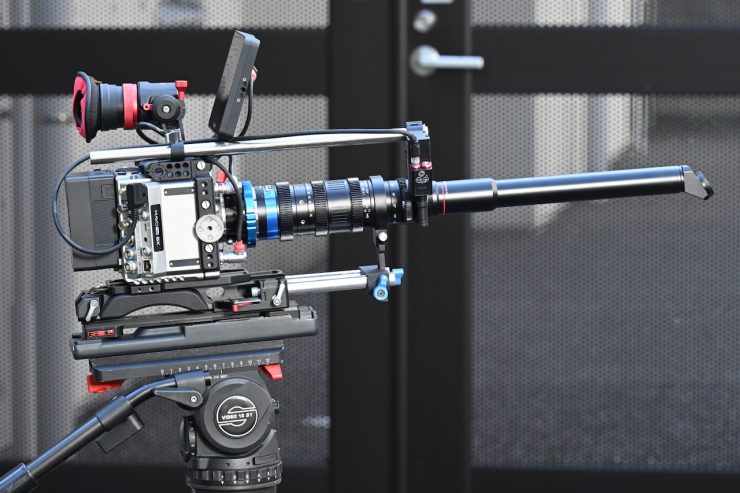
The Laowa Probe Zoom 15-35mm T12 Lens (35° Direct View, ARRI PL) retails for $4,199 USD, and it should start shipping in October.
Competition
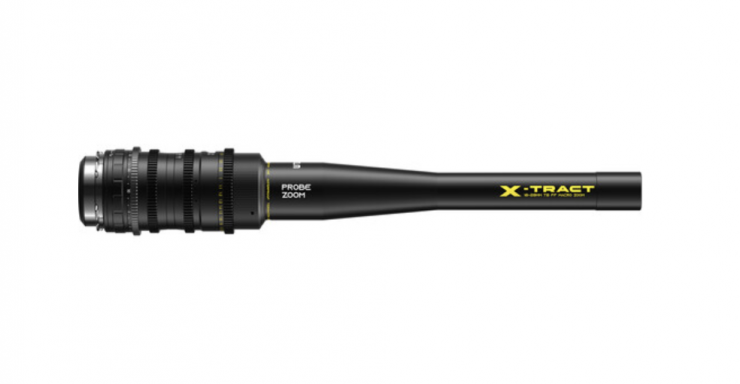
Competition comes in the form of the DZOFilm X-Tract 18-28mm T8 FF Probe Zoom Macro Lens (0° Direct View, ARRI PL) $3,499 USD. This lens has a shorter zoom ratio, and it isn’t as wide as the Laowa, but it does feature a slightly faster T8 aperture.
It is also available in 90° and 360° versions, but not in a 35° version.
I haven’t used the DZOFilm version, so I can’t tell you how it compares.
Conclusion
Just like the original Probe Lens and all those that have followed, the Laowa Probe Zoom 15-35mm T12 is definitely a specialty lens. At $4,199 USD, it’s not going to break the bank, and if you do a lot of extreme macro shooting or like to capture wildlife, the lens is a great alternative to more expensive offerings. It’s certainly a niche lens, but you should really think hard about whether you actually need it or just want it.
It’s not the easiest lens to use, but it certainly is fun, and you can get some really unique shots that aren’t possible with other lenses. Optically, it is not going to be as good as most other lenses you own, but I’m willing to give Laowa a hall pass on this one because of what the lens can do, rather than what it can’t. When you zoom in, there is some noticeable light and sharpness loss that you need to be aware of.
At the end of the day, it’s just a really unique and interesting lens that allows you to capture shots that are just not usually possible. The ability to angle the lens up, down, left, or right increases its versatility.